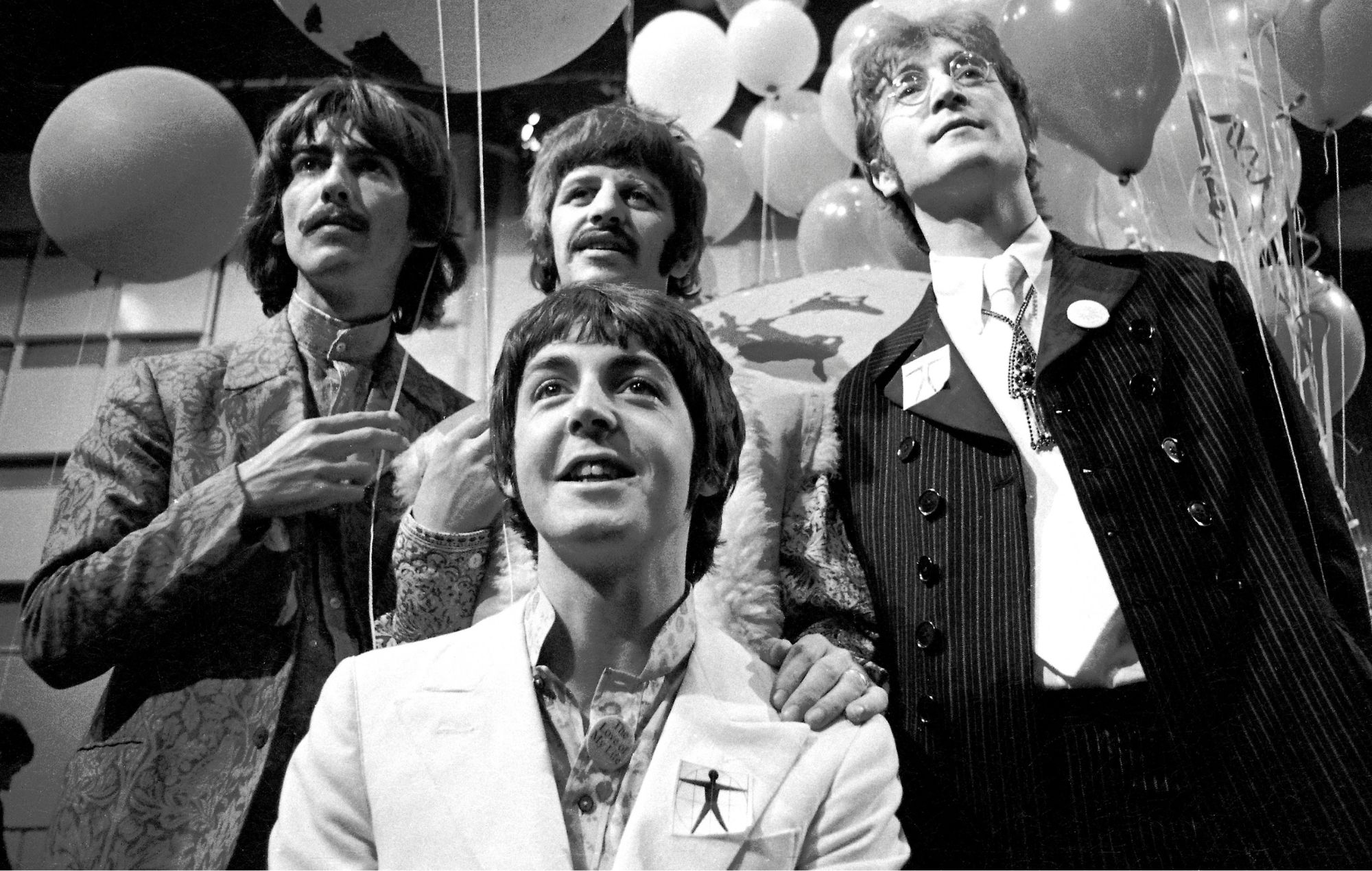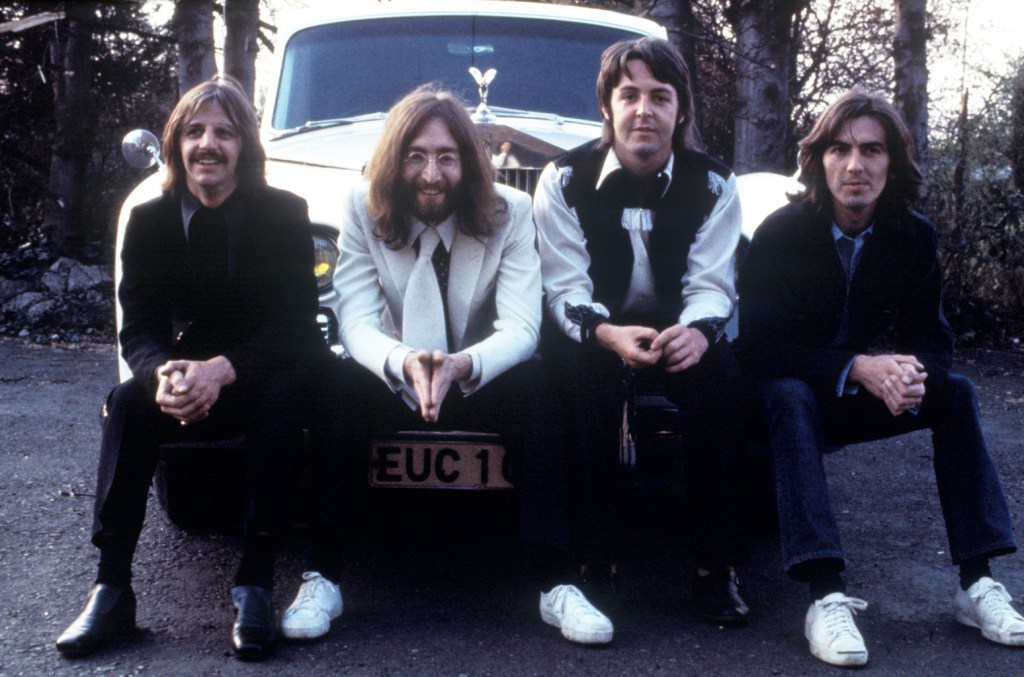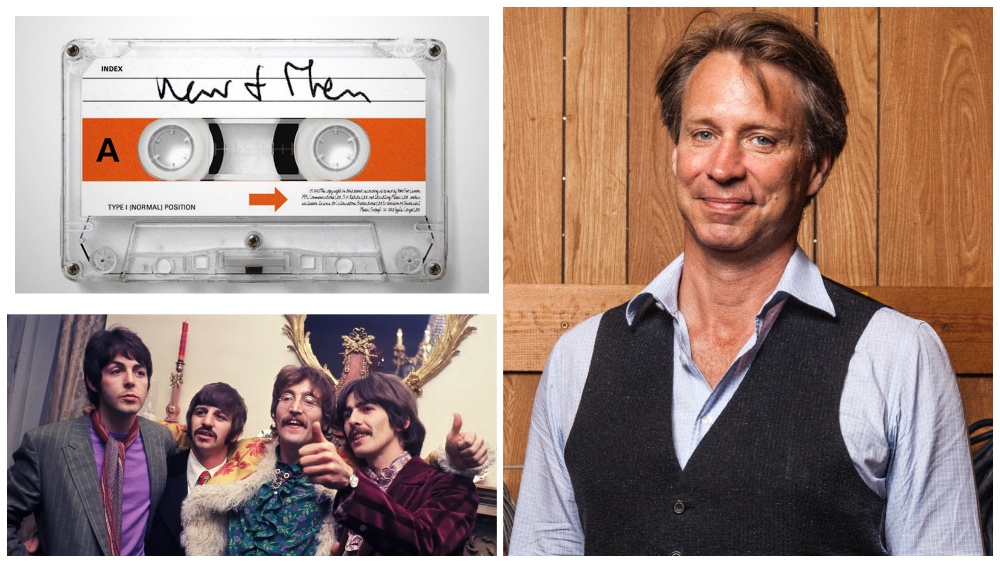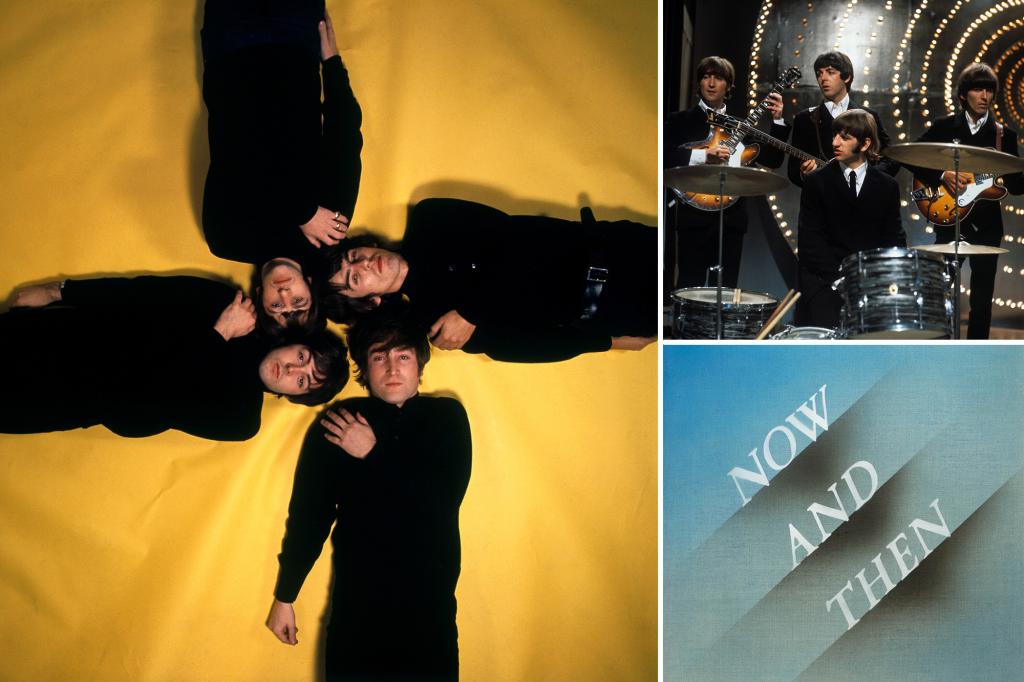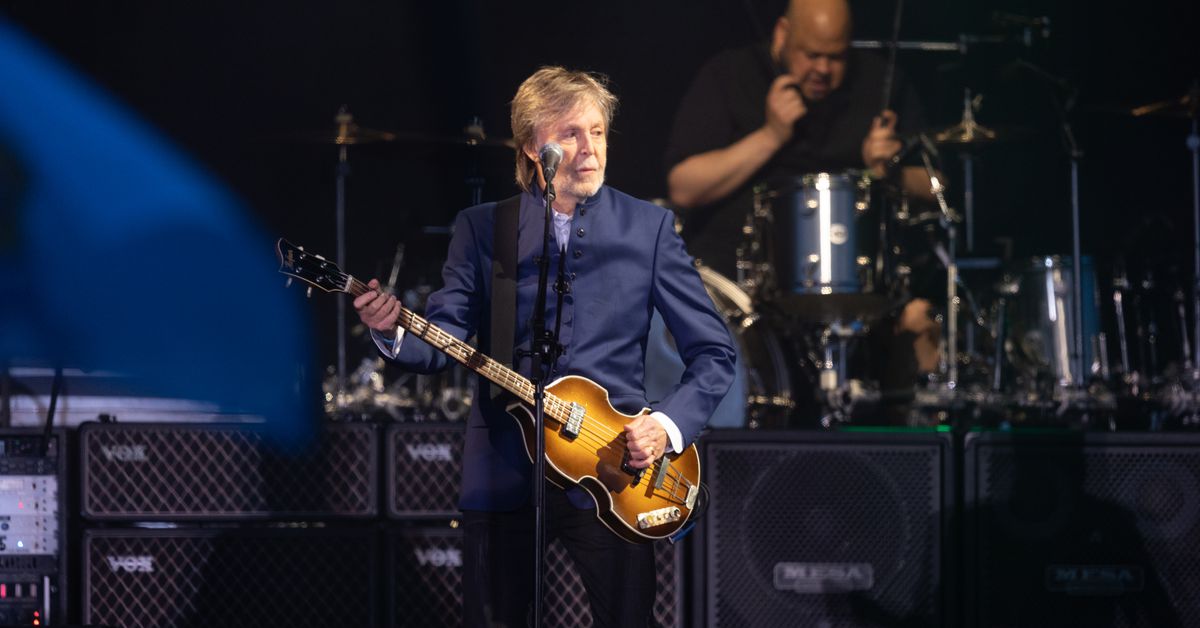
The Beatles have been nominated for two Grammy Awards for their final song "Now and Then," which was restored using AI technology. Originally a demo by John Lennon from the late 1970s, the song was completed by Paul McCartney and Ringo Starr after filmmaker Peter Jackson's team used machine learning to separate the vocals and instrumentals. The song is up for Record of the Year and Best Rock Performance at the 2025 Grammy Awards, despite the Grammy's rules on AI, as it contains only elements of AI material.
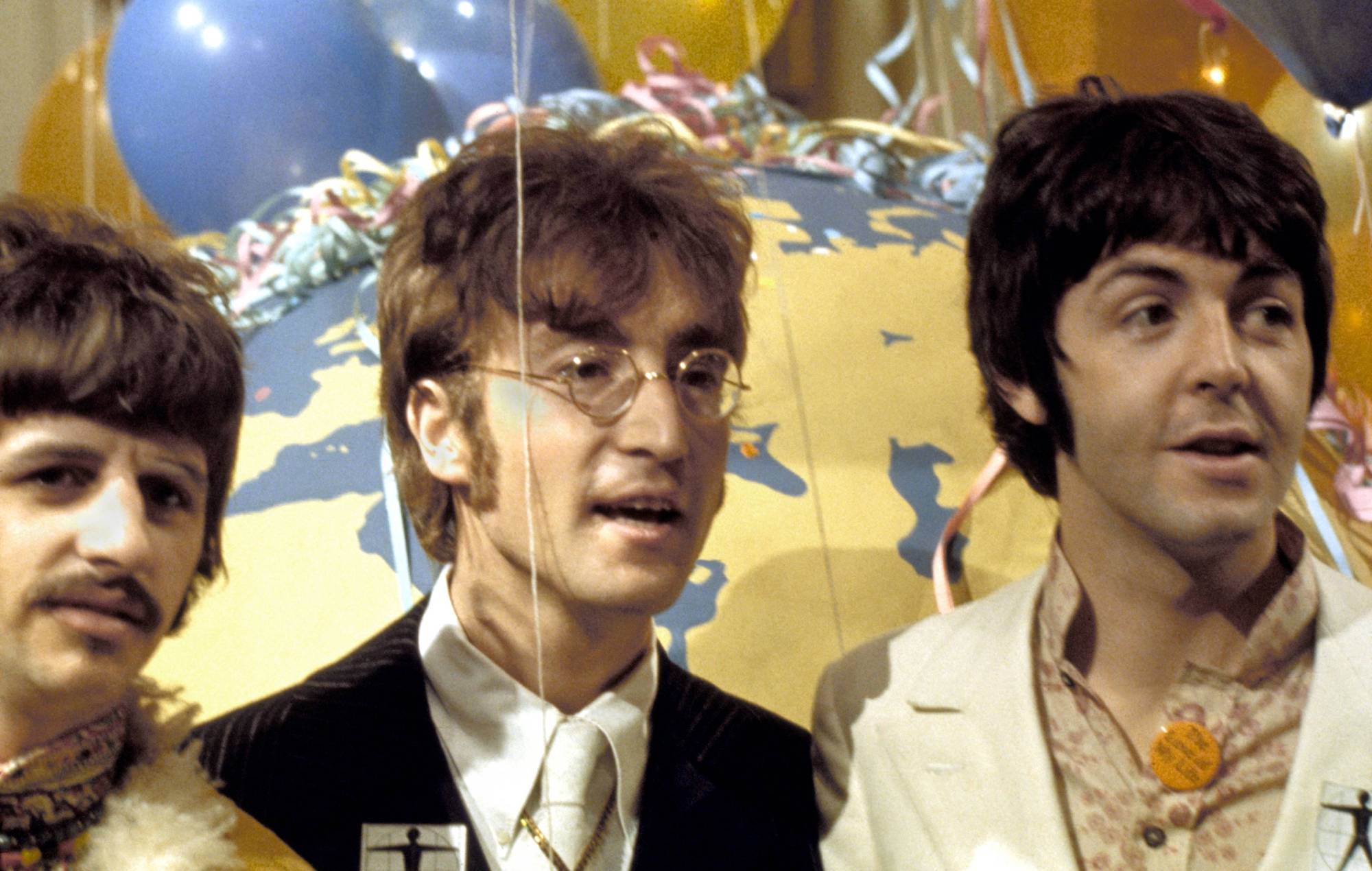
Ringo Starr has addressed rumors that John Lennon's voice was replaced by AI on The Beatles' new single 'Now and Then'. Starr confirmed that it is indeed Lennon's voice on the track, along with contributions from Paul McCartney, George Harrison, and himself. The song has topped the charts, marking the longest period between an artist's first and last Number One single. Starr also reflected on the success of The Beatles, admitting that none of them thought the band would last.
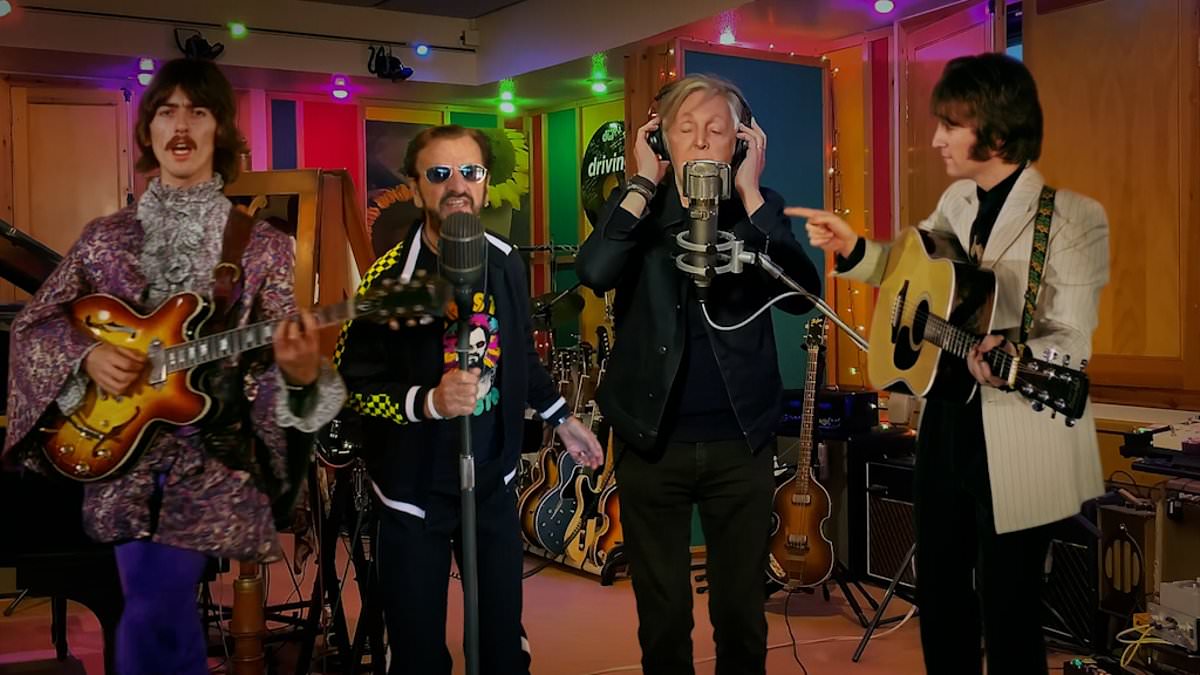
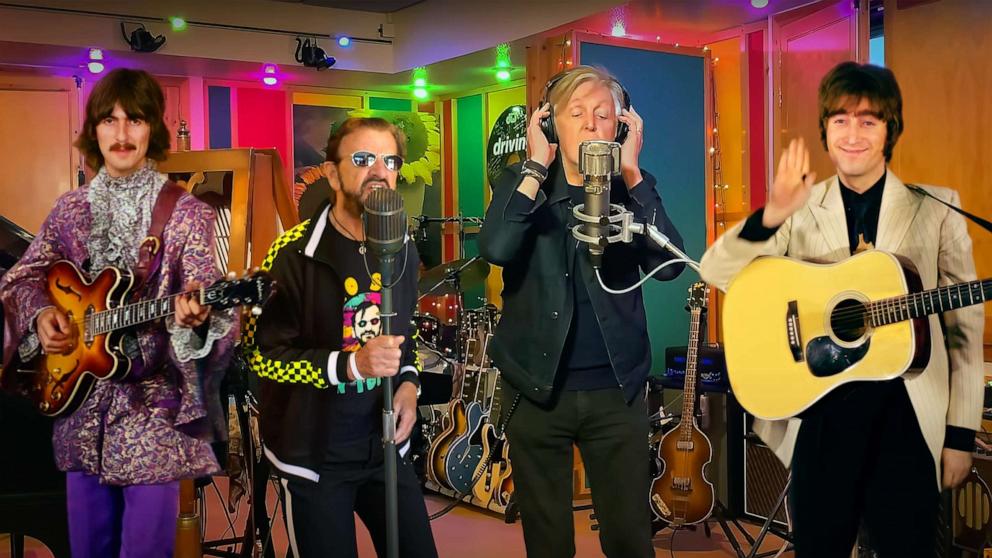
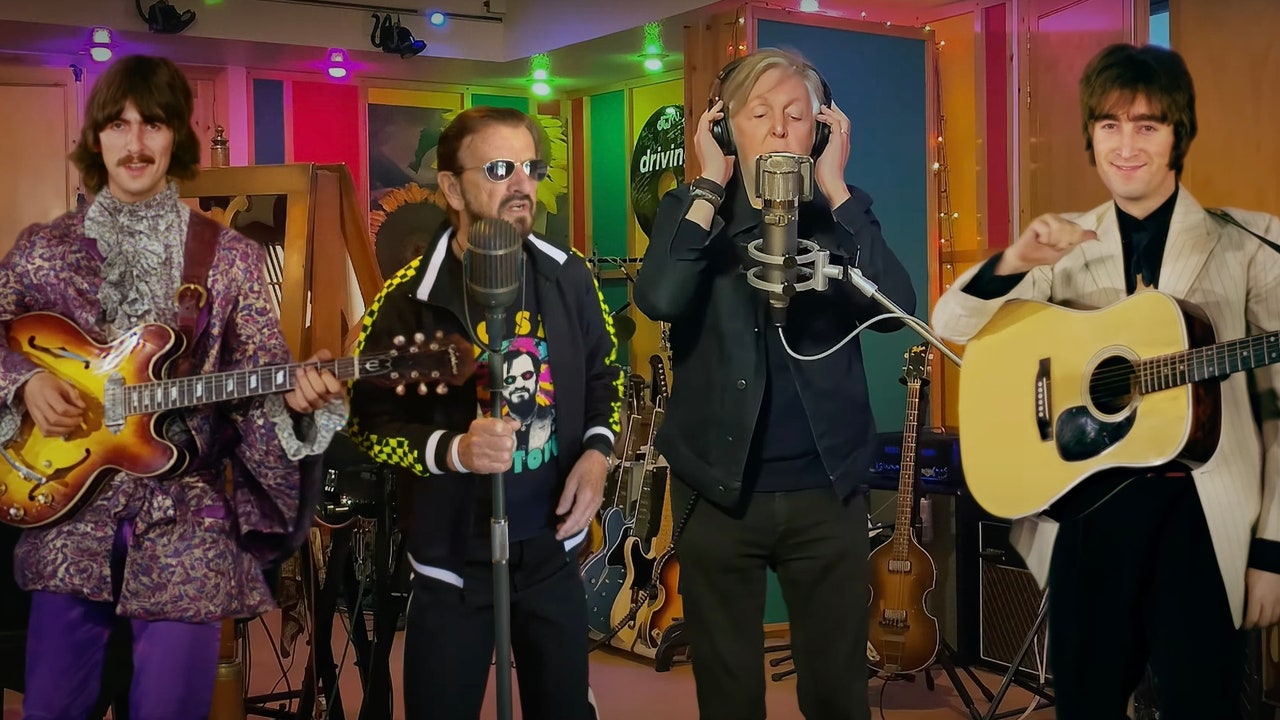
Giles Martin, son of The Beatles' producer George Martin, revealed that George Harrison wouldn't have been bothered to release the track "Now and Then" due to the poor quality of the demo. However, the release of the track was approved by George's widow Olivia and son Dhani. The music video for "Now and Then," directed by Peter Jackson, was released, featuring rare and unseen footage from the 1995 recording sessions.
The Beatles have achieved their 18th Number One single with their "final" track 'Now And Then', 60 years after their first Number One. The song, completed with the help of AI, has broken several records, including the longest gap between Number One singles and the most-streamed Beatles track in one week. It has also become the fastest-selling single and vinyl single of the year, with impressive sales figures. The release of 'Now And Then' has solidified The Beatles' status as the British act with the most Number One singles and the oldest band to score a UK Number One single.
The Beatles' newly released single, "Now and Then," debuts at No. 1 on Billboard's Digital Song Sales chart after selling 16,000 downloads in the U.S. in just one day. It also tops the Rock Digital Song Sales chart and enters other charts such as Hot Rock Songs and Hot Rock & Alternative Songs. The song marks The Beatles' first leader on each retail ranking and is their final recorded song, completed and released this year using new technology to extract John Lennon's vocals from a 1977 demo.
The Beatles' song "Now And Then" is set to reach No. 1 on the UK charts, outselling the rest of the top 5 combined, according to the Official Charts Company. If it holds its position, it will become the band's 18th chart-topper in the UK and their first in 54 years. The song, which began as a demo by John Lennon and was completed by Paul McCartney and Ringo Starr, features contributions from all four Beatles and has a lush production with a string arrangement. The closest competition is BTS star Jung Kook's "Standing Next To You," which is expected to start at No. 2.
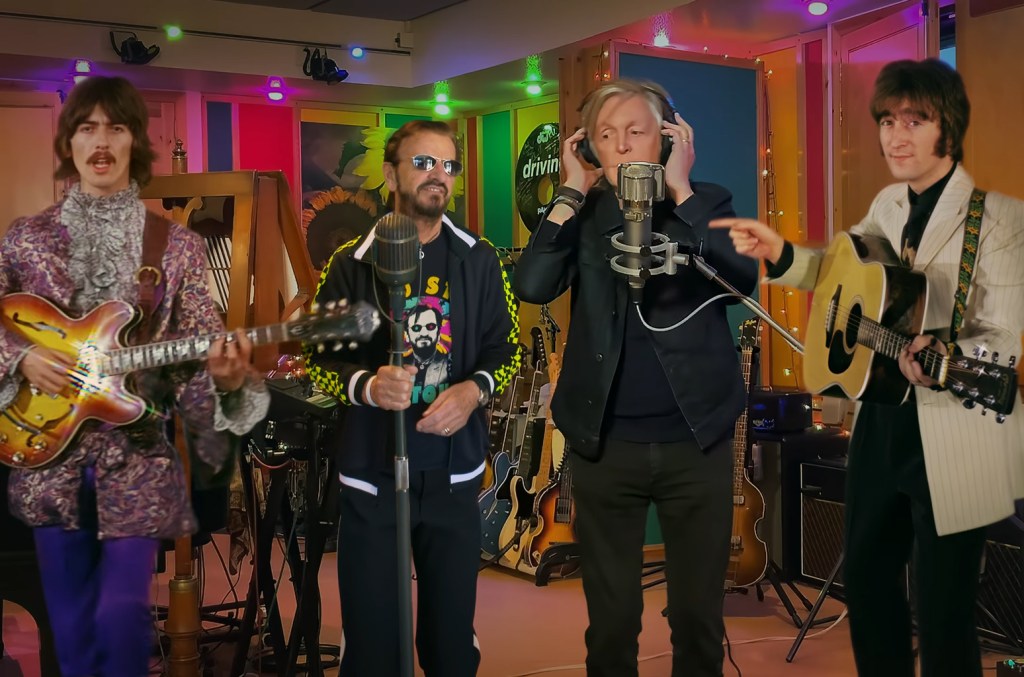
The Beatles' "last recorded" song, Now And Then, is set to become their 18th number one single in the UK, outselling the rest of the top five combined in its opening weekend. Originally written by John Lennon and developed by his bandmates, including the late George Harrison, the song was finally finished and released with the help of advanced technology. This would be The Beatles' first chart-topper in 54 years, with their last being The Ballad Of John And Yoko in 1969. The accompanying music video, directed by Peter Jackson, features archive footage of the band and new segments recorded by Sir Paul McCartney and Sir Ringo Starr.
The music video for "Now and Then," considered the last Beatles song, has been released, featuring never-before-seen archival footage of Paul McCartney, Ringo Starr, and the late John Lennon and George Harrison. Directed by Peter Jackson, his first foray into music video production, the video is described as "poignant and humorous," celebrating The Beatles' enduring love for one another. Jackson expressed the pressure he felt in creating a video for such an important project, but with the help of footage from McCartney, Starr, and others, he achieved a balance between sadness and humor, resulting in a video he is proud of.
Director Peter Jackson has created a music video for the Beatles' final song "Now and Then" with the help of AI technology. The video features rare and unseen footage from the band's recording sessions in 1995, as well as performances by Paul McCartney and Ringo Starr. Jackson aimed to capture the essence of the Beatles' irreverent and humorous spirit, while also evoking emotion through the power of the song. The video is set to be released soon.
Giles Martin, co-producer of Paul McCartney's new Beatles single "Now and Then," discusses the process of completing the track and the use of orchestral scoring. He also talks about remixing the "1962-66" and "1967-70" collections, using new technology to create stereo and Dolby Atmos mixes. Martin emphasizes the importance of honoring the band's original sound and the collaborative efforts of Paul McCartney and Ringo Starr. He also reflects on the trust and pride he feels working with McCartney and the influence of his late father, original Beatles producer George Martin.
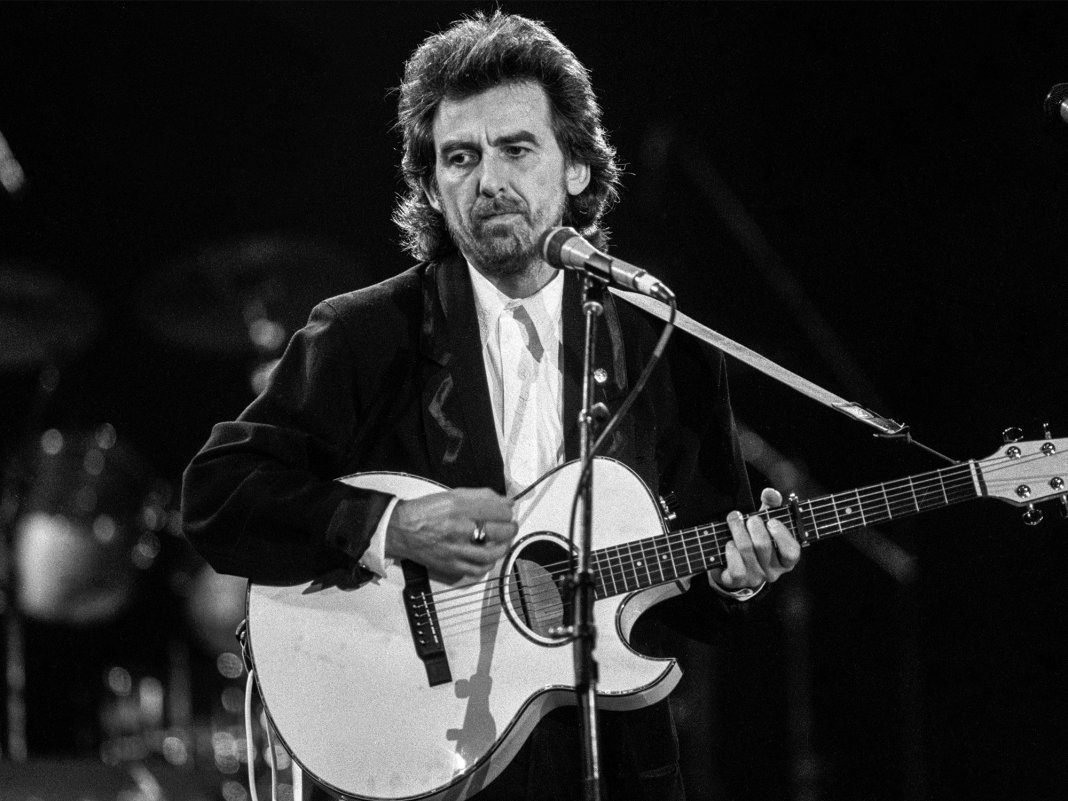
The Beatles' final single, "Now and Then," is a modest demo recorded by John Lennon in the late '70s that has been transformed into a full-band production with the help of artificial intelligence. The song, completed during the mid-'90s sessions, features a guitar part by George Harrison, who passed away in 2001. While the AI-assisted production enhances the song, it remains a heartfelt curiosity, with lyrics expressing appreciation, nostalgia, and wistfulness. Despite not living up to the band's iconic body of work, "Now and Then" serves as a four-minute closure and a reminder to cherish every Beatles moment.
The 'final' Beatles song, titled 'Now and Then,' has been created with the help of artificial intelligence (AI). The song was produced using AI algorithms that analyzed the band's existing music and created a new composition in their style. While it may not be an official release, it offers a glimpse into what a new Beatles song could sound like, showcasing the potential of AI in music production.
The Beatles have released their first "new" song since 1995, titled "Now and Then." The track was pieced together using breakthrough technology and machine learning, with Paul McCartney and Ringo Starr completing a finished version from an old lo-fi John Lennon recording. The song had been attempted in the mid-'90s but was stalled due to technical issues. The opportunity to finish it came when director Peter Jackson developed a technology for his documentary, allowing the separation of different components of music. McCartney and Starr added their parts, and the completed track features elements from Harrison's past recordings. Despite initial doubts, everyone involved is satisfied with the outcome, considering it a genuine Beatles recording.
The Beatles have released their final song, "Now and Then," featuring a previously unearthed John Lennon vocal. The track was originally shelved due to poor audio quality but was revived with the help of AI technology. Paul McCartney and Ringo Starr decided to revisit the song after being introduced to audio-enhancing technology by Peter Jackson. A music video directed by Peter Jackson will be released tomorrow.
Paul McCartney and Ringo Starr reflect on the new Beatles song "Now and Then," which features a previously recorded vocal track by the late John Lennon. The song, the first new Beatles tune since 1996, was written and recorded by Lennon in the 1970s. McCartney and Starr, along with the late George Harrison, worked to complete the song in 1995 but were unable to isolate Lennon's voice. With the help of new technology in the recent documentary "The Beatles: Get Back," McCartney and Starr were able to finish the song in 2022. The release of "Now and Then" marks a poignant tribute to Lennon and is likely the last Beatles recording.