Tag

Noto Peninsula

All articles tagged with #noto peninsula

Magnitude 5.9 Earthquake Strikes Japan's Noto Peninsula, No Tsunami Warning
natural-disasters1 year ago

Magnitude 5.9 Earthquake Strikes Japan's Noto Peninsula, No Tsunami Warning

A strong earthquake with a magnitude of 6.0 struck Japan's Noto Peninsula in Ishikawa Prefecture early Monday, causing significant tremors but no tsunami threat. The quake, which follows a powerful temblor in January, led to one serious injury and the collapse of five homes. Authorities have warned of potential aftershocks and landslides due to expected heavy rain. No abnormalities were reported at the Kashiwazaki-Kariwa Nuclear Power Plant.
"Japan Earthquake Shifts Coastline 820 Feet, Doubles Emergency Budget for Relief"
natural-disasters2 years ago

"Japan Earthquake Shifts Coastline 820 Feet, Doubles Emergency Budget for Relief"

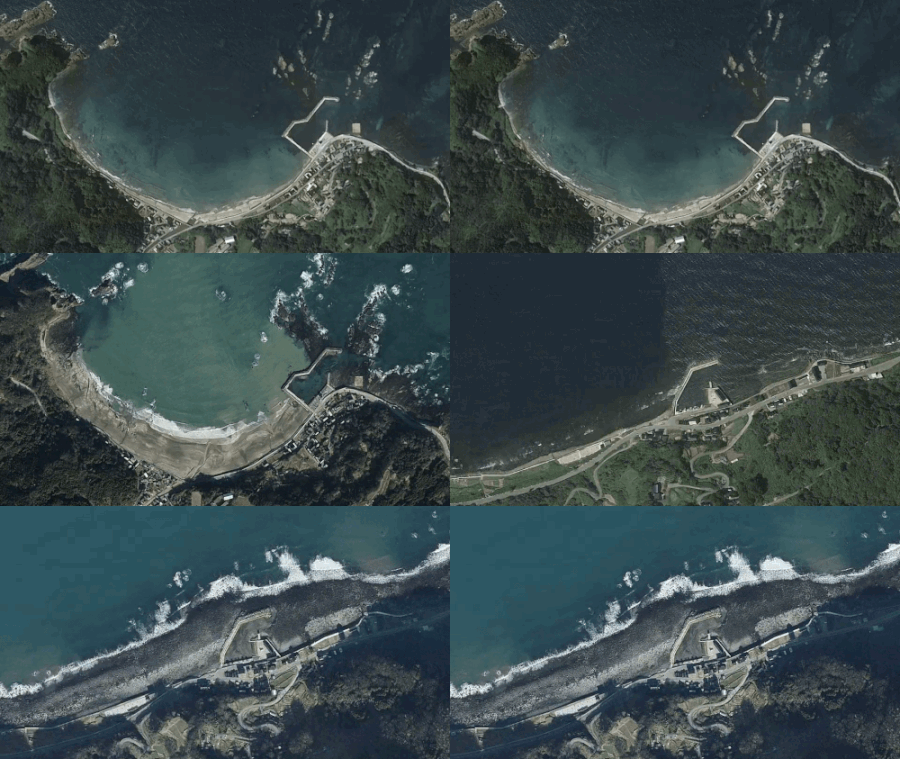
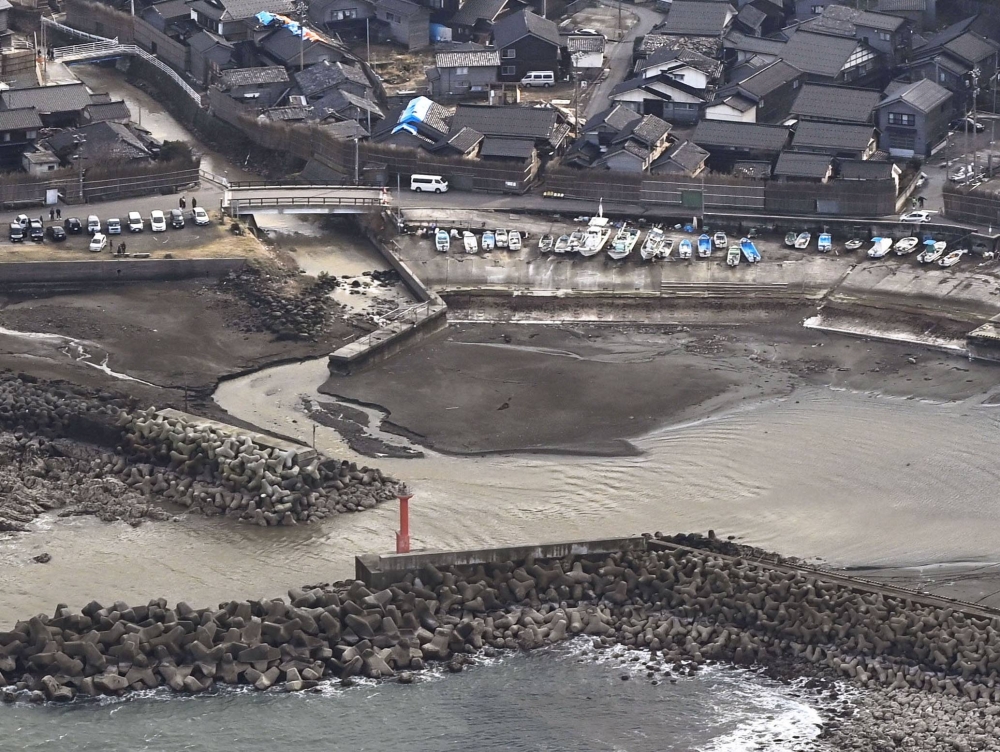
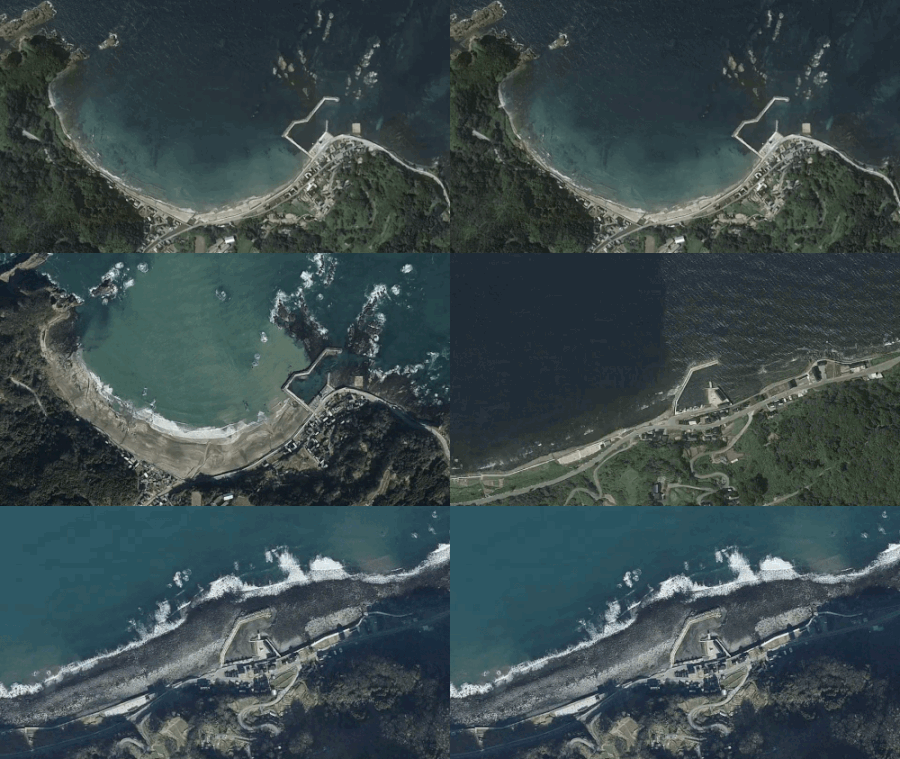
A 7.6 magnitude earthquake on New Year's Day in Japan caused the coastline to shift by as much as 820 feet in some areas, leading to significant uplift and the emergence of previously underwater seafloor above water, creating new beaches and leaving some ports dry. Researchers and satellite images have documented the coastal changes, with evidence of coseismic uplift along the Noto Peninsula.

"Japan's Coastline Shifts 800 Feet After Devastating January 1 Earthquake, Prompting Increased Relief Efforts"
natural-disasters2 years ago

"Japan's Coastline Shifts 800 Feet After Devastating January 1 Earthquake, Prompting Increased Relief Efforts"

A 7.6 magnitude earthquake on Jan. 1 in Japan's Noto Peninsula caused significant uplift, moving the coastline by up to 820 feet and creating newly exposed beaches. Satellite images and field investigations revealed the extent of the coastal changes, with some ports left dry and inaccessible to boats. The earthquake also caused nearly 14-foot-high tsunamis in certain areas. Ongoing investigations are being conducted to further understand the impact of the earthquake on the region.

"Unprecedented Shift: Japan's 2024 Earthquake and Ongoing Recovery Challenges"
natural-disasters2 years ago

"Unprecedented Shift: Japan's 2024 Earthquake and Ongoing Recovery Challenges"

A 7.6-magnitude earthquake on Jan. 1, 2024, caused significant uplift in coastal areas of Japan's Noto Peninsula, shifting the coastline by up to 820 feet. Satellite images show the intense uplift, creating newly exposed beaches and leaving some ports dry and inaccessible to boats. Researchers found evidence of coseismic coastal uplift at 10 locations and reported nearly 14-foot-high tsunamis near Akasaki port. The Japan Aerospace Exploration Agency's satellite also captured the coastal uplift, and investigations along the coast are ongoing.

"Long-Dormant Faults Trigger Ishikawa Earthquake, Hampering Recovery Efforts in Japan"
natural-disasters2 years ago

"Long-Dormant Faults Trigger Ishikawa Earthquake, Hampering Recovery Efforts in Japan"

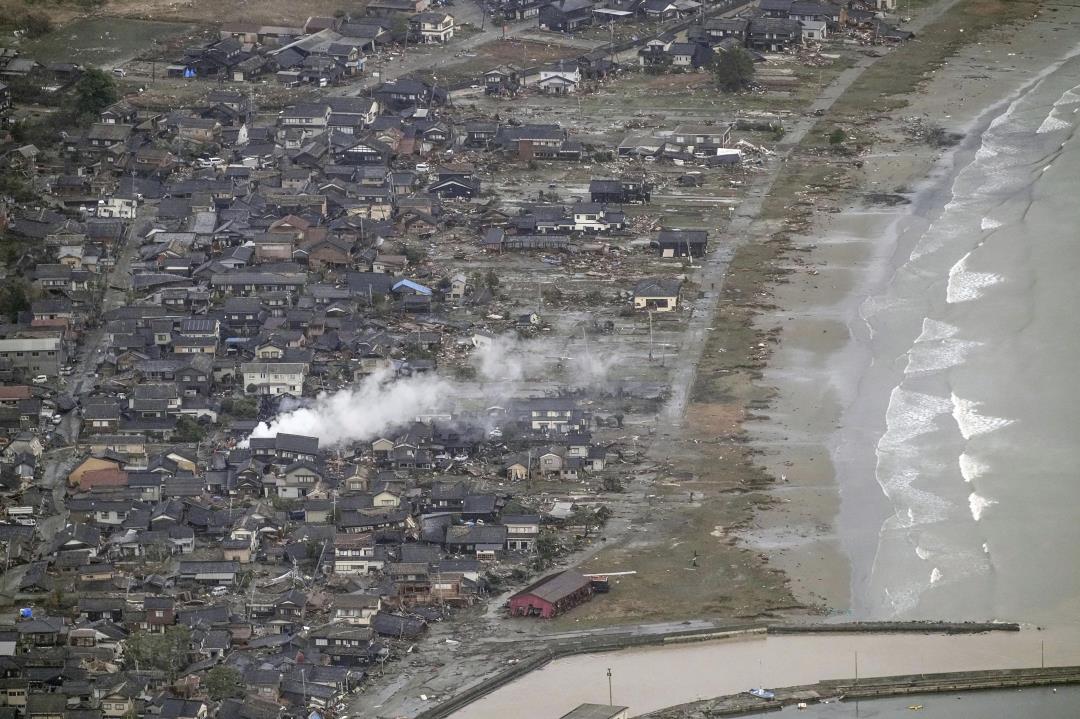
Japanese experts have determined that the magnitude 7.6 earthquake that struck Ishikawa Prefecture's Noto Peninsula on New Year’s Day was caused by the movement of active faults in the sea that had been dormant for 3,000 to 4,000 years, resulting in a tsunami. The slipping of a belt of active faults on the Noto Peninsula and the Sea of Japan explained the seismic intensity and the tsunami, with a group of faults stretching over 100 kilometers.

"Unleashing Destruction: Magma's Path through Extinct Volcano Triggers Deadly Earthquake Swarm in Japan"
earth-science2 years ago

"Unleashing Destruction: Magma's Path through Extinct Volcano Triggers Deadly Earthquake Swarm in Japan"

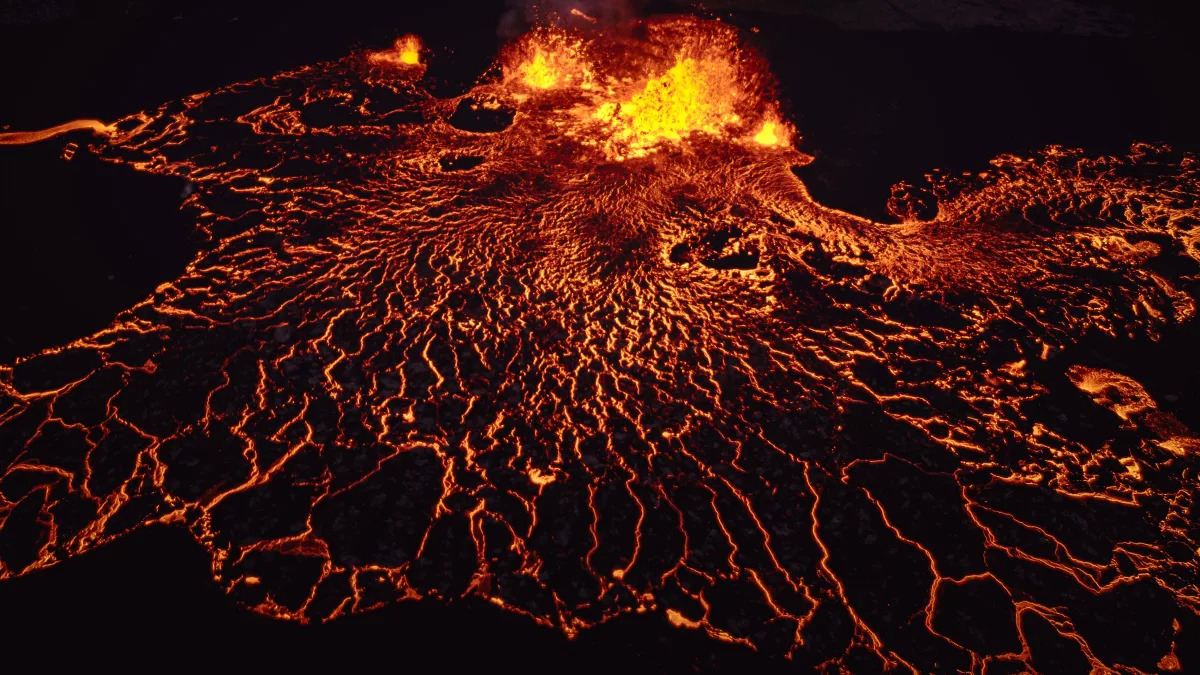
A swarm of earthquakes that has been occurring in Japan's Noto Peninsula for three years is believed to be caused by liquid magma moving through an extinct, collapsed volcano. The earthquakes, which have included a magnitude 6.5 quake that caused one death, are occurring in a pattern consistent with fluid ascending through a network of faults. The epicenters of the quakes suggest the presence of an ancient, collapsed caldera. The researchers are now studying the transition from small quakes to larger ones and investigating the fluid and aseismic slip conditions prior to the magnitude 6.5 earthquake.