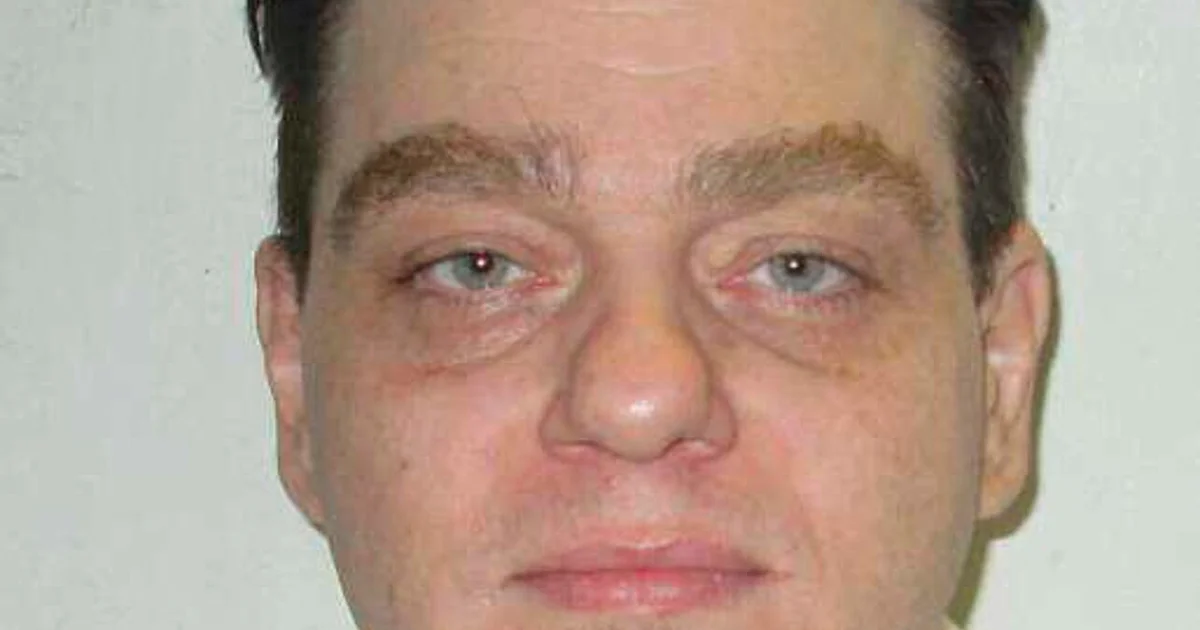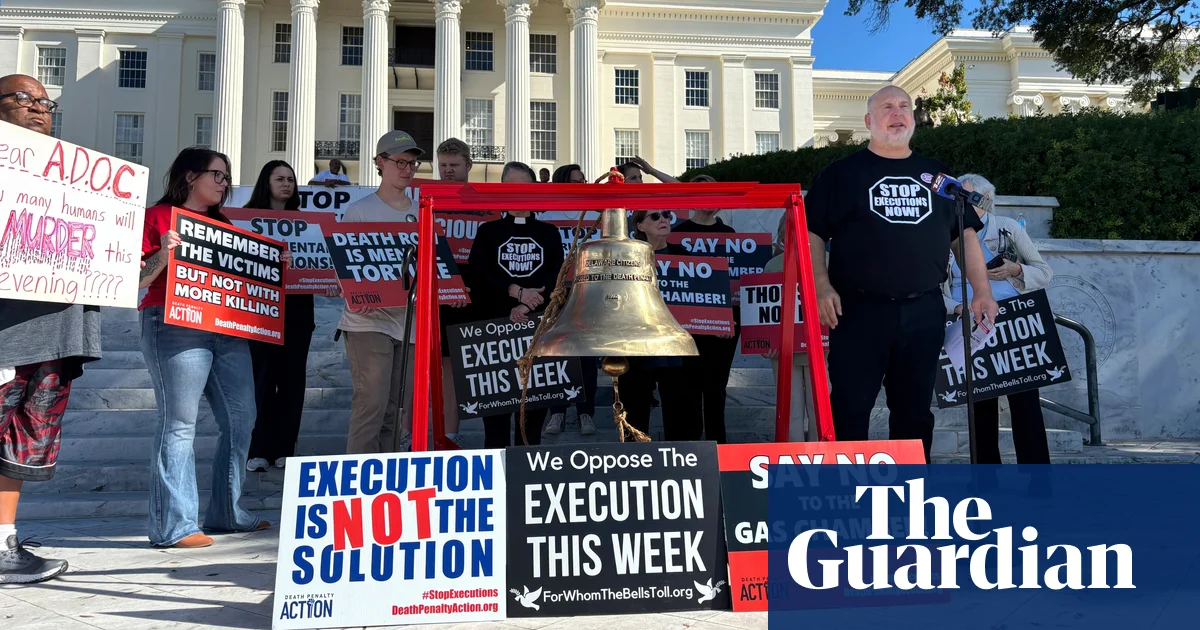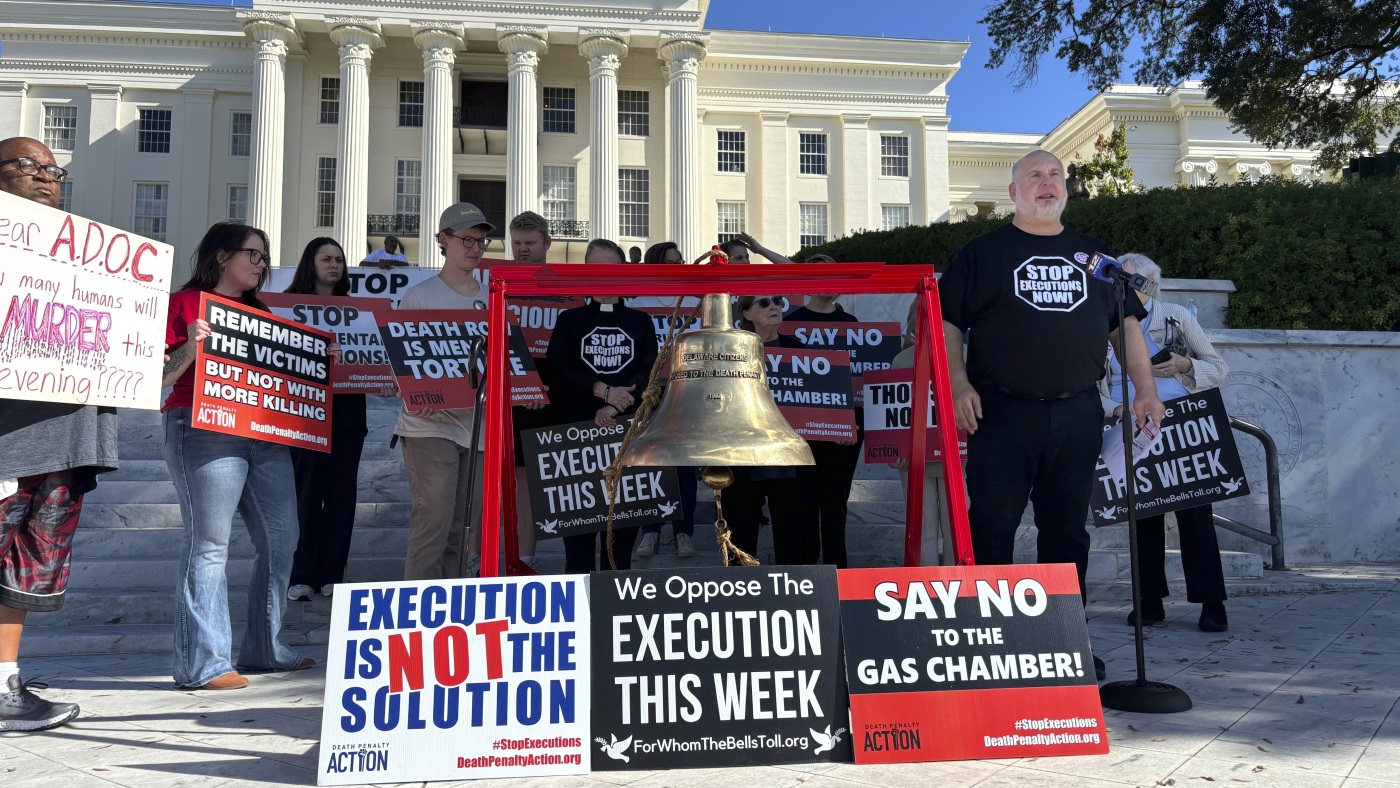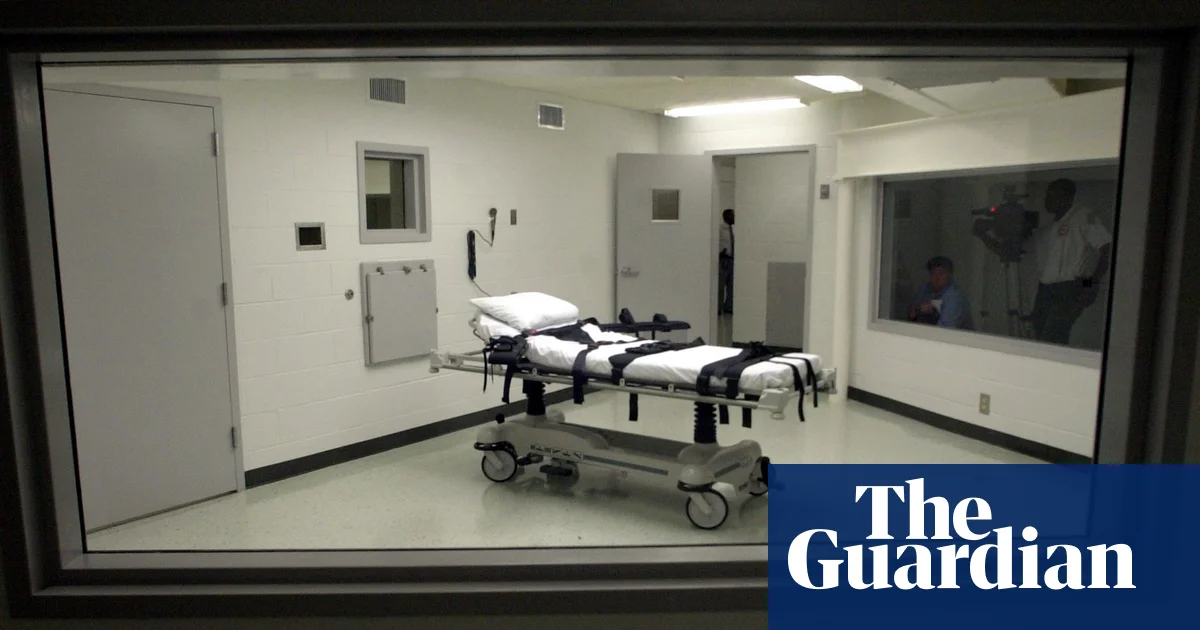
Anthony Boyd was executed by nitrogen gas in Alabama for a 1993 murder, using a method that has faced criticism for potential cruelty. During his final moments, Boyd proclaimed his innocence and called for justice reform, while witnesses and officials debated the humaneness of the procedure. The case highlights ongoing legal and ethical debates surrounding the use of nitrogen gas for executions.
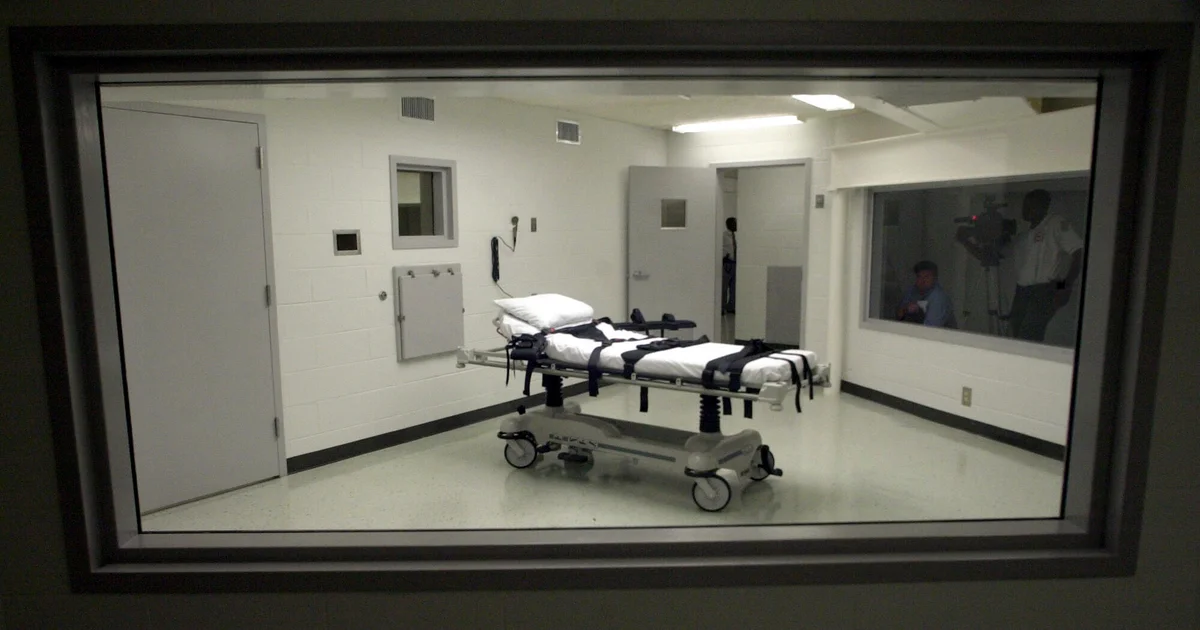
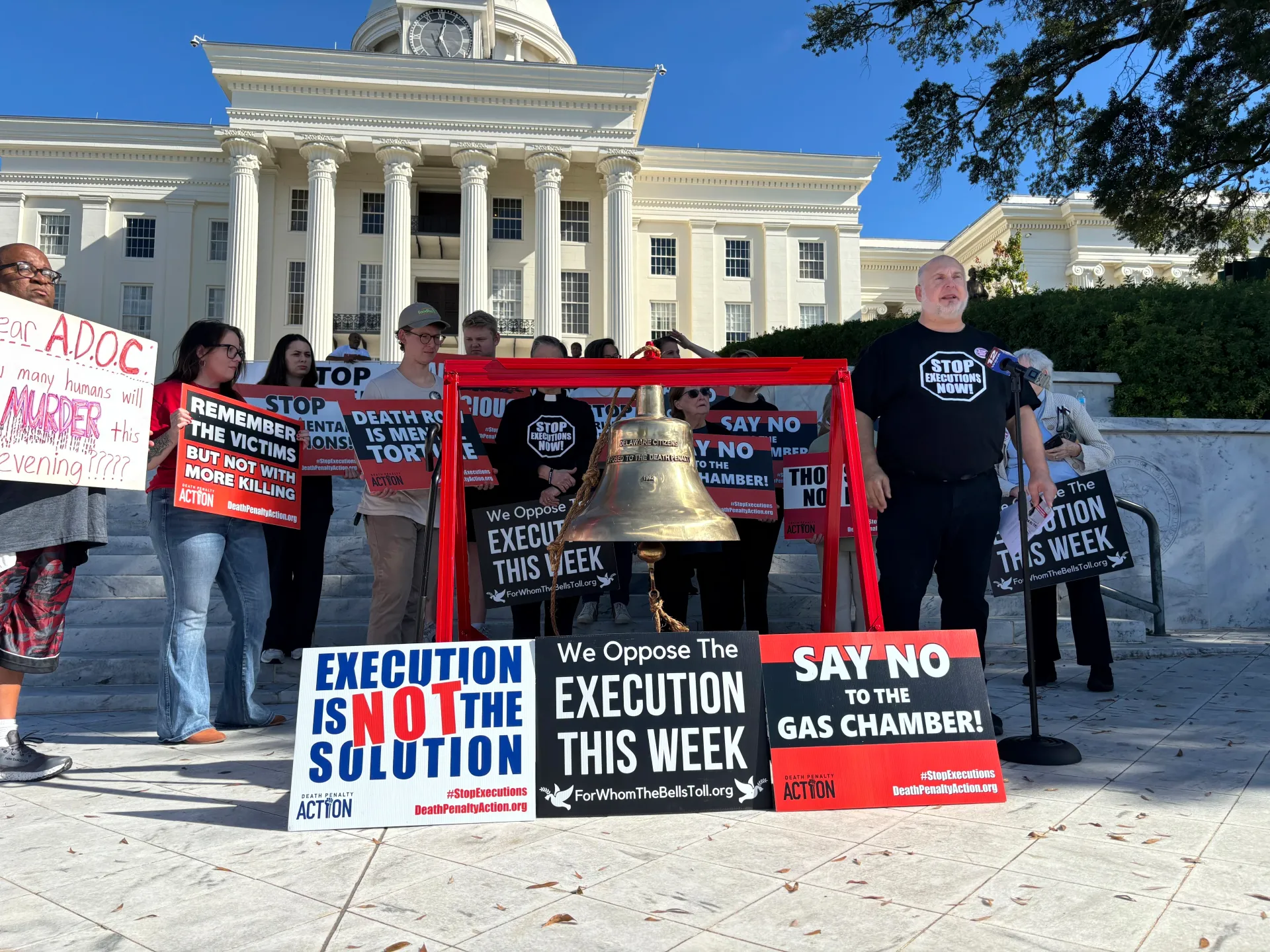
Anthony Boyd, an Alabama inmate scheduled for execution by nitrogen hypoxia, requested a meeting with Governor Kay Ivey to discuss his innocence before his execution, which is set for later today. Boyd maintains his innocence in a 1993 murder, but the state has not halted the execution, and legal challenges against the nitrogen method have been rejected.
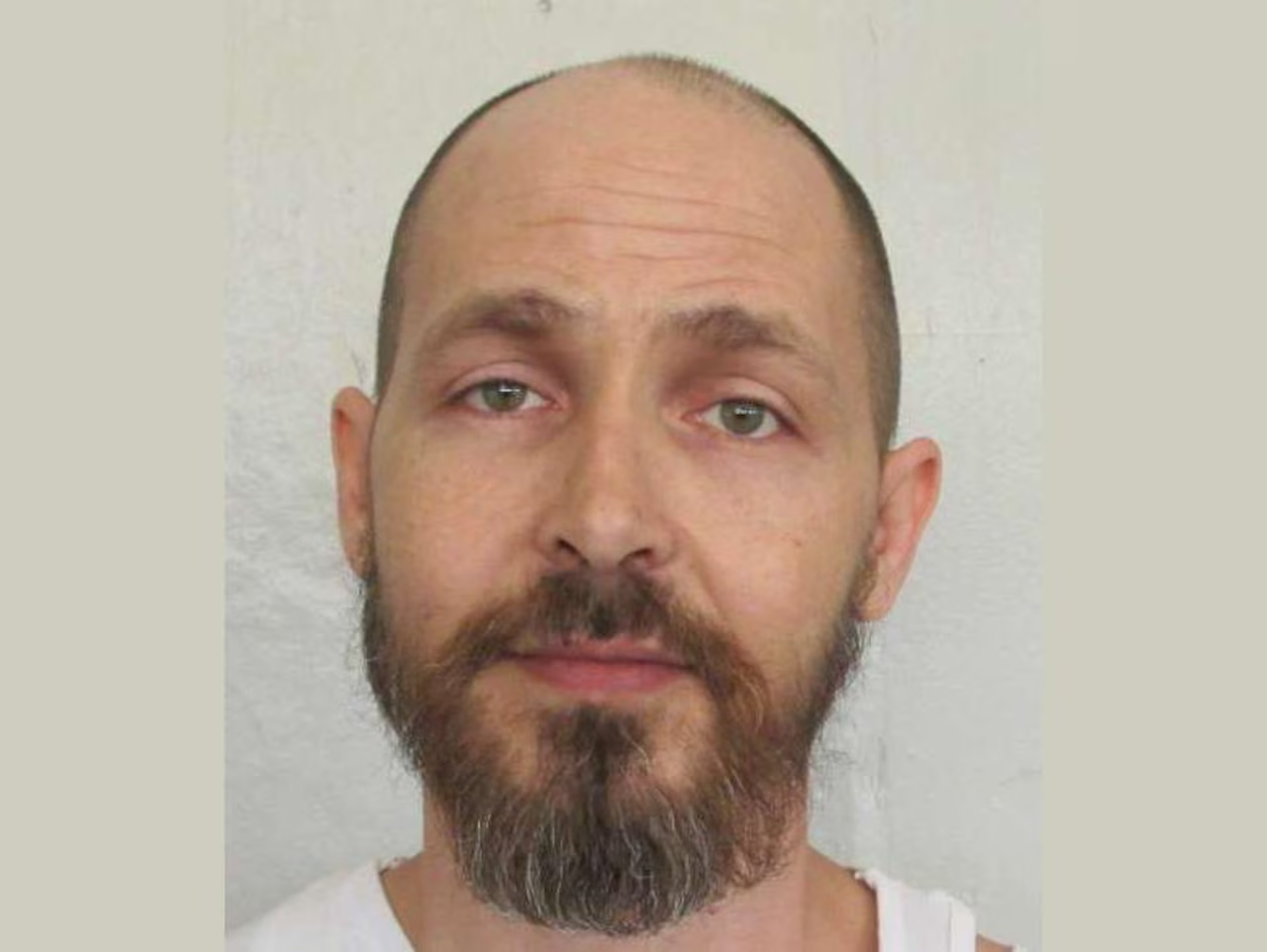
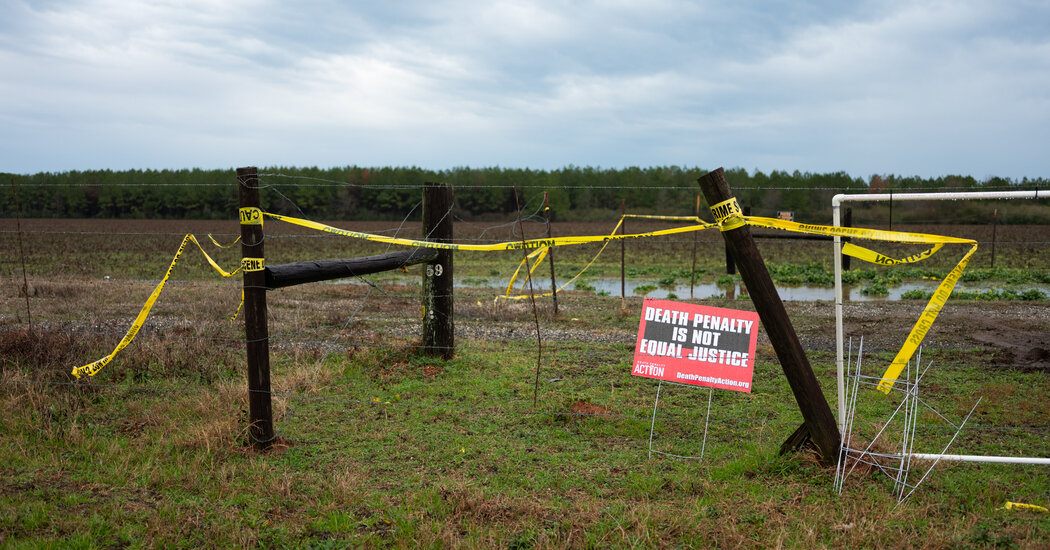
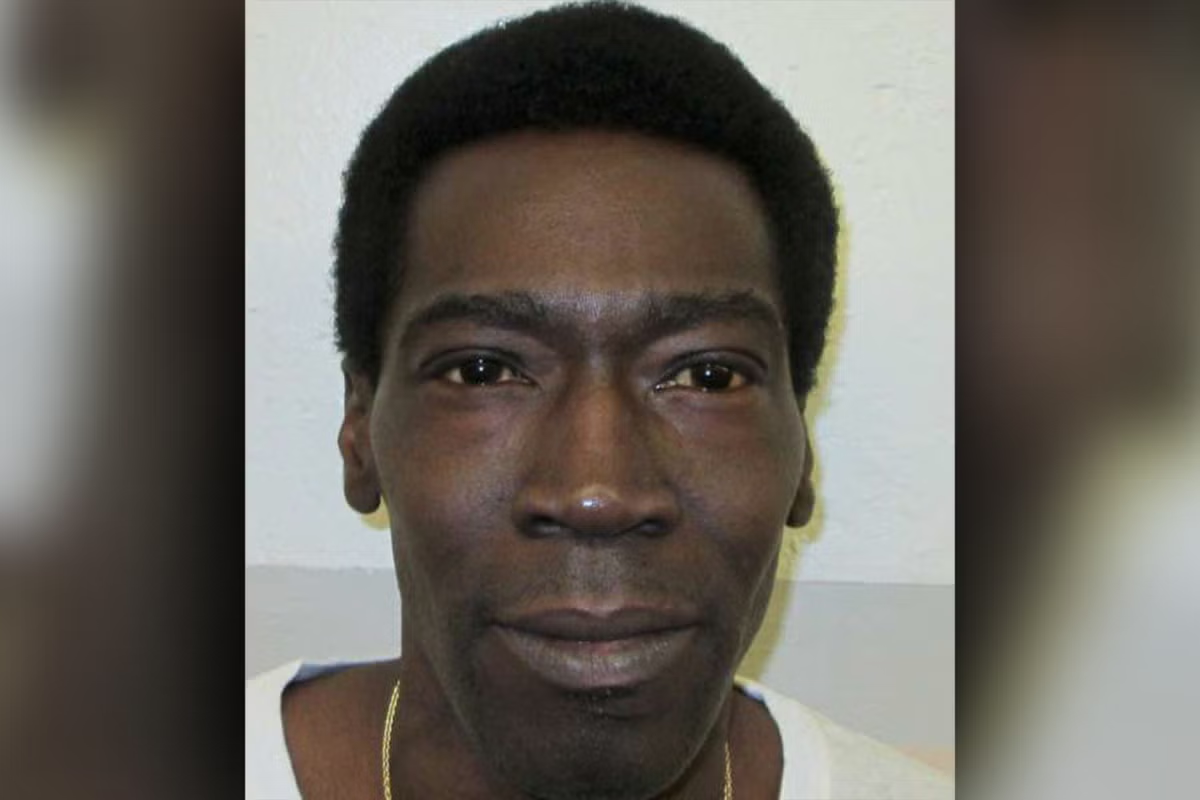
Anthony Boyd, an Alabama inmate scheduled for execution by nitrogen gas, maintains his innocence in a 1993 murder case, with family and supporters pleading for clemency. Boyd, on death row since 1995, argues he did not participate in the murder, and his case has been litigated for decades. The new nitrogen execution method has raised concerns about its humaneness, with witnesses describing prolonged suffering. Boyd, also an anti-death penalty advocate, hopes to shed light on the realities of death row inmates.
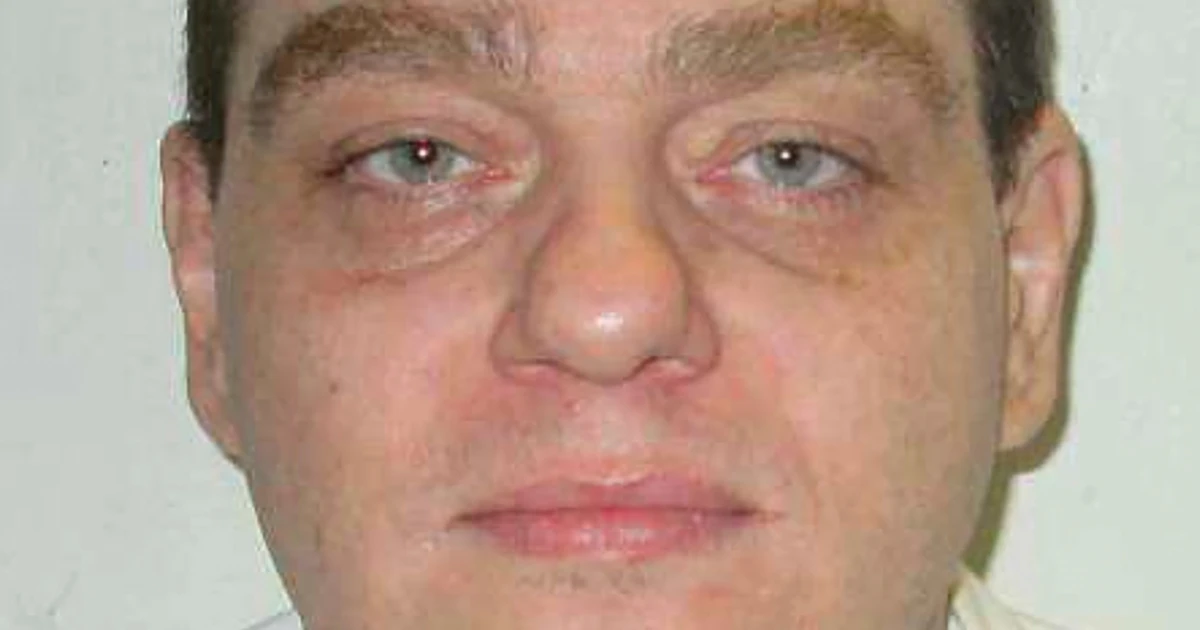
An Alabama man, Geoffrey West, was executed by nitrogen gas for the 1997 murder of a store clerk, Margaret Berry, during a robbery. West expressed remorse and forgiveness to the victim's family, while the family and governor upheld the execution, highlighting ongoing debates about justice and redemption. The use of nitrogen gas as an execution method continues to be employed in Alabama.
Alabama is set to execute Geoffrey Todd West, convicted of a 1997 murder during a gas station robbery, using nitrogen gas, marking the state's latest use of this method. Despite pleas for clemency from the victim's family and forgiveness from the victim's son, the governor has upheld the law, and the execution is scheduled for Thursday night.
Alabama is set to execute Geoffrey West, convicted of a 1997 murder during a gas station robbery, using nitrogen gas, marking the nation's latest use of this method. Despite pleas for mercy and forgiveness from the victim's family, the governor has upheld the law, and the execution is scheduled for Thursday night.
Carey Dale Grayson was executed in Alabama using nitrogen gas, marking the state's third use of this controversial method. Grayson, convicted of a 1994 murder, showed visible distress during the execution, which has been criticized by human rights groups. The victim's daughter opposed the execution, calling for an end to capital punishment. Alabama remains the only state using nitrogen gas for executions, a method banned for animals in many places. The execution proceeded after the US Supreme Court denied a stay request.
Alabama executed Carey Dale Grayson using nitrogen gas, marking the third such execution in the U.S. Grayson, convicted of a 1994 murder, was executed at the William C. Holman Correctional Facility. The method involves replacing breathable air with nitrogen, causing death by lack of oxygen. The execution sparked controversy, with the victim's daughter opposing the death penalty and highlighting Grayson's troubled past. Alabama is the only state to have used nitrogen hypoxia for executions, despite concerns about its humaneness.
Alabama executed Carey Grayson using nitrogen gas, marking the third such execution in the state this year. Grayson was convicted of the 1994 murder of Vickie Lynn Deblieux. The US Supreme Court denied a stay of execution, despite arguments that nitrogen asphyxiation is cruel and unusual punishment. Alabama is the only US state using this controversial method, which has been criticized by human rights experts and the UN. Grayson's execution has reignited debates over the death penalty and humane methods of execution.
Alabama executed Carey Dale Grayson using nitrogen gas for the 1994 murder of Vicki Lynn Deblieux, marking the state's sixth execution in 2024 and the third nitrogen gas execution in the U.S. Grayson, who was convicted alongside three other teenagers, expressed remorse before his death. The execution has sparked debate over the use of nitrogen gas and the ethics of the death penalty, with Deblieux's daughter opposing the execution despite the crime's brutality. The U.S. Supreme Court had denied Grayson's appeal to halt the execution.
Alabama is set to execute Carey Dale Grayson using nitrogen gas, a controversial method criticized for causing visible distress in previous executions. This will be the state's third execution using nitrogen, despite international condemnation and concerns from human rights groups. Grayson was convicted for a 1994 murder, and his lawyers argue that the method causes "conscious suffocation," violating state and constitutional laws. The US Supreme Court has denied a stay of execution.
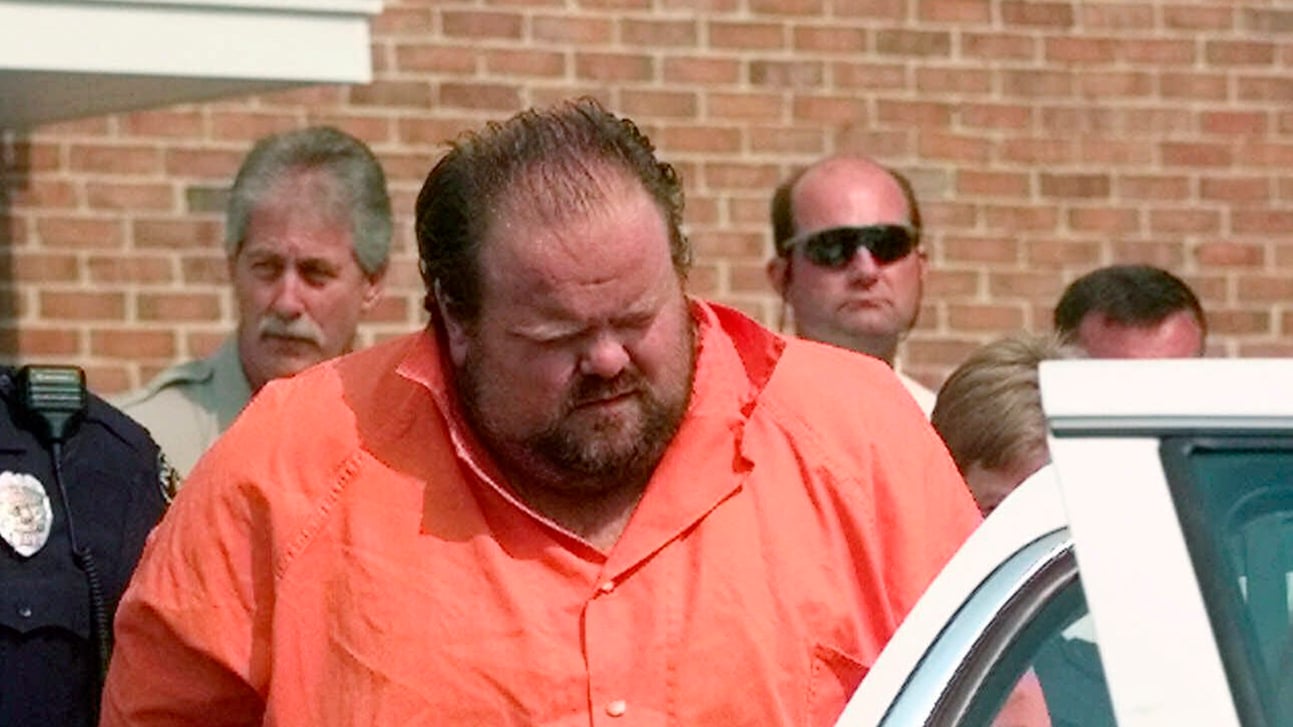
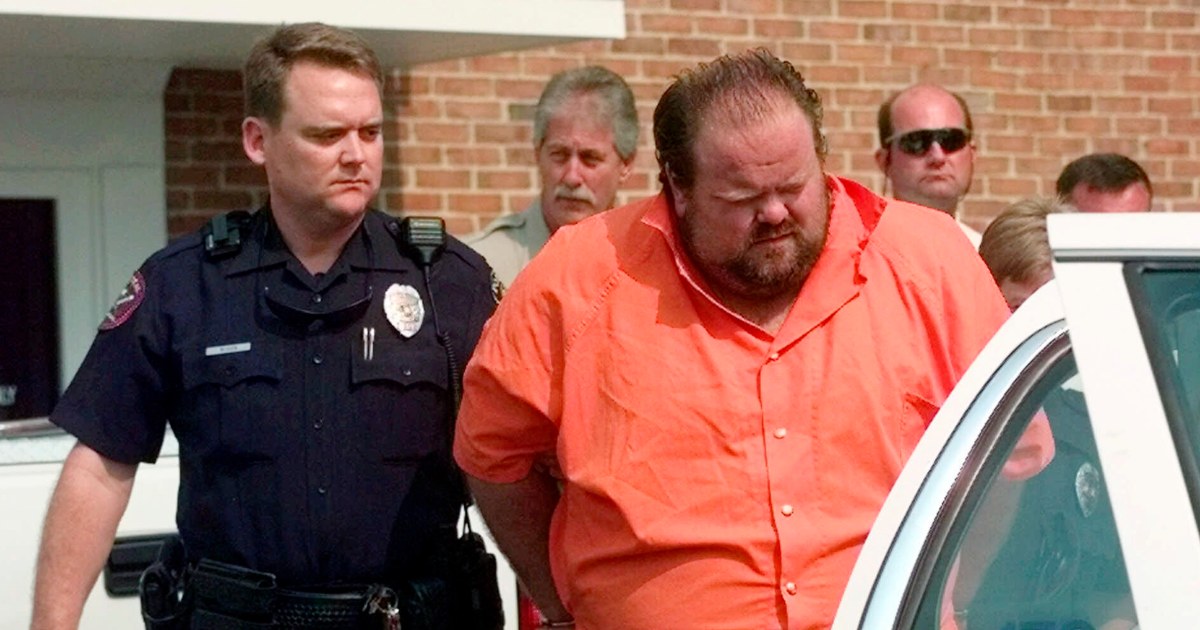
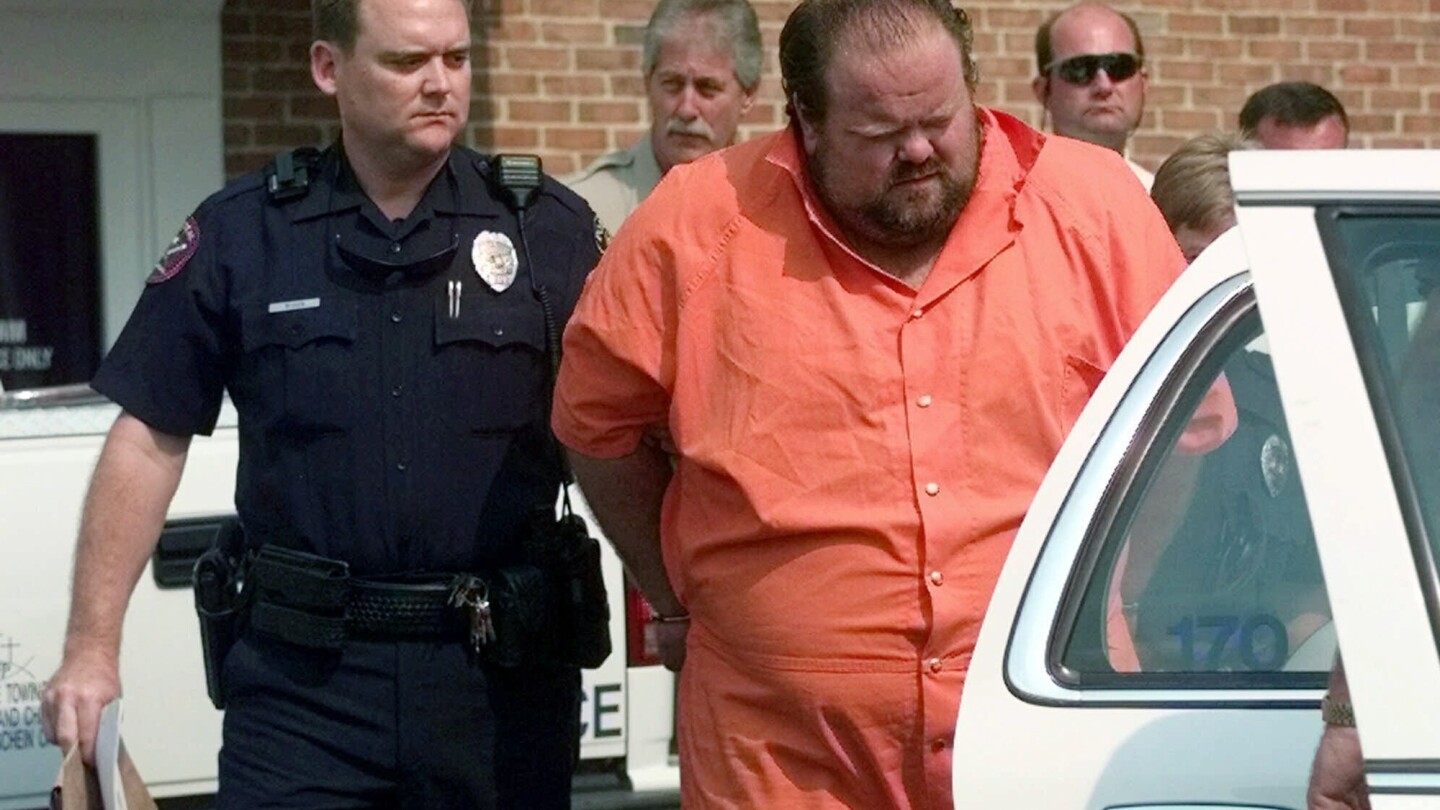
Alabama seeks to carry out a second execution using nitrogen gas, requesting the state Supreme Court to set an execution date for Alan Eugene Miller, convicted of killing three people in 1999. This move follows the state's first execution using nitrogen, which sparked controversy as the inmate convulsed during the process. Advocates argue that the method is agonizing and painful, while the state attorney general maintains that it is a proven execution method. Miller, who survived a previous lethal injection attempt, is now slated for execution by nitrogen gas after an agreement with the state.
Alabama seeks to carry out its second execution using nitrogen gas, requesting an execution date for Alan Eugene Miller, who was convicted of killing three people in 1999. This move comes after the state's first execution using nitrogen gas was met with controversy, with advocates claiming it was a botched "human experiment." Miller, who survived a previous lethal injection attempt, struck an agreement with the state that any future execution attempts would be done with nitrogen gas. Alabama Attorney General Steve Marshall maintains that nitrogen gas is a proven method of execution, despite the legal battle and differing accounts of the first execution.
Alabama seeks to carry out a second execution using nitrogen gas, requesting an execution date for Alan Eugene Miller, who was convicted of killing three people in 1999. This move follows the state's first execution using nitrogen, which sparked controversy as the inmate convulsed during the process. Advocates argue that the method is agonizing and painful, while the state attorney general maintains that it is a proven execution method. Miller, who survived a previous lethal injection attempt, has an agreement with the state that any future execution attempts will be done with nitrogen gas.
Alabama's first execution using nitrogen gas did not go as planned, with witnesses describing a disturbing scene as the condemned man, Kenneth Smith, remained conscious for several minutes. Smith, convicted of murder in 1988, had previously survived a failed execution attempt. The use of nitrogen gas as an alternative to lethal injection has sparked controversy and raised questions about its effectiveness.