The chaos in college football, driven by NIL deals, transfer issues, and lack of player rights, highlights the need for a players' union and a structured system similar to the NFL, which would require Congress to grant an antitrust exemption to establish clear rules and improve player protections.
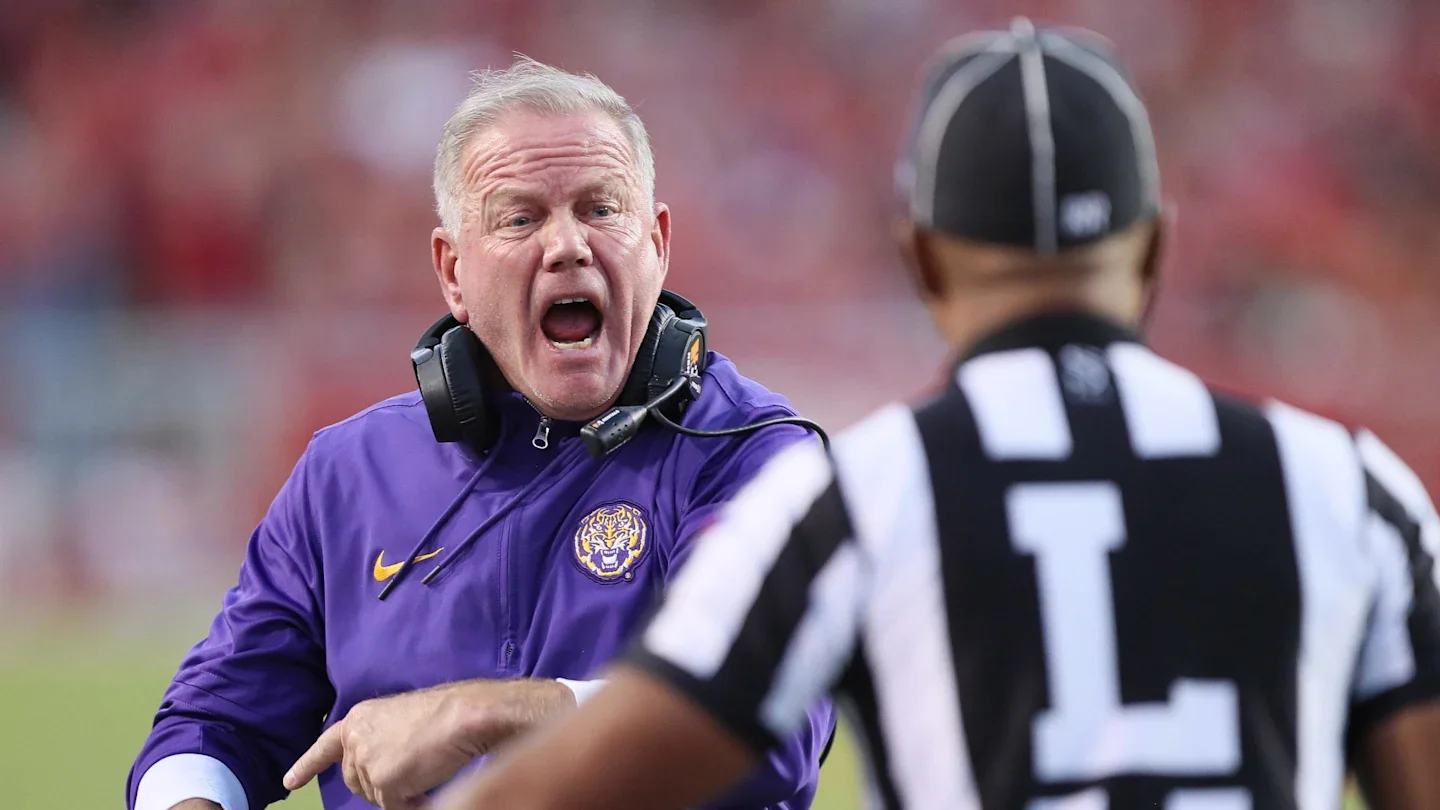
The article discusses the chaotic and costly cycle of coaching changes in college football, highlighting how massive buyouts and bidding wars are straining athletic department budgets, especially affecting revenue-sharing and other sports like basketball, with schools facing tough choices about resource allocation amid uncertain enforcement of spending caps.
The College Sports Commission corrected a data reporting error, revealing that it overstated the value of cleared NIL deals by over $44 million, with actual cleared deals totaling $35.42 million out of 6,090 approved, highlighting the challenges of managing athlete endorsement deals.
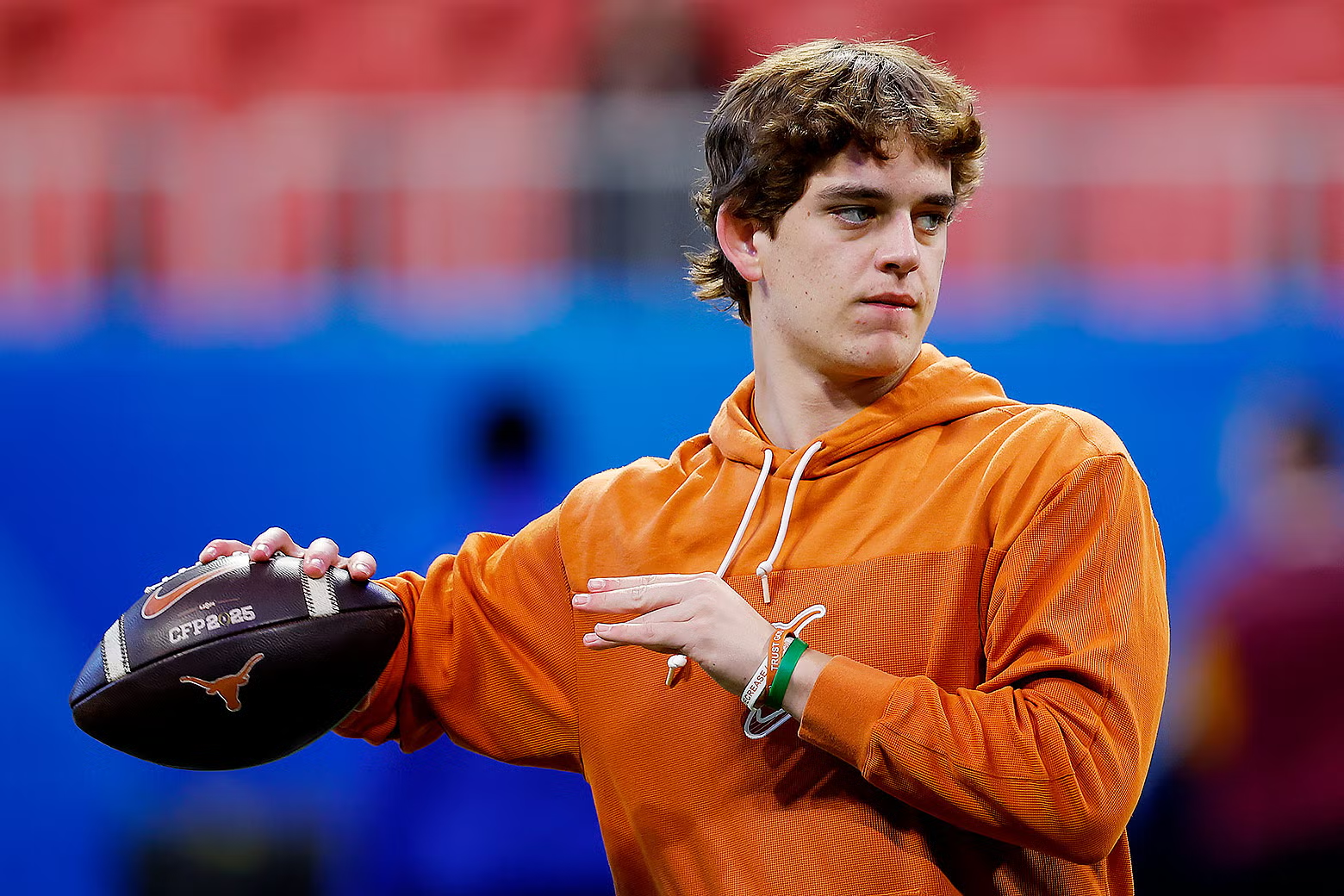
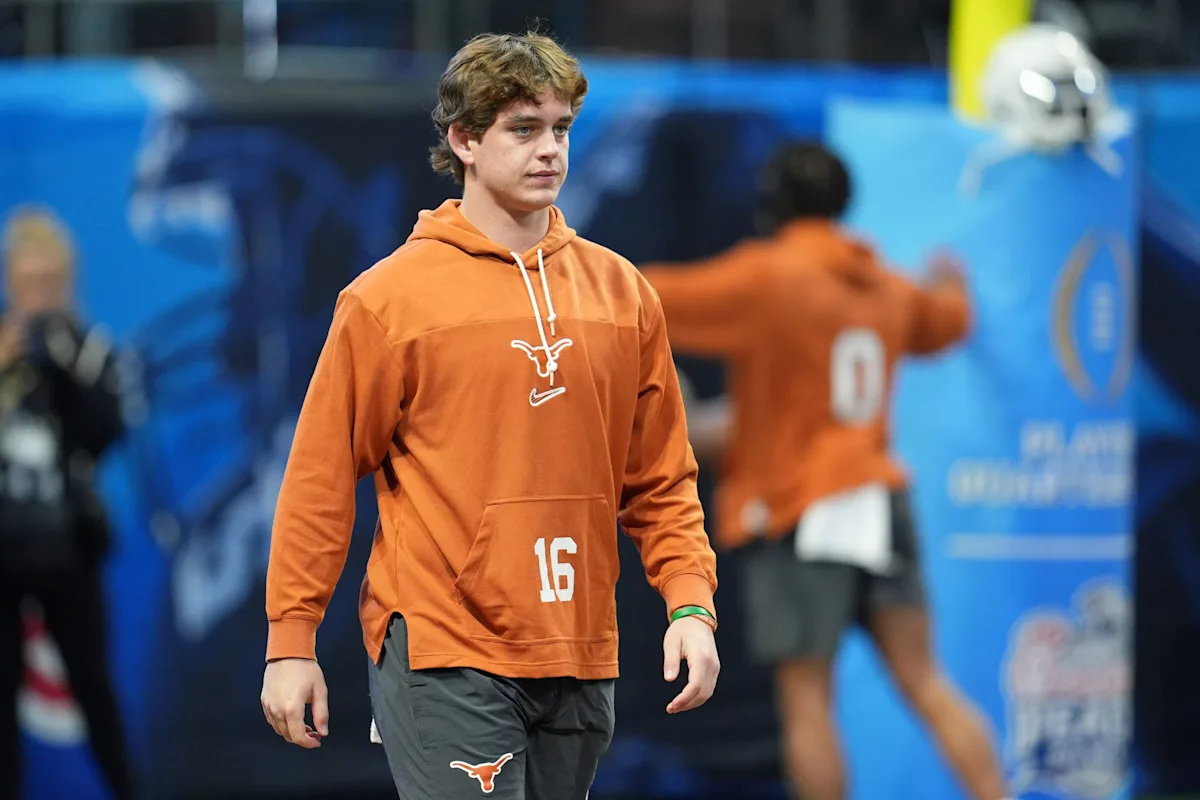
Arch Manning, the highly hyped college quarterback and member of the Manning family, is set to start for No. 1 Texas against Ohio State in a historic Week 1 game, marking a significant moment in college football. Despite immense pressure and expectations, Manning's career has been managed more like traditional elite prospects from the past, benefiting from the current favorable environment for college athletes' rights and endorsements. His performance in this high-stakes game will be a key indicator of his potential at the next level.
Arch Manning's grandfather has stated that Manning will likely stay at Texas for the 2026 season instead of entering the NFL early, despite high draft expectations, due to his NIL earnings, family preferences, and the opportunity to compete for another national championship.
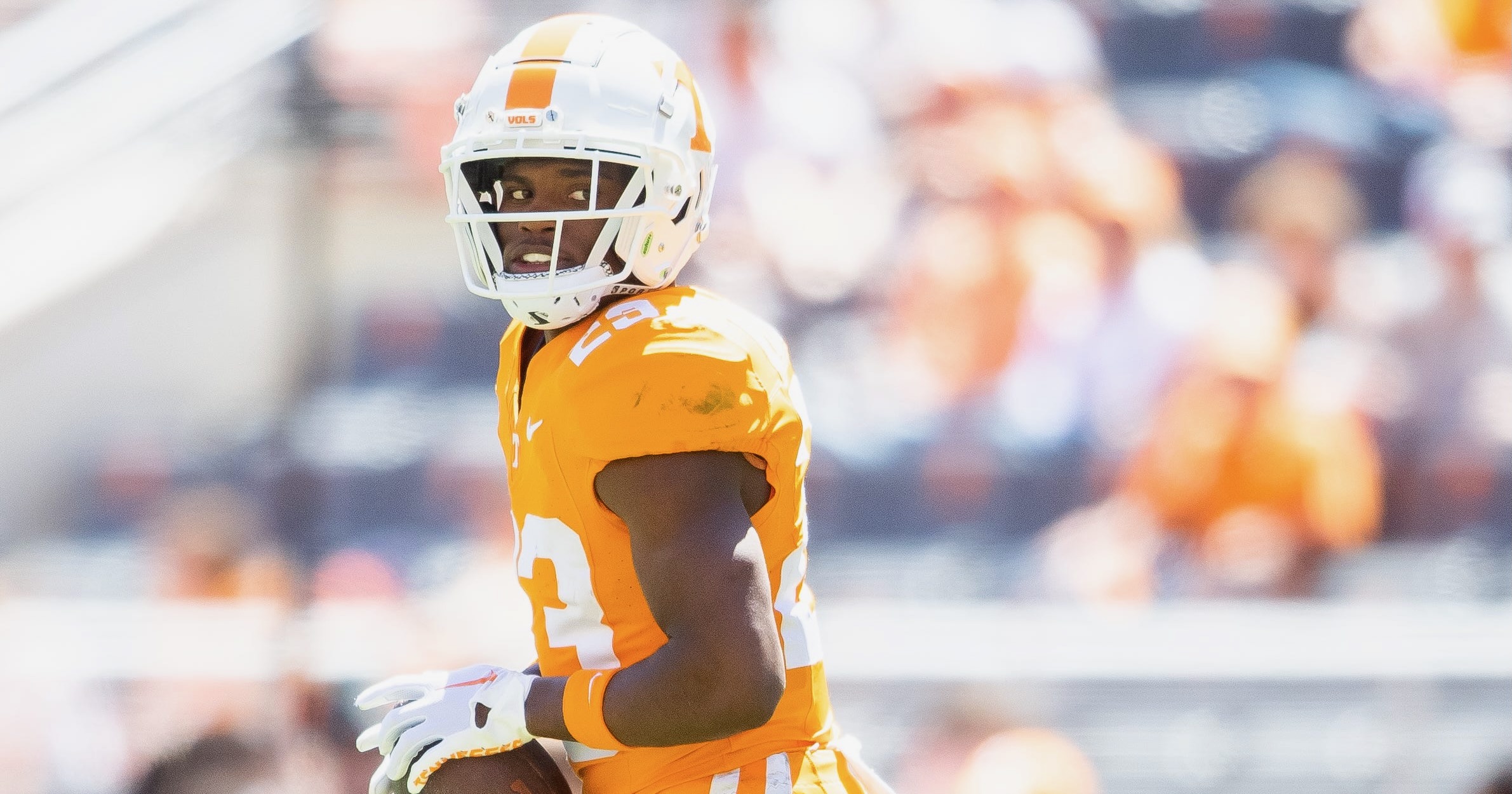
Boo Carter will remain with the Tennessee football team despite recent missed activities and transfer rumors, with coach Josh Heupel affirming his continued role on the team. Carter, a highly regarded sophomore and All-SEC Freshman, had a strong debut season and is expected to contribute significantly in 2025, amidst other personnel challenges like quarterback Nico Iamaleava's transfer.
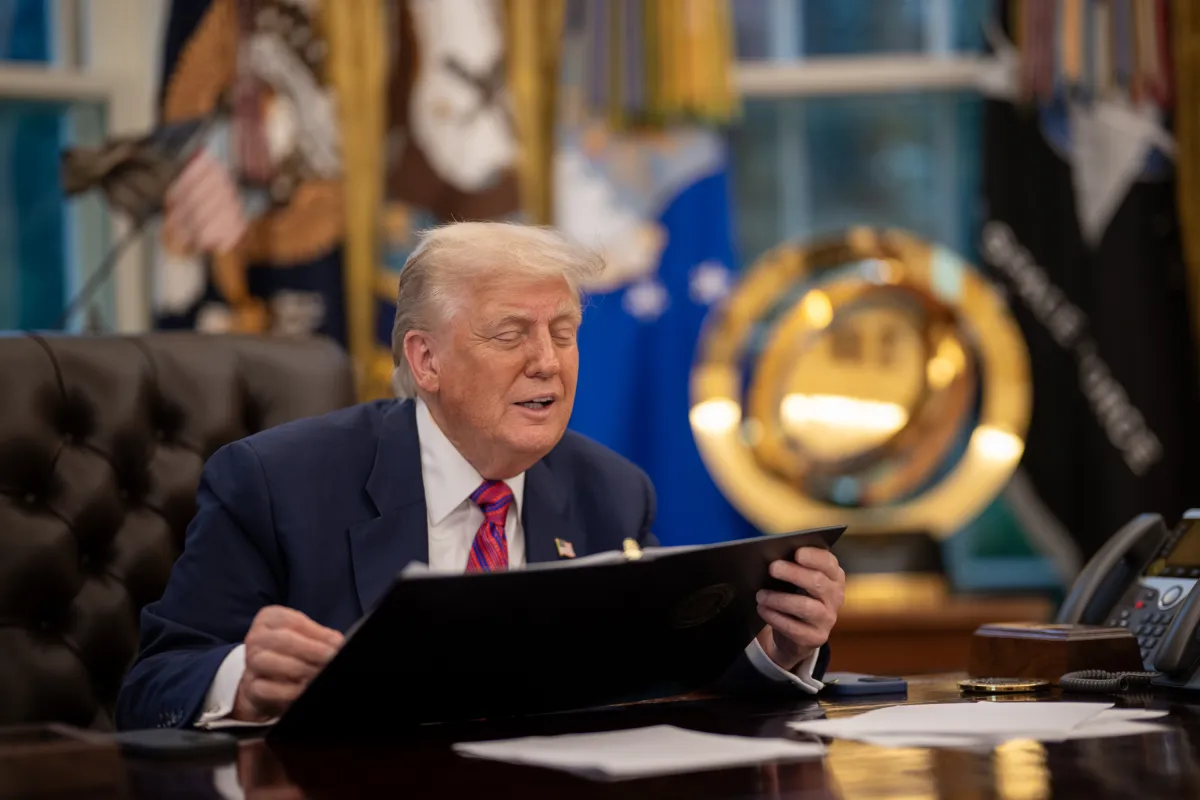
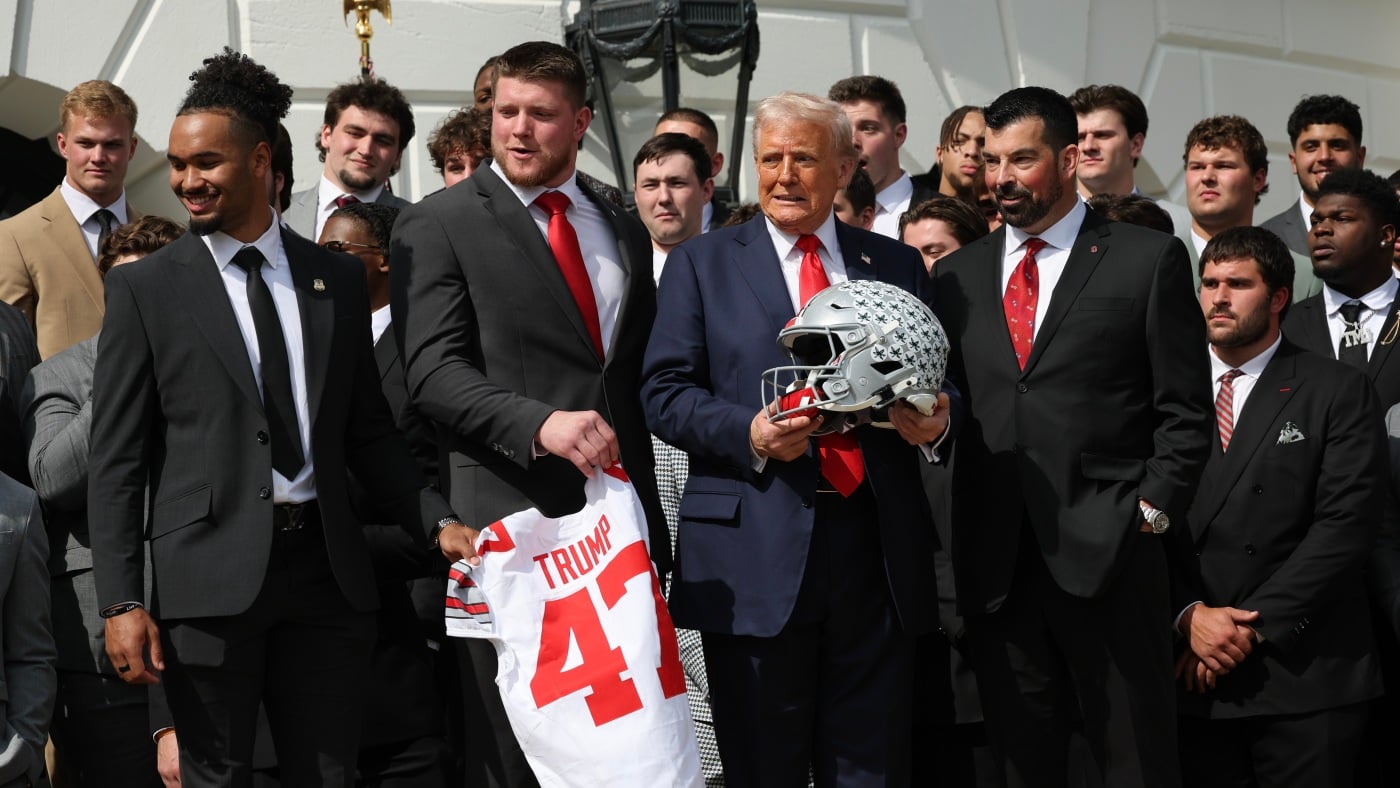
President Donald Trump signed an executive order aimed at strengthening federal oversight of college sports, focusing on maintaining athletic scholarships, especially in women's and Olympic sports, and restricting pay-for-play NIL deals, amidst ongoing legal and policy debates in collegiate athletics.
President Trump signed an executive order aimed at regulating college sports by enforcing rules on athletic scholarships, restricting pay-for-play NIL deals, and using federal funds to influence athletic programs, raising questions about legal and institutional impacts on the future of non-revenue and women's sports.
Power conferences and House attorneys have resolved a dispute with the College Sports Commission over NIL collectives, allowing them to provide athlete deals with a valid business purpose that won't count against revenue caps, potentially increasing athlete compensation but also complicating recruiting and roster management.
Attorneys involved in a $2.8 billion settlement with the NCAA and conferences argue that the College Sports Commission's new guidelines for vetting NIL collective deals violate the settlement terms, specifically regarding the treatment of collectives as third-party businesses, and threaten legal action if not retracted. The guidance aims to regulate NIL payments to prevent circumventing revenue-sharing caps, but critics say it undermines the role of collectives in college athletics.
A new college sports agency has rejected NIL deals between athletes and donor-backed collectives, citing lack of valid business purpose, as part of efforts to regulate NIL agreements and prevent indirect payments that don't involve public-facing goods or services. This move follows the recent legalization of direct payments to athletes and the shutdown of some collectives, with new guidelines requiring deals to have broader business purposes and be vetted through a clearinghouse.
The College Sports Commission clarified that NIL deals between athletes and donor-backed collectives lack a 'valid business purpose' and are being rejected, signaling a move to regulate and potentially shut down these collectives, while allowing outside deals with proper vetting.
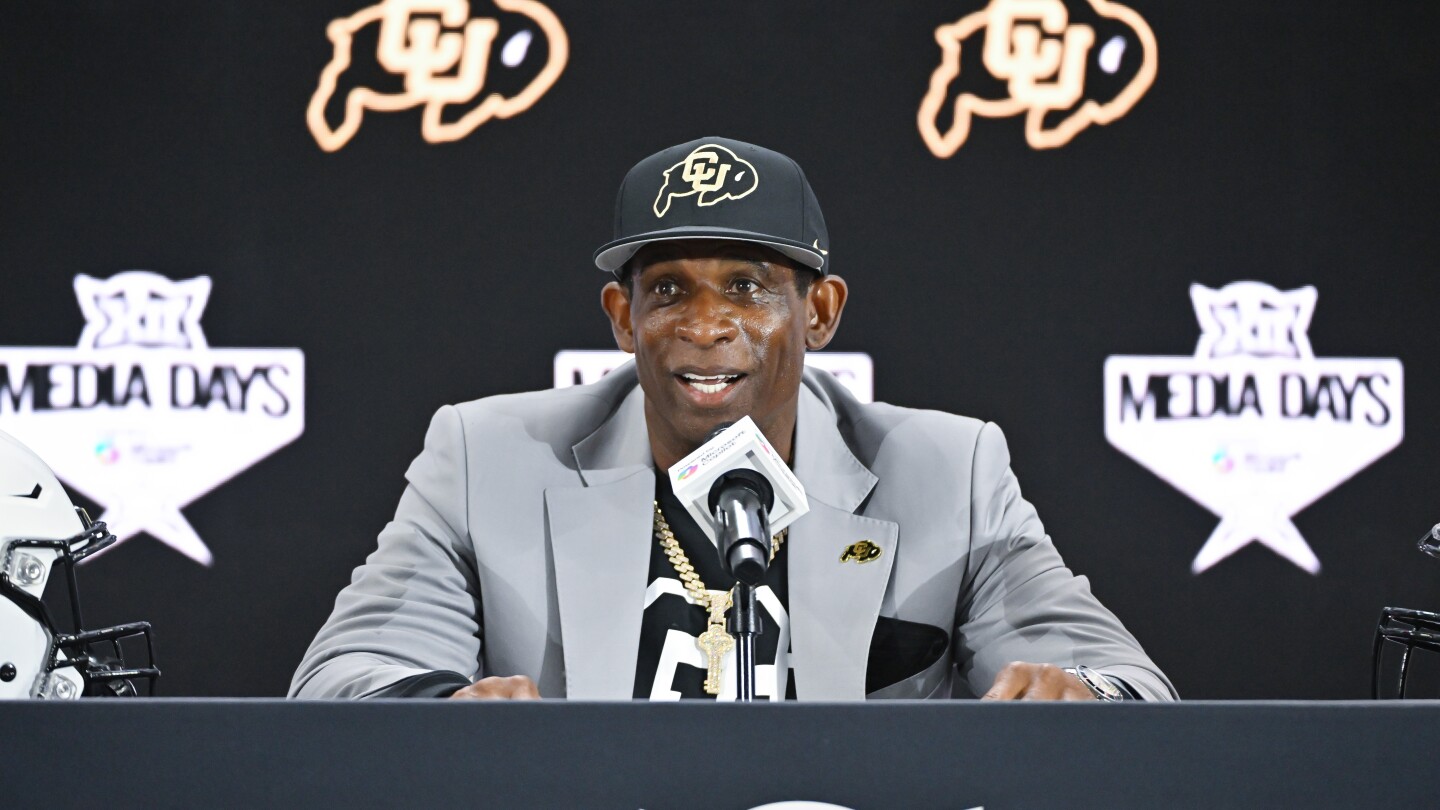
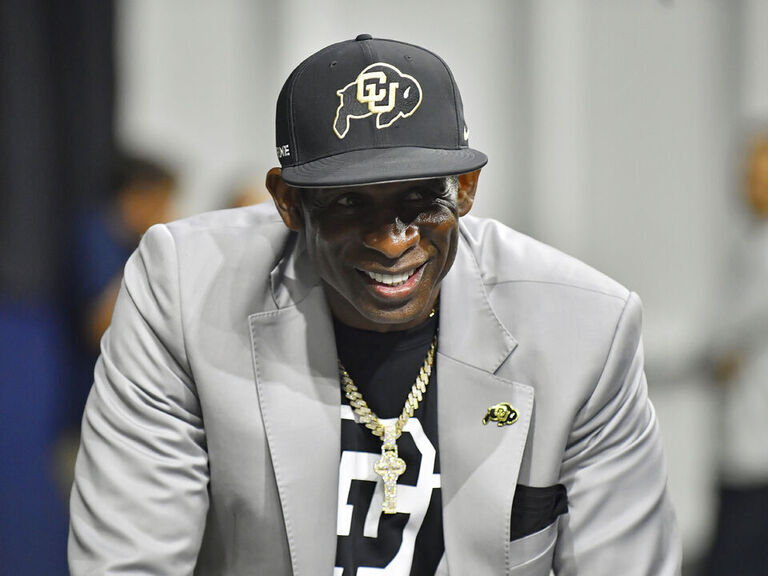
Deion Sanders advocates for a salary cap in college football to prevent big programs from outspending others on recruiting and NIL deals, arguing that current spending disparities give an unfair advantage to wealthier programs and influence playoff outcomes.
Colorado coach Deion Sanders advocates for a salary cap in college football to promote fairness and competitiveness, criticizing the current system where schools with larger budgets can pay players significantly more, which influences playoff success.
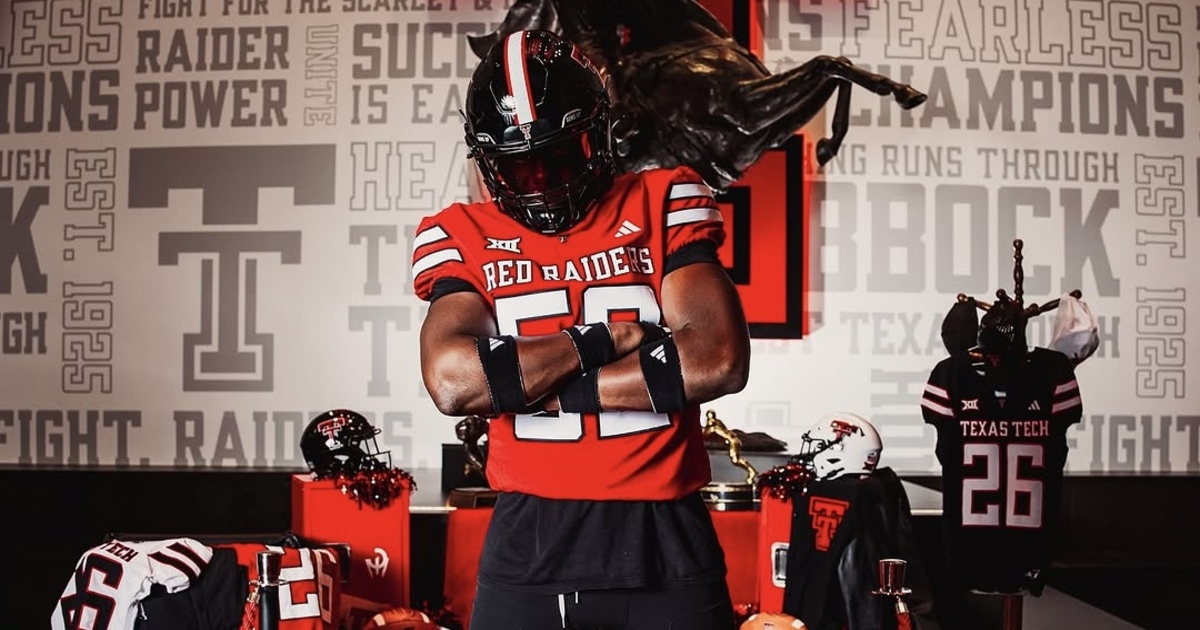
Five-star offensive tackle Felix Ojo committed to Texas Tech with a groundbreaking fully guaranteed revenue-sharing deal worth $5.1 million over three years, making him the highest-rated recruit in school history and highlighting the evolving landscape of college athlete compensation following recent NCAA settlement changes.