Kentucky football, under coach Mark Stoops, showed resilience in a close 30-23 loss to Ole Miss but remains stuck in a cycle of being good but not good enough, raising questions about the program's future and Stoops' ability to lead them to consistent success in the competitive SEC.
The US is experiencing a surge in aircraft near-misses due to a severe shortage of air traffic controllers, who claim they are being pushed to their limits physically and mentally. Incidents of controllers sleeping and drinking on the job, fights breaking out in control towers, and poor working conditions have been reported. Staffing shortages have led to controllers working long hours, irregular schedules, and experiencing exhaustion and mental health issues. The Federal Aviation Administration (FAA) denies the report, stating that flying has never been safer. However, internal data shows a 65% increase in significant air traffic control lapses. The FAA has pledged to address the staffing shortage and improve safety measures.
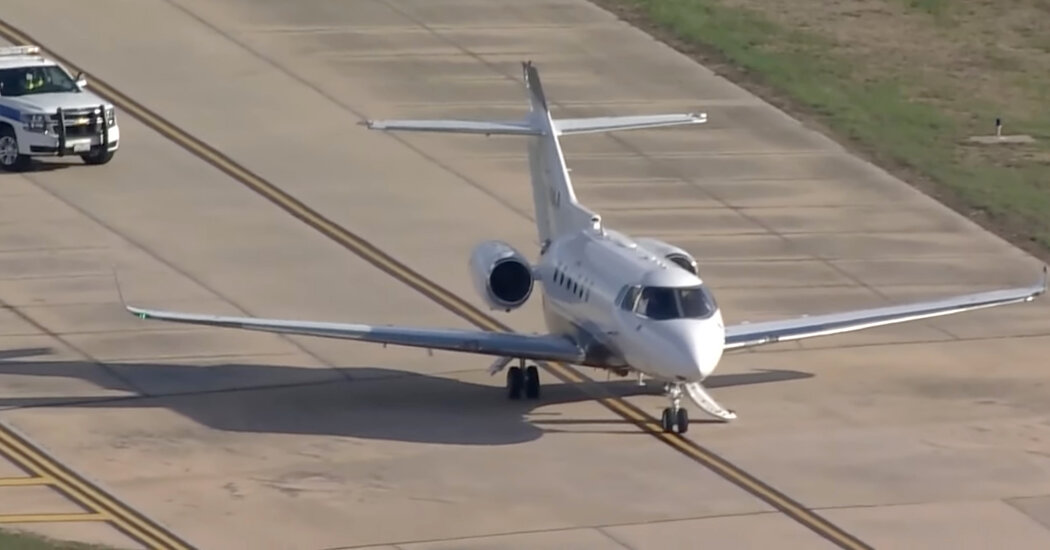
Two jets collided at Hobby Airport in Houston when one took off without permission while another was landing. No injuries were reported. The collision highlights concerns over regular near misses caused by understaffed air traffic control facilities and failures to install warning systems. The Federal Aviation Administration issued a ground stop at the airport, diverting some flights to a larger facility. The National Transportation Safety Board has sent a team to investigate the collision.
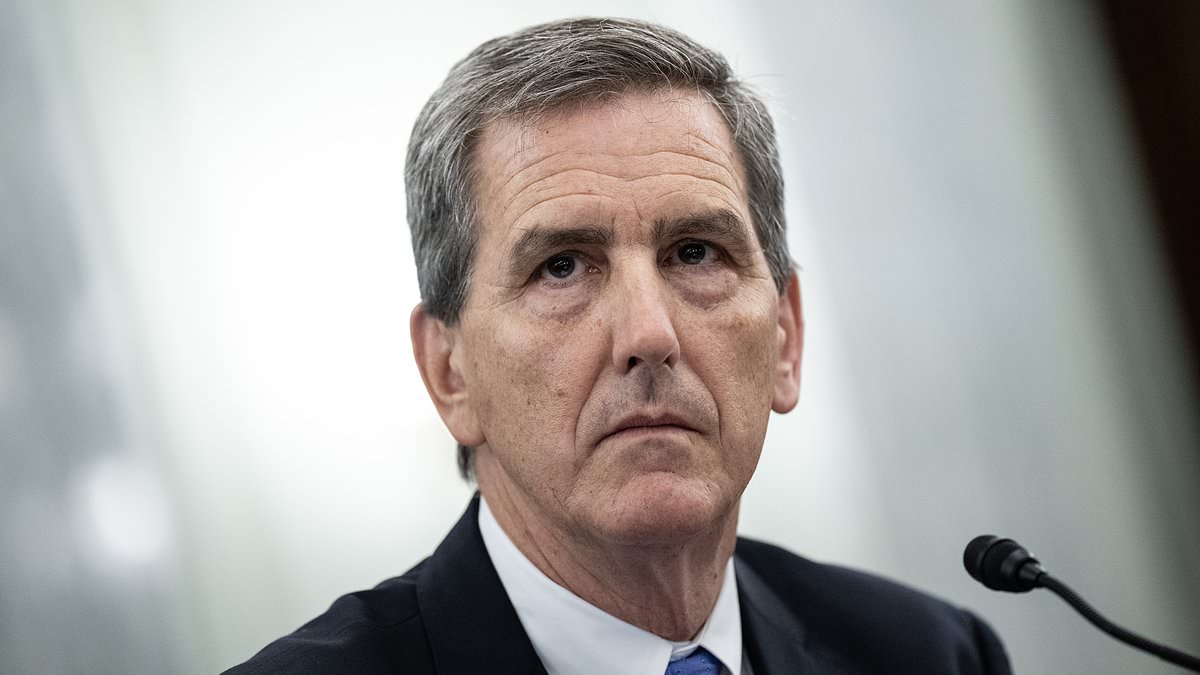
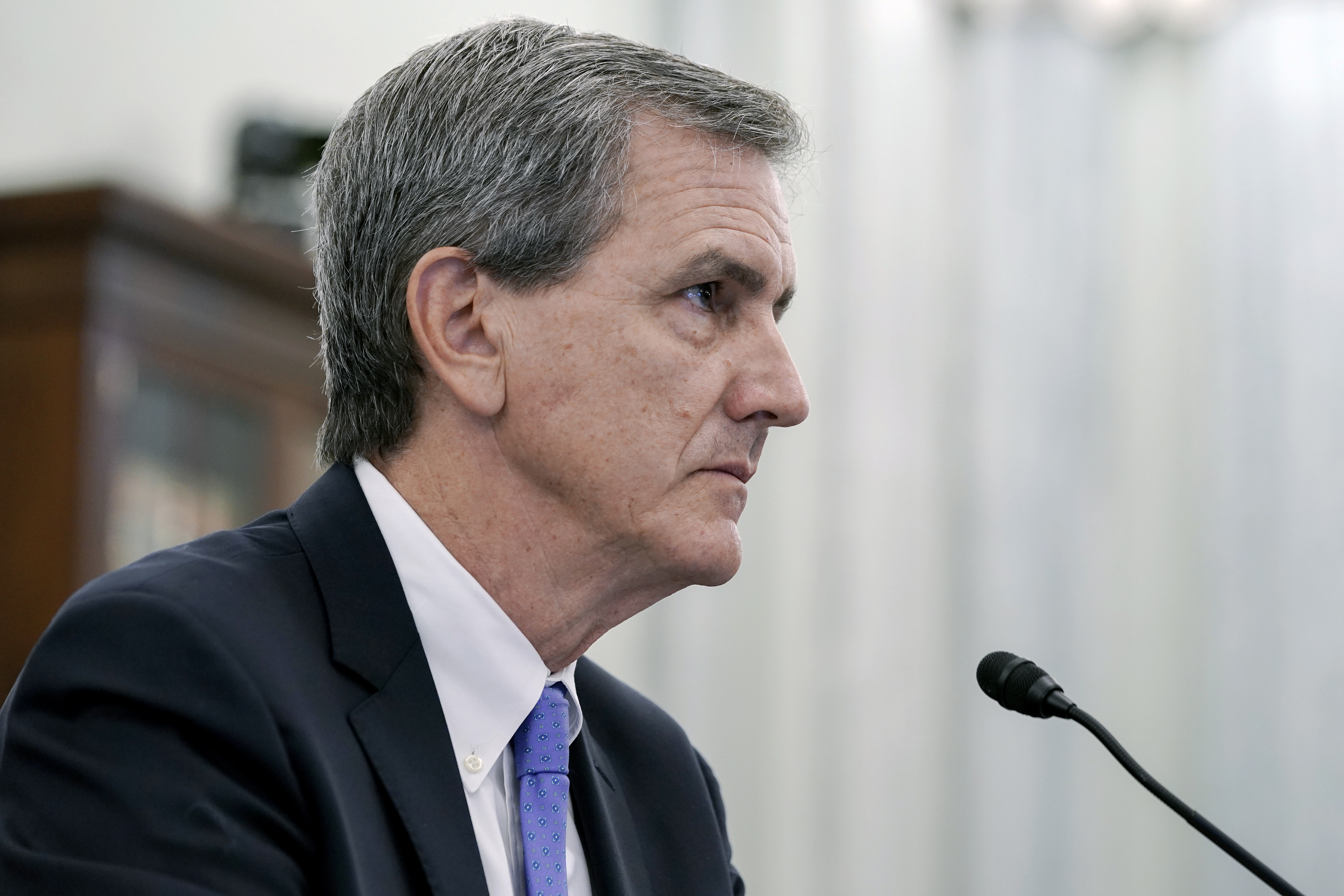
Mike Whitaker has been confirmed by the Senate as the new head of the Federal Aviation Administration (FAA), taking over at a troubled time for the agency. The FAA is currently dealing with a series of aviation near-misses and challenges in replenishing its air traffic controller workforce. Whitaker, a former FAA deputy administrator and United Airlines executive, will need to address these issues while rebuilding public confidence in air travel and navigating the ongoing fight in Congress over the FAA reauthorization bill.
The Federal Aviation Administration (FAA) has requested recommendations from a panel of experts on cockpit technologies that could warn pilots of potential runway or taxiway errors, as part of their efforts to eliminate near misses. The FAA is exploring the possibility of requiring alerting systems to give pilots time to take corrective actions. The National Transportation Safety Board is investigating several near misses caused by human error, prompting the FAA to issue advisories and consider airport design and detection technology. However, the FAA acknowledges that human factors also play a significant role in ensuring safety.
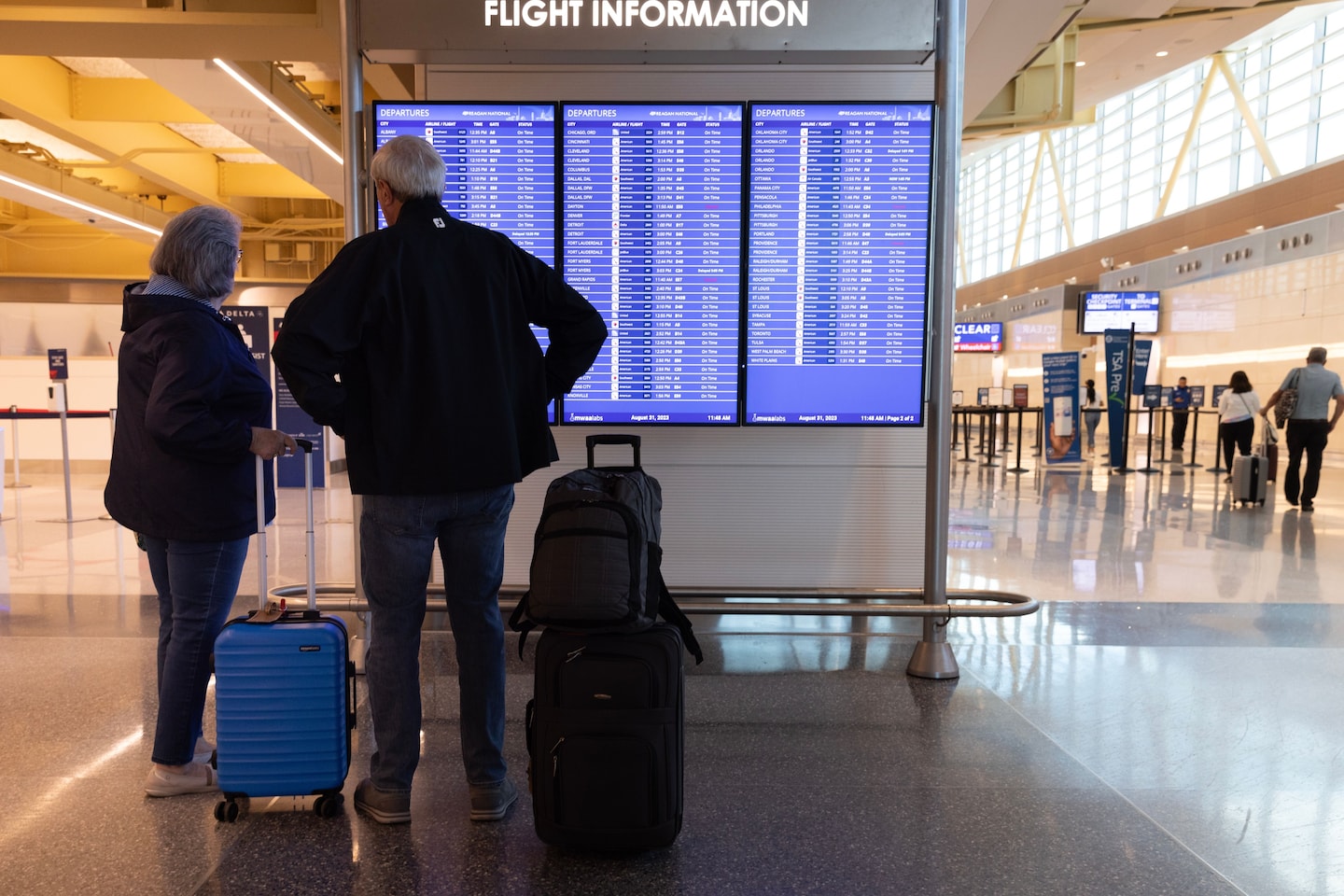
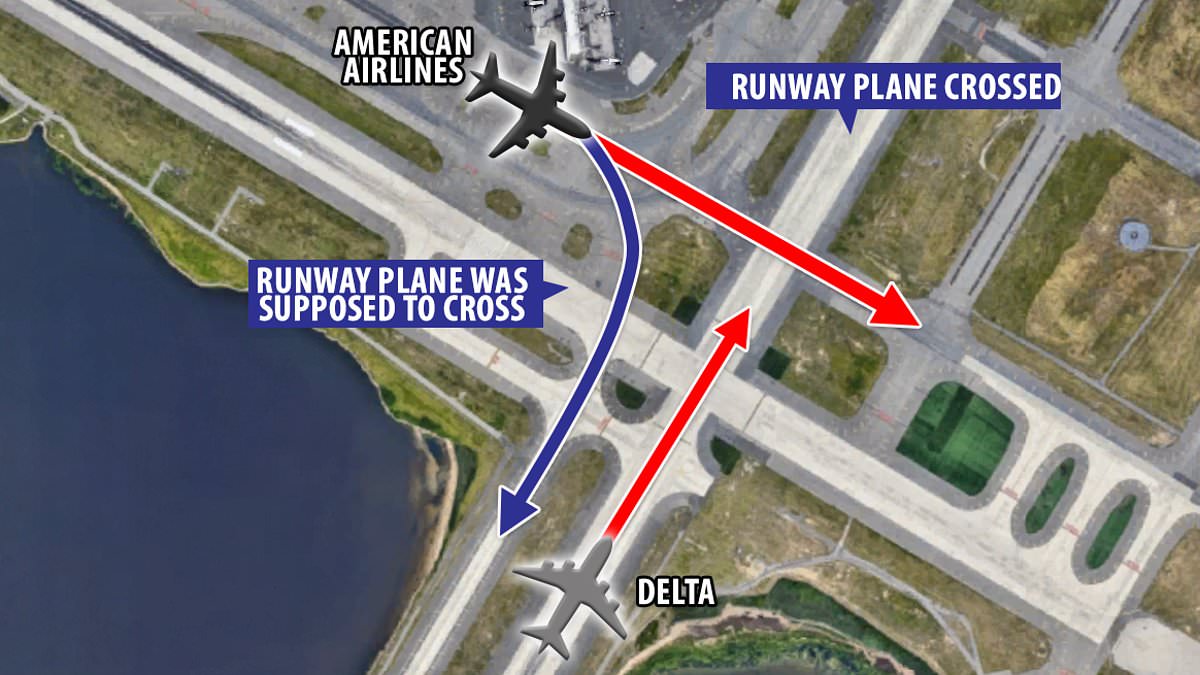
Commercial airlines in the US experienced 46 "close calls" in July, highlighting the alarming number of incidents this year. The shortage of air traffic controllers, with 99% of facilities being understaffed, has forced many to work mandatory overtime, leading to burnout and potential safety risks. Recent near-misses include aircraft almost colliding during take-off or landing at major airports, raising concerns among industry workers. While fatal incidents involving small aircraft occur several times per year, the last fatal crash involving a US airline was in 2009. Experts warn that the industry is facing a potential disaster if the trend of near misses is not reversed.
The Federal Aviation Administration (FAA) has issued an "aviation safety call to action" after several near-misses at US airports in recent months. The FAA urged airlines to reinforce adherence to published processes and procedures and to evaluate information collected through their safety management processes. There have been six significant close calls on runways so far this year, prompting the agency to hold a safety summit last week. The National Transportation Safety Board Chair warned that these recent incidents must serve as a wake-up call for everyone before something more catastrophic occurs.
Transportation Secretary Pete Buttigieg expressed concern about an increase in airline near-misses at a safety summit called by the FAA. The National Transportation Safety Board is investigating six close calls at runways across the country since the start of the year. The lack of adopting seven NTSB recommendations related to airport runways, high turnover in the aviation industry since the pandemic, and increasingly congested airspace are all contributing factors to the troubling pattern of near collisions that contributed to the need for Wednesday’s summit.