
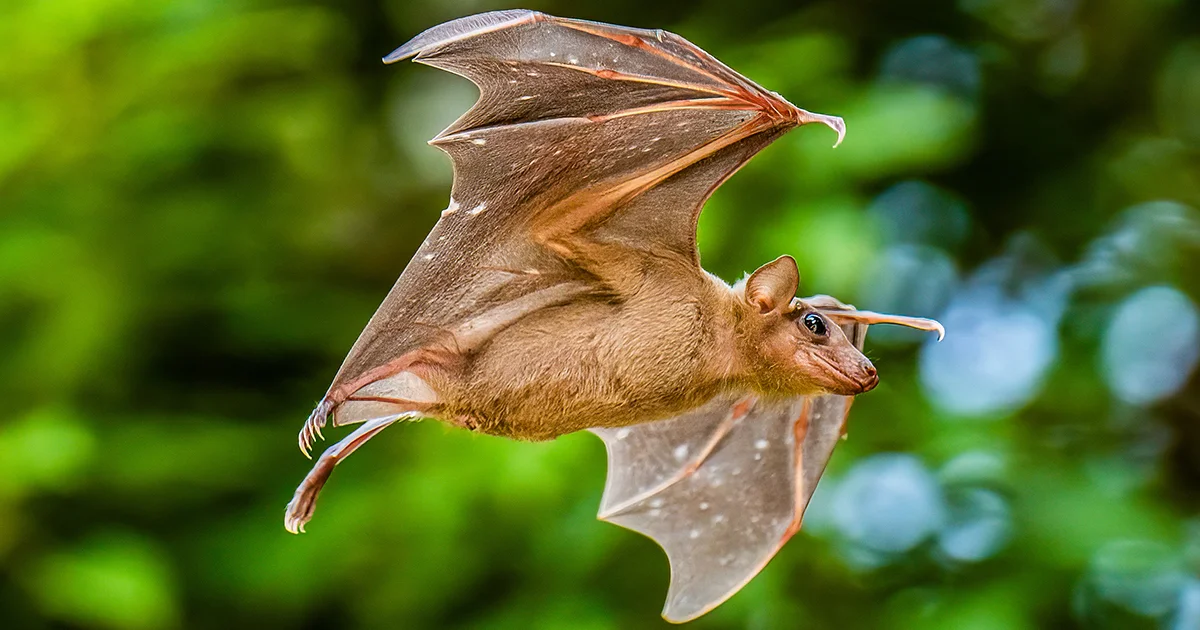
Bats on a Remote Island Reveal Real-World Brain Compass
Researchers tracked brain activity of Egyptian fruit bats on a remote island to understand how head-direction cells form an internal compass. Using implanted microwires and wireless recording, the team found that, as the bats learned the island, their head-direction cells stabilized to precise directions anchored to landmarks, supporting a global compass model tied to the environment rather than magnetic or celestial cues. The work highlights the value of wild, real-world studies for navigation research and suggests humans may share a similar directional system.