
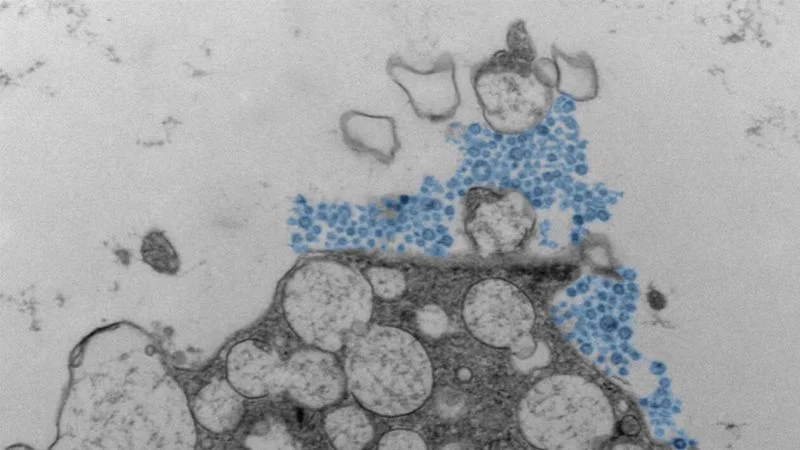
Nose signals explain why colds hit some people harder
A Yale-led study shows that how quickly nasal cells mount an interferon response to rhinovirus largely determines cold severity: a rapid response can limit infection to under 2% of nasal cells and cause mild or no symptoms, while a blocked or delayed response can let around 30% of cells become infected, leading to mucus production and inflammation. Researchers say other factors—bacteria, genetics, chronic illness, and prior immunity—also influence outcomes, and real-life confirmation is needed. The findings could eventually guide therapies that target inflammation to reduce symptoms.