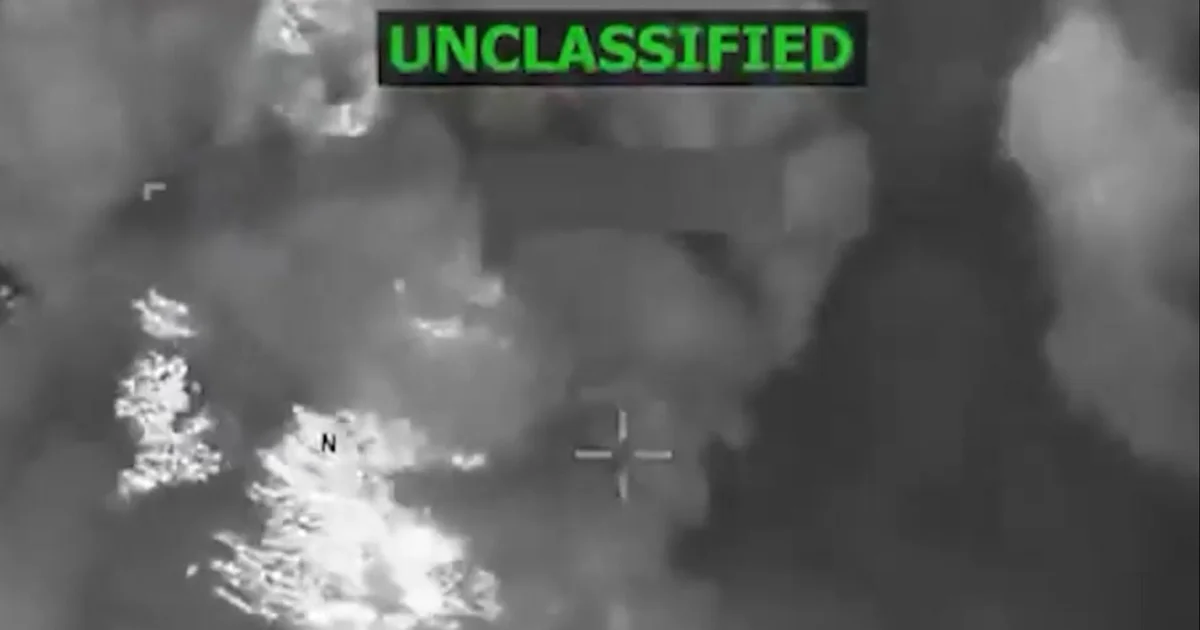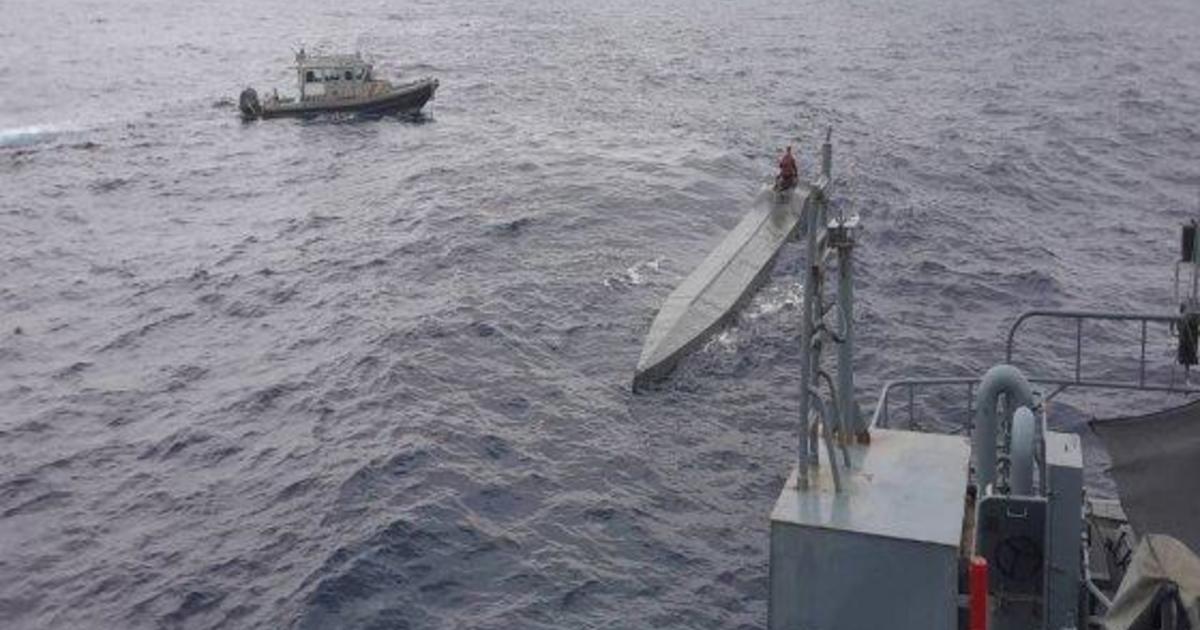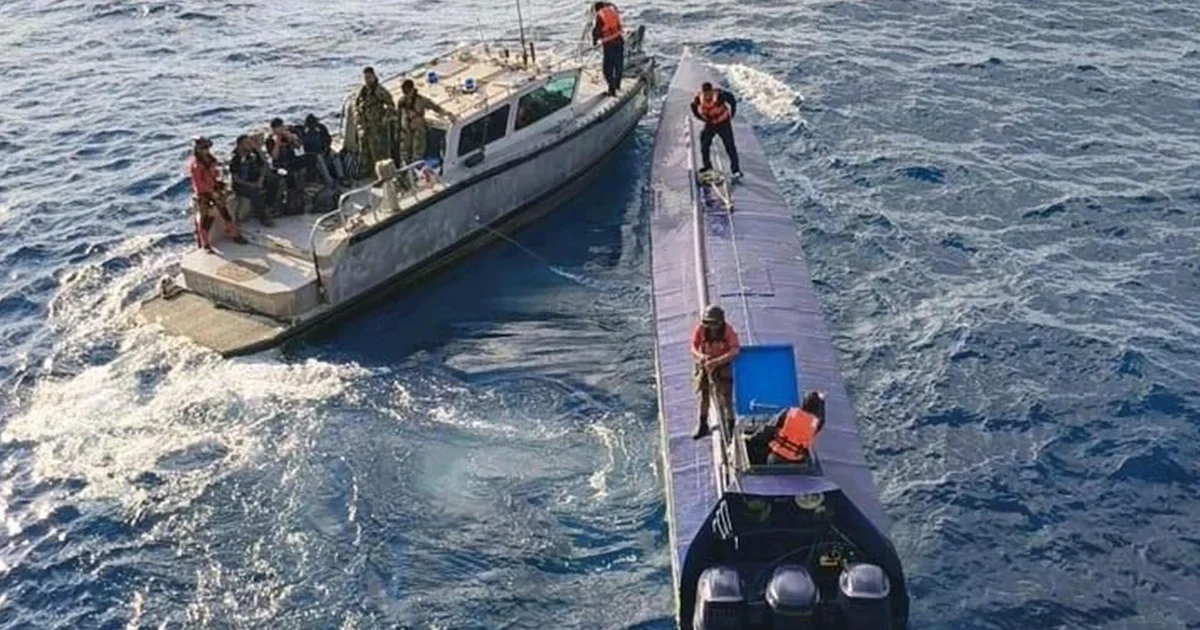
Ecuador released a man who survived a U.S. attack on a suspected drug submarine, with authorities finding no evidence of his involvement in a crime. The incident involved a U.S. Navy strike targeting a vessel believed to be carrying drugs, specifically fentanyl, heading towards the U.S., but the survivor was cleared of any charges. The event has heightened tensions between the U.S. and Latin American countries, with regional leaders criticizing the operation.
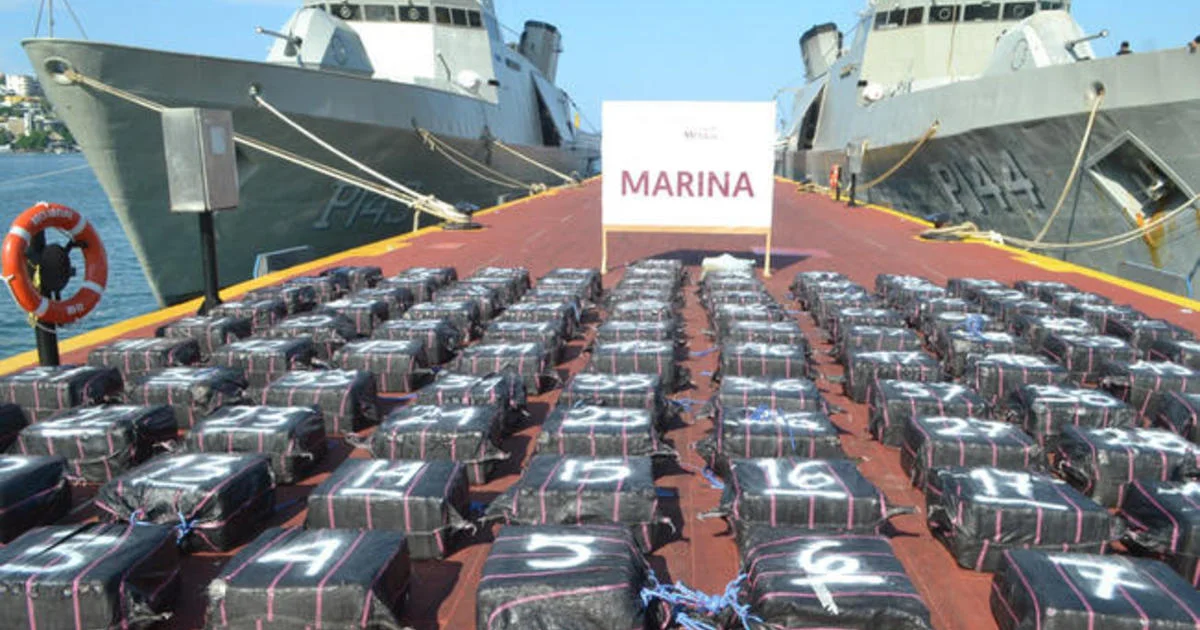
The Mexican Navy intercepted a 'narco sub' carrying 8,000 pounds of cocaine off the Pacific coast near Acapulco. The semi-submersible vessel, designed to evade detection, was manned by nine crew members, including six foreigners. This seizure is part of ongoing efforts to combat drug trafficking, with the Mexican Navy having seized over 15,000 kilograms of drugs at sea under the current administration. Semi-submersibles are commonly used by traffickers to transport cocaine from South America to the U.S. and other regions.
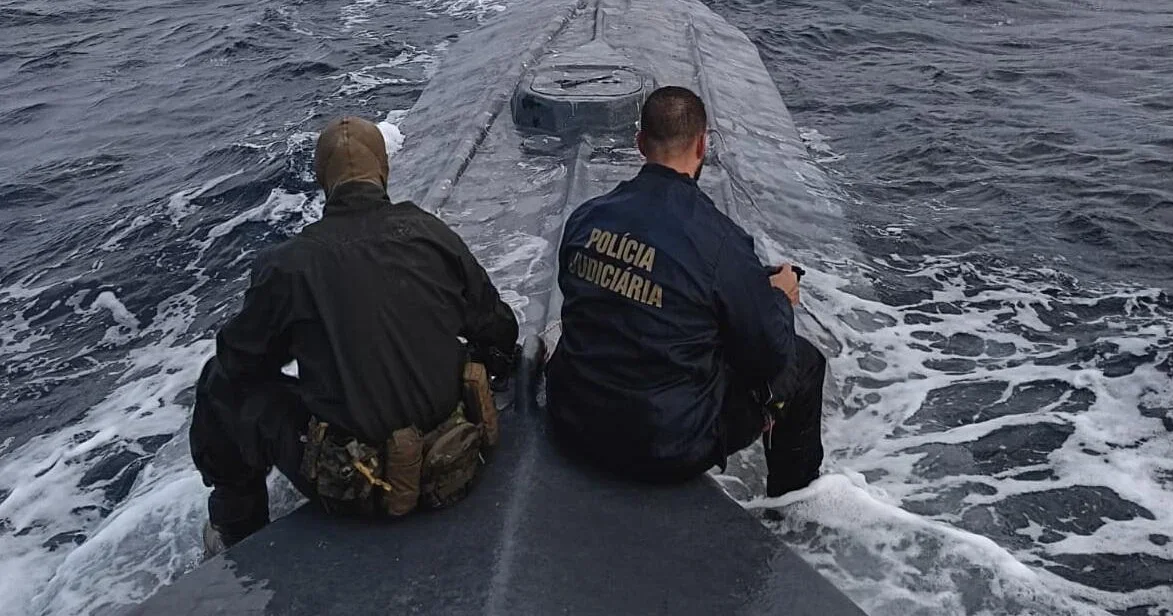
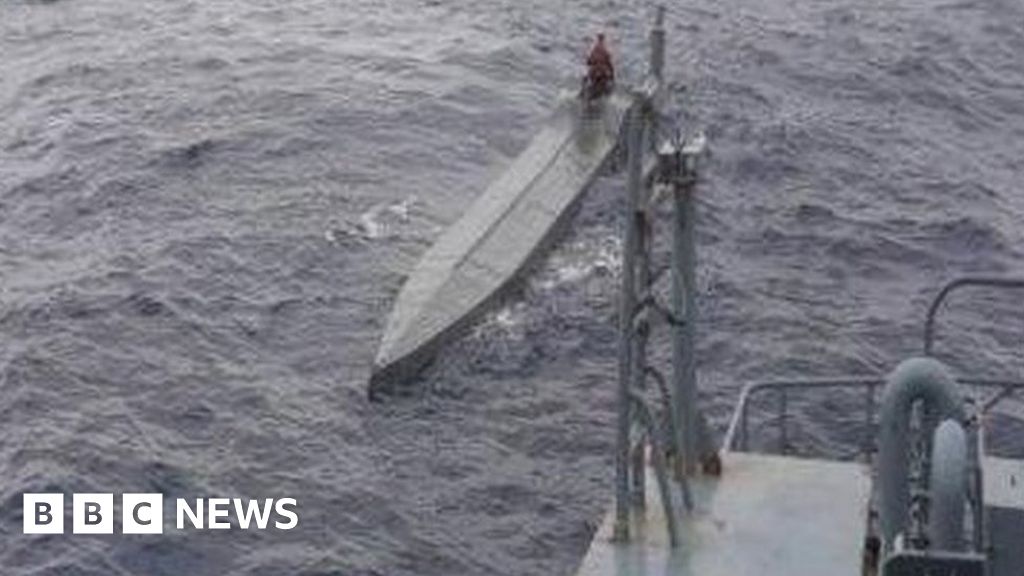
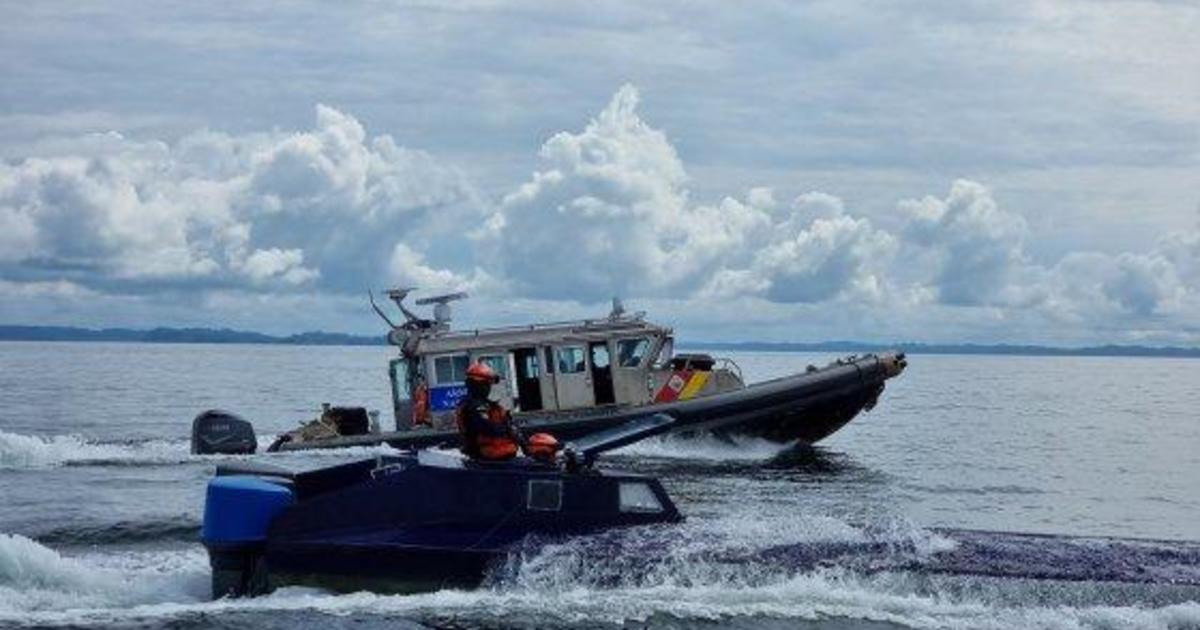
The Colombian Navy intercepted a 15m-long "narco-sub" carrying almost 800kg of cocaine, including parcels stamped with a scorpion symbol, estimated to be worth $27m. Three individuals on board were arrested, and the sub was believed to be en route to the US or Europe. Narco-subs are a popular method for transporting drugs due to their ability to go undetected, and Colombia is the world's largest producer of cocaine. This interception comes amid record cocaine production in Colombia and increased drug seizures in Europe.
The Colombian Navy intercepted the first "narco sub" of 2024 in the Pacific Ocean, seizing over 1,750 pounds of cocaine marked with scorpion logos. The 50-foot semi-submersible was bound for Central America and three individuals were arrested. These vessels, popular among drug traffickers, can potentially evade detection and have been intercepted in Colombian waters and en route to the United States or Europe. In 2023, the navy intercepted 20 semi-submersibles, leading to the seizure of 30 tons of cocaine and over five tons of marijuana.
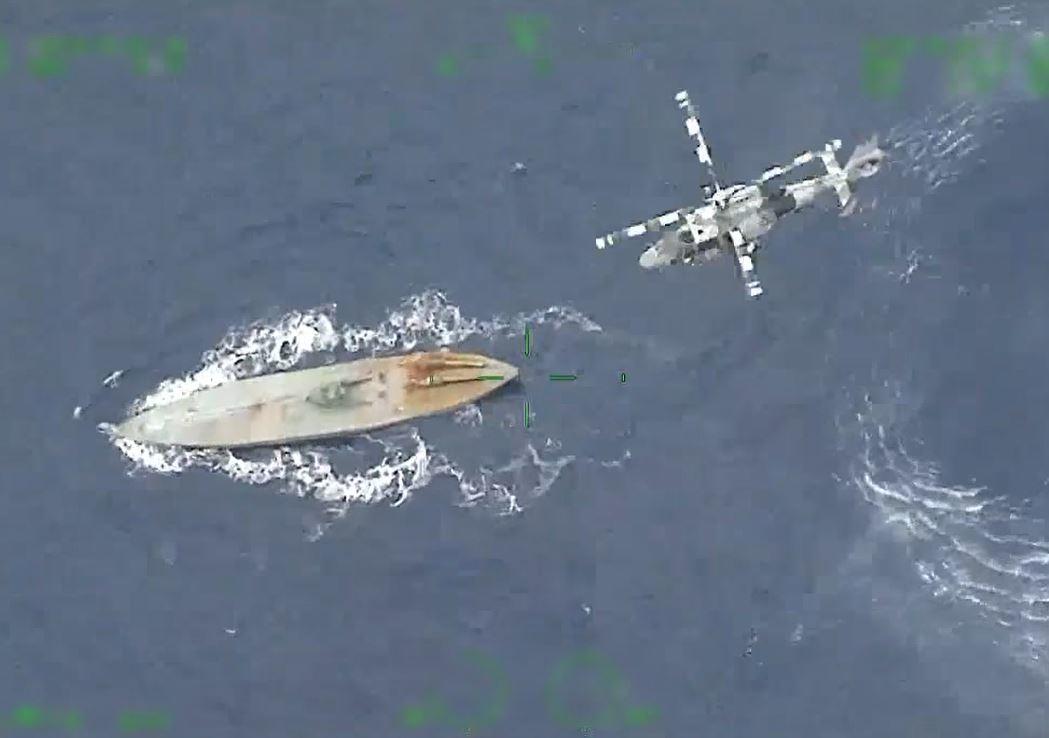
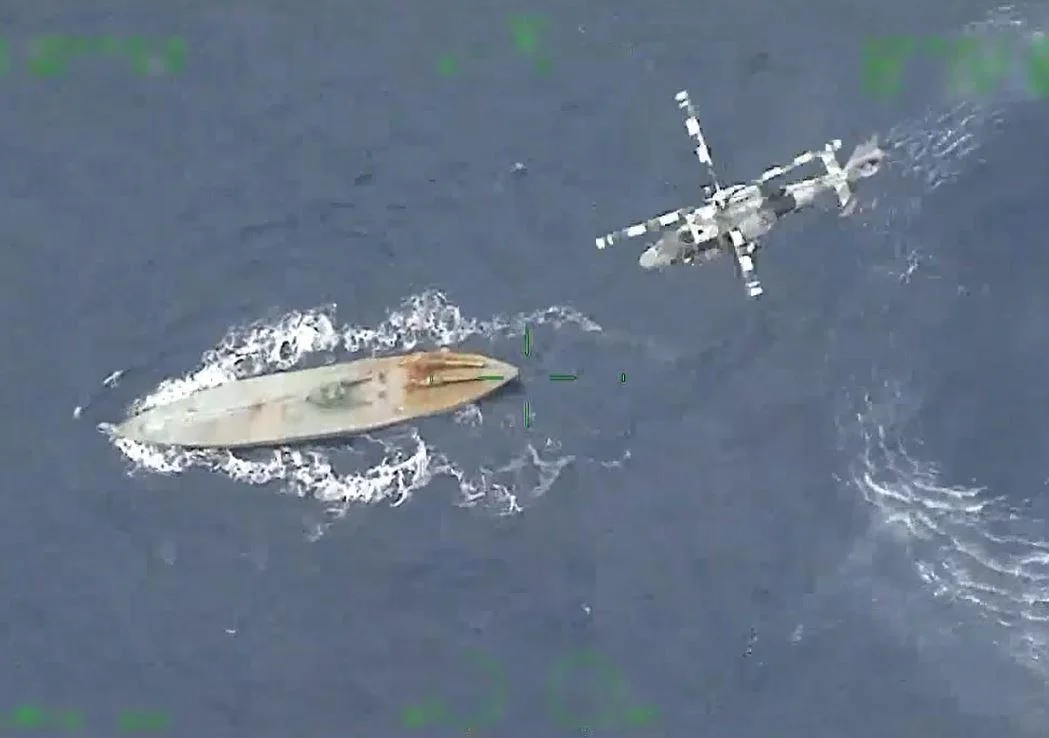
The Mexican navy intercepted a "narco sub" carrying over 7,000 pounds of suspected cocaine off the coast of Mexico. The vessel, considered the largest of its kind seized by the current government, was pursued by navy ships and helicopters before being boarded. Five individuals from different nationalities were arrested. This year alone, the navy has seized approximately 47,000 pounds of cocaine in Mexican waters and arrested 121 people involved in illegal activities at sea. Semi-submersibles are commonly used by drug traffickers in Central and South America to transport drugs, often evading detection by moving low in the water.
The Mexican navy intercepted a "narco sub" carrying over 7,000 pounds of suspected cocaine in the Pacific Ocean off the coast of Mexico. The vessel, approximately 85 feet long, is the largest of its kind seized by the current government. Five individuals from different nationalities were arrested. This year, the navy has seized around 47,000 pounds of cocaine in Mexican waters and arrested 121 people involved in illegal activities at sea. Semi-submersibles are commonly used by drug traffickers in Central and South America to transport drugs, and they are particularly prevalent off the coast of Colombia.
Colombian navy intercepted a semi-submersible vessel carrying nearly 1,000 packages of cocaine worth about $33 million in the Pacific Ocean off the coast of Colombia. The vessel was carrying navigation and communications equipment and was headed to Central America. The seizure kept about 2.5 million doses of illegal drugs off the market. This is the second "narco sub" seized in the same region in a week. "Narco subs" are commonly used by traffickers in Central and South America to transport drugs.