
Oral Drug Shows Promise in Reducing Heart-Disease Marker and 'Bad Cholesterol'
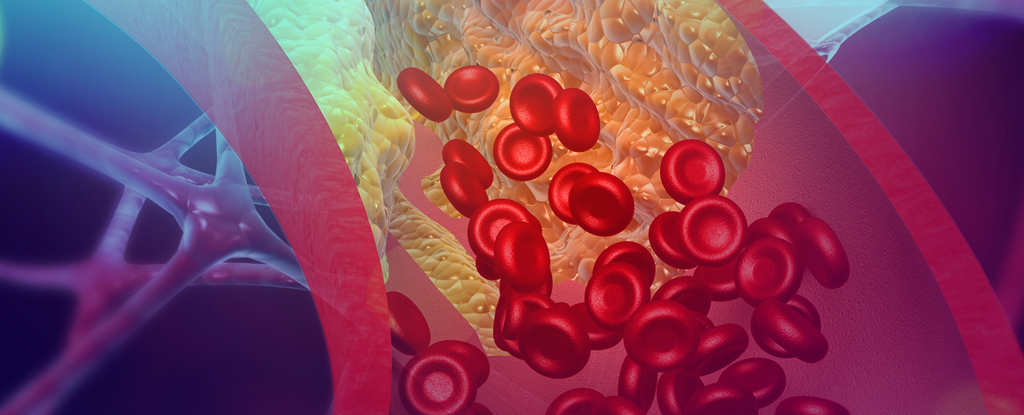
In a promising early trial, the experimental drug muvalaplin has shown the ability to reduce levels of lipoprotein(a) (Lp(a)), a molecule linked to cardiovascular disease, by up to 65%. Lp(a) is known to clog blood vessels and is difficult to reduce through diet or medication. Muvalaplin disrupts the formation of Lp(a) and was found to be well-tolerated with no serious adverse effects. Further clinical trials are underway to determine the drug's overall efficacy and long-term risks.