Over 90 Muslim leaders and organizations in the U.S. have called on Muslim-majority nations to take urgent action to end the Gaza conflict, urging measures such as severing ties with Israel, imposing embargoes, and opening border crossings for aid, amid escalating violence and humanitarian crisis.
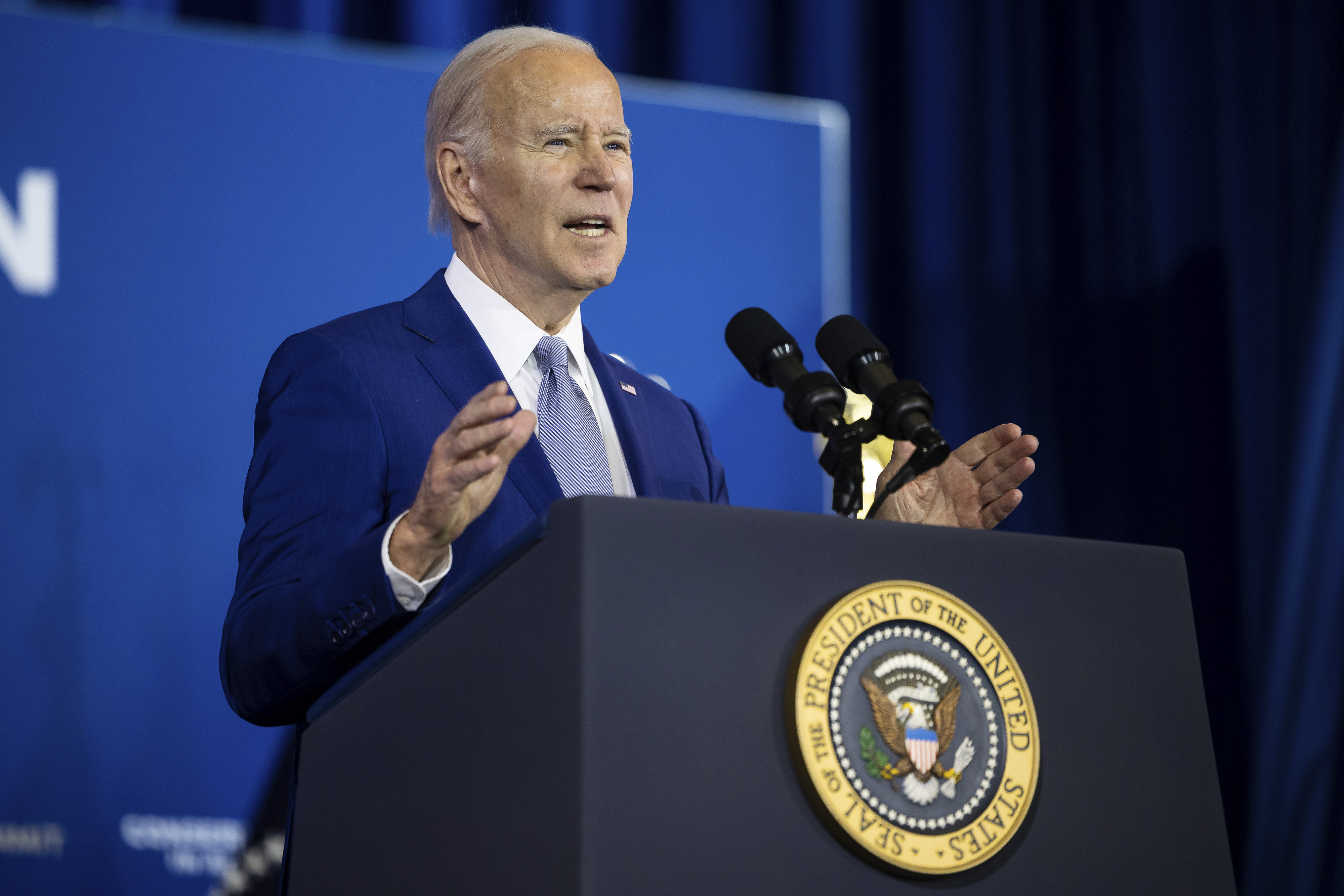
Muslim and Arab American leaders are growing frustrated with the White House's outreach efforts regarding the war in Gaza, feeling that their private conversations and public anguish have done little to persuade President Biden to change course. Some leaders have turned down opportunities to talk with Biden or his advisers, while others continue to engage in discussions with the administration. The situation presents a challenge for Biden, who values personal relationships and faces the risk of losing support from some Muslims in the upcoming election.
Muslim and Arab American leaders are growing frustrated with the White House's outreach efforts regarding the war in Gaza, feeling that their private conversations and public anguish have done little to persuade President Biden to change course. Some leaders have turned down opportunities to talk with Biden or his advisers, while others continue to engage in difficult conversations. The White House believes it can still find receptive audiences, but the situation presents a challenge for a president who values personal relationships and has faced criticism over his support for Israel.
Jewish leaders criticize the Biden administration for meeting with Osama Siblani, a political activist who has expressed support for Hamas and Hezbollah, and accused the U.S. government of being influenced by the "Zionist lobby." The meeting was part of the White House's efforts to mend ties with Arab Americans in Michigan, but Siblani's inclusion drew scrutiny and condemnation from Jewish leaders and the Anti-Defamation League CEO, who deemed him unsuitable as an interlocutor with the administration.
Indian Muslim leaders are urging Prime Minister Narendra Modi's government to resolve disputes over mosques and Hindu temples, expressing concern over the minority Muslim population feeling threatened and suffocated. The leaders called for the protection of Muslim places of worship and urged the government to safeguard their interests and religious sites, following a court ruling allowing Hindus to pray in a 17th century mosque claimed to have been built after the destruction of a temple. The ongoing disputes over holy sites have divided India, with critics accusing the ruling Bharatiya Janata Party (BJP) of promoting discrimination against Muslims, while Hindu groups claim that several mosques were built over demolished Hindu temples.
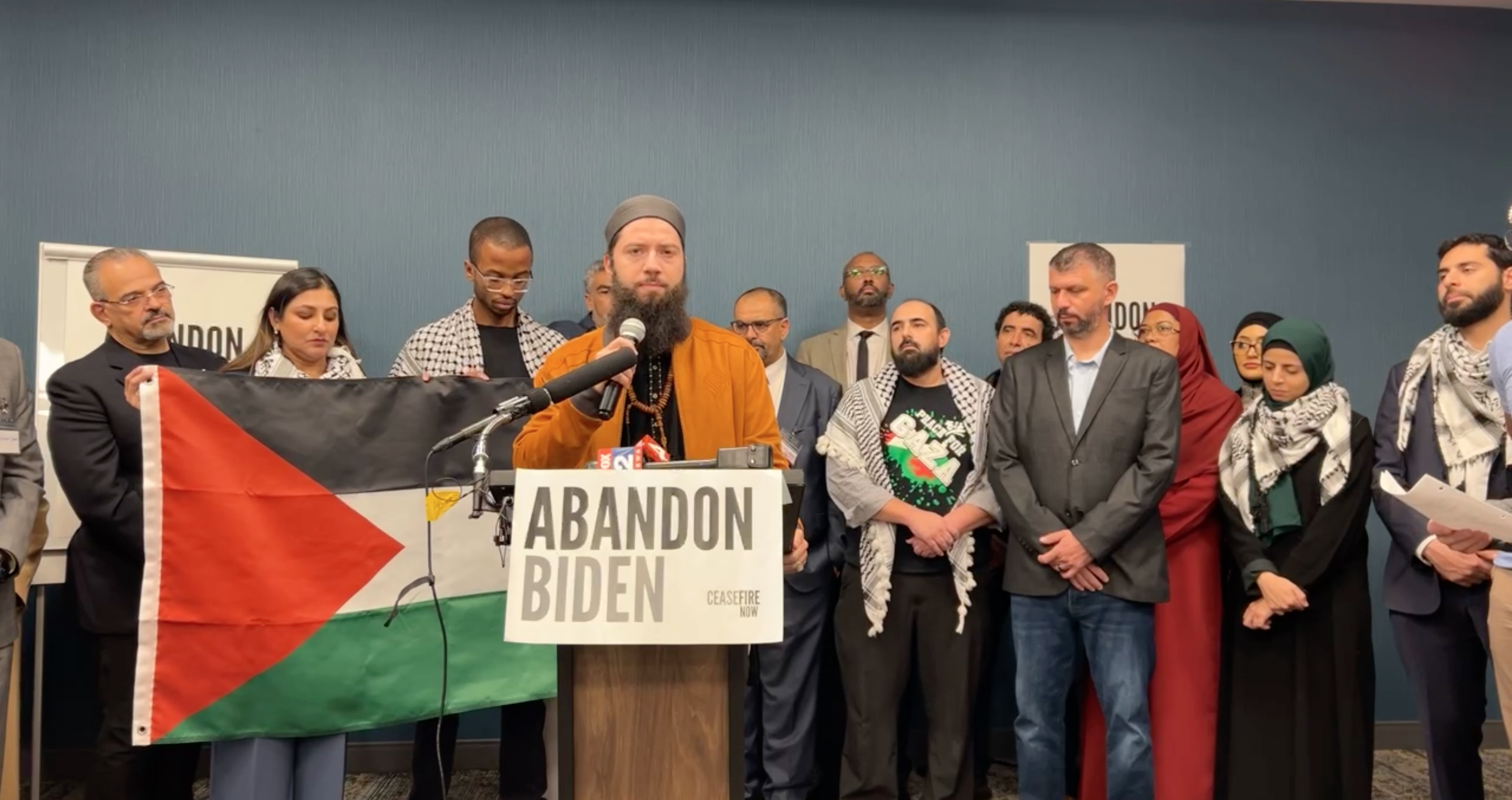
A group of Muslim leaders gathered in Michigan to protest against President Joe Biden's handling of the Israel-Hamas war, with some defending the Oct. 7 Hamas terrorist attack in Israel. The leaders, including individuals with controversial pasts, aim to convince Muslim Americans to vote against Biden in 2024. They accuse Biden of complicity in "genocide" in Gaza, while Biden has supported Israel's right to defend itself while urging caution to limit civilian deaths. The leaders have faced accusations of harassment, abuse, and support for terrorism. Exit polling shows that 69% of Muslim voters supported Biden in 2020, but recent polls indicate a decline in support among Arab and Muslim Democrats.
Muslim community leaders in swing states, including Michigan, Minnesota, Arizona, Wisconsin, Florida, Georgia, Nevada, and Pennsylvania, gathered to protest President Biden's refusal to call for a ceasefire in Gaza. They warned that Biden's stance could impact his support in crucial swing states in the upcoming election. Arab Americans, who make up a significant portion of the population in these states, have expressed anger and disappointment over Biden's handling of the conflict. A recent poll showed a significant drop in Biden's support among Arab Americans. Muslim leaders emphasized that they have the power to influence the election outcome and may choose to sit out the election or support alternative candidates.
Muslim leaders criticized President Joe Biden during a closed-door meeting at the White House over his comments on the Palestinian death toll and urged him to support a cease-fire between Israel and Hamas. They expressed concern about Biden's lack of confidence in the death count statistics provided by Palestinian officials and argued that his rhetoric has contributed to Islamophobia. While some attendees left the meeting hopeful, they called for more empathy towards Palestinians and requested further conversations with Palestinian Americans. The Biden administration has rejected calls for a cease-fire, emphasizing Israel's right to defend itself.
Muslim leaders in the Detroit area held a press conference condemning the recent violence in Israel and Gaza, calling for a ceasefire and urging recognition of the complex history of the conflict. They emphasized that killing innocent people is condemned by all religions and highlighted the need to verify reports of atrocities before using them to justify violence. The leaders called for immediate humanitarian aid, restoration of basic services, and the release of hostages. They also criticized the disparity in the international response to different conflicts and invited people to support fundraising efforts and participate in a prayer service for peace and justice.