
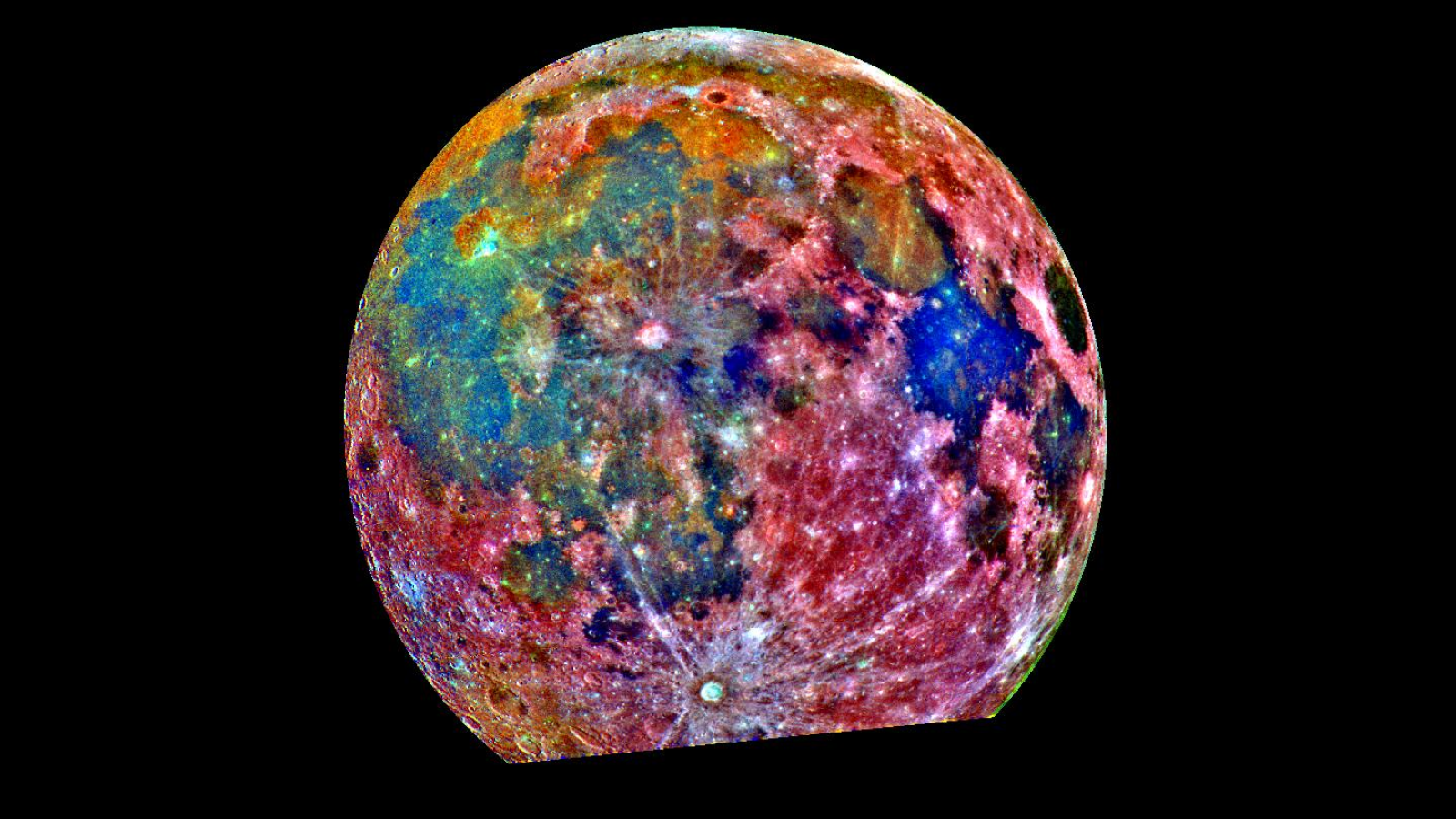
The Changing Colors of Moonlight and Their Causes
Moonlight is primarily a whitish reflection of sunlight from the moon's surface, which appears grayish-white due to its composition. Its perceived color can change due to atmospheric effects, such as scattering of light during moonrise or moonset, lunar eclipses, and atmospheric particles like dust or pollution, leading to phenomena like orange, red, blue, or honey-colored moons. These variations are caused by how Earth's atmosphere filters and refracts the light, making moonlight's color ephemeral and dependent on specific conditions.