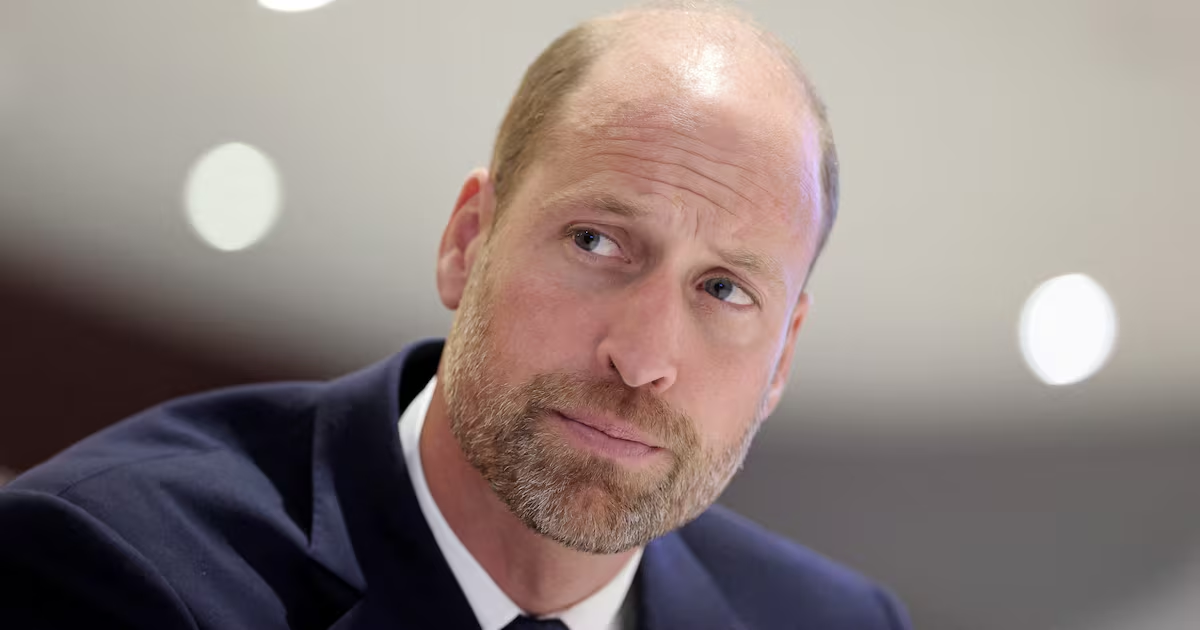
Prince William plans to revoke princely titles from non-working royals, including Prince Andrew, as part of reforms to modernize the monarchy, with potential executive orders and parliamentary ratification, amidst ongoing scandals involving other royals.
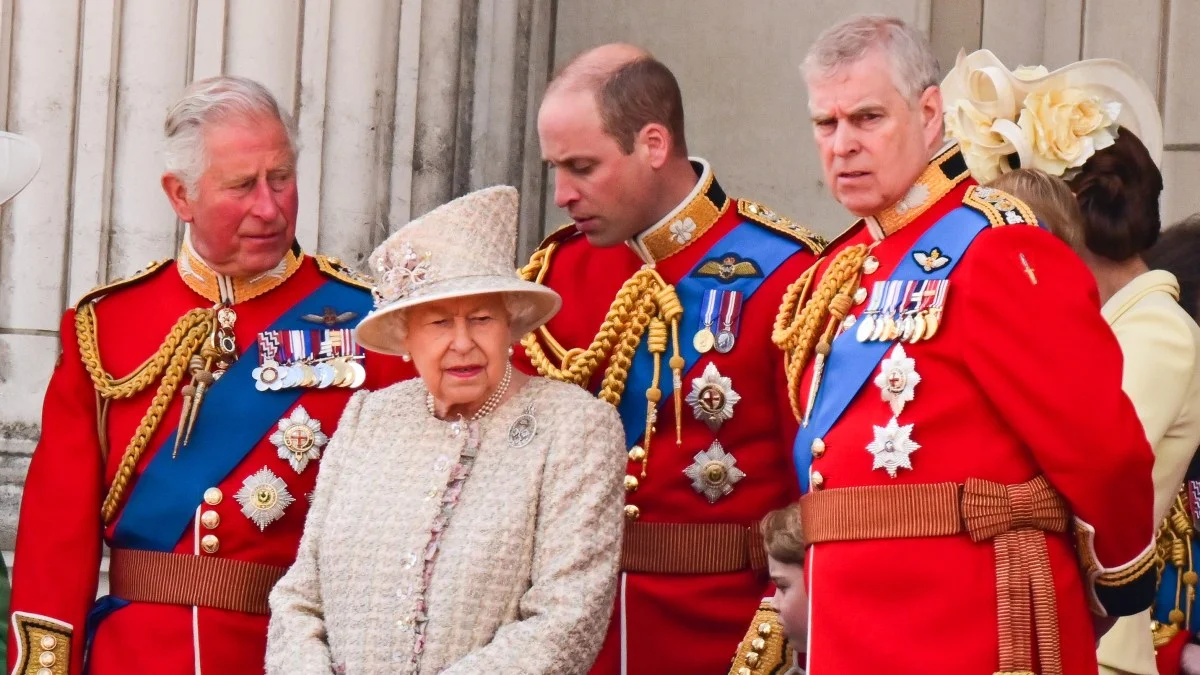
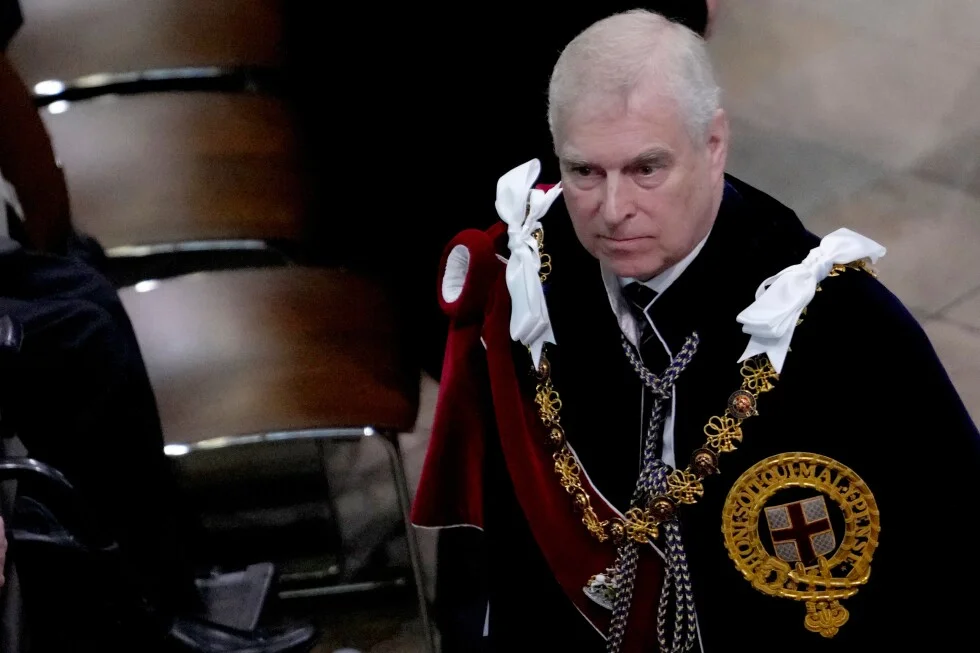
Prince Andrew has been forced to renounce his royal titles and will be excluded from royal life, including the upcoming coronation, due to his association with Jeffrey Epstein and related scandals. The move, supported by King Charles and Prince William, aims to distance the monarchy from controversy and refocus on public duties, but Andrew's presence at royal events remains a contentious issue.
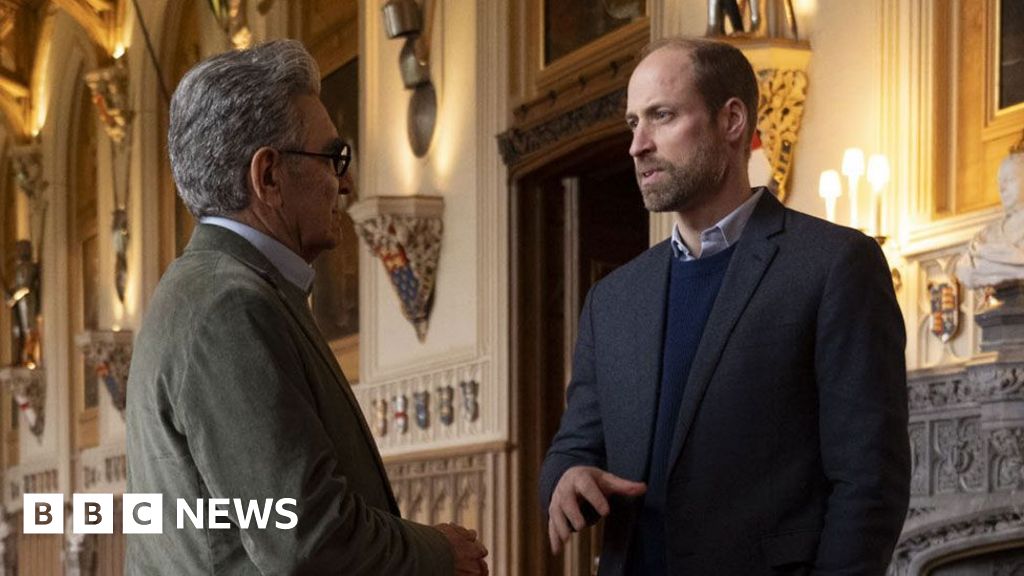
Prince William expressed his intention to bring positive change to the monarchy during an open interview with Eugene Levy, discussing his views on tradition, family stress, and his hopes for the future, all while sharing a candid glimpse into his personal life and responsibilities.
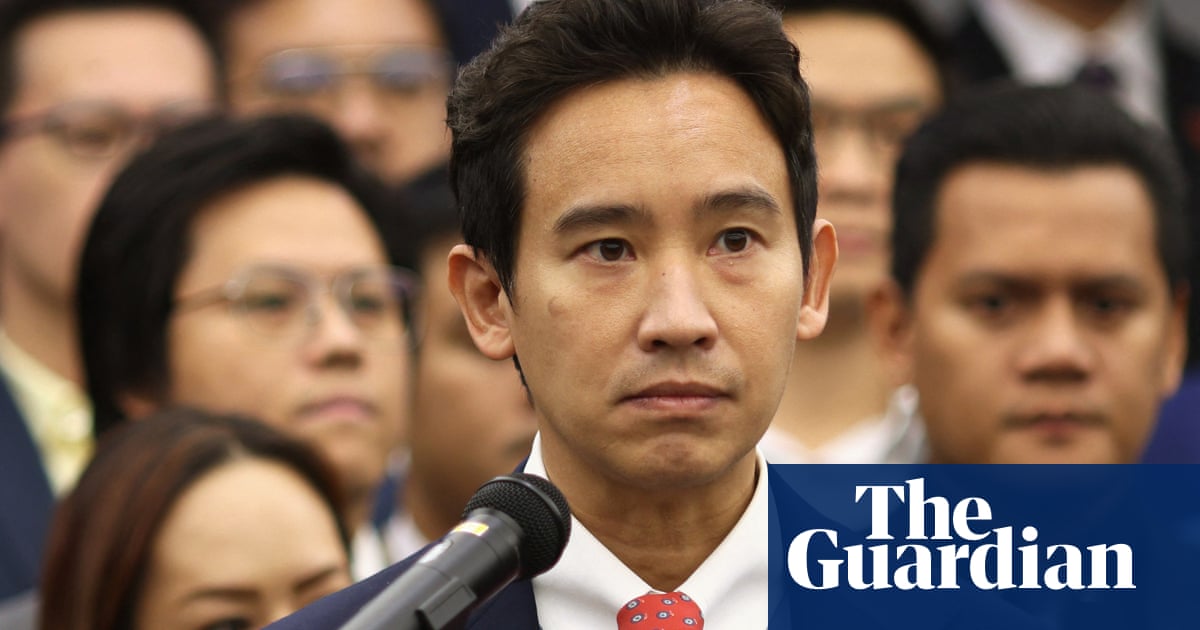
Thailand's constitutional court has ruled that the Move Forward party's pledge to reform the lese-majesty law is unlawful, ordering the party and its leader to cease all efforts to change the law. The court's ruling comes amid ongoing crackdowns on criticism of the royal family, with more than 260 people prosecuted under the law. The Move Forward party, which won the most votes in last year's election, has been blocked from taking power by unelected senators. The ruling has been criticized by human rights advocates as stifling momentum for monarchy reform and creating a climate of fear in the country.
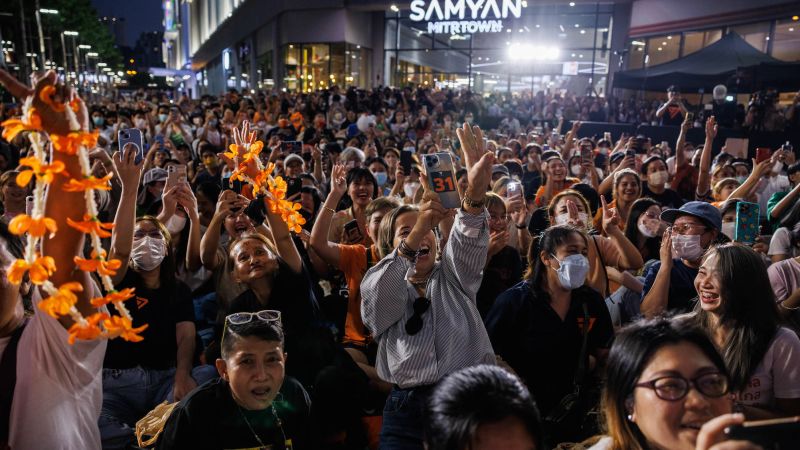
Thailand's upcoming election is being led by a young generation of voters who are calling for change, including the removal of the military from politics and even reforms to the monarchy. Two parties, Pheu Thai and Move Forward, are leading the polls, with Move Forward being described as a "game changer" due to its radical national reform agenda. The party is pledging deep structural reforms to how Thailand is run, including changes to the military, the economy, the decentralization of power, and even reforms to the previously untouchable monarchy. However, the pro-democracy parties face roadblocks, including a pro-military Senate that can influence who becomes the next prime minister.
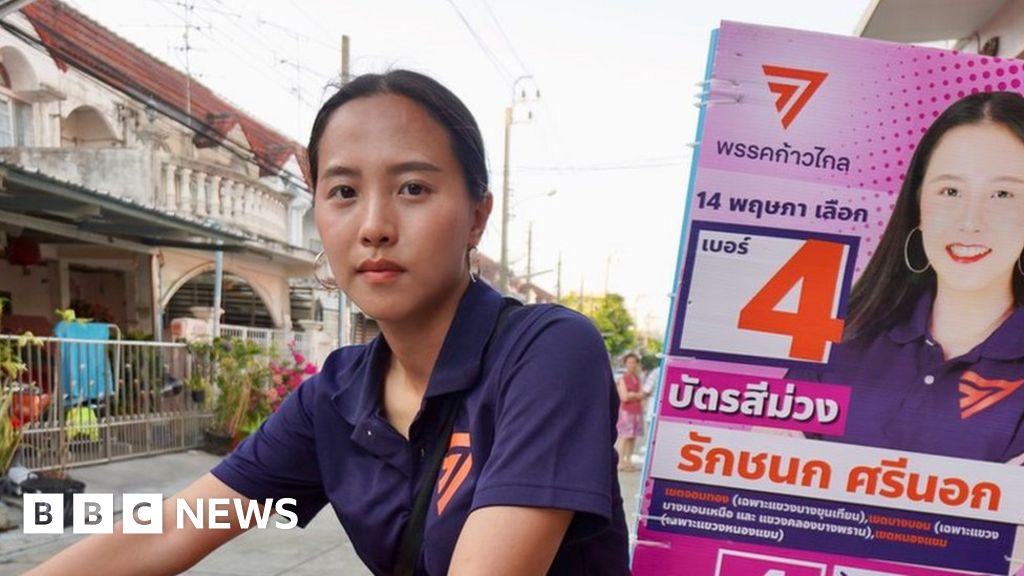
Move Forward, the successor party to Future Forward, is the most radical party contesting Thailand's general election this month. The party's popularity in opinion polls has been surging again, alarming rivals, and many polls put its leader, Pita Limjaroenrat, as the preferred candidate for prime minister. Move Forward's support for royal reform no longer seems so shocking, and more Thais seem willing to back the party's broader agenda for change. The party's slate of young, idealistic candidates hope to break the cycle of military coups, street protests, and broken democratic promises in which the country has been trapped for two decades.