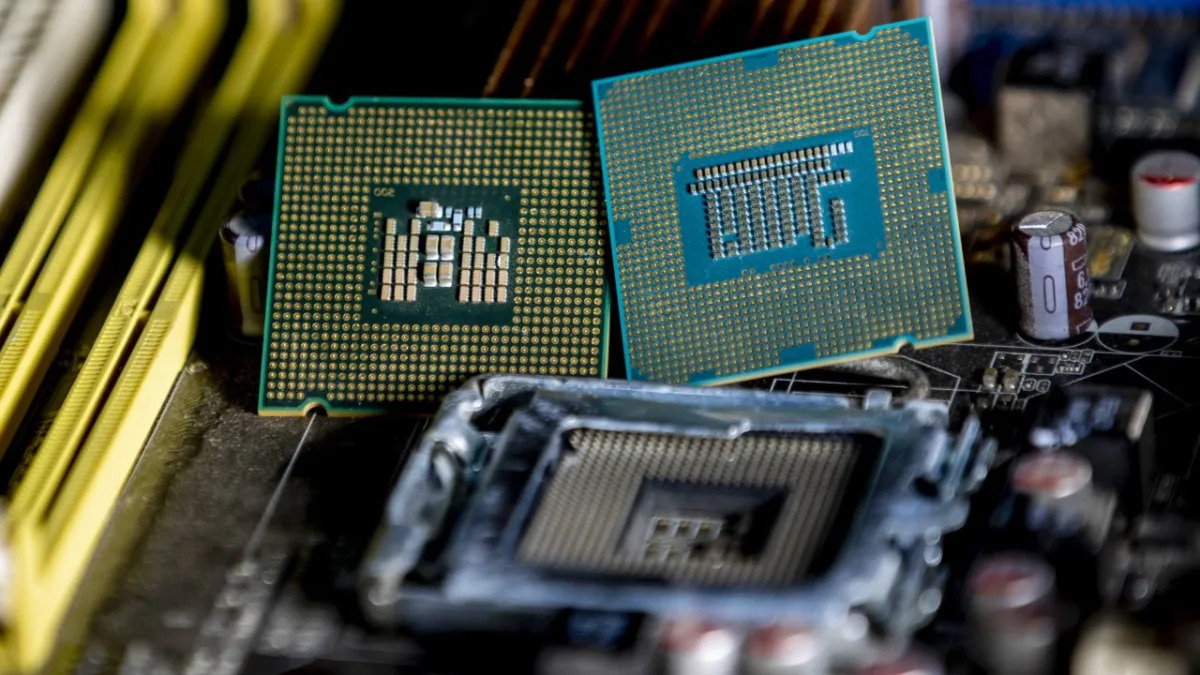
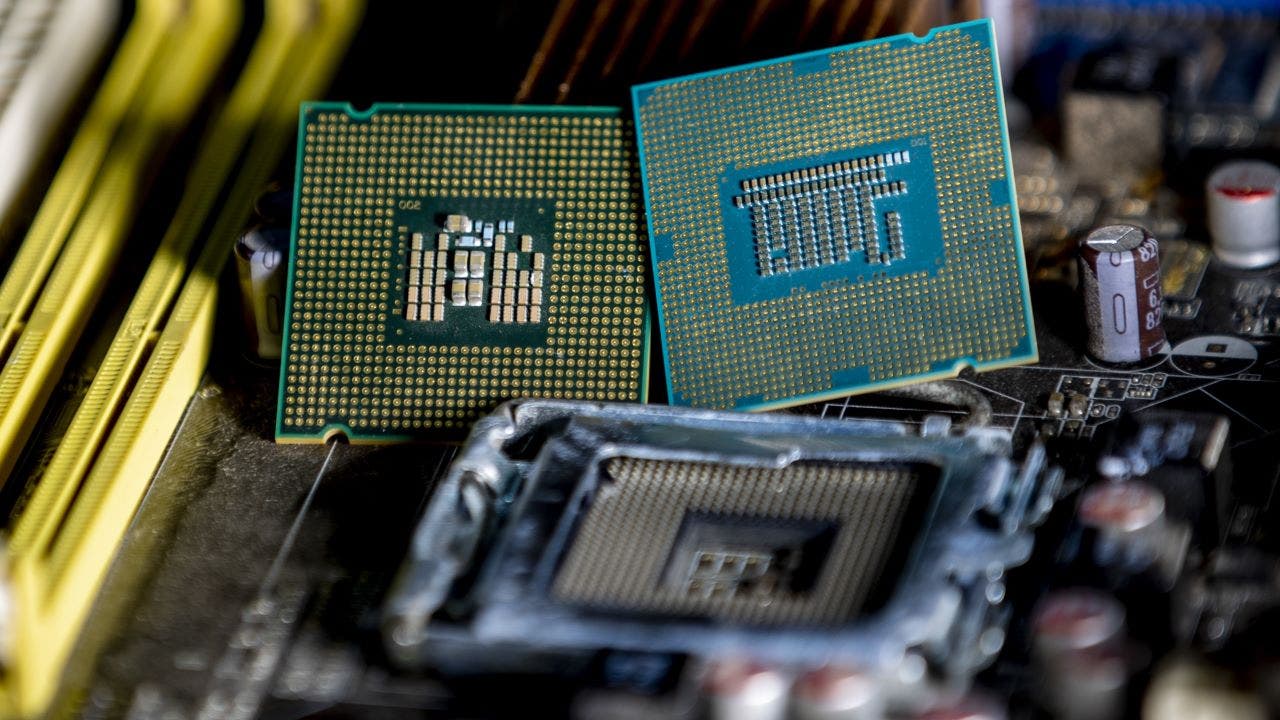
Intel and AMD shares dropped after reports that China has implemented new guidelines to restrict the use of US-made microprocessors and servers in government computers, causing Intel's stock to fall by 2.9% and AMD's to slip by less than 1% in New York.
China has issued new guidelines to phase out U.S.-made microprocessors from Intel and AMD in government computers, along with Microsoft's Windows operating system and foreign-made database software, in favor of domestic options. The move comes after the U.S. government announced a significant financial award to Intel under the CHIPS and Science Act, aiming to boost domestic chip production. Intel plans to invest $100 billion in the U.S. to expand chipmaking capacity and develop AI chips, while China's ban on Intel and AMD chips could impact their presence in the Chinese market.
China has issued new guidelines to phase out U.S.-made microprocessors from Intel and AMD, as well as Microsoft's Windows operating system and foreign-made database software, from government computers in favor of domestic options. The move comes after the U.S. government announced a substantial financial award to Intel under the CHIPS and Science Act, aiming to boost domestic chip production. Intel plans to use the funding to build new factories, modernize existing facilities, and expand research and development capabilities in the U.S.
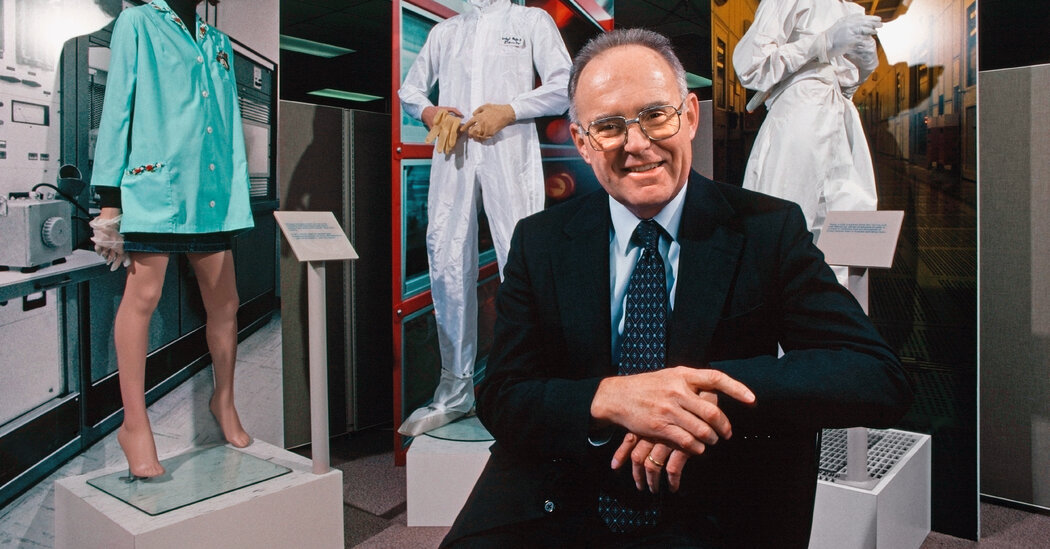
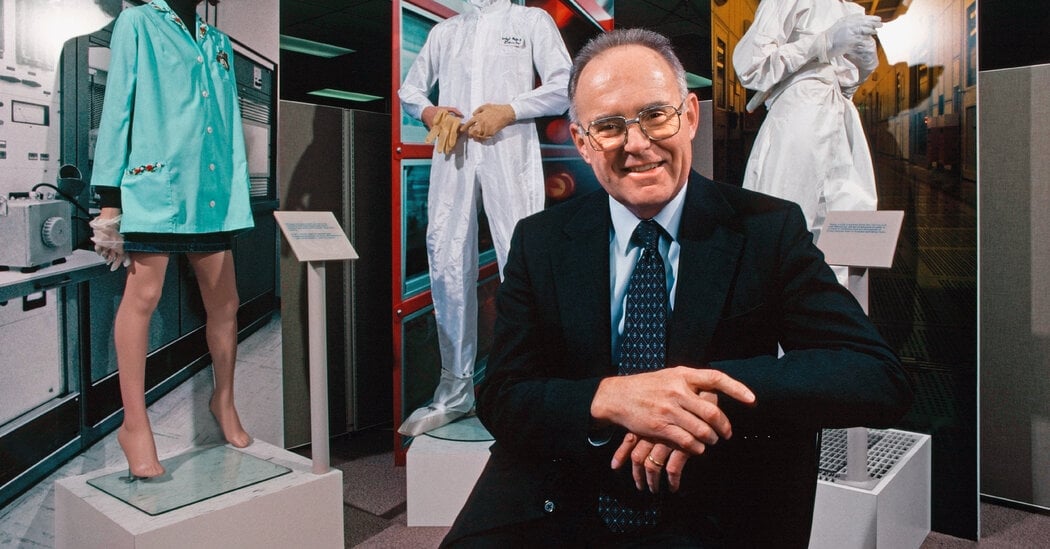
Gordon E. Moore, co-founder and former chairman of Intel Corporation, has died at the age of 94. Moore was responsible for predicting in the 1960s that the number of transistors that could be placed on a silicon chip would double at regular intervals, thus increasing the data-processing power of computers exponentially, a prediction that became known as Moore's Law. He was also instrumental in bringing laptop computers to millions of people and embedding microprocessors into everyday items. Moore's legacy extends beyond Intel, as he and his wife created the Gordon and Betty Moore Foundation, which has given away more than $5 billion since its founding.
Gordon Moore, co-founder of Intel and creator of "Moore's Law," has passed away at 94. He and Robert Noyce founded Intel in 1968, and Moore's prediction that the number of transistors on an integrated circuit would double every year proved accurate. Moore served as CEO and chairman of the board at Intel before stepping down in 2006 and establishing the Gordon and Betty Moore Foundation with $5 billion in funding. The foundation supported environmental conservation efforts and donated to science and technology departments at educational institutions.
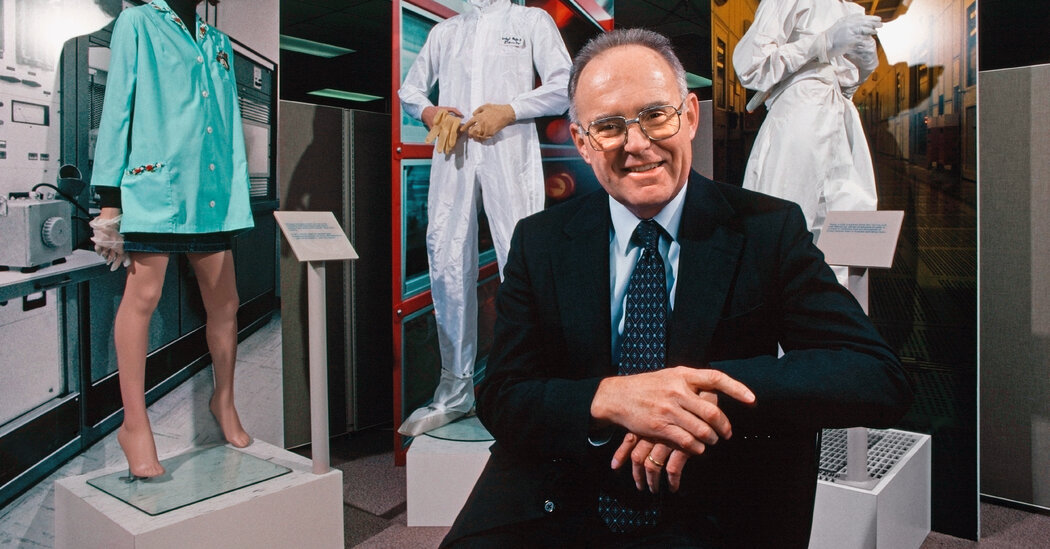
Gordon E. Moore, co-founder and former chairman of Intel Corporation, has died at the age of 94. Moore was a key figure in the development of the microchip industry and is best known for his prediction in 1965, known as Moore's Law, that the number of transistors on a silicon chip would double at regular intervals, thus increasing the data-processing power of computers exponentially. He was also a major figure in philanthropy, having created the Gordon and Betty Moore Foundation with his wife in 2001.
Gordon E. Moore, the co-founder and former chairman of Intel Corporation, has died at the age of 94. Moore was a key figure in the development of the microchip industry and is best known for his prediction in 1965, known as Moore's Law, which stated that the number of transistors on a silicon chip would double at regular intervals, thus increasing the data-processing power of computers exponentially. Moore's Law held up for decades and enabled American manufacturers to regain the lead in the vast computer data-processing field from their formidable Japanese competitors.