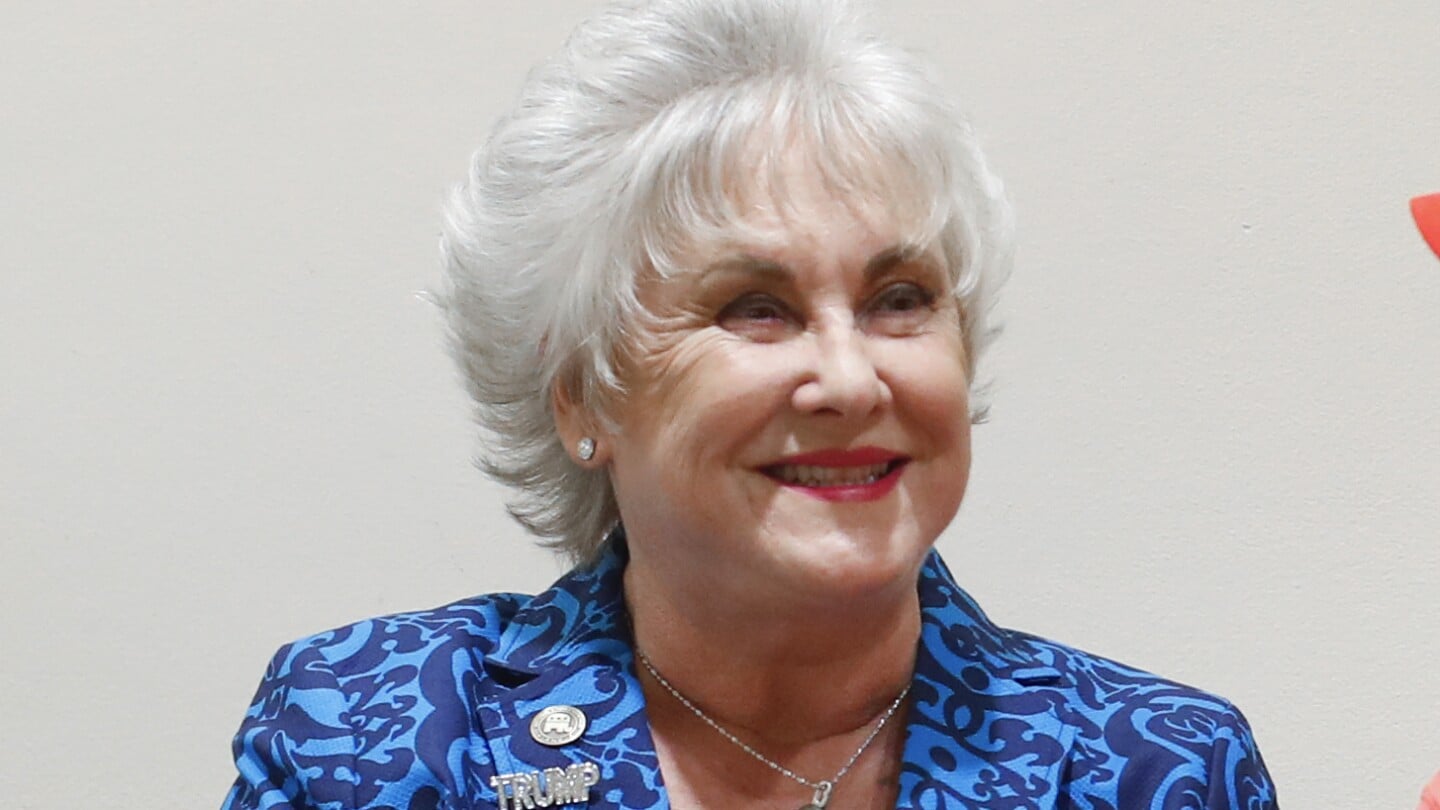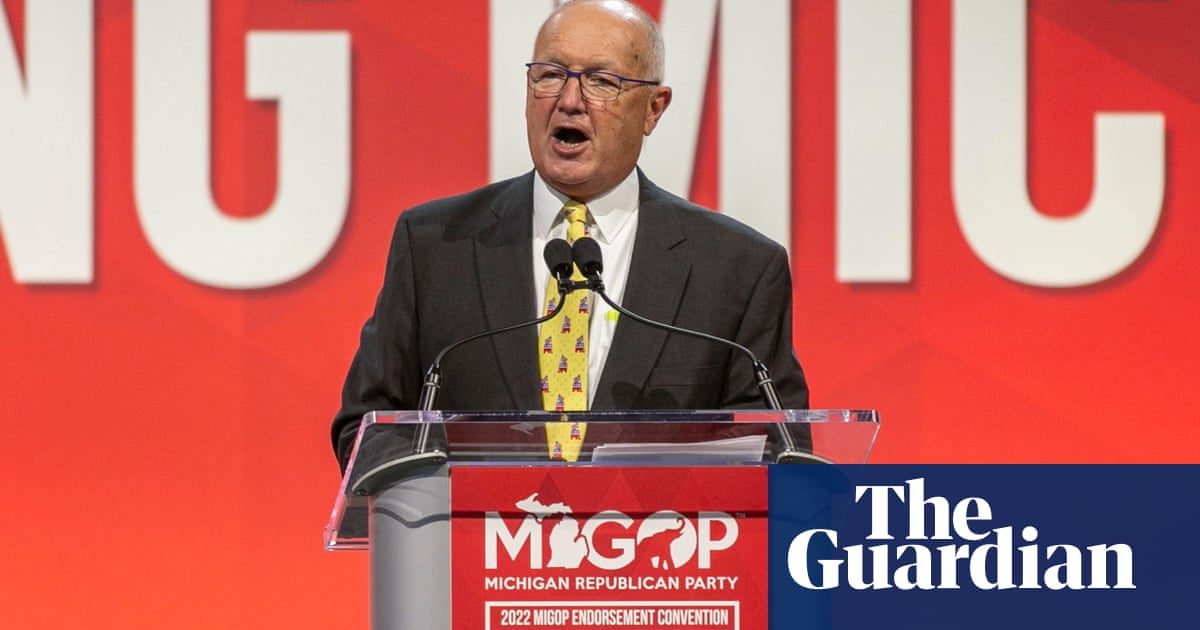
Michigan Republicans are gathering for a convention to select delegates for the national convention, with tensions high following the ousting of former party chair Kristina Karamo. The power struggle has led to fractures within the party, and Karamo's allies may confront establishment-leaning Republicans at the convention. The new party chair, Pete Hoekstra, aims to unify the party and win back major donors, while Karamo continues to contest her removal. The convention will be a crucial moment for the state party's efforts to reconcile and move forward.
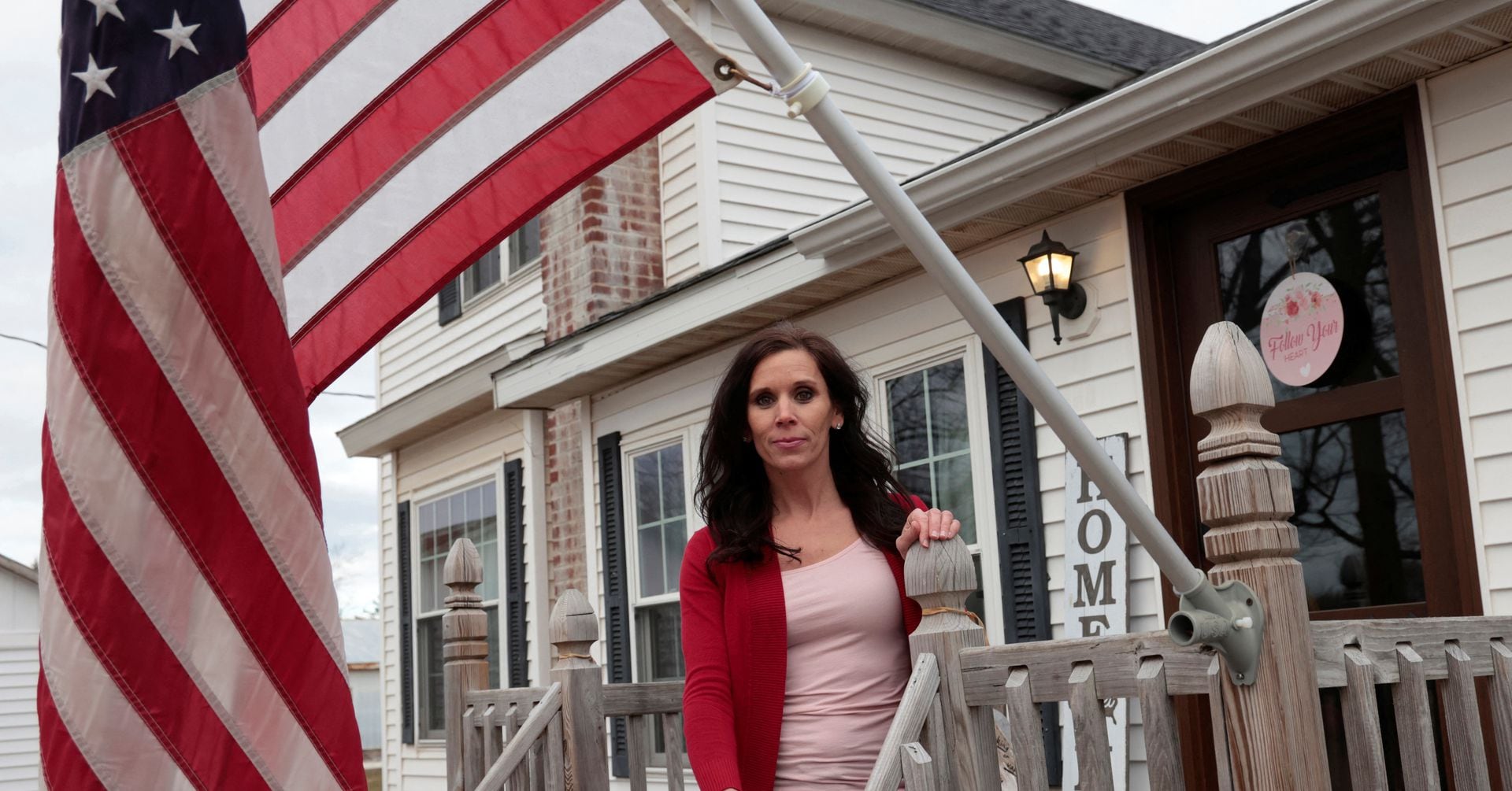
The Michigan Republican Party is embroiled in turmoil, with accusations of adultery, corruption, and incompetence leading to deep divisions within the party. The fight to oust the current party chair, Kristina Karamo, has escalated, with allegations of adultery against a party member and a police investigation. The turmoil has raised concerns about the party's ability to support former President Donald Trump's re-election bid in a battleground state that Democratic President Joe Biden won in 2020. The infighting has also led to a significant decrease in campaign donations and threatens to leave Republican activists disillusioned and less likely to volunteer or vote.
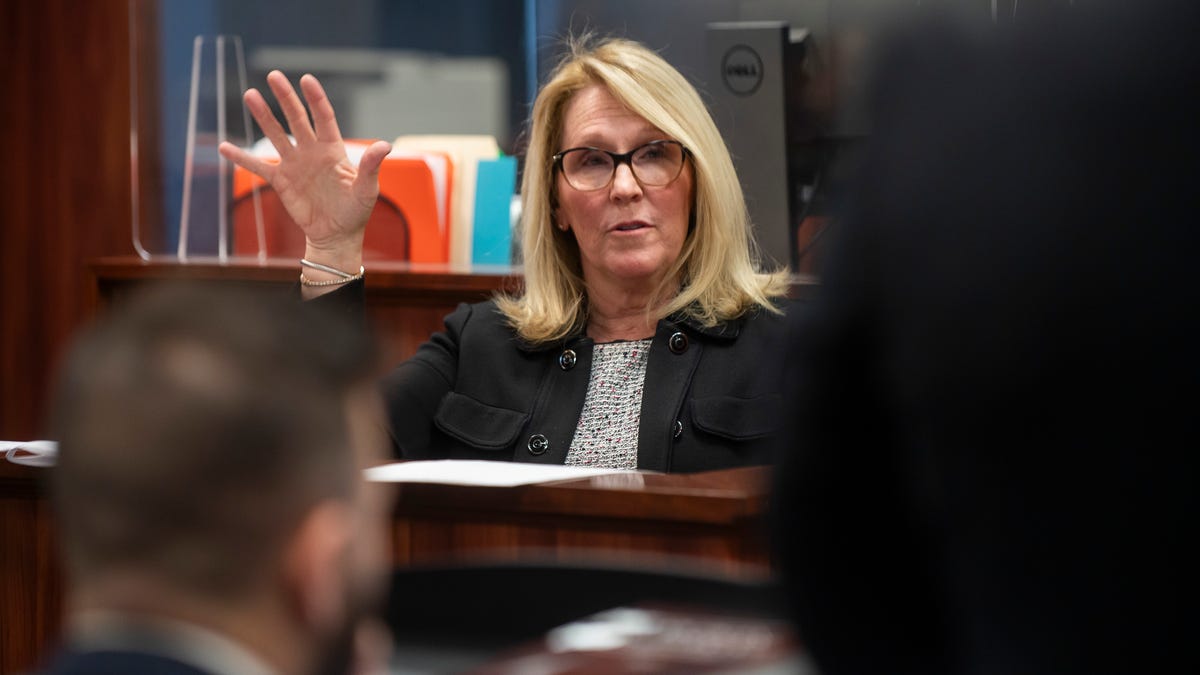
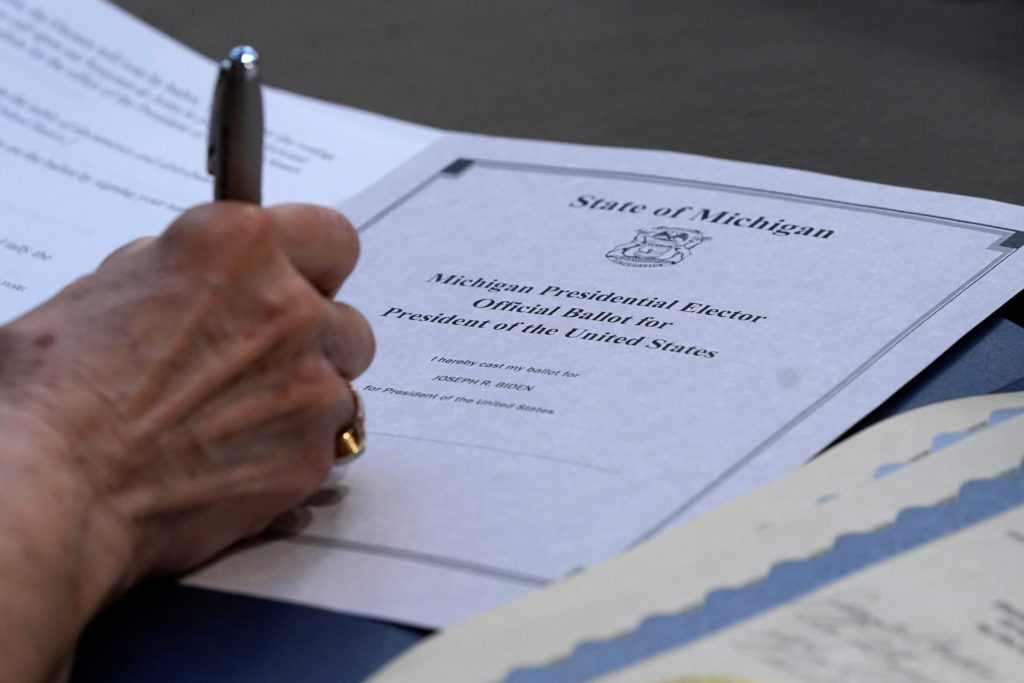
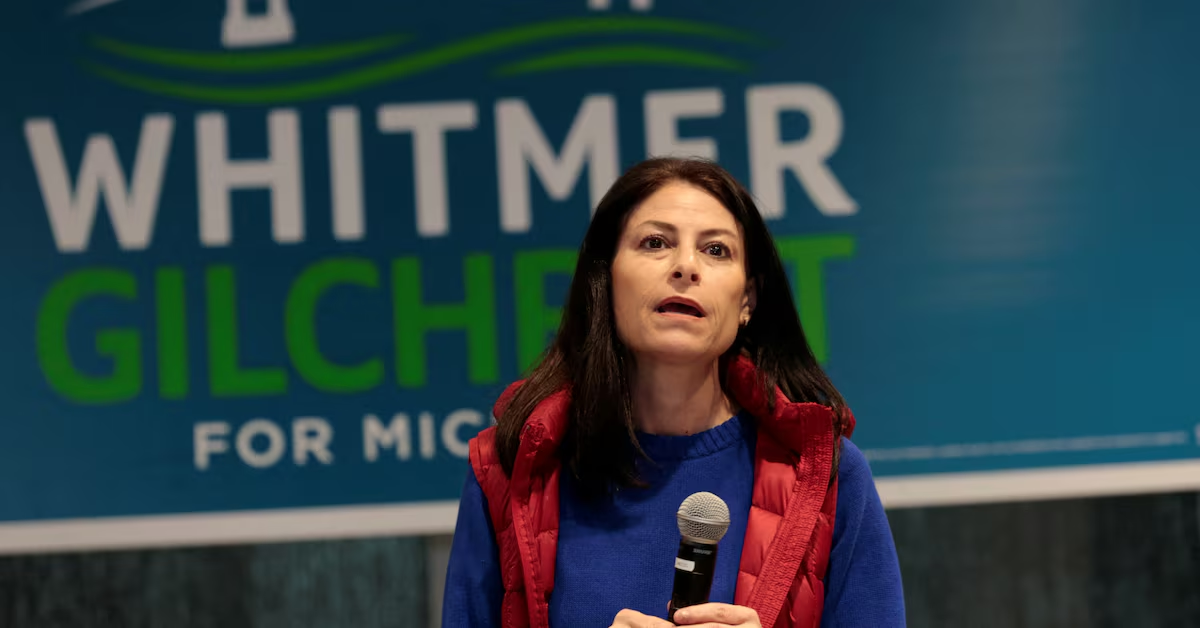
Testimony in court revealed that top Michigan Republicans tied the false certificate claiming Donald Trump won the state's 2020 presidential election directly to Trump's campaign, with campaign staffers involved in recruiting attendees and running the meeting of the false electors. The testimony could be crucial in proving intent to defraud, as lawyers working for Trump may have directed the Michigan Republicans or the activists may not have understood what they were signing. The preliminary examinations for six Republican electors continue as Attorney General Dana Nessel's office pursues criminal forgery charges.
A group of Michigan Republicans has submitted a request for a special meeting to consider removing Chairwoman Kristina Karamo and other members of her leadership team from the GOP's state committee. If successful, a vote could take place on December 27th, potentially ending Karamo's tenure 10 months before the 2024 presidential election. Karamo has faced criticism for fundraising shortfalls, internal divisions, and failing to fulfill campaign promises. Opponents would need 75% of the state committee's support or a change in bylaws to unseat her. The Michigan Republican Party has faced financial challenges, with about $35,000 in its bank accounts in August and the possibility of "imminent default" on its line of credit.
All 16 Michigan Republicans accused of participating in a fake elector scheme to keep former President Donald Trump in power have pleaded not guilty to charges of forgery and conspiracy to commit election forgery. The defendants, including prominent Republicans such as a Michigan committeewoman and a former co-chair of the Michigan Republican Party, appeared in court and challenged the charges, claiming they did nothing wrong and accusing the Michigan Attorney General of being politically motivated. The court appearances mark the beginning of what is expected to be a lengthy legal battle, while investigations into similar cases in other states are ongoing.
Nine Michigan Republicans, including Kathy Berden and Amy Facchinello, pleaded not guilty to charges related to a fake elector scheme aimed at keeping former President Donald Trump in power. Michigan Attorney General Dana Nessel filed criminal charges against the 16 Republicans, accusing them of falsely claiming to be Michigan's "duly elected and qualified electors" for president and vice president. The charges include forgery and conspiracy to commit election forgery, carrying a maximum penalty of 14 years in prison. The court appearances mark the beginning of a lengthy legal battle, with some defendants claiming innocence and accusing Nessel of political motivation. Investigations are also underway in other states that submitted fake electors.
Michigan Attorney General Dana Nessel has charged 16 Republicans with felonies, including forgery and conspiracy, for their alleged participation in a "false elector" scheme aimed at overturning former President Donald Trump's 2020 election loss in the state. The charges mark the first time individuals have been charged for attempting to overturn the election result through the political system. The defendants, including prominent Michigan Republicans, are accused of signing documents falsely claiming to be legitimate Electoral College delegates and submitting phony certificates to Congress. If convicted, they could face prison sentences ranging from five to 14 years.