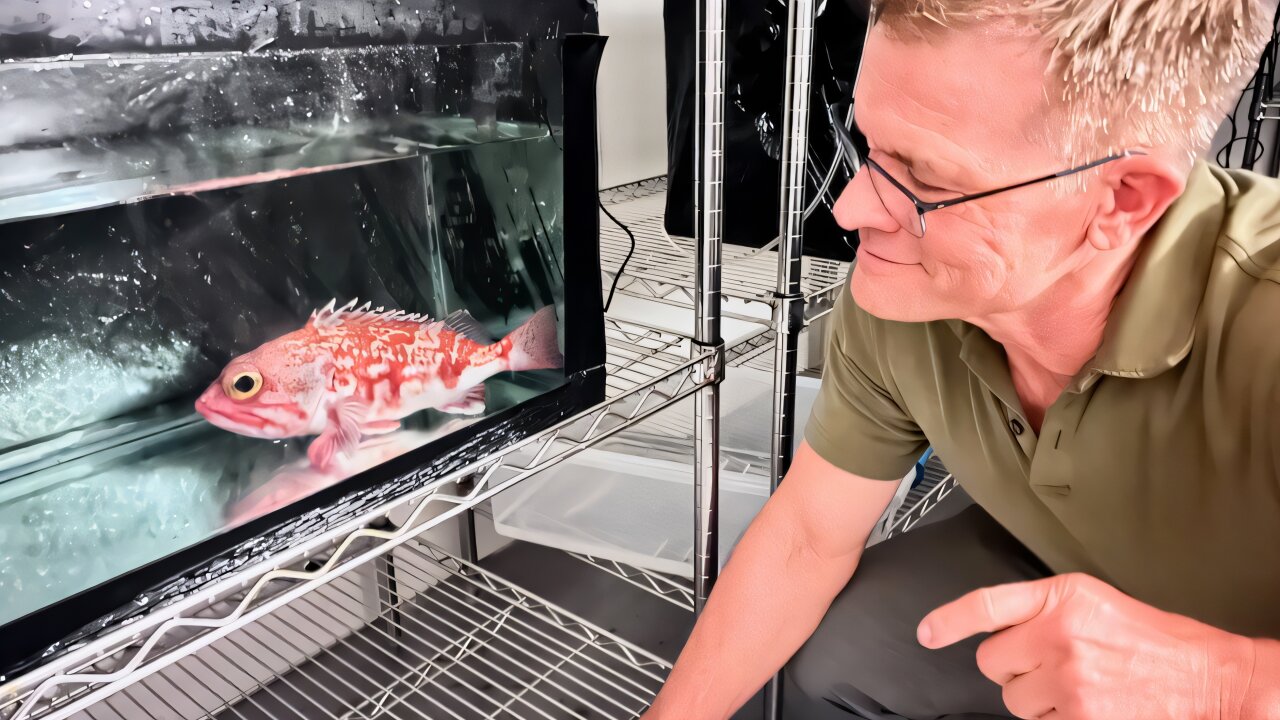
A study confirms that deep-sea mesopelagic fish, like the blackbelly rosefish, excrete carbonate minerals at rates similar to shallow-water species, highlighting their significant role in ocean carbonate production and the global carbon cycle.
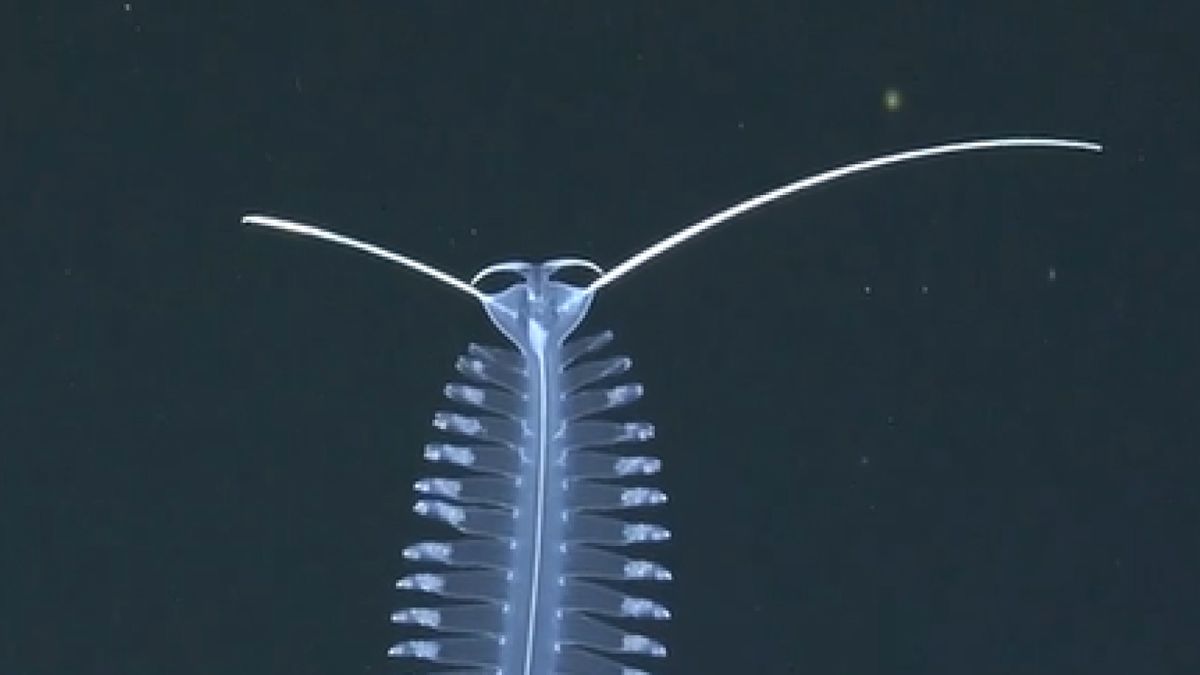
Mesmerizing footage captured a bioluminescent segmented gossamer worm, known as Tomopteris, swimming in the twilight zone off the coast of Chile. The worm, spotted by researchers from the Schmidt Ocean Institute, emits a golden-yellow bioluminescent mucus from its bristly paddles, possibly to evade predators. Scientists are puzzled by the worm's unique yellow bioluminescence and are still investigating the chemical responsible for creating this light, speculating that the worm may acquire it through its diet.
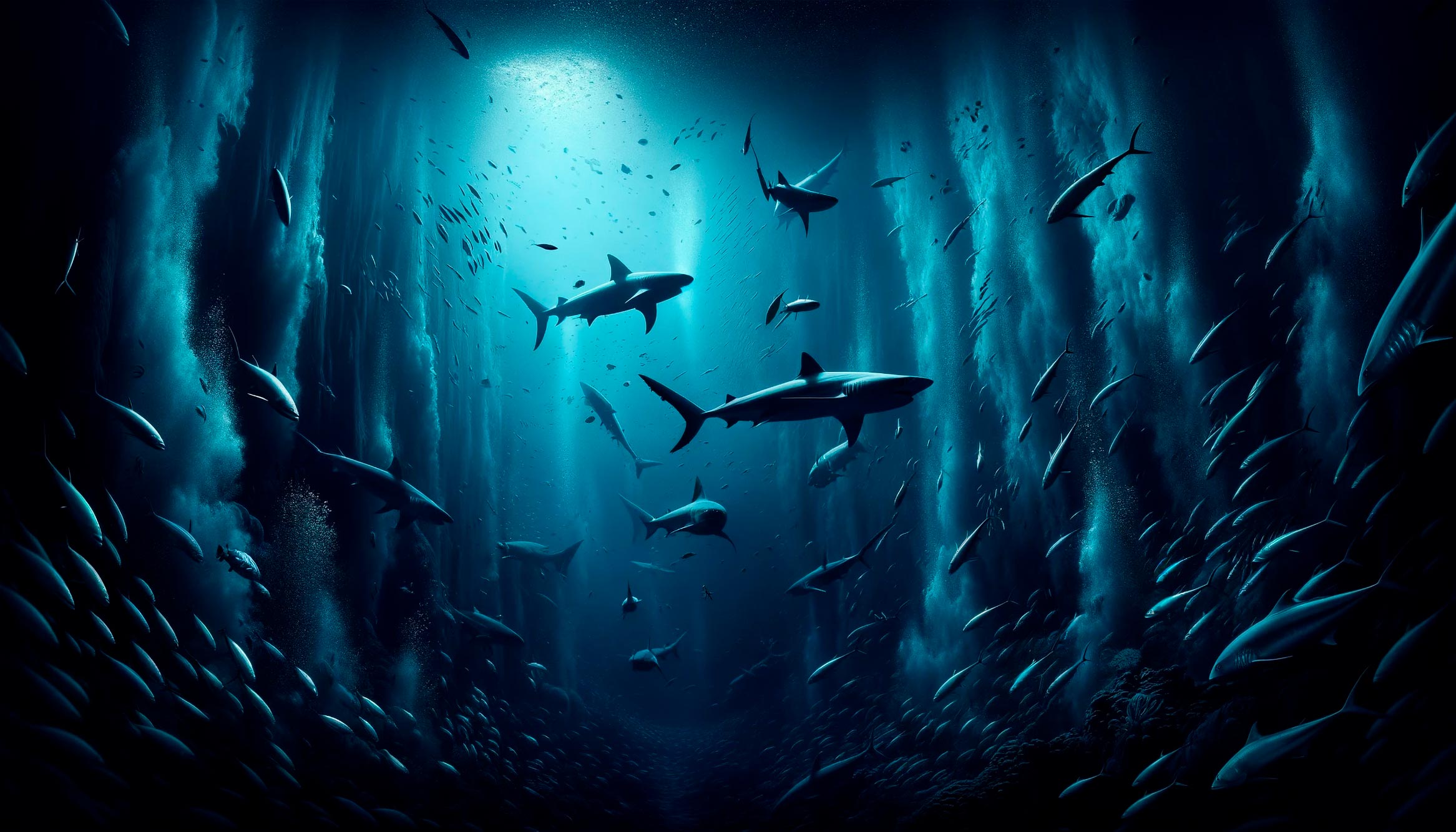
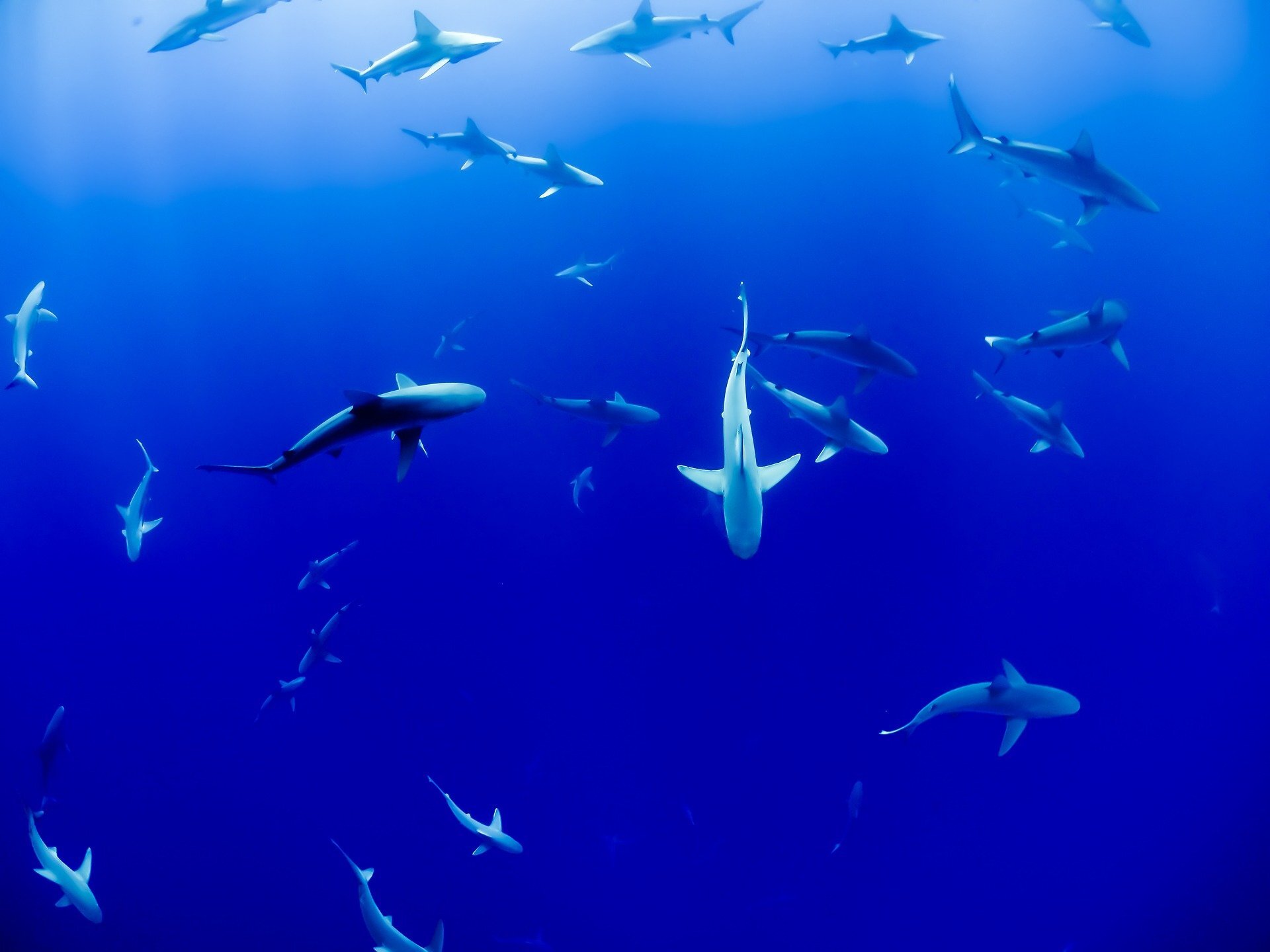
New research using electronic tags and sonar data reveals that large marine predators, such as sharks and tunas, frequently dive into the deep mesopelagic zone, also known as the twilight zone, to interact with its dense layer of organisms for feeding and potentially other purposes. This study highlights the ecological importance of the mesopelagic zone and emphasizes the need for its conservation to prevent irreversible damage. The findings also raise questions about the motivations behind deep diving behaviors and the potential ecosystem services provided by this critical habitat.
A new study reveals that large predatory fishes, including sharks, tunas, and billfish, frequently visit the deep ocean, particularly the mesopelagic zone. This zone, known as the ocean's twilight zone, has been underestimated as critical habitat for these species. The study, which incorporated data from electronic tags, shipboard sonar, satellites, and ocean models, highlights the ecological significance of deep diving for large pelagic predators. The research emphasizes the importance of a healthy mesopelagic zone, which provides various benefits and ecosystem services to humans. The findings also raise questions about the reasons behind these deep dives and the potential impacts of fishing and extraction activities on this critical ecosystem.