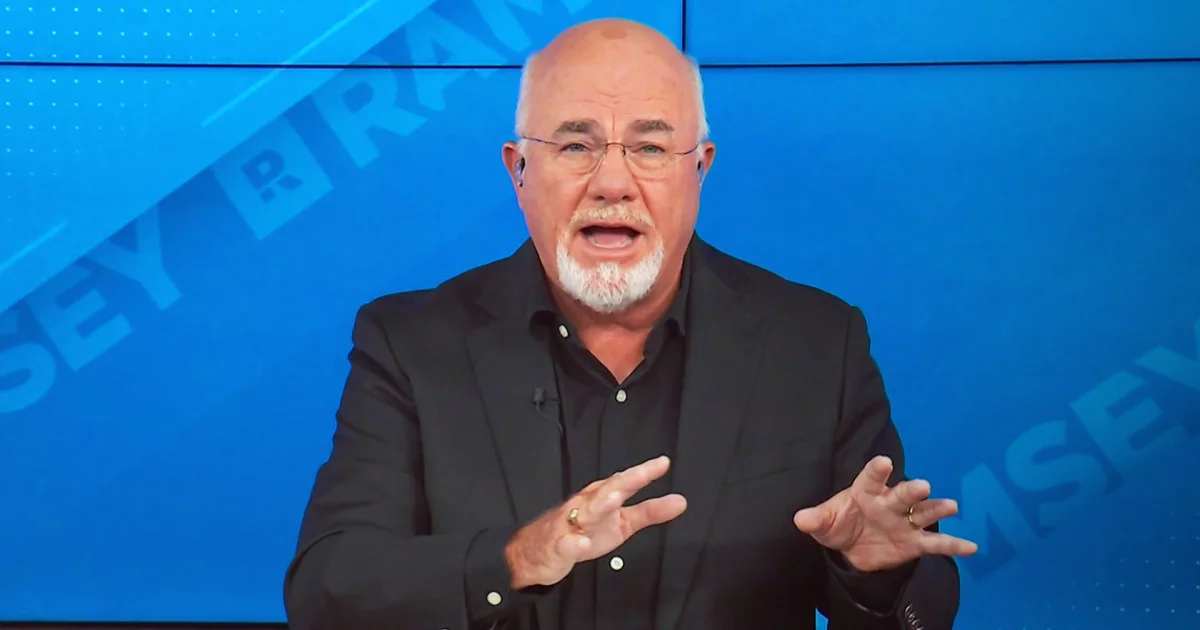
Dave Ramsey emphasizes that the Medicare Annual Enrollment Period (AEP) is for current beneficiaries to modify their coverage, not for first-time enrollees, who should sign up at age 65. He explains the differences between Original Medicare and Medicare Advantage, and highlights upcoming changes in 2026, including a cap on out-of-pocket drug costs at $2,100.
The Centers for Medicare & Medicaid Services (CMS) issued a final rule for the Contract Year 2025 Medicare Advantage and Part D programs, introducing changes to enhance protections, promote healthy competition, and ensure plans meet enrollees' needs. The rule includes provisions to prevent anti-competitive steering by agents and brokers, limit the distribution of personal beneficiary data, improve access to behavioral health care providers, increase awareness of unused supplemental benefits, and establish new standards for special supplemental benefits for the chronically ill. Additionally, the rule aims to analyze utilization management policies from a health equity perspective, enhance enrollees' rights to appeal plan decisions, and increase the percentage of dually eligible enrollees receiving Medicare and Medicaid services from the same organization.
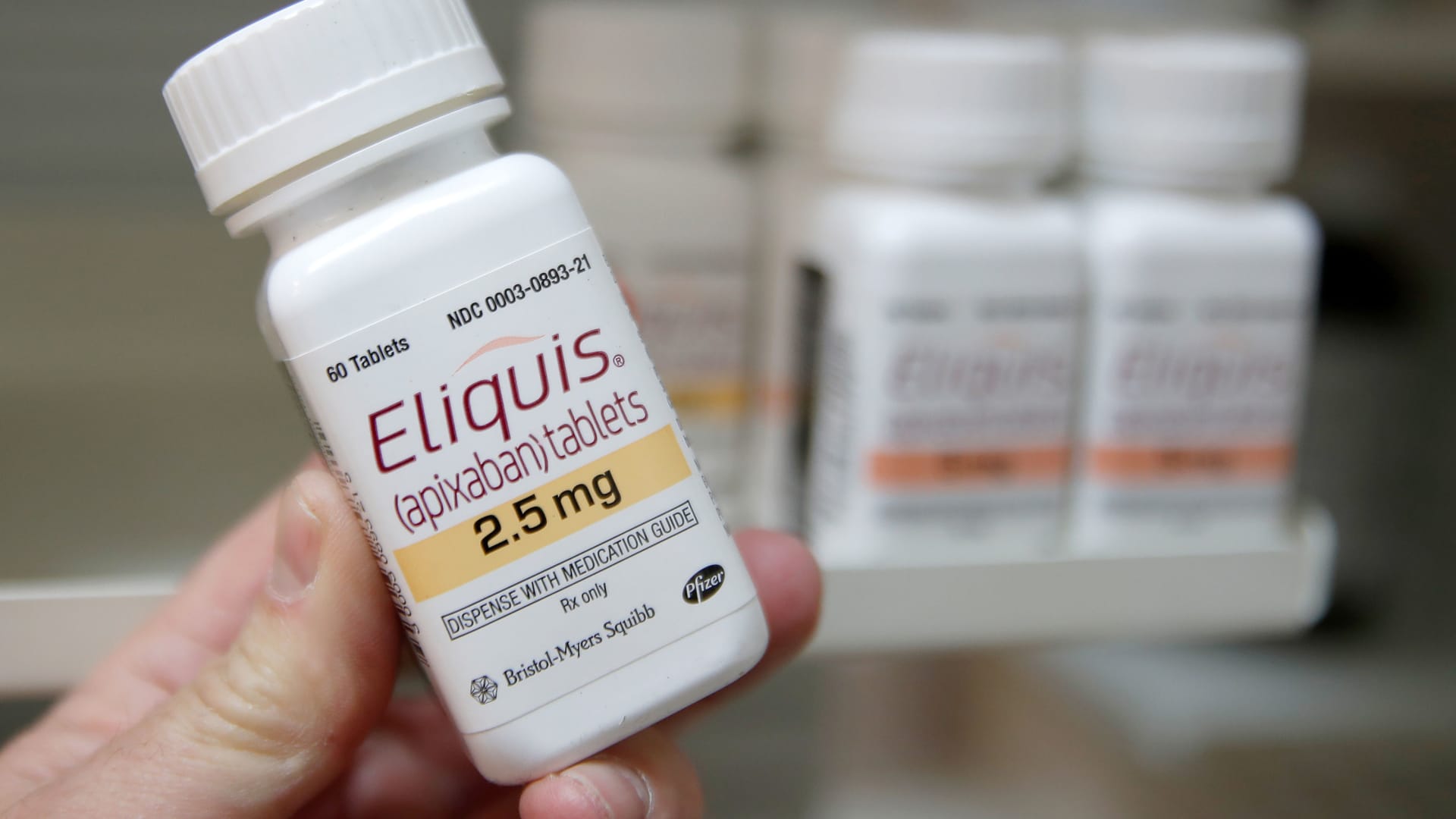
The Centers for Medicare & Medicaid Services (CMS) has finalized the Calendar Year 2025 Rate Announcement for the Medicare Advantage (MA) and Medicare Part D Prescription Drug Programs, with payments to MA plans expected to increase by 3.70 percent. The finalized policies include improvements to the Medicare Part D drug benefit, capping annual out-of-pocket costs at $2,000 for 2025, and updates to Medicare managed care plan payments. These changes aim to lower prescription drug costs and ensure access to affordable healthcare options for people with Medicare.
All 10 drugmakers of the first selected medicines for Medicare drug price negotiations have agreed to participate, despite previously suing to halt the process. The negotiations, empowered by President Joe Biden's Inflation Reduction Act, aim to make costly medications more affordable for older Americans. The companies now have until Monday to submit economic and market information on their drugs. The negotiation process will continue until August 2024, with reduced prices taking effect in January 2026. The talks are expected to save Medicare an estimated $98.5 billion over a decade and provide cost savings for Medicare enrollees.
The use of oral cancer drugs requiring prior authorization on Medicare Part D formularies has increased over the past decade, particularly for non-specialty brand drugs. The number of formularies and unique drug-dose-formulary combinations has also risen significantly. The proportion of drug-dose-formulary combinations requiring prior authorization has increased for specialty brand drugs, non-specialty brand drugs, and non-specialty generic drugs. The study highlights the need to evaluate the appropriateness of prior authorization for highly effective first-line drugs.