A busy week in entertainment features Harvey Weinstein’s interview from Rikers Island where he maintains innocence but apologizes for cheating on his wives, a Tarantino-Arquette exchange over the N-word and payback claims, Live Nation striking a DOJ settlement to ease its monopoly concerns, and the Writers Guild Awards celebrating winners across film and TV.
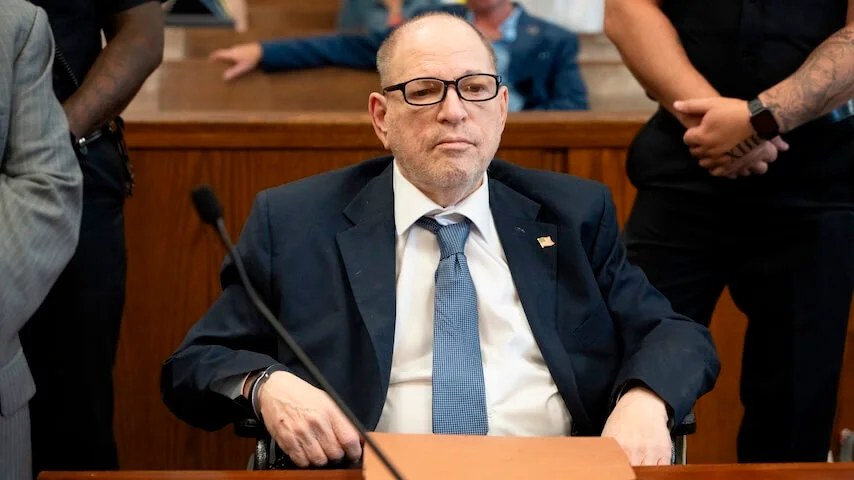
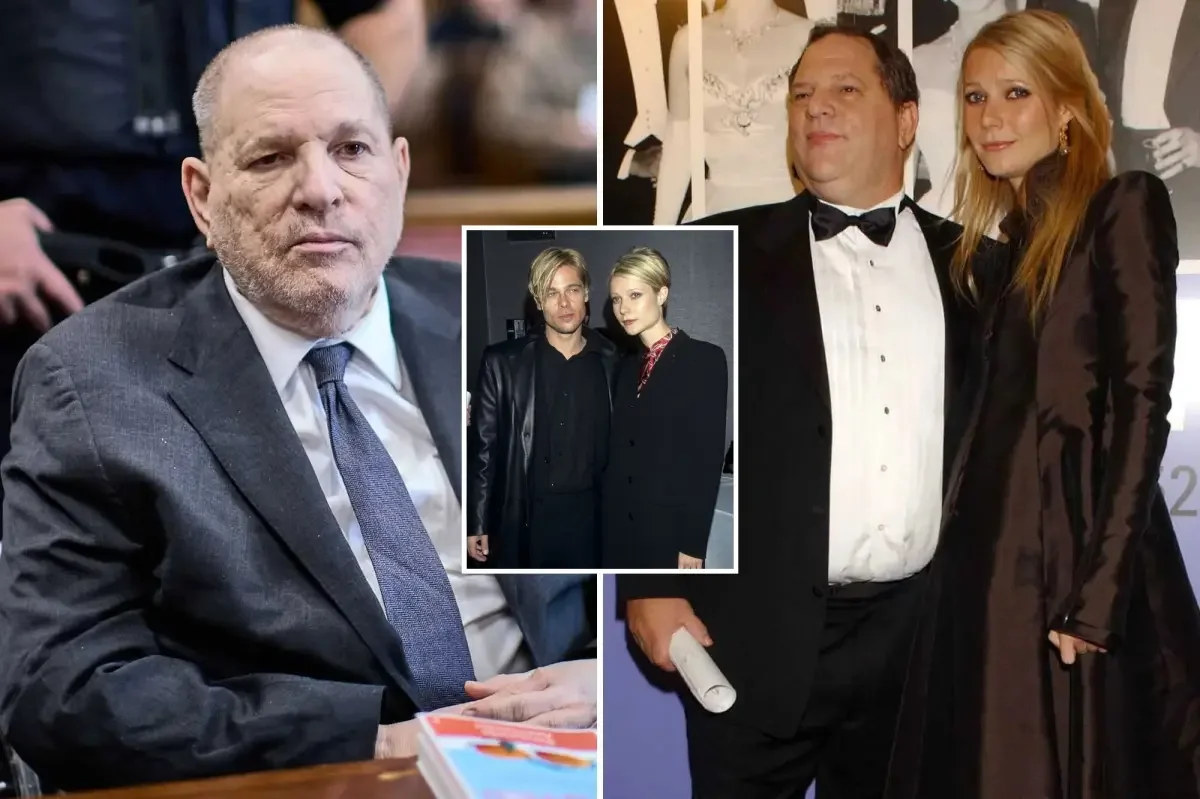
Disgraced producer Harvey Weinstein, speaking from his prison cell, says Gwyneth Paltrow “stabbed” him in the back by recounting a 1990s hotel-room massage incident and recalls Brad Pitt confronting him after Weinstein asked for a massage. Weinstein maintains nothing happened and blames Paltrow for turning the episode into a public controversy amid the #MeToo era; he has long faced sexual-misconduct allegations, was convicted, and is appealing with a retrial upcoming.
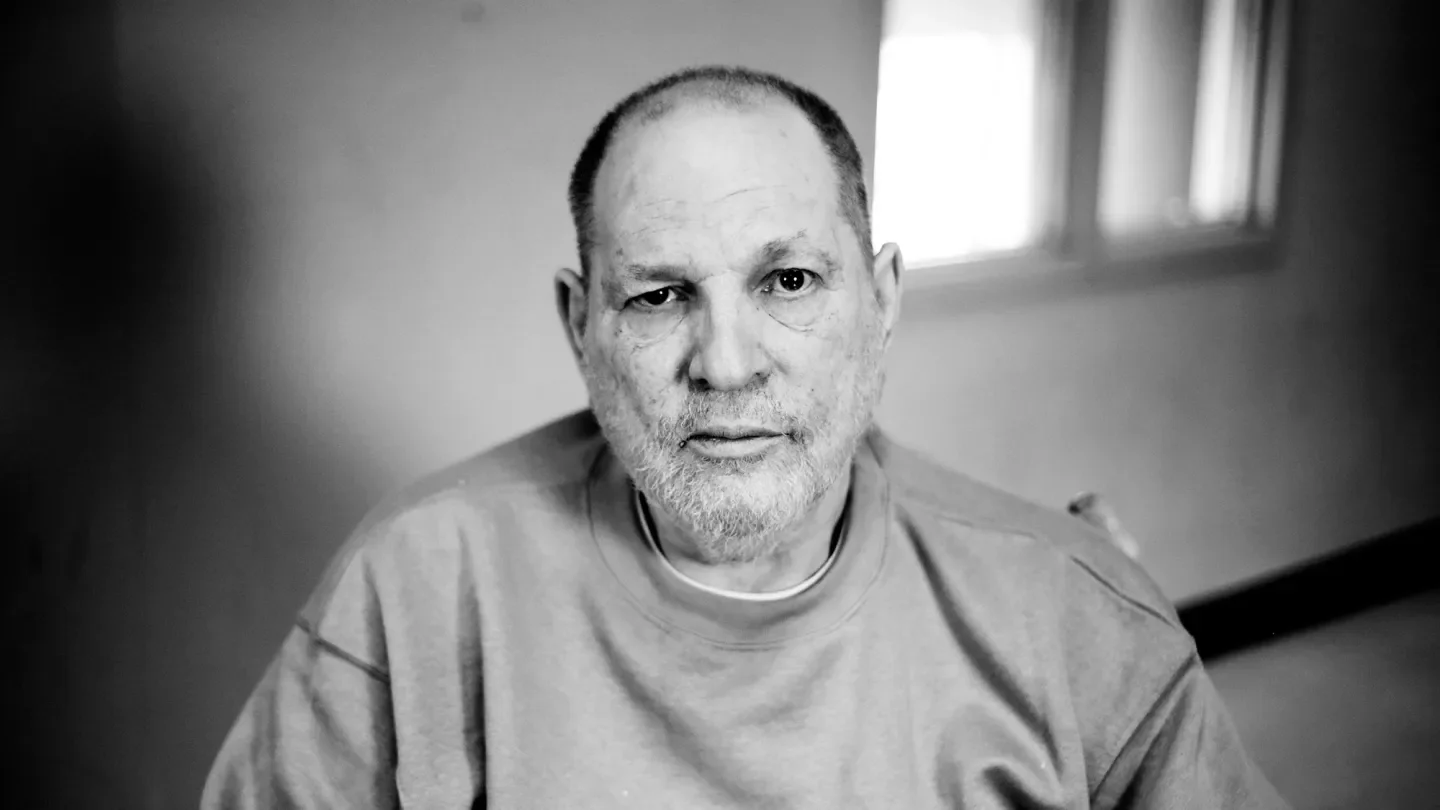
Harvey Weinstein sits for his first major sit‑down from Rikers Island, arguing he’s not a rapist and lamenting prison life, health issues and the MeToo movement, while reflecting on his legacy, his industry influence, and the ongoing legal battles—a portrait of a man clinging to power and fame even as he faces a collapsing public image.
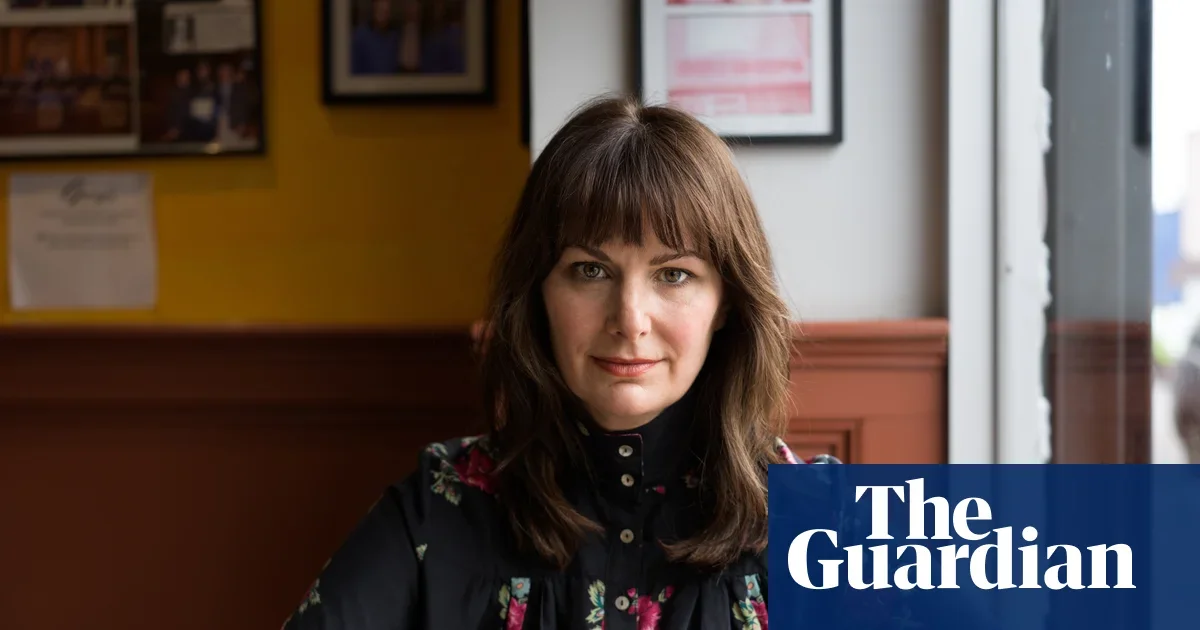
Julia May Jonas discusses the Netflix adaptation of her debut Vladimir, explaining that the novel probes how desire and aging distort perception and moral judgment, insisting on complex, non-punitive readings of MeToo-era events. The story centers on a narrator obsessed with a younger colleague, navigating an open marriage and the consequences of fixation rather than delivering tidy judgments. She cites Nabokov, Iris Murdoch, Ferrante, and Ginzburg as influences on portraying obsession as imprisoning, and notes the series adds layers, including Rachel Weisz's insecure professor and the character Lila to reflect unnamed allegations. The interview touches on her process of writing during the pandemic, her second novel Diana due in 2027, and a Lincoln Center play, while she manages family life with husband Adam Sternbergh. She remarks on avoiding Twitter to protect creative energy and emphasizes that knee-jerk moral dismissals do not deepen engagement with texts.
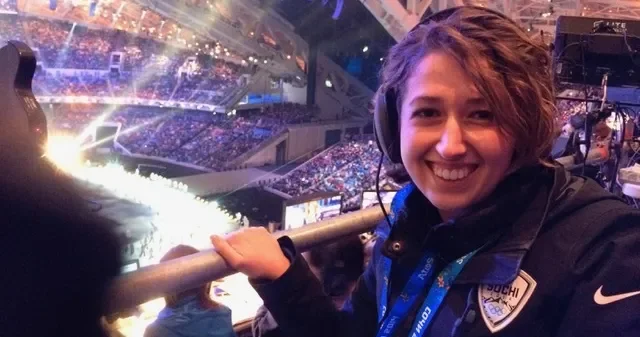
Brooke Nevils recounts the 2014 Sochi Olympics incident with NBC anchor Matt Lauer, describing a night marked by power imbalance and alcohol that left her unsure how to label what happened, initially viewing it as a misunderstanding rather than rape. By 2017 she publicly accused Lauer of sexual misconduct, using her MeToo moment to highlight the complexities of victimhood, consent, and accountability in media power dynamics.
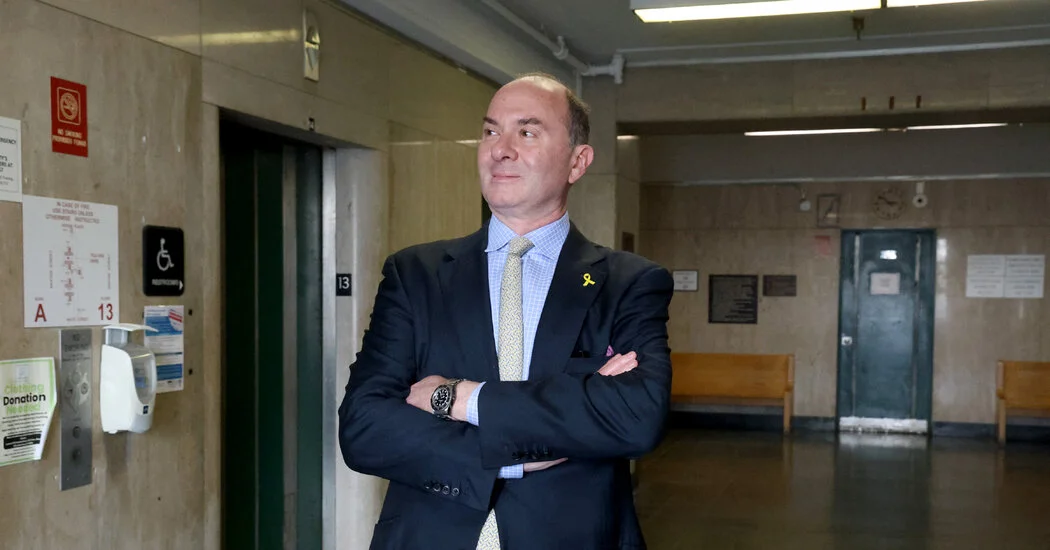
Three Alexander brothers (Oren, Tal, Alon) are jailed on sex-trafficking conspiracy charges and have mounted a well-funded publicity drive to discredit their accusers, enlisting high-profile PR figures and even operating a covert website to push a conspiracy against the women who allege abuse. The defense contends the encounters were consensual, framing the case as revenge, while the campaign—part of a broader post‑MeToo dialogue—demonstrates how publicity efforts can influence public perception and courtroom narratives.
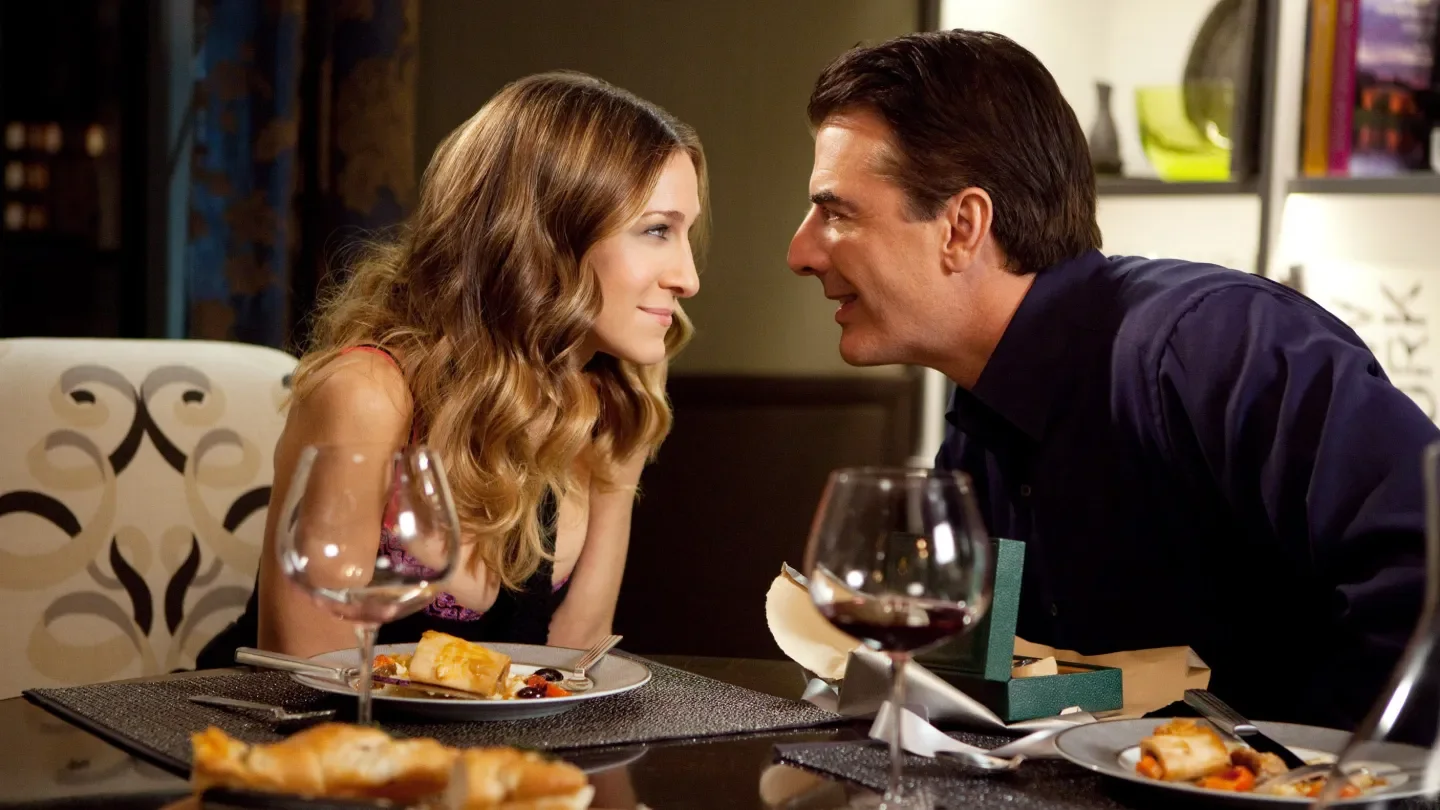
Chris Noth claims his rift with Sarah Jessica Parker began after she distanced herself following the 2021 sexual-assault allegations, with Parker issuing a statement in support of her accusers. He argues she should have called him to hear his side and criticizes the response as “brand management.” The feud resurfaced around Parker’s Golden Globes honor, and Noth notes he was later edited out of And Just Like That amid the controversy.
Kristen Stewart, as she promotes her directorial debut, passionately speaks out about the ongoing gender inequality in Hollywood, highlighting the challenges women face in filmmaking, the backsliding in progress, and the need for greater opportunities and representation for women in the industry.
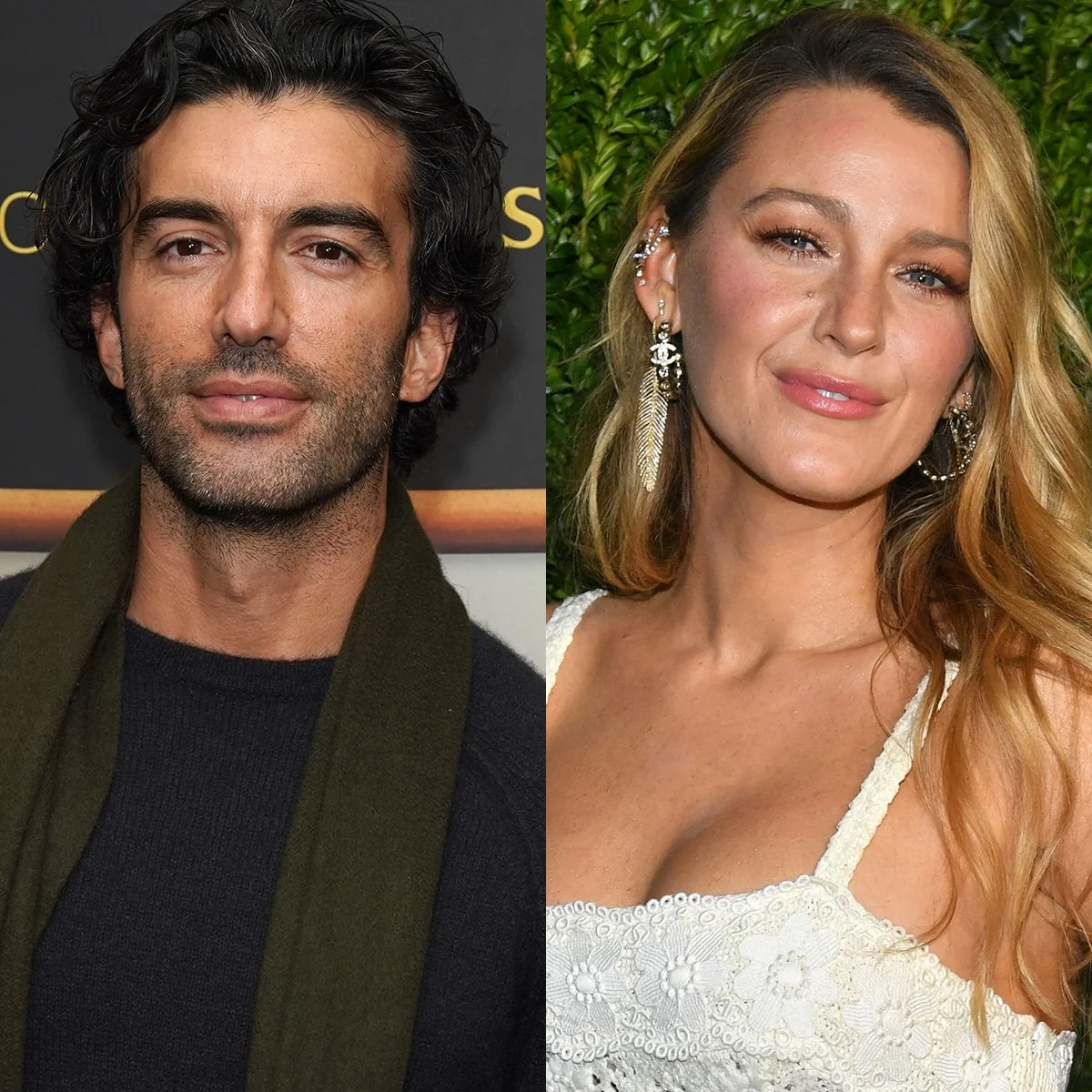
Justin Baldoni's $400 million legal battle with Blake Lively involves multiple lawsuits, allegations of misconduct, and counterclaims, with ongoing disputes over defamation, harassment, and retaliation, and the case is set to continue into 2026.
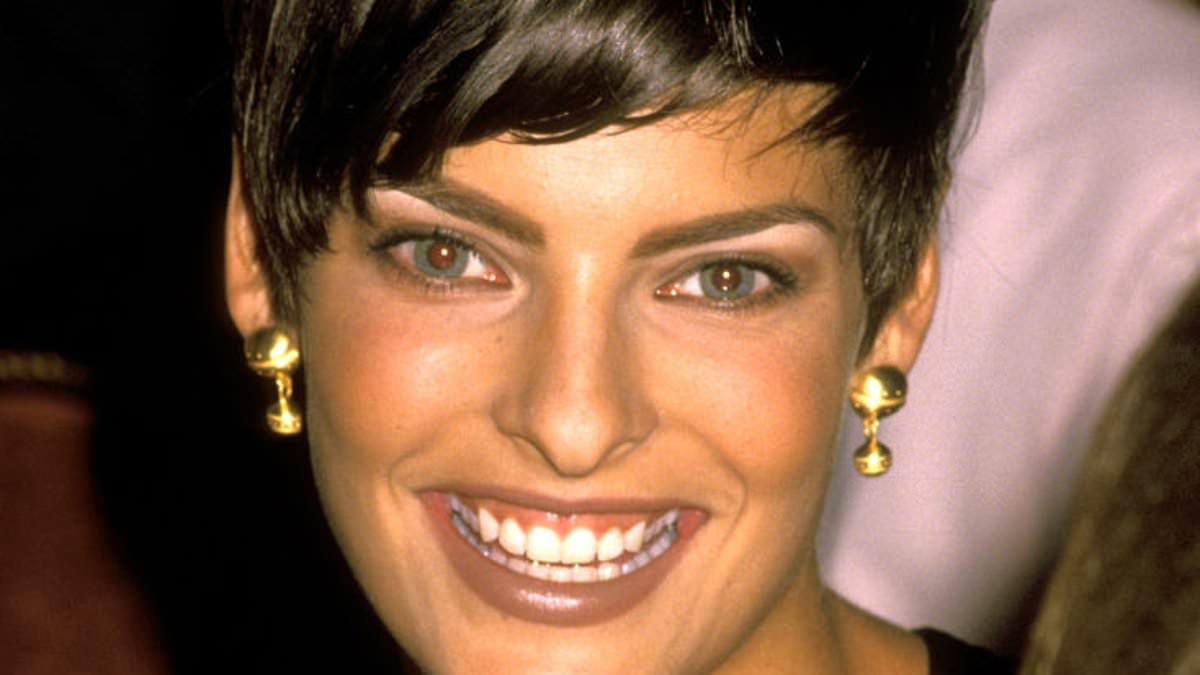
Supermodel Linda Evangelista opens up about feeling guilty and becoming a "clinically depressed recluse" after a botched fat-freezing procedure called CoolSculpting. The treatment resulted in thickened, hard, and numb bulges that could not be remedied by liposuction or compression garments. Evangelista also discusses her regrets about her marriage to Gerald Marie, who has faced allegations of rape and sexual misconduct. She expresses guilt for not speaking out sooner and encourages other women to come forward. Despite her struggles, Evangelista is learning to love her new body and has undergone therapy to cope with the allegations against her ex-husband.
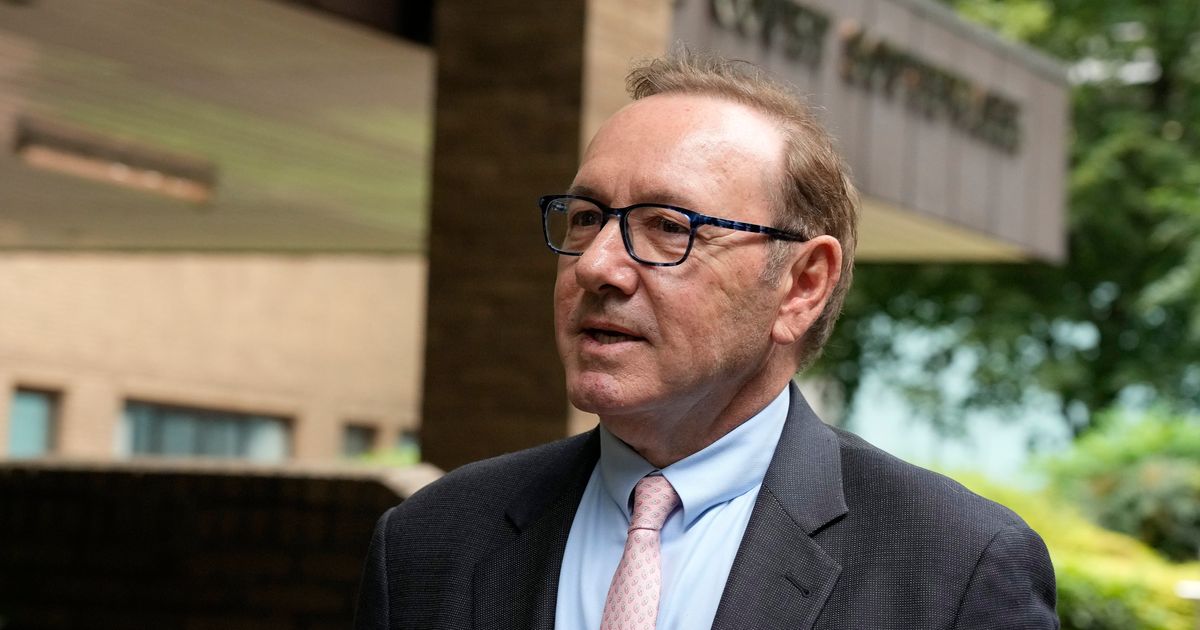
Actor Kevin Spacey has appeared in a London court to face charges related to the alleged sexual assaults of four men in the UK. Spacey, who has pleaded not guilty to 12 charges, including sexual assault and indecent assault, is accused of incidents that allegedly occurred between 2001 and 2013. The trial is expected to last four weeks, and Spacey's lawyers have stated that he "strenuously denies" the charges. This is the latest in a series of accusations against Spacey, which began in 2017 and led to the halt of his career.