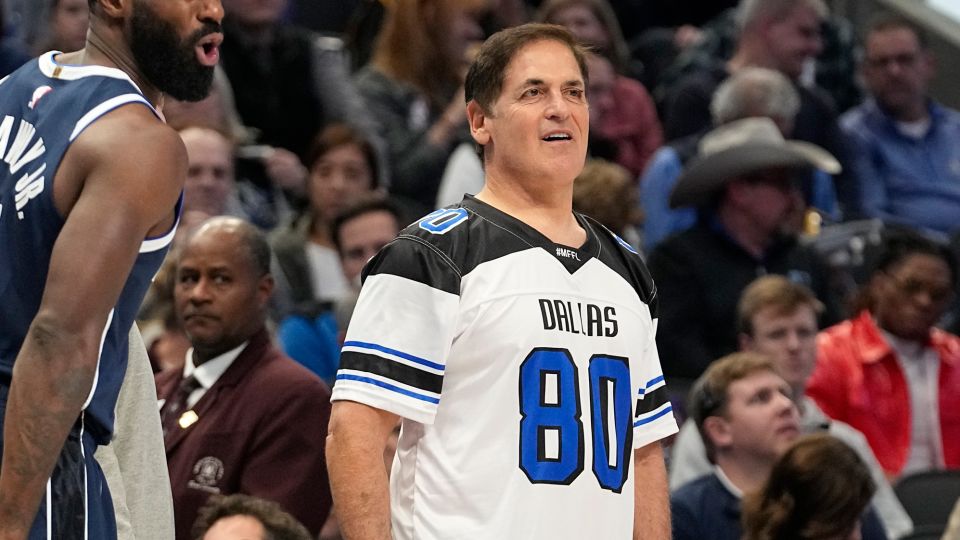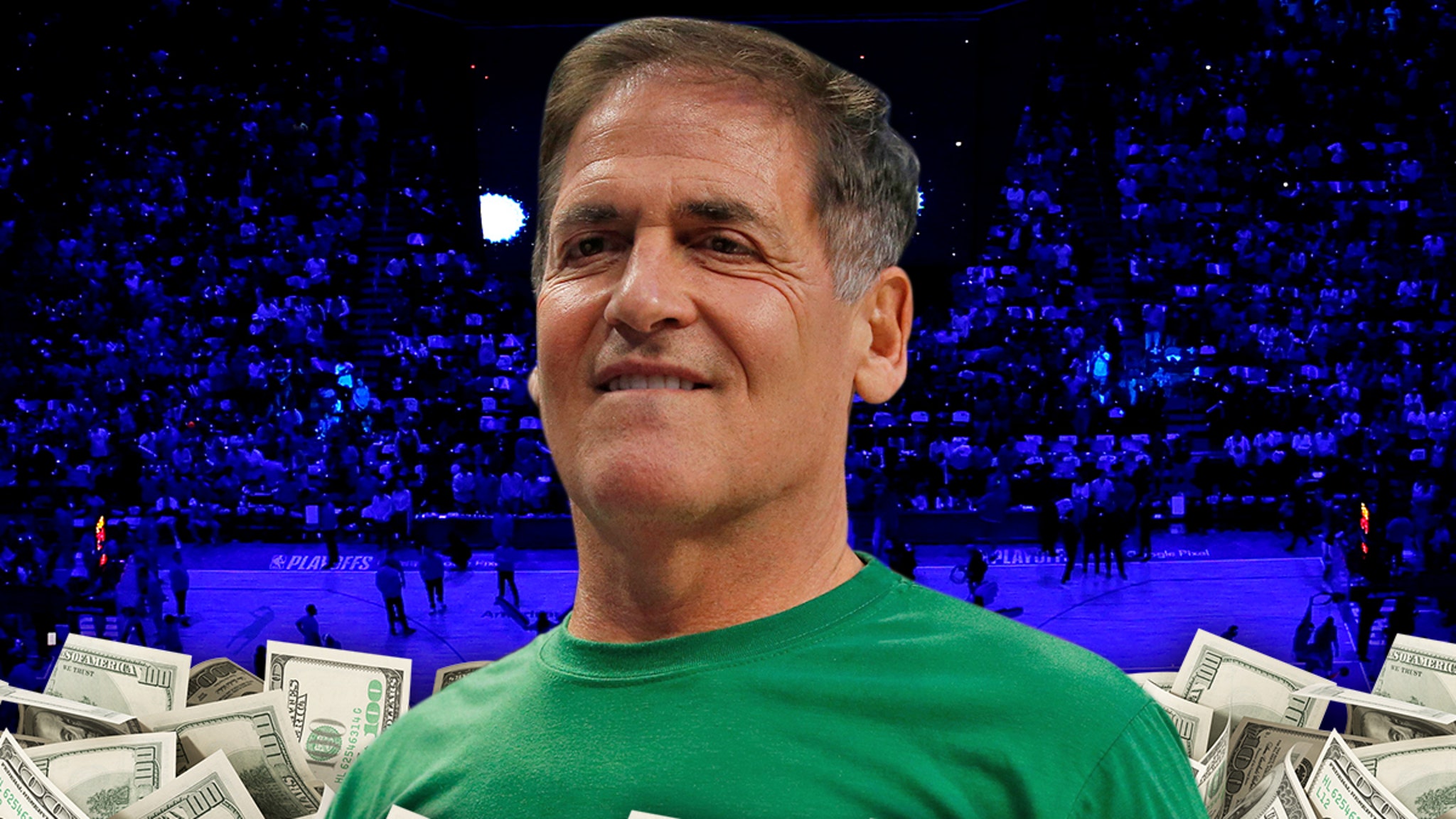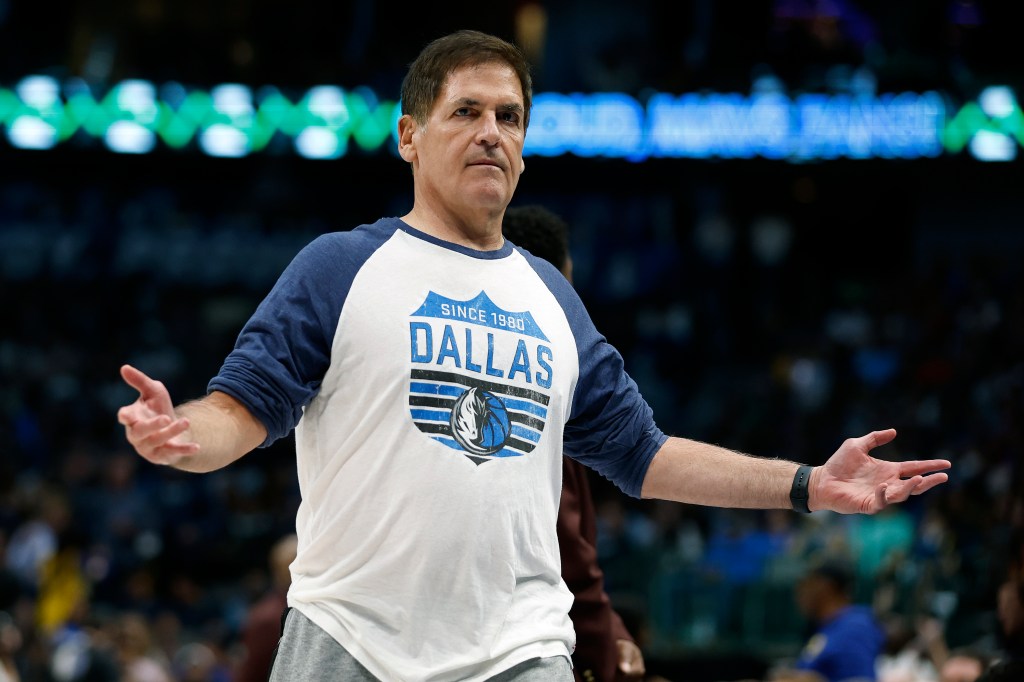
Mark Cuban, after selling his majority stake in the Dallas Mavericks to the Las Vegas Sands casino company families for $3.5 billion, has decided to give $35 million in bonuses to the team's employees as a gesture of gratitude for their contributions to the organization. The bonuses will be distributed based on the duration of each employee's service with the Mavericks. Additionally, Cuban announced that the upcoming 16th season of the reality show Shark Tank will be his last.
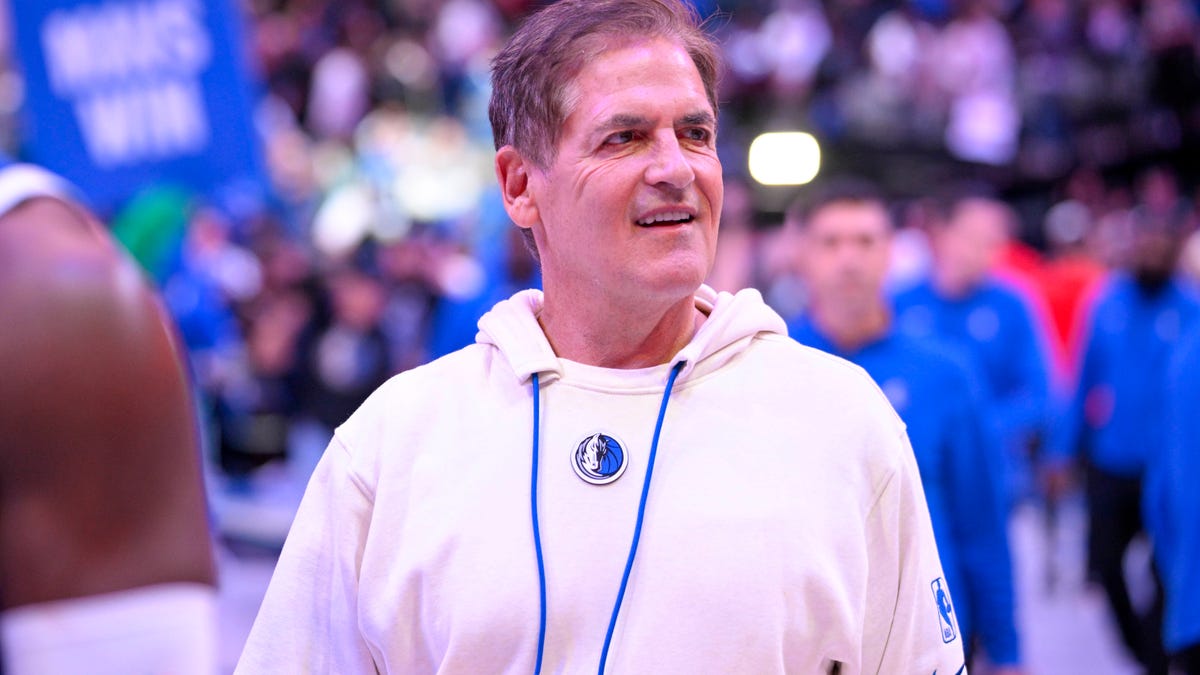
Mark Cuban, after selling his majority stake in the Dallas Mavericks to Miriam Adelson's family for $3.5 billion, is giving $35 million in bonuses to team employees. The new governor of the Mavericks will be Patrick Dumont, Adelson's son-in-law. Cuban, who still owns 27% of the team and manages basketball operations, expressed his gratitude to the staff for their dedication to the organization in an email, outlining that the bonus amounts were determined by the length of each employee's service to the team.
Mark Cuban, after selling a majority stake in the Dallas Mavericks to the Adelson and Dumont families, announced a distribution of over $35 million in bonuses to team employees as a gesture of appreciation for their hard work. The bonuses will be calculated based on the duration of each employee's service to the Mavs. Cuban will retain a significant role and partial ownership, continuing to oversee basketball operations.
Mark Cuban, after selling a majority stake in the Dallas Mavericks to the Adelson and Dumont families, has announced that he will distribute over $35 million in bonuses to team employees as a gesture of thanks for their hard work. The bonus amounts will be determined by the length of each employee's service to the franchise. Cuban will retain a significant role and partial ownership, continuing to oversee basketball operations. The Mavericks are recognized as one of the most successful and popular NBA franchises, with a dedicated fanbase and a history of international superstars.
Mark Cuban, billionaire and owner of the Dallas Mavericks, has publicly defended diversity, equity, and inclusion (DEI) initiatives, emphasizing that they do not compromise merit in hiring but rather expand the candidate pool. His stance comes amidst a debate with fellow billionaires Elon Musk and Bill Ackman, who have criticized DEI strategies. The discussion follows a broader national conversation on DEI, which gained momentum after the murder of George Floyd in 2020, leading to a significant increase in DEI-related job openings and initiatives across U.S. companies. This debate also coincides with recent controversies involving Harvard's former President and accusations of plagiarism against Bill Ackman's wife, Neri Oxman.
Mark Cuban, after selling the majority stake in the Dallas Mavericks to Miriam Adelson and Sivan and Patrick Dumont for $3.5 billion, has announced a plan to distribute over $35 million in bonuses to Mavericks employees. The bonus pool, contributed to by both Cuban and the new owners, will be allocated based on employees' tenure with the franchise. Cuban, who retains a 27% stake and control over basketball operations, believes the new ownership can significantly grow the business.
Mark Cuban, the outgoing owner of the Dallas Mavericks, has announced a plan to distribute over $35 million in bonuses to team employees following the sale of his majority stake in the franchise to Miriam Adelson and her family. The bonus structure considers the employees' tenure with the Mavericks, and the payouts are a gesture of gratitude for their contributions to the organization. The NBA Board of Governors has approved the sale, which comes after Cuban's successful tenure that included an NBA championship in 2011. The Mavericks are currently performing well in the season, holding the seventh spot in the Western Conference standings.
Mark Cuban, after selling his majority stake in the Dallas Mavericks for approximately $3.5 billion, is rewarding employees with $35 million in bonuses. The bonuses, shared with the new majority owners, the Adelson and Dumont families, are based on employee tenure. Cuban, who bought the Mavericks in 2000 for $285 million, will retain a 27% stake and operational control, focusing on the basketball side of the franchise. The Mavericks have significantly increased in value during Cuban's tenure, making the playoffs 19 times and winning an NBA title in 2011.
Mark Cuban, owner of the Dallas Mavericks, has publicly engaged in a debate with Elon Musk over Diversity, Equity, and Inclusion (DEI) initiatives, challenging Musk's criticism of DEI as inherently discriminatory. Cuban argues that DEI is about expanding the candidate pool and hiring on merit, not about lowering hiring standards. He invites further discussion and challenges to his views, emphasizing his desire for learning through engaging discussions.
Mark Cuban, in contrast to billionaires like Elon Musk and Bill Ackman, advocates for the importance of diversity, equity, and inclusion (DEI) in businesses, arguing that it allows companies to tap into a wider pool of qualified candidates and is beneficial for success. He emphasizes that DEI is not about excluding candidates but about including those from underrepresented groups who are often overlooked. Research supports that DEI policies contribute to better performance and appeal to younger generations. Cuban has made DEI a priority in his businesses and investments, and despite initial differences, found some agreement with Musk on the value of diversity as a tiebreaker when candidates' merits are similar.
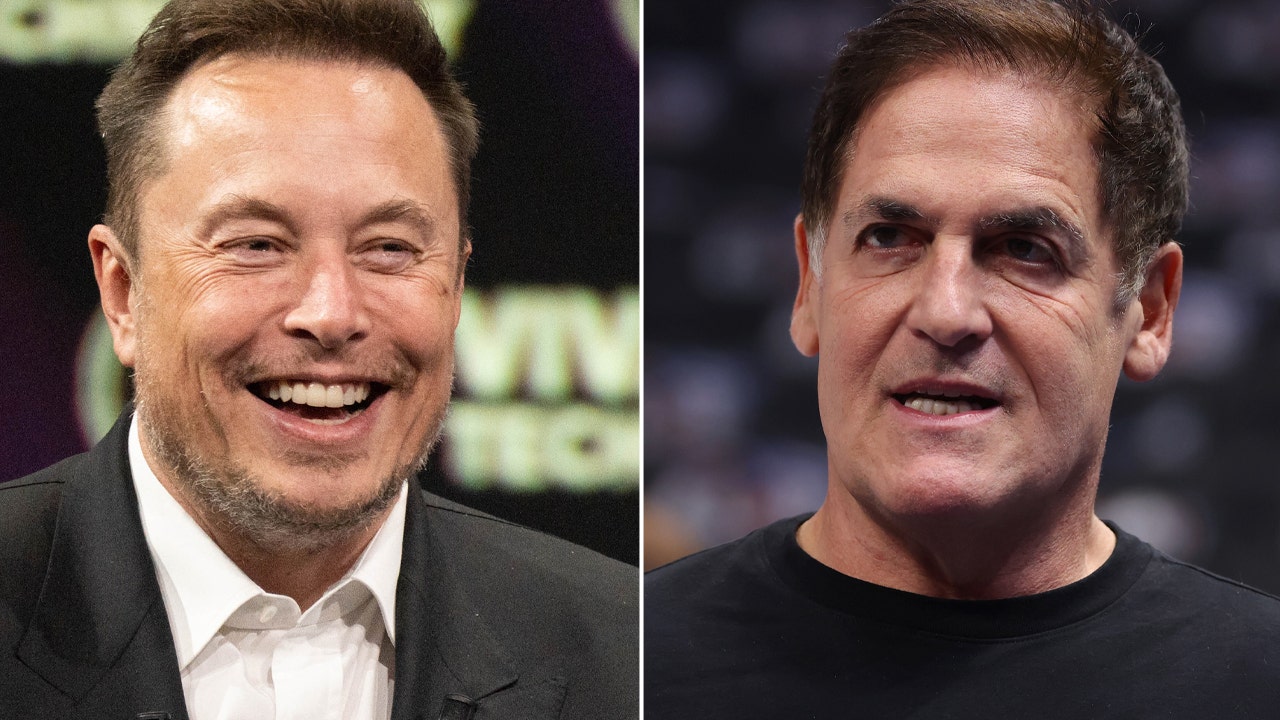
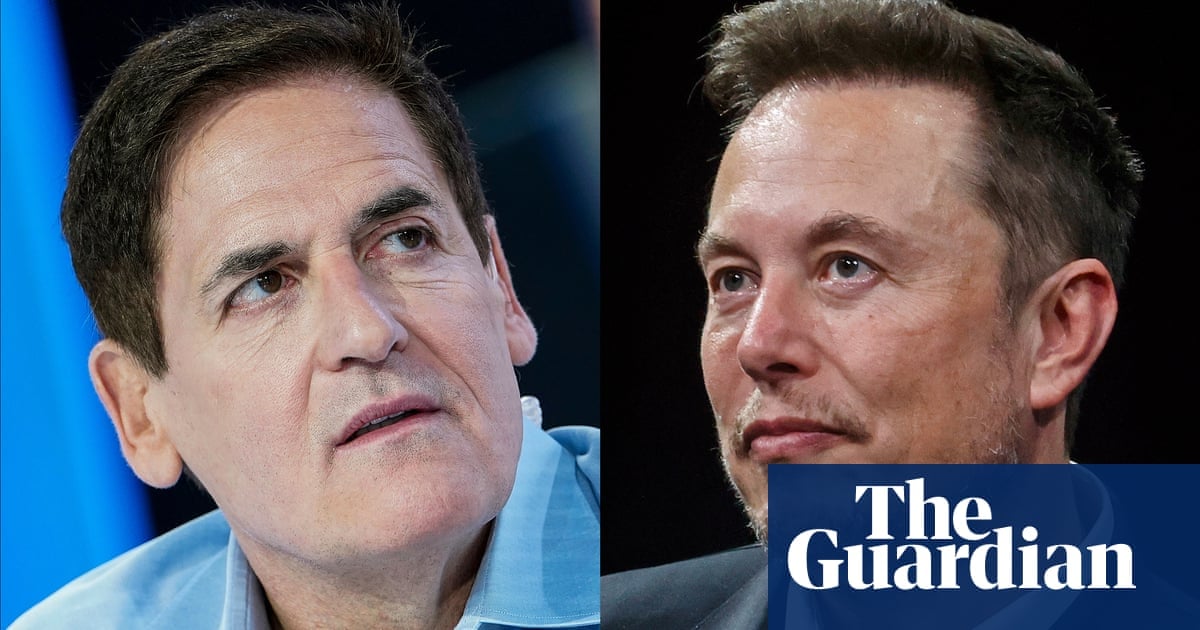
Elon Musk publicly criticized Mark Cuban for his defense of diversity, equity, and inclusion (DEI) initiatives, calling it a form of racism and hypocrisy on the X social media platform. The dispute arose after Musk and billionaire Bill Ackman denounced DEI, with Ackman linking it to antisemitism at Harvard, following the resignation of Harvard President Claudine Gay amid plagiarism allegations. Cuban responded by highlighting the business benefits of DEI, but Musk and Ackman remained critical of its implementation.
Elon Musk and Mark Cuban engaged in a Twitter debate over Diversity, Equity, and Inclusion (DEI), highlighting the complexities of implementing DEI in business. Musk criticized DEI for potentially leading to discrimination, while Cuban emphasized the benefits of diversity for company growth. Both perspectives have merit, as diversity can drive financial outperformance and create a more inclusive work environment, but there's also a legal and ethical line where prioritizing diversity should not lead to discrimination based on race or ethnicity. The key takeaway is that while DEI efforts can be beneficial, they must be conducted within legal boundaries and without compromising on hiring the best candidates based on merit.
Billionaires Elon Musk, Bill Ackman, and Mark Cuban are publicly debating the value and implications of diversity, equity, and inclusion (DEI) initiatives. Musk and Ackman have criticized DEI as a form of racism, with Musk calling it "propaganda words for racism, sexism and other -isms," while Ackman urged Cuban to reconsider his support for DEI, labeling it as reverse racism. Cuban, on the other hand, defended DEI as a business strategy to find qualified employees from diverse backgrounds. The debate follows the resignation of Harvard president Claudine Gay amid controversies over her handling of anti-Semitism on campus and allegations of plagiarism. Musk, who has been vocal against DEI, agreed with Ackman's stance in the discussion.
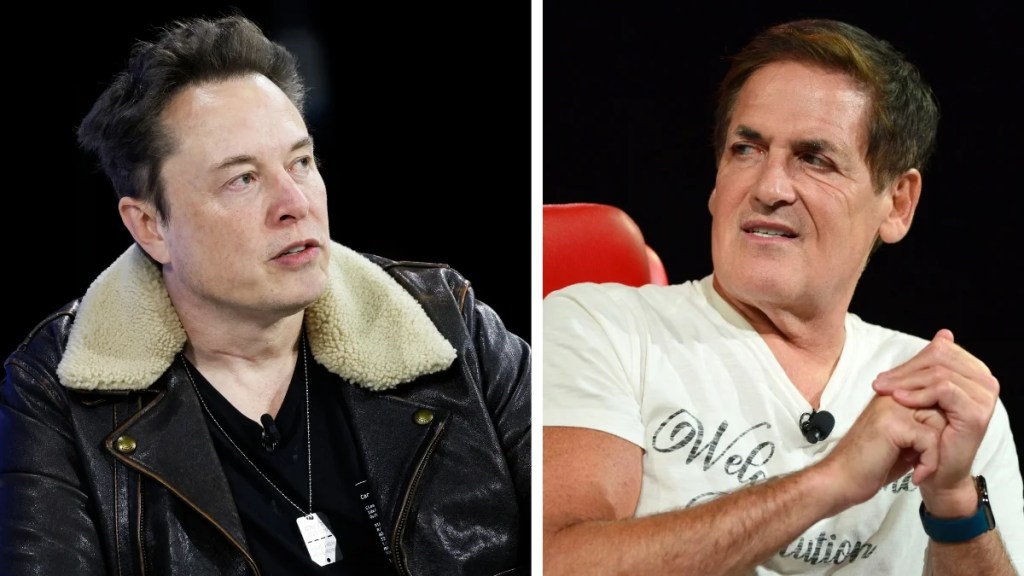
Tesla CEO Elon Musk and Dallas Mavericks owner Mark Cuban engaged in a public debate over the merits of diversity, equality, and inclusion (DEI) in business. Musk criticized DEI as a form of racism, while Cuban defended it as a competitive advantage and essential for creating a productive work environment. Musk's pointed question about the lack of diversity in the Mavericks' roster highlighted the tension in the debate, with Cuban emphasizing the importance of recognizing and leveraging employee differences for business success.
Mark Cuban countered Elon Musk's criticism of diversity, equity, and inclusion (DEI) programs after Musk labeled them as "racist" on social media. Cuban defended DEI initiatives as beneficial for businesses, arguing they help in finding the best employees and enhancing productivity by creating a stress-free environment. Musk's comments followed the resignation of Harvard's first Black president, Claudine Gay, and were in response to an essay by Bill Ackman, who also criticized DEI efforts. Cuban emphasized that good businesses seek talent from diverse backgrounds and that DEI-phobic companies are at a disadvantage.