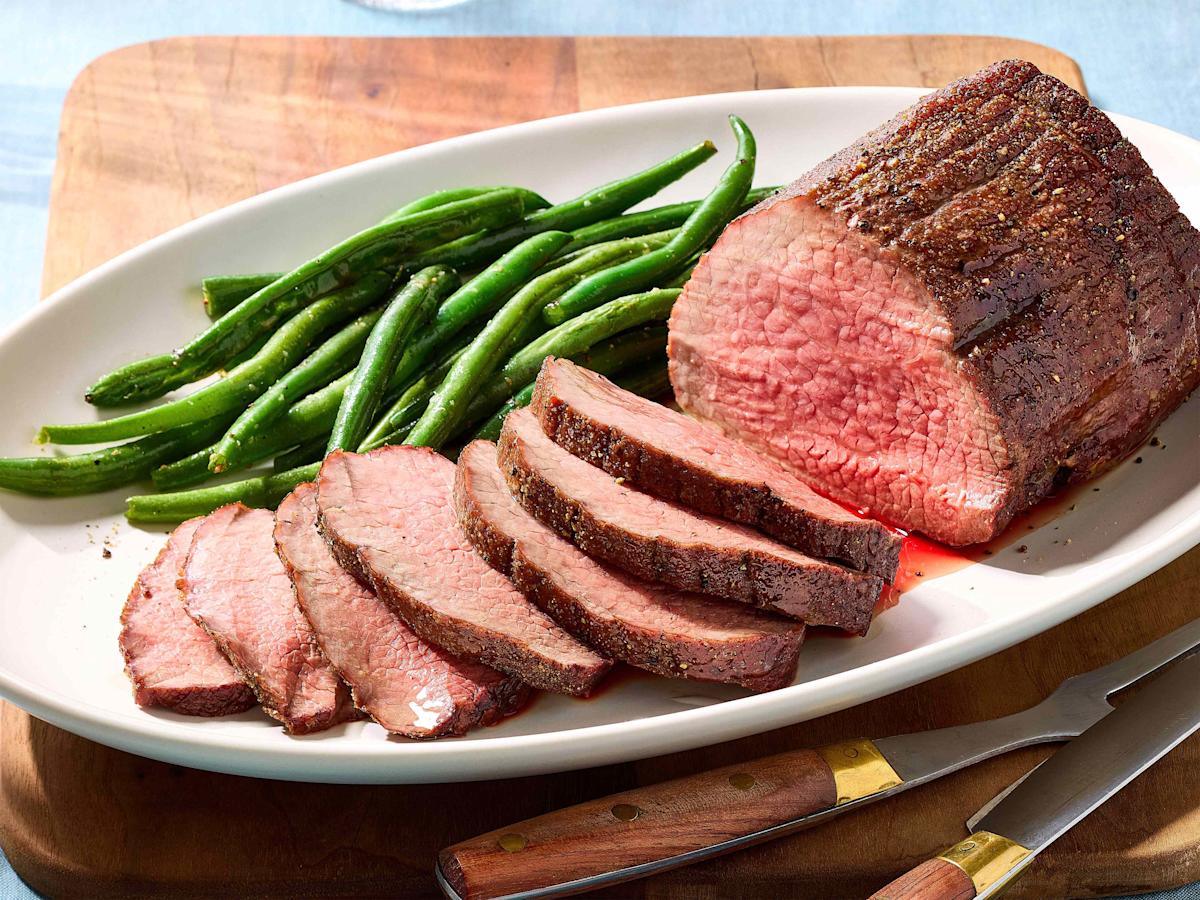
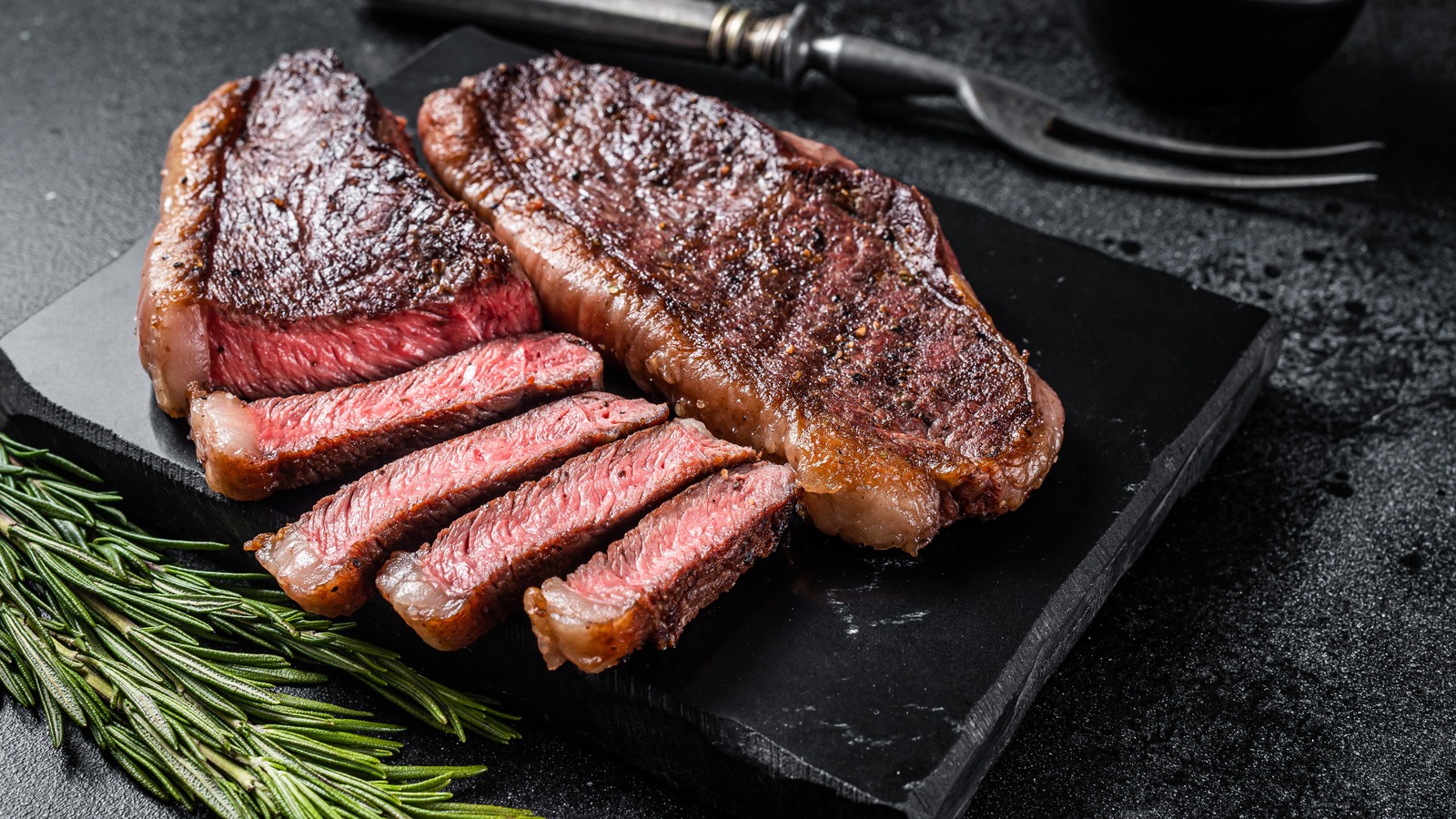
Proper searing of beef in a hot pan is crucial for enhancing flavor, texture, and juiciness, regardless of the cut or cooking method, by utilizing the Maillard reaction. Experts recommend drying the meat, choosing the right cut, seasoning well, and letting the meat rest after cooking for optimal results.
Achieving a perfect crust on a steak involves understanding the role of salt and timing. Salting the steak draws out moisture, but waiting at least 40 minutes before cooking allows the brine to reabsorb, ensuring a juicy end product. Additionally, using a heavy hand with salt, cooking at a high temperature, and practicing with affordable cuts are essential for achieving a satisfying crust on a steak.
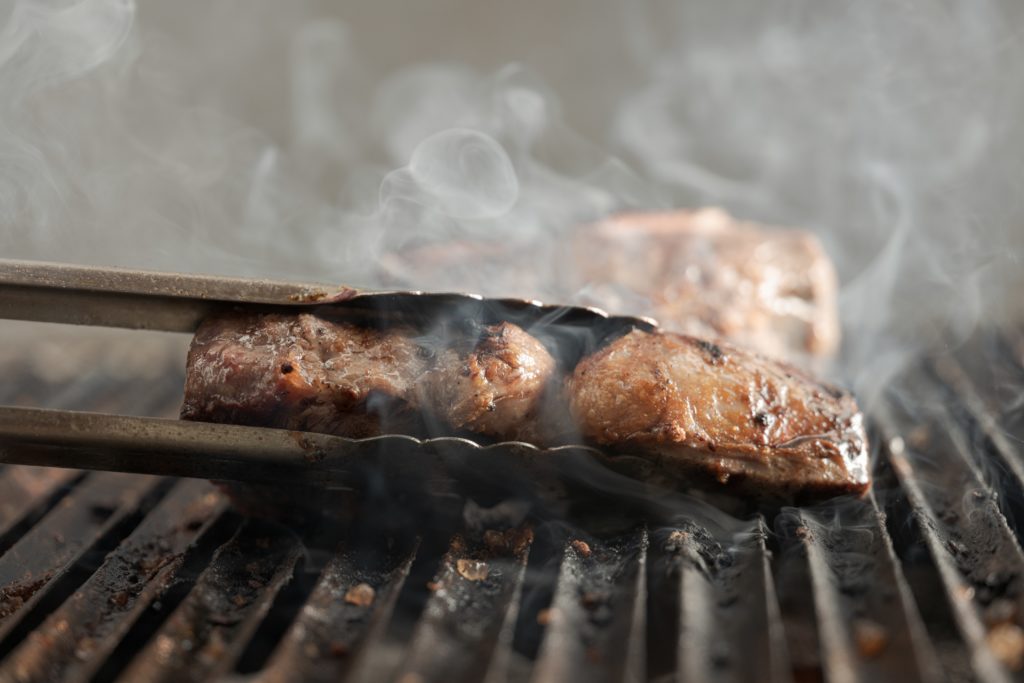
Barbecue cooking involves a complex interplay of chemistry that sets it apart from other cooking methods. The combination of radiant and conductive heat from an open flame allows for searing and cooking through a range of temperatures, resulting in a mixture of flavors and aromas. The Maillard Reaction, influenced by temperature and acidity, produces savory flavors and depth. Barbecuing also promotes caramelization reactions in vegetables, enhancing their taste. The charred flavor adds depth to food, but excessive charring can increase the risk of cancer. Smoke, produced by burning wood or fats, imparts a unique smoky flavor to barbecued food, with molecules like syringol and guaiacol responsible for the taste. The components of smoke can be absorbed by food due to its composition of fats and water. While the science behind barbecuing is complex, it adds to the enjoyment of the smoky goodness of grilled food.