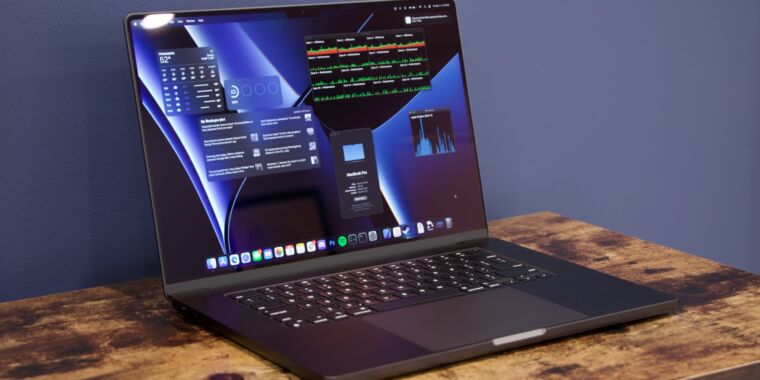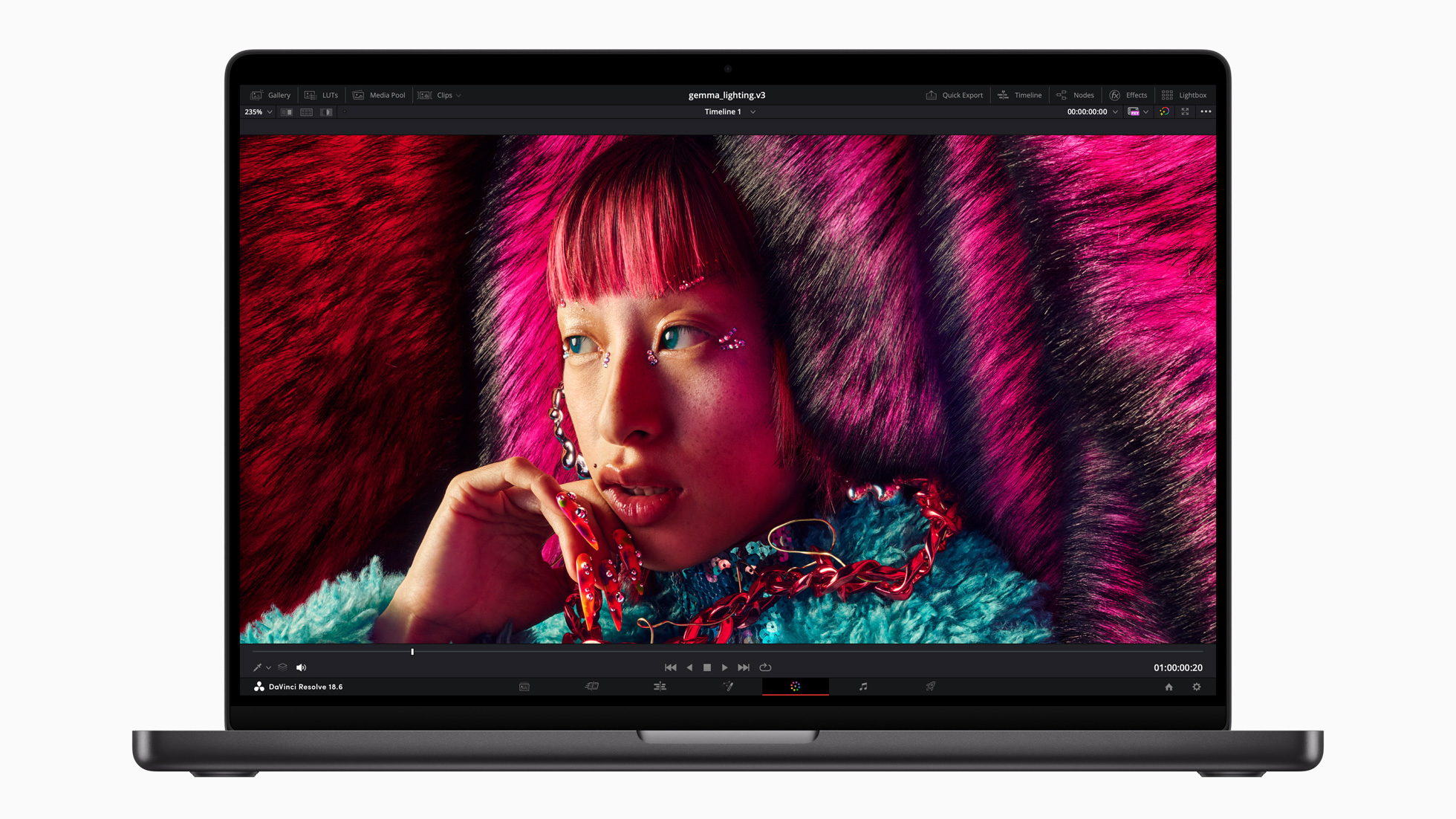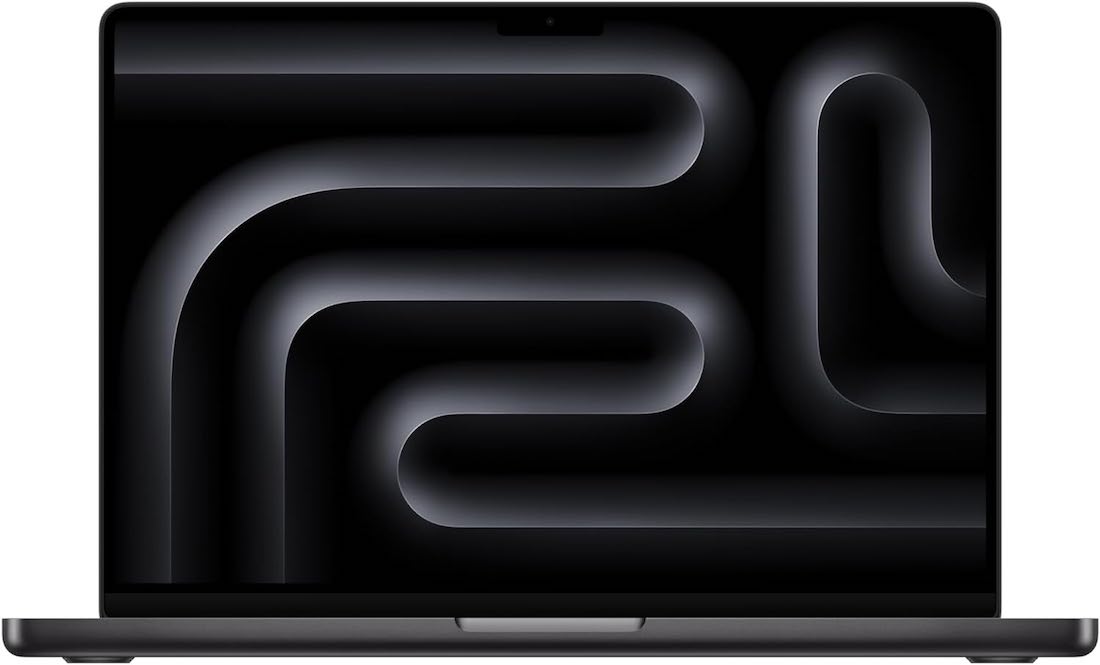
Apple's 2023 16-inch MacBook Pro with an M3 Max chip is currently $250 off, now priced at $3,249 on Amazon and B&H. The model with 48GB of unified memory is also discounted by $300, now $3,699. Additionally, the new 15.3-inch MacBook Air with an M3 chip is on sale for $1,199, an 8 percent discount.
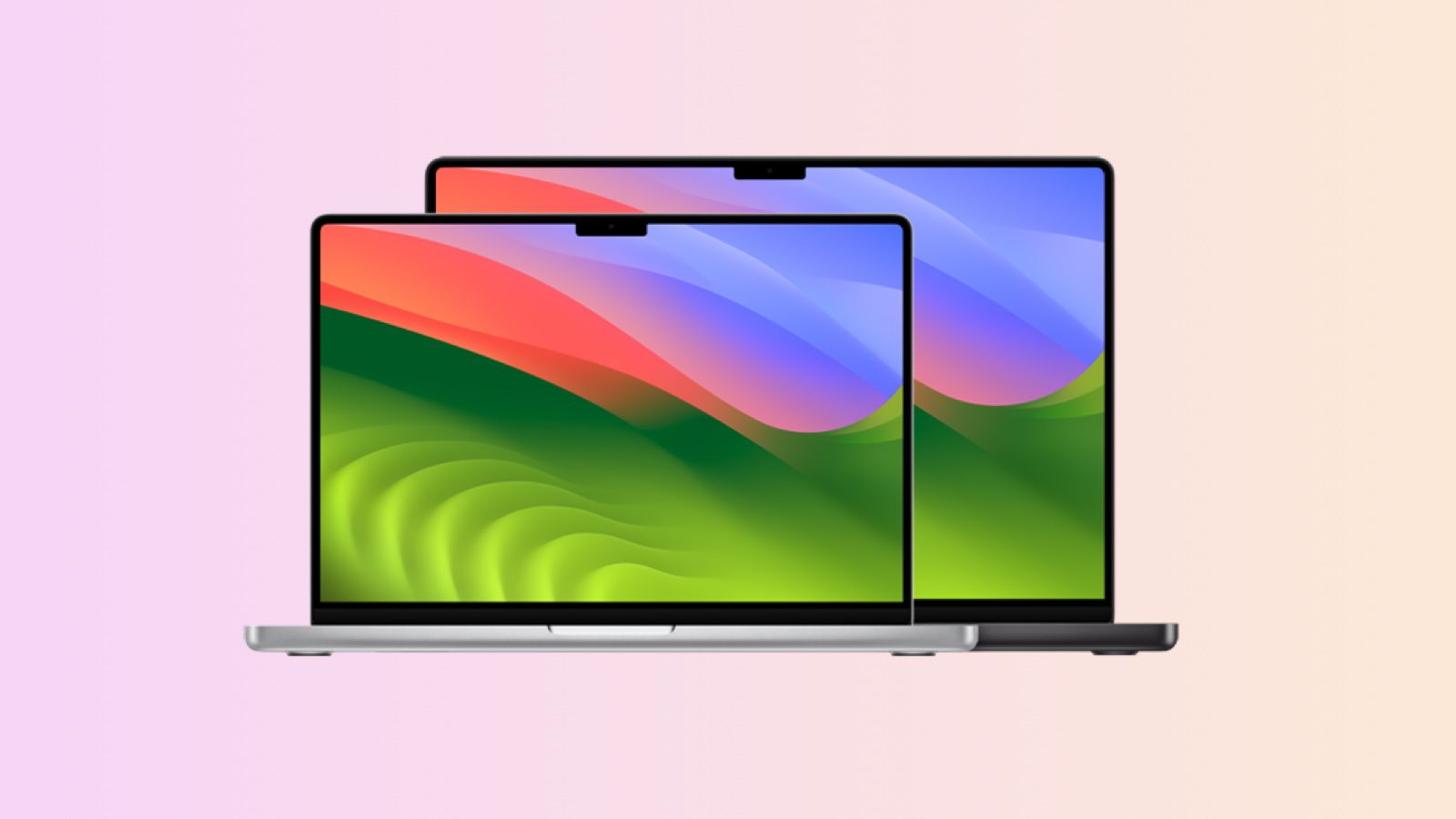
Apple has started selling refurbished 14-inch and 16-inch MacBook Pro models with M3 Pro and M3 Max chip options, offering discounts of up to $380 off the original prices. The refurbished models undergo a thorough refurbishment process and are eligible for AppleCare+ with the same return period as new devices. Additional configurations are available, and customers should check back often for availability.
The author, a photographer and videographer, spent over $4,000 on the new M3 Max MacBook Pro but found that it wasn't worth upgrading from their M1 MacBook Pro. While the M3 Max offers increased speed and efficiency, the marginal gains in performance may not justify the substantial cost for most users. Unless you're in an industry where time is money and rendering projects take hours, the upgrade may not offer the revolutionary leap you're hoping for. If your current computer is already keeping up with your daily tasks, it's probably not worth spending thousands of dollars to save a few extra minutes occasionally.
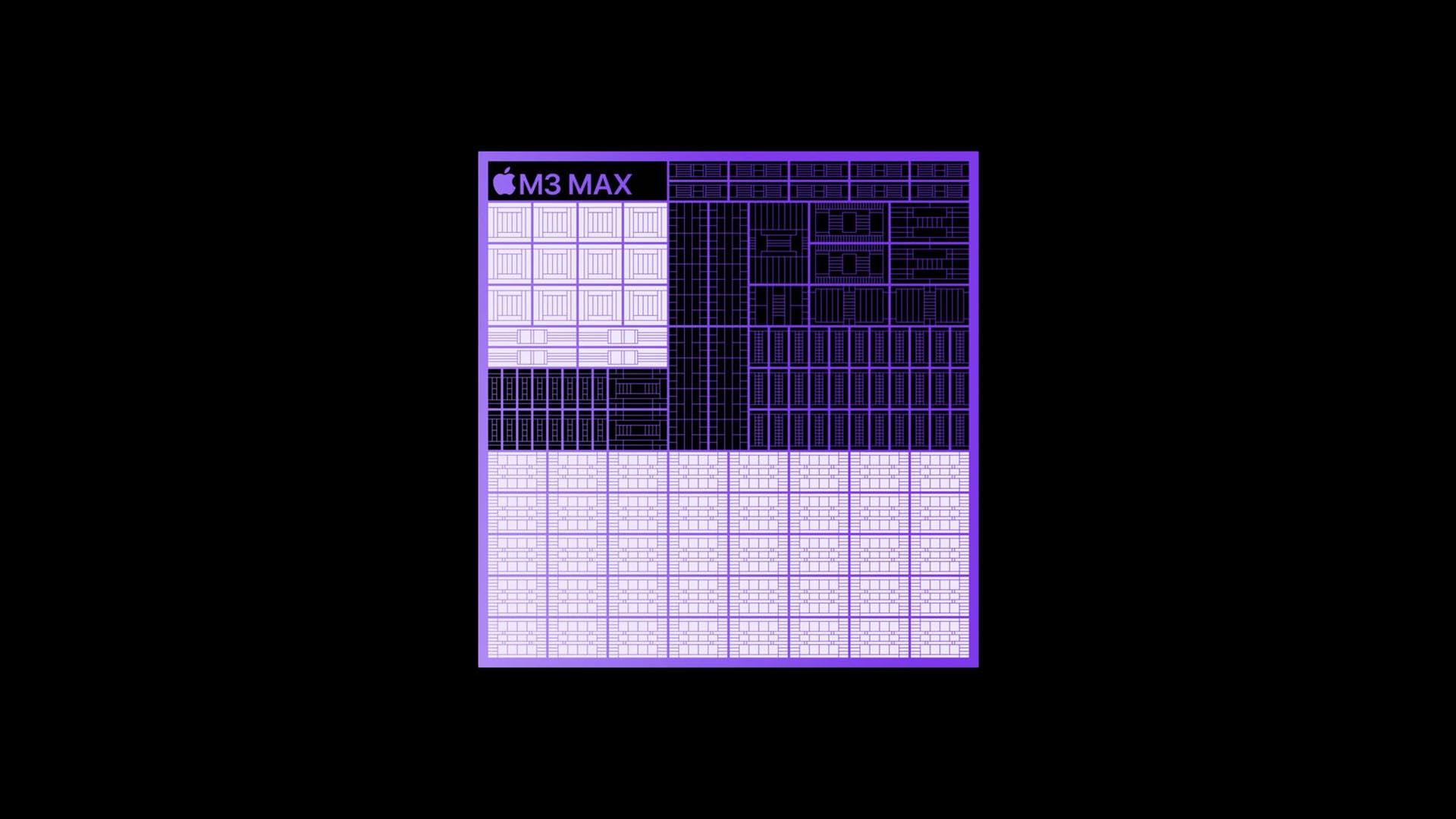
The M3 Max MacBook Pro, powered by Apple's self-developed M3 series chip, offers desktop-class power in a portable form factor. With its increased CPU core count and 40 GPU cores, the M3 Max provides exceptional processing power and efficiency. Apple's focus on gaming is evident, with improvements to the GPU and hardware-accelerated ray tracing capabilities. The MacBook Pro's performance remains strong even when on battery power, and its battery life is impressive. While the high price may deter some, the M3 Max MacBook Pro is a cutting-edge machine that excels in both work and play.
Apple's new MacBook Pro models with M3, M3 Pro, and M3 Max chips have been tested for performance comparison. The M3 Max chip performs as fast as the M2 Ultra, outperforming the M1 Max chip in benchmark tests. The M3 Max shows major improvements in CPU scores, rendering time, and video exporting speed compared to the M1 Max. However, SSD speeds remain similar between the two models. While the M3 Max is a significant upgrade, the M1 Max is still a fast chip, and users with an M1 Max machine may not need to upgrade.
Apple has released its new M3, M3 Pro, and M3 Max MacBook Pros, which offer iterative improvements over the 2021 redesigns. These laptops feature enhanced performance and minor improvements, making them an appealing upgrade for those who haven't switched to Apple Silicon yet. The M3 Max version of the 16-inch MacBook Pro, with its two years of updates and more efficient manufacturing process, is particularly enticing. However, the top-end configurations are more expensive than ever, especially with the new 128GB RAM option.
Apple's M3 Max, equipped with a 40-core GPU, performs on par with NVIDIA's high-end RTX 3080 and laptop RTX 4080 in the GFXBench Aztex Ruins benchmark, with negligible performance differences. However, the benchmark results may be skewed due to outdated software and the use of different graphics APIs. While the M3 Max showcases impressive performance, it still relies on an internal GPU, not a dedicated external one. The M3 Max comes with a $500 premium when configured with the MacBook Pro.
Apple's M3 Max, the flagship of the M3 lineup, outperforms its predecessor, the M2 Max, by 18% in GFXBench's Aztec Ruins test, solidifying Apple Silicon's dominance in the laptop space. While it falls slightly behind Nvidia's RTX 4080 Laptop GPU by 7%, the M3 Max's performance is commendable considering its lower power consumption. The M3 Max-powered MacBook Pros are expected to reach customers by late November.
Apple's new 16-inch MacBook Pro with the M3 Max chip has impressive performance benchmarks on Geekbench 6, coming close to the more expensive Mac Pro featuring the M2 Ultra. The M3 Max is up to 80% faster in CPU tasks and 50% faster in GPU tasks compared to the M1 Max. It scored 21,084 and 2,943 in multi-core and single-core respectively, surpassing the Snapdragon Elite X's multi-core score. This positions Apple well against competitors like Intel's Meteor Lake and Snapdragon's Elite X chip. The M3 Max variant of the MacBook Pro starts at $3,599 and will be available in November.
The newly released Apple M3 Max chip for MacBooks has been tested on Geekbench, scoring around 3,000 in single-core and around 21,000 in multi-core, putting it on par with the M2 Ultra chip found in the Mac Pro and Mac Studio. The M3 Max is a 3 nm, 30 W chip with 16 cores, while the M2 Ultra is a 5 nm, 60 W chip with 24 cores. The M3 Max CPU is claimed to be up to 50% faster than its predecessor, the M2 Max, and the Geekbench scores show it to be around 40% faster. However, the M3 Pro chip may not offer the same performance increase as the M2 Pro.
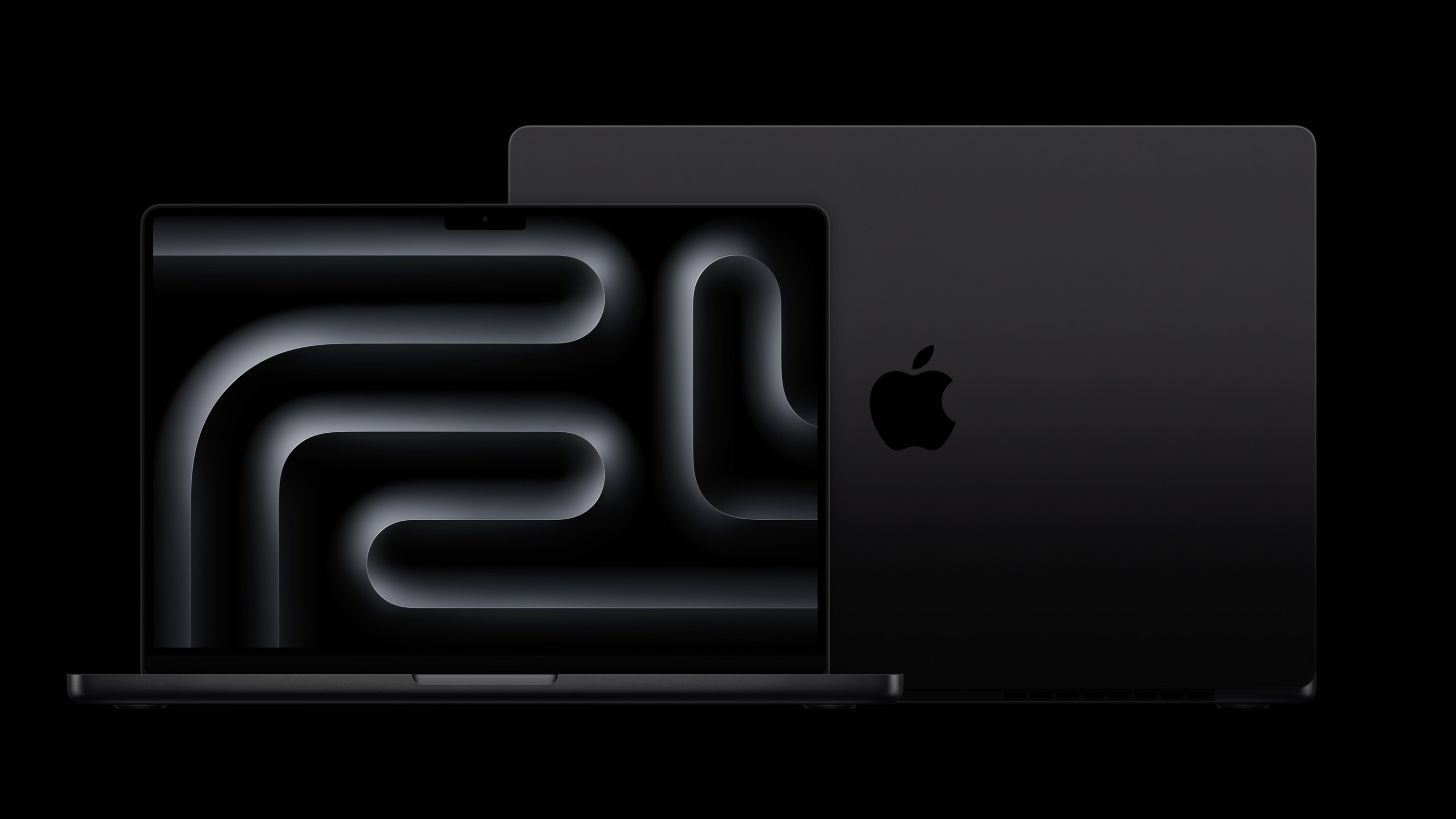
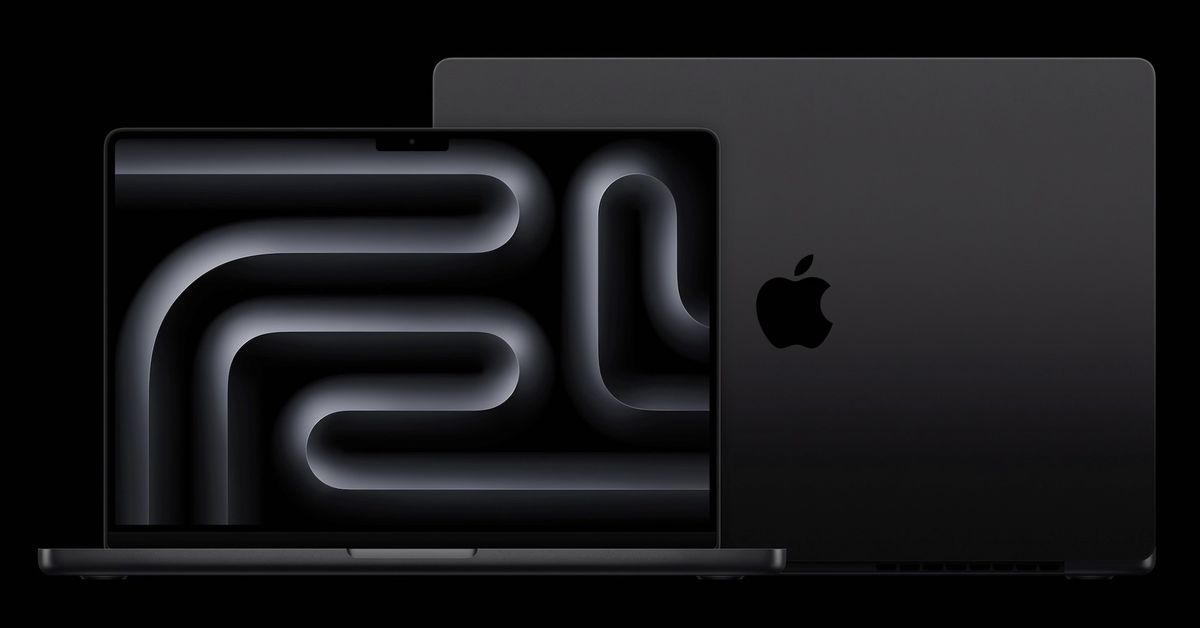
Apple has unveiled upgraded models of the 14-inch and 16-inch MacBook Pro, featuring the M3 Pro and M3 Max processors. The new laptops come in a new "space black" color and offer improved performance and configurability. The M3 Max MacBook Pro can be ordered with up to 128GB of RAM, a new high for Apple's laptops. The machines also boast enhanced graphics capabilities, including hardware-accelerated ray tracing. Preorders are available now, with M3 Pro models shipping on November 7th and M3 Max models arriving later in November.
Apple is expected to launch two new MacBook Pro laptops with the next generation M3 Pro and M3 Max Apple Silicon chipsets. However, for most consumers, the existing M2 MacBook Air or M2 MacBook Pro already offer more than enough power. The M3 Pro and M3 Max variants will likely be overkill for the majority of users. Apple is taking the unusual step of launching the professionally focused M3 Pro and M3 Max laptops ahead of the more consumer-focused M3 MacBook Air. The new MacBook Pro laptops may not go on sale for another month and could be limited to a few territories to reduce demand.
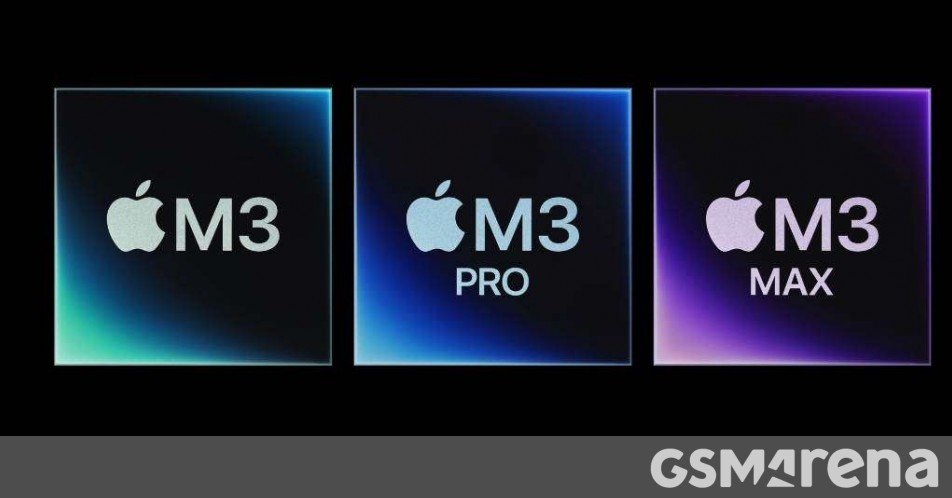
Apple's upcoming M3 Pro, M3 Max, and M3 Ultra chips are expected to offer more CPU and GPU cores, with configurations ranging from 10 to 32 CPU cores and 16 to 80 GPU cores. The standard M3 chip will have the same core configuration as the M2 chip, while the M3 Pro and M3 Max chips are set to debut in 2024. Apple is also reportedly testing MacBook Pro models with higher memory options, and the first Macs with the M3 chip are expected to launch in October.