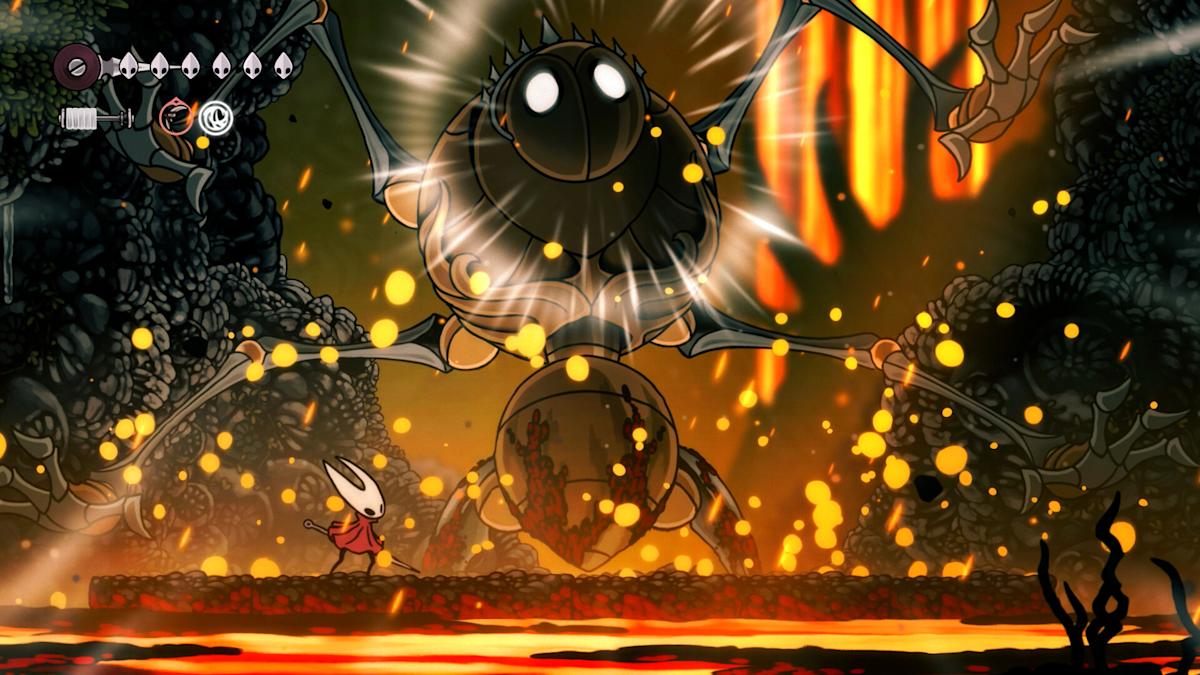
Team Cherry announced a new update for Hollow Knight: Silksong, available on Steam and soon on consoles, which improves Chinese translation with a fan mod, adds visual effects like film grain and dithering, and includes numerous bug fixes and gameplay improvements.
Hollow Knight: Silksong receives mostly negative reviews in Simplified Chinese due to confusing and poorly executed translations, which contrast sharply with the positive overall reception. The developers are aware of the issue and are working to improve the translation quality.
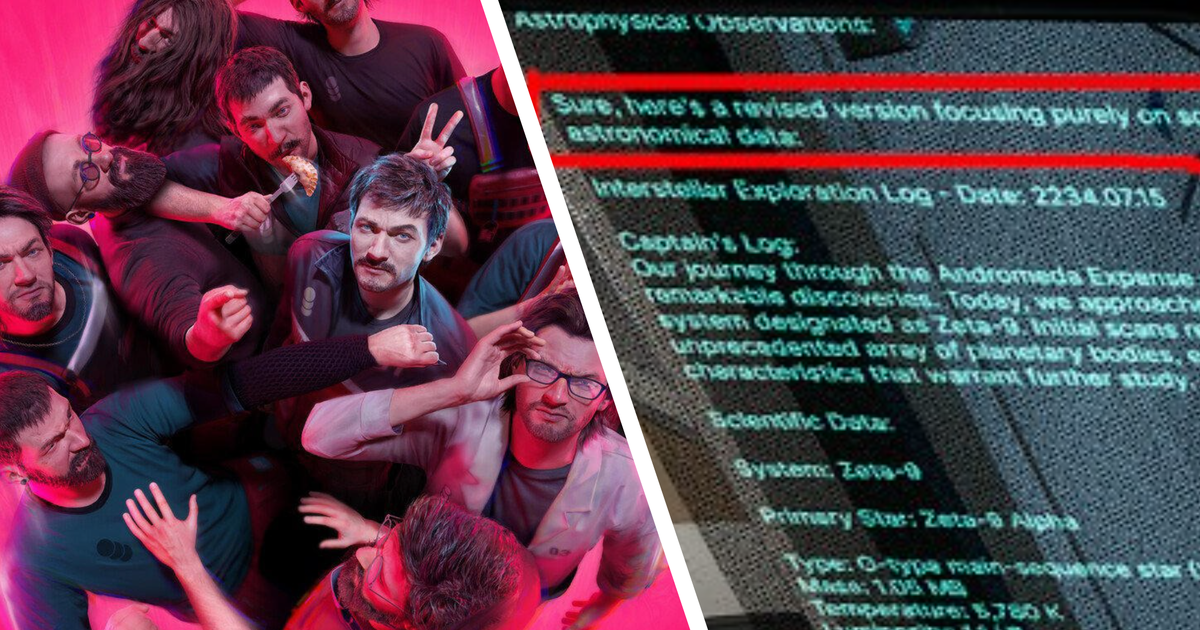
The Alters developer 11 Bit Studios faced criticism after players found undisclosed AI-generated content in the game, including AI prompts in subtitles and localization. The studio explained that AI was used temporarily during late-stage development for quick translations due to time constraints, and they plan to replace these with human translations in a future update. Despite their admission, the game still lacks the required AI disclosure on its Steam page.
11 Bit Studios responded to criticism over its use of AI in The Alters, clarifying that AI assets were temporary, used in a limited manner, and not part of the final game, while acknowledging the lack of disclosure and promising to improve transparency.
Nintendo has restored the transgender identity of a character named Vivian in the new English version of "Paper Mario: The Thousand-Year Door" for the Nintendo Switch, after it was previously removed in the 2004 English and German versions. The character's trans status is now celebrated, though some dispute the accuracy of the translation, arguing Vivian was originally a cross-dresser in the Japanese version.
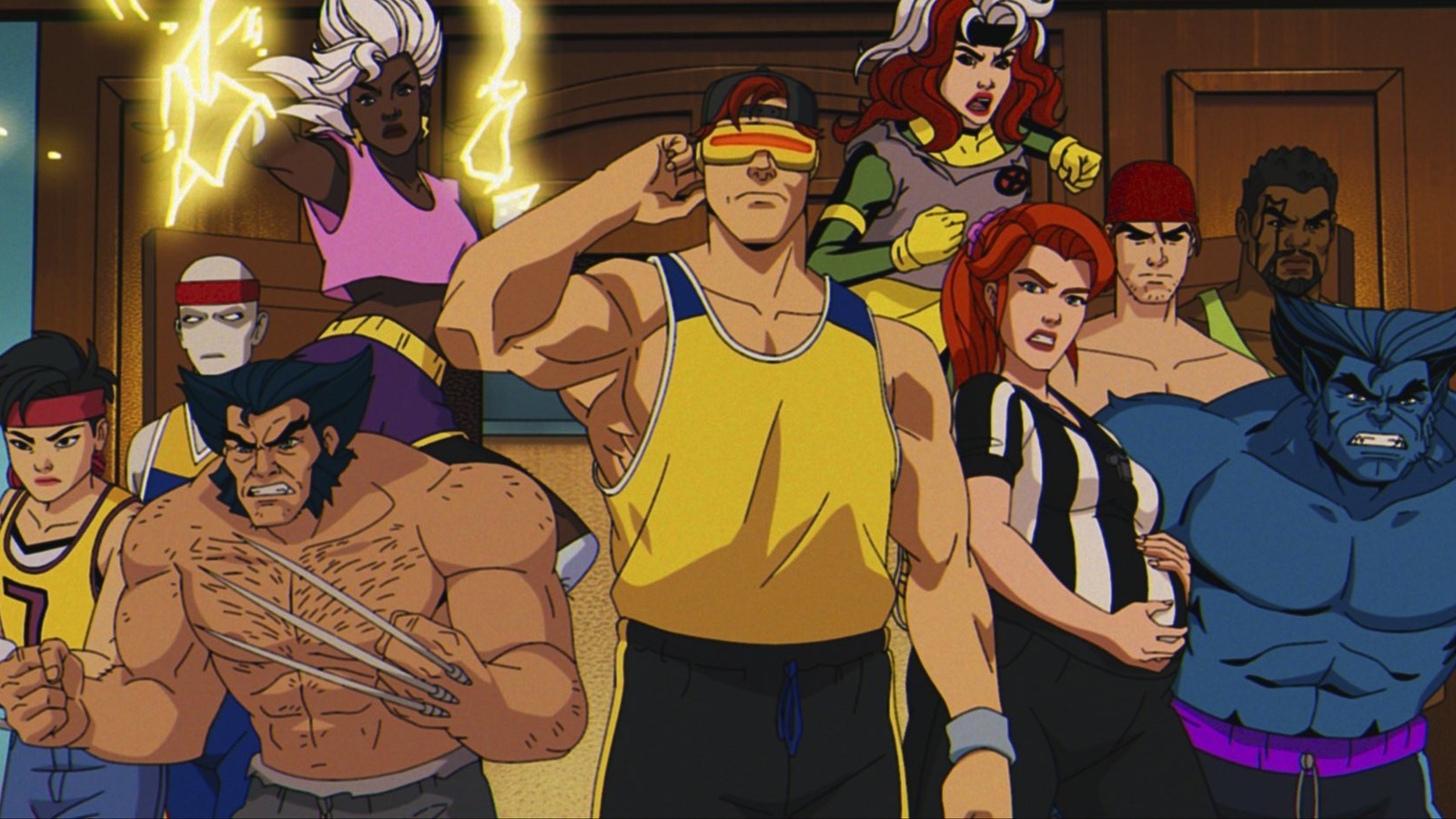
The revival of "X-Men '97" has delighted fans of the original animated series, but the replacement of the entire Latin American Spanish dub cast and changes to localization have left many feeling disappointed and disrespected. While the English-language voice cast largely remains intact, the new show's alterations to names and the dub cast have sparked criticism, with some feeling that the revival misunderstands its audience and the nostalgia it aims to evoke.
Mother 3, the 2006 Game Boy Advance title, has been re-released in Japan on the Switch Online service, sparking renewed discussion about its absence in the West. Series creator Shigesato Itoi has directed requests for localization to Nintendo, while former Nintendo of America president Reggie Fils-Aimé has also commented on the matter. Despite fan-created translation patches, the decision ultimately rests with Nintendo, leaving the game's potential Western release uncertain.
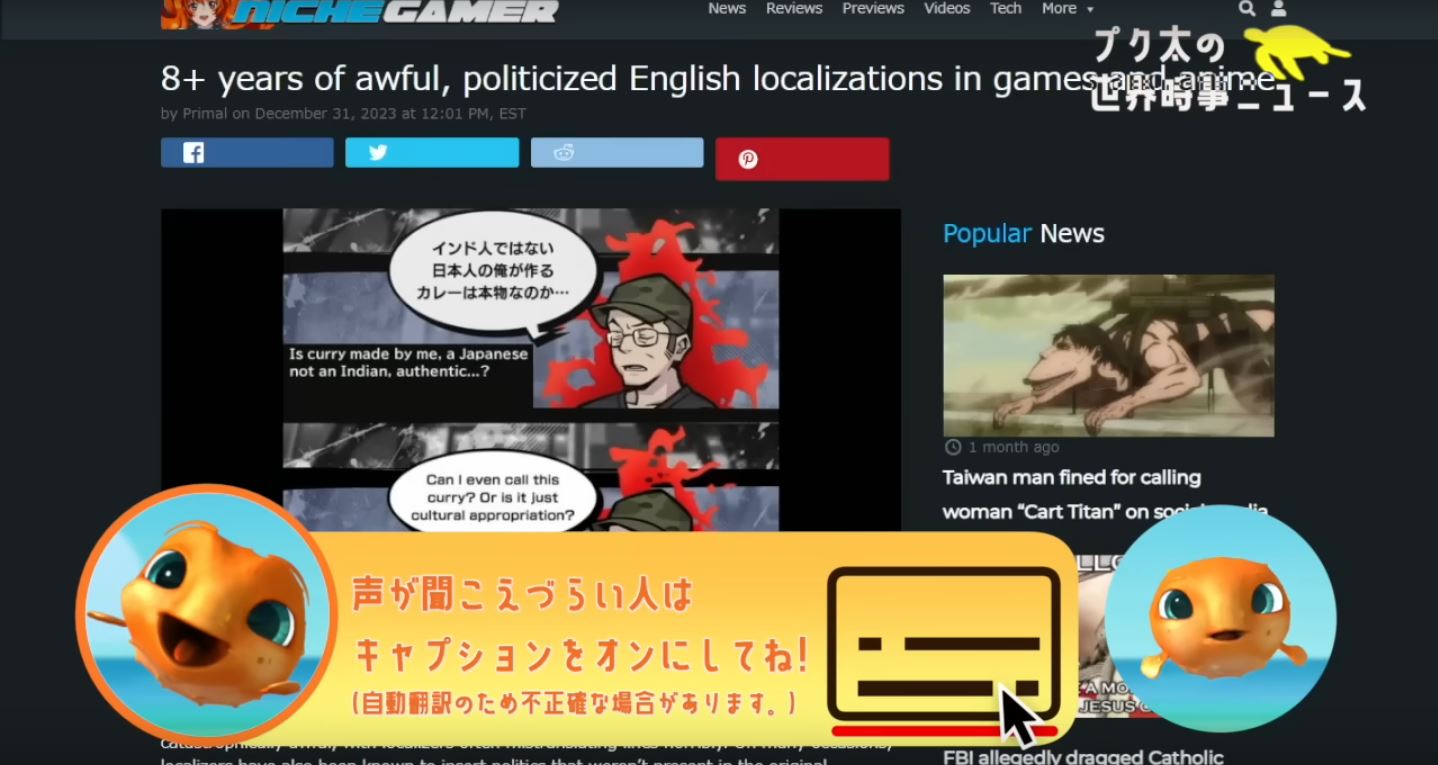
Japanese netizens express shock and outrage after learning about the extensive and absurd localization practices in the West, as highlighted in a Niche Gamer article. Comments from Japanese users denounce the alterations made to content for the sake of political correctness, with some expressing concern for the original authors and likening the practices to cultural appropriation and racism. The issue has gained attention thanks to a popular Japanese YouTuber's coverage of the article.
Shigesato Itoi, the creator of Earthbound and Mother 3, has revealed in a new documentary that he has discussed the possibility of a Mother 3 translation with Nintendo. While he expressed his desire for people in the U.S. to play the game, he also stated that he considers it a closed chapter in his life and is reluctant to work on the project himself. The decision not to localize Mother 3 has been attributed to Nintendo's business needs and situation at the time. However, fans continue to hope for a worldwide English release.
The ESRB has given Tsukihime: A Piece of Blue Glass Moon an "M" rating due to its language, violence, and suggestive themes. The upcoming English version of the game, which will be the first official release in the West, will include scenes of blood, violence, partial nudity, and descriptive details of violent acts. The game is set to be released in 2024.
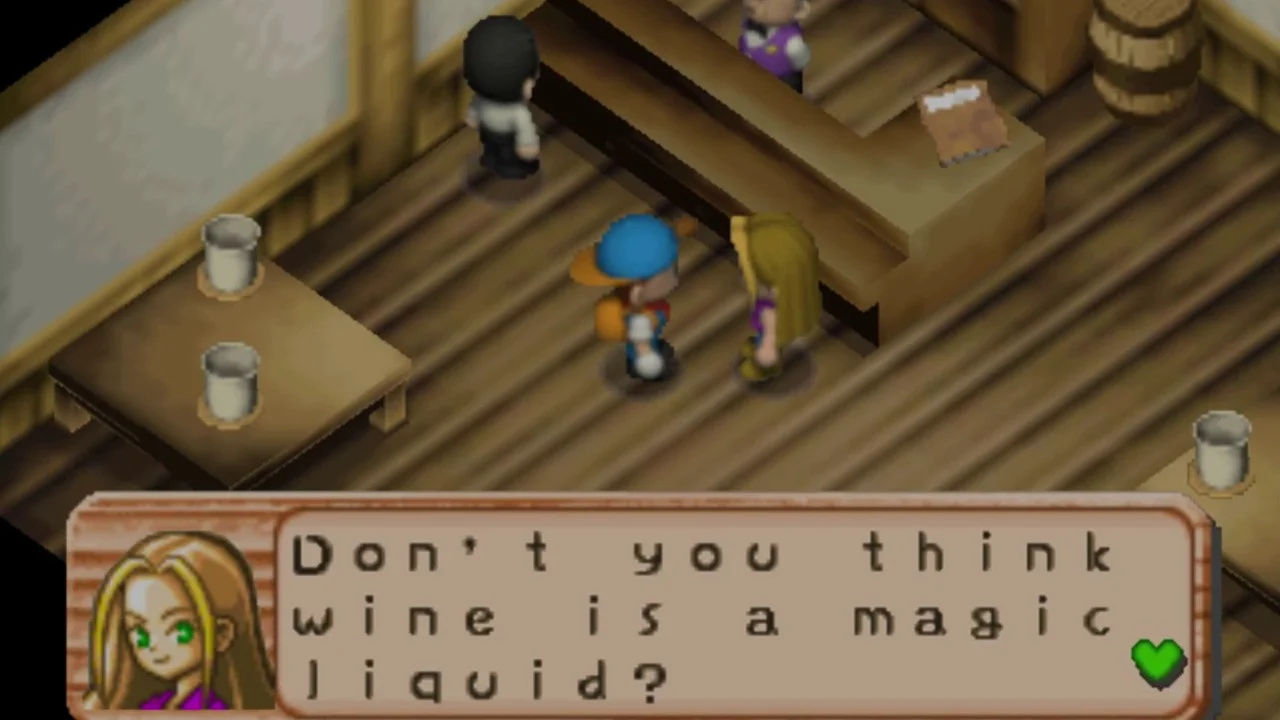
Harvest Moon 64, a Nintendo game set to be released on the Nintendo Switch Online service, defied Nintendo's strict censorship policy in the '90s by featuring alcohol as a central element of the game. The game includes a bar where players can interact with townsfolk who reveal their deepest worries and desires while under the influence. Alcohol also plays a role in the game's mechanics, with a hidden "tolerance" stat determining the player's ability to outdrink villagers. The game's longest side quest involves restoring a vineyard, with alcohol being the key to awakening a spirit and bringing success to the vineyard. Despite its celebration of alcohol, the game falls short of showcasing the negative aspects of drinking.
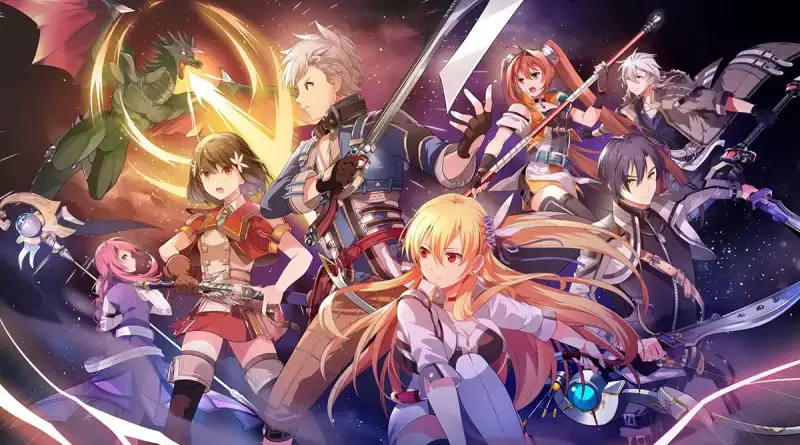
The Legend of Heroes: Trails into Reverie, the latest release in the Trails series, contains a trivia question that reveals the official English name for the gacha game Akatsuki no Kiseki as "Trails at Sunrise." The game, set during the Intermission of Trails to Azure, features a character named Lifthrasir von Bartholomeus, who is also referenced in Trails of Cold Steel IV. While Akatsuki no Kiseki is ending service for mobile devices, the PC version will continue. Trails into Reverie is now available on multiple platforms and introduces a new mechanic where players can switch between playable protagonists and parties.
Falcom's president, Toshihiro Kondo, has stated in an interview that while there is no official announcement yet, the company hopes to share news on the localization of Kuro no Kiseki, the latest installment in The Legend of Heroes: Trails series, "as soon as possible." NIS America, the publisher for the series in the West, has been actively localizing previous Trails games, and fans are eagerly awaiting confirmation of Kuro's localization. It is speculated that an announcement may come after the release of Trails into Reverie and The Legend of Nayuta: Boundless Trails.
Indie publisher Deck13 has called on Metacritic to take action after its acclaimed JRPG, Chained Echoes, was review-bombed for no apparent reason. The game received dozens of negative user ratings on Switch, PC, and PS4 Metacritic pages, dragging the user scores down to around five or six out of ten. The negative ratings don't come with any written reviews, and the development team has no idea where the ill-feeling has come from. The publisher suggests that the review-bomb may be tied to localization, but it's not certain. Deck13 hopes that the constant outrage around review-bombing might lead to a changing situation.