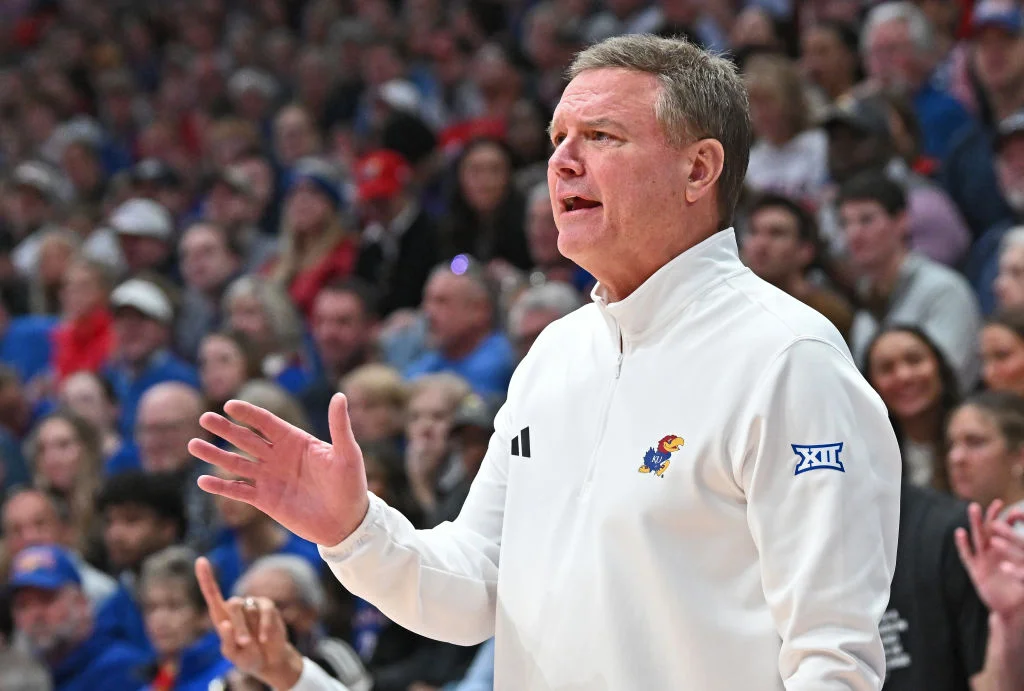
Kansas freshman Darryn Peterson scored 23 in 18 minutes before cramping and subbing himself out, fueling renewed debate over load management and NIL-era pay for top college players as Kansas won without him.
Kansas coach Bill Self expressed growing frustration with freshman Darryn Peterson’s recurring cramps and early exits, noting he only played 18 minutes but still dropped 23 points in an 81-69 win at Oklahoma State. Peterson, averaging around 20 points per game, has missed time with injuries and load-management concerns, raising worries about his availability for the NCAA Tournament even after Kansas’ win over Arizona without him. Self warned that a single bout like this can derail a season, underscoring the need for Peterson to stay healthy for postseason play.
The PGA Tour's 2026 schedule expands to 38 events with more signature tournaments, including the return of Doral, leading to a congested calendar that raises concerns about player load management and scheduling conflicts, especially among top players.
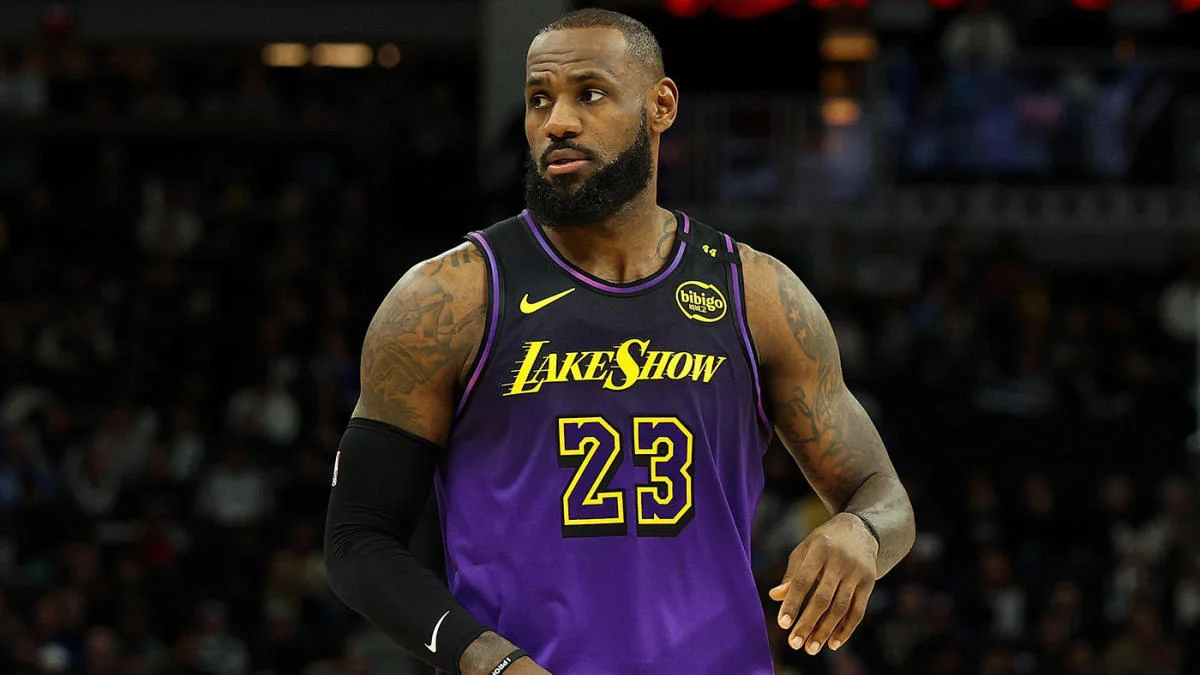
LeBron James will miss the Los Angeles Lakers' game against the Minnesota Timberwolves due to personal reasons, following a recent absence for a sore left foot. Despite his desire to play all 82 games this season, Lakers coach JJ Redick suggests that managing James' workload is crucial, given his age and recent performance metrics. The Lakers are considering a load management strategy to preserve James' effectiveness for the playoffs, though convincing him to adopt such a plan may be challenging.
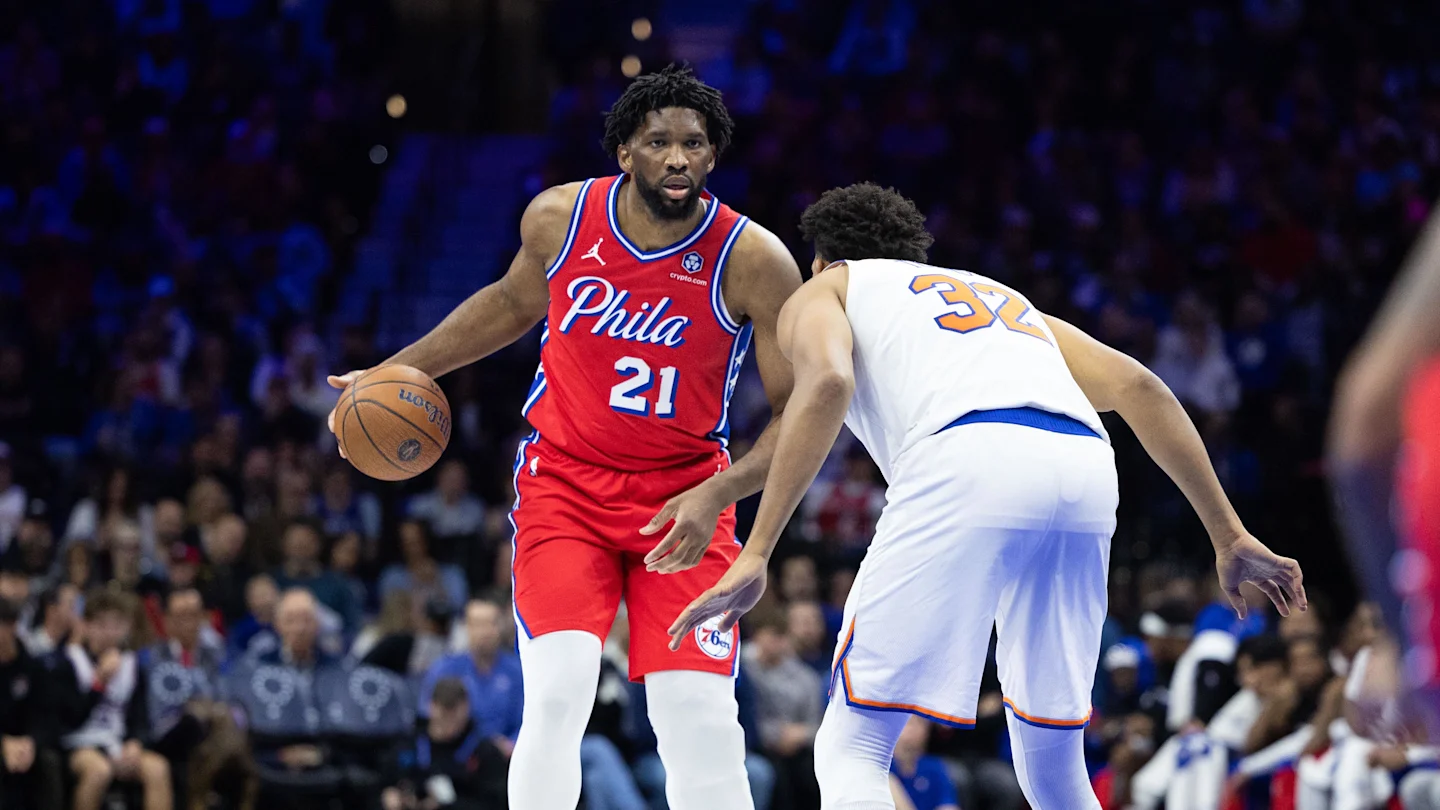
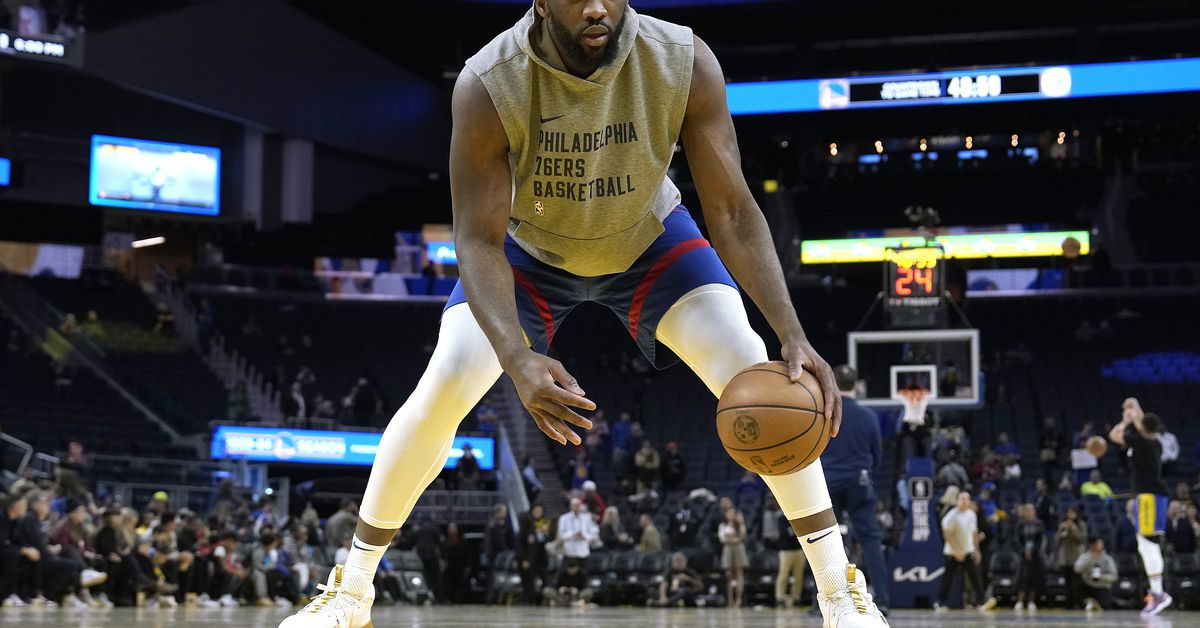
Joel Embiid, the Philadelphia 76ers' star center, has reversed his earlier stance on not playing back-to-back games, expressing a desire to play consecutive nights despite previous injury concerns. After missing the first 11 games of the season due to knee management and a suspension, Embiid returned to the court against the New York Knicks, though he struggled with his performance. His change of heart suggests he may play more frequently than initially expected, as the team balances his health with their postseason ambitions.
The NBA playoffs are set to begin, testing the league's Player Participation Policy aimed at reducing load management and encouraging star players to participate more in the regular season. While stars played more games this season, concerns about player health entering the postseason persist, with several key players dealing with injuries. The NBA's internal study found no clear correlation between load management and injury rates, and the real test of the policy's success will be seen during the playoffs as injuries continue to impact star players.
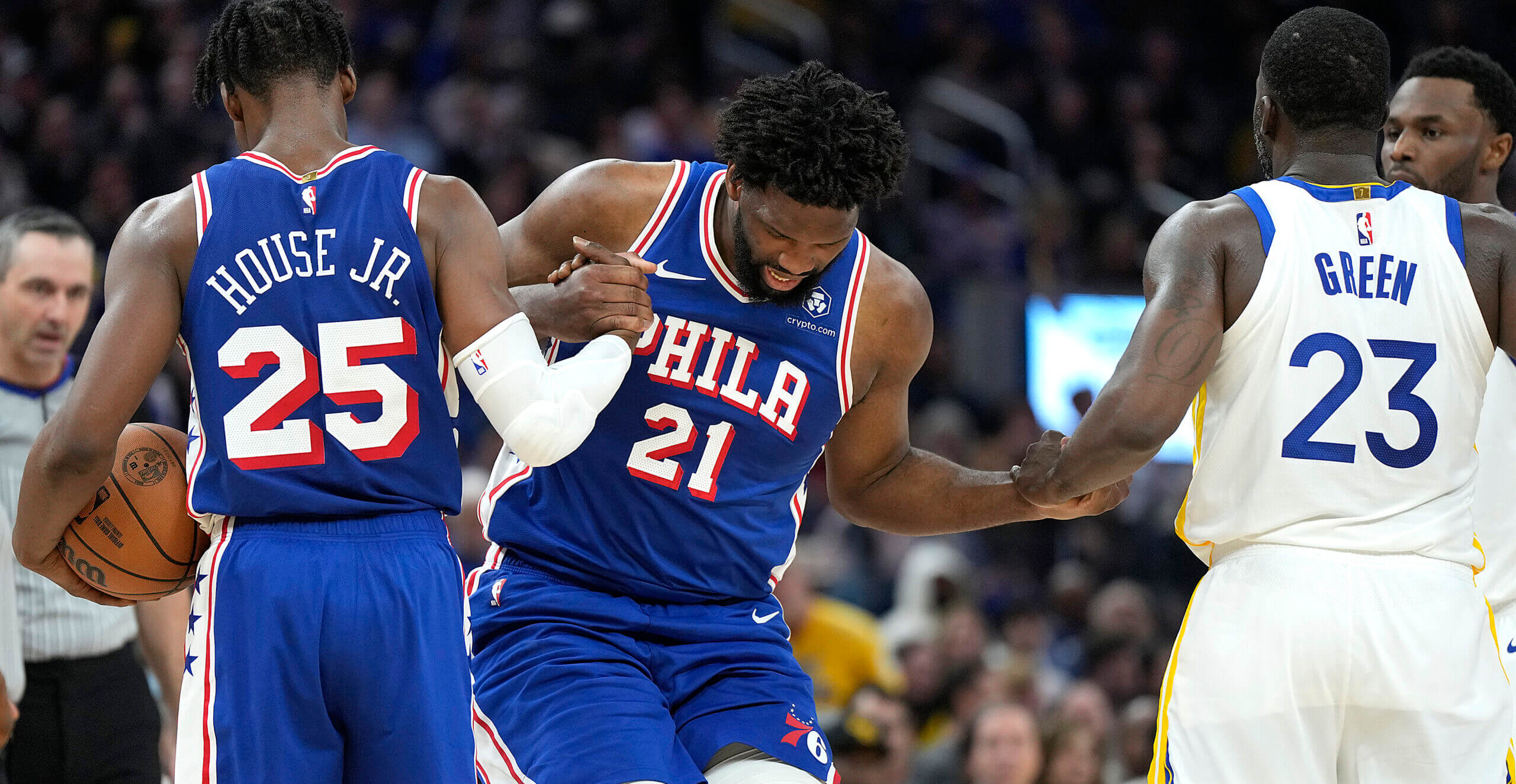
Joel Embiid's injury has sparked criticism of the NBA's 65-game minimum rule, with players and analysts calling it "stupid." The media's portrayal of Embiid's injury and his commitment to playing has also come under fire, with LeBron James and others calling for accountability. However, the Sixers organization is facing the most blame for failing to protect Embiid from himself and allowing him to play through injuries. The team's approach to load management and decision-making regarding player health has been heavily criticized, raising concerns about their handling of star players' injuries.
NBA player Draymond Green criticizes the 65-game rule, calling it "bullshit" and "quite bullshit," after Joel Embiid's injury. The rule states that players must play in 65 games to be eligible for major awards. Green argues that the rule punishes players for management's decisions to load-manage important players, and that it's a dishonest attempt to appease network executives. Other players, like Tyrese Halliburton, also express frustration with the rule, highlighting the disconnect between player welfare and management priorities.
Joel Embiid's apparent knee injury has sparked discussions about the NBA's 65-game rule and the pressure it puts on players. The Philadelphia 76ers' star has been dealing with physical ailments throughout his career, and his ability to compete at his best is in question again. Critics have attacked his competitive character, but his ongoing struggles with injuries should prompt a reconsideration of how he's discussed. The league's 65-game rule, intended to address load management, may need to be revisited due to unintended consequences, as it could potentially impact the MVP race and players' careers.
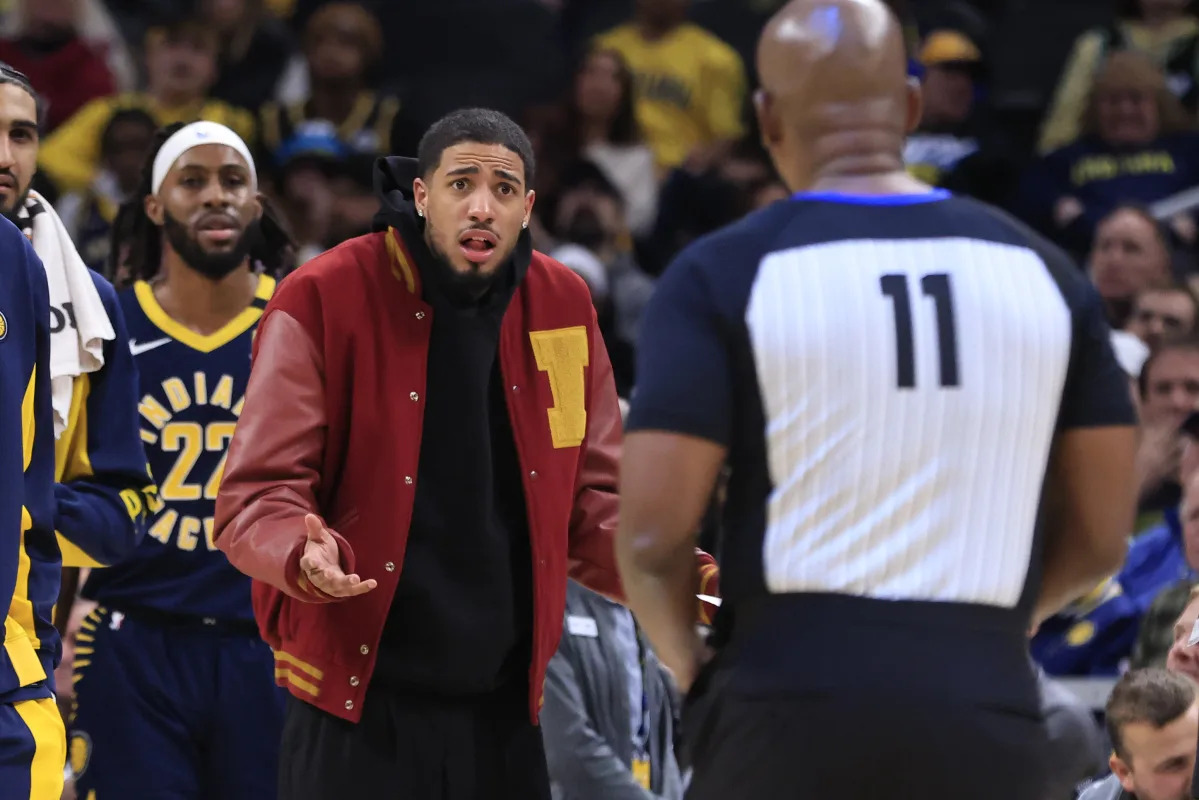
Tyrese Haliburton, the breakout player for the Indiana Pacers, is at risk of losing out on over $40 million due to the NBA's new load management rules, which require players to play at least 65 games and 20 minutes per game to qualify for certain awards. Despite being guaranteed a $200 million contract, Haliburton criticizes the rule, stating that the money will only benefit the NBA owners. The situation also impacts other players, such as Joel Embiid, and could have implications for the MVP race.
The NBA released an analytics report stating that there is no correlation between load management and reduced injury risk for players. The 57-page report, produced by IQVIA Injury Surveillance & Analytics, analyzed 10 years of data and concluded that rest or load management does not decrease future in-season injury risk. Despite the increase in single-game absences for players, the report found no evidence that load management leads to better player health. This contradicts previous statements from NBA executives and highlights the ongoing debate over the effectiveness of load management in the league.
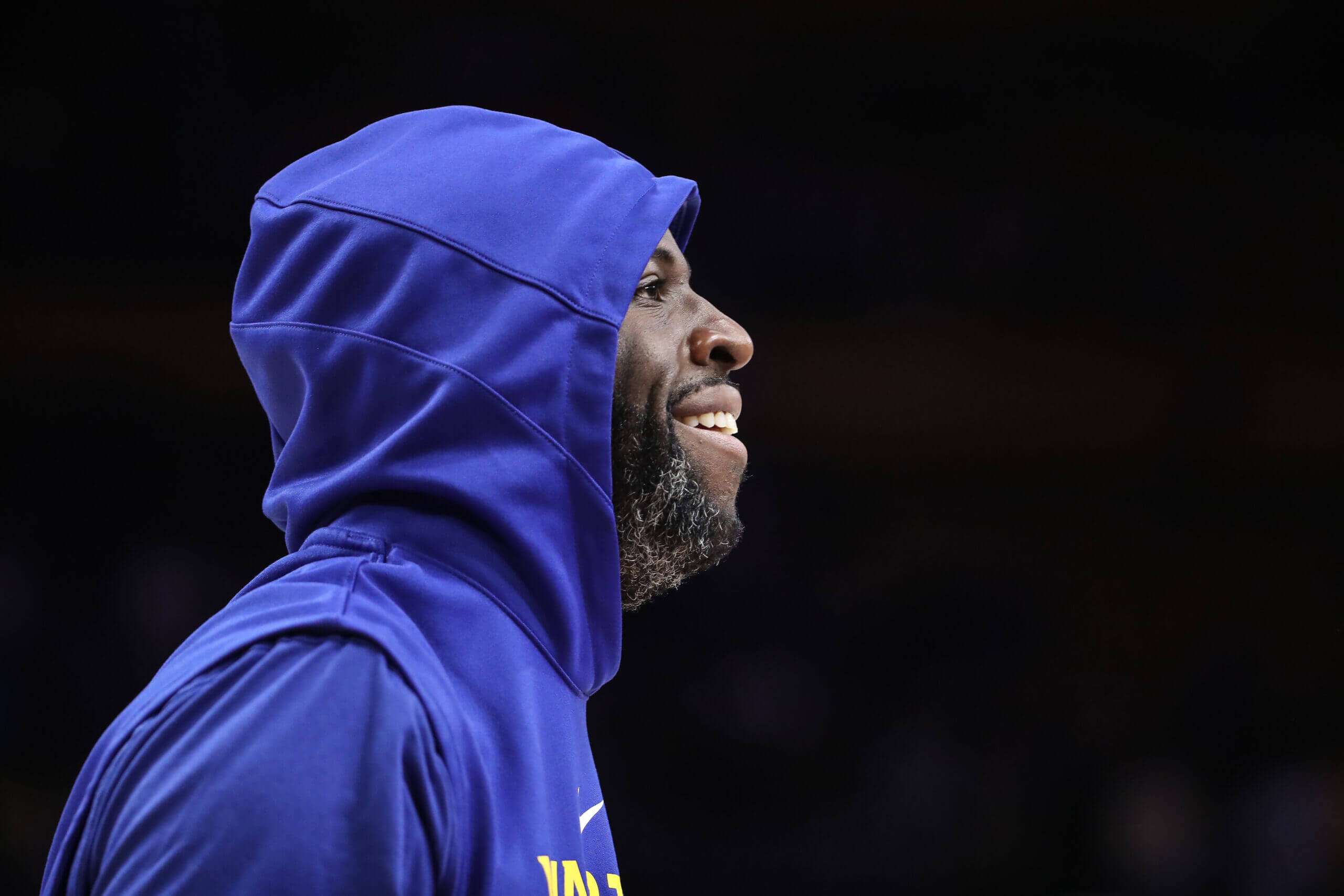
Draymond Green is set to make his season debut for the Golden State Warriors on Sunday against the Houston Rockets, aiming to play 65 games to be eligible for major awards. Green supports the NBA's new rule against load management and emphasizes that the team's decision to rest players is primarily due to injuries, not fatigue. He will likely have a minutes restriction and is uncertain whether he will start or come off the bench. Green and Chris Paul are optimistic about the Warriors' mix of talent and are working on finding their offensive synergy. Green sees their partnership as a challenge for opposing teams and envisions himself as a playmaker alongside Paul in high pick-and-roll situations.
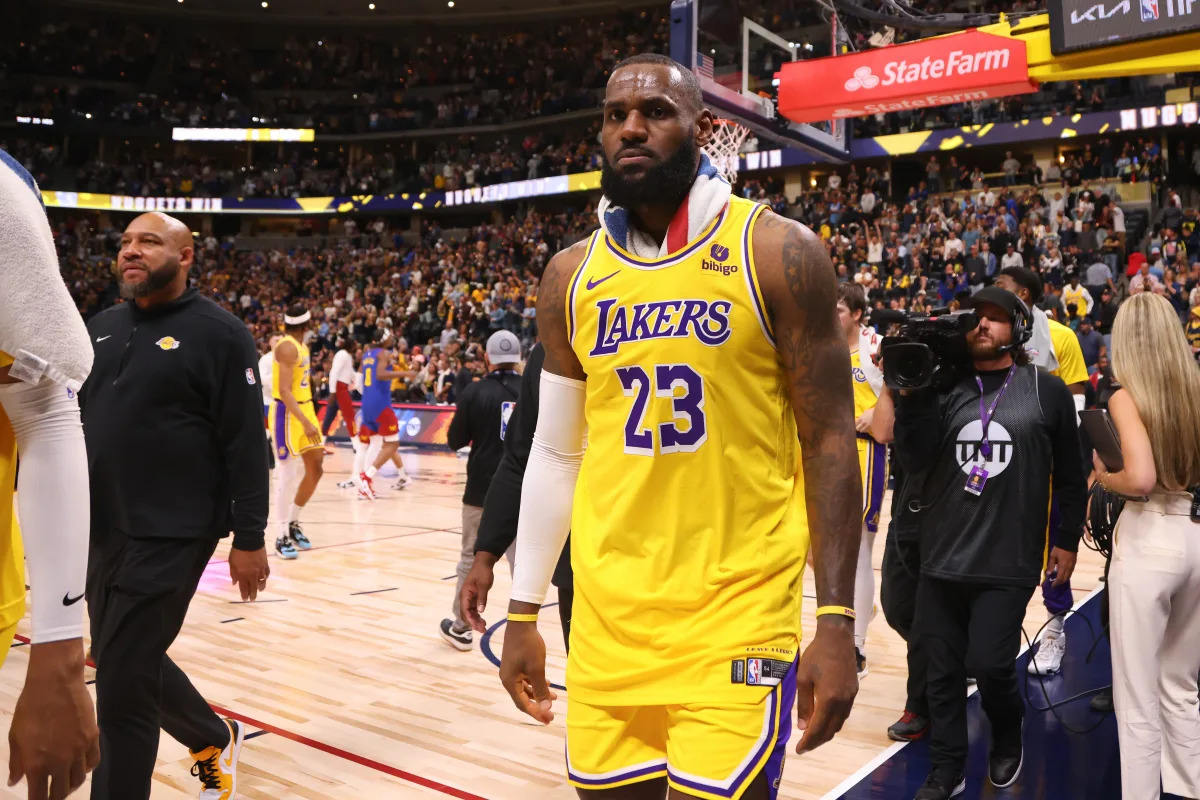
LeBron James played just 29 minutes in the Los Angeles Lakers' season-opening loss to the Denver Nuggets, a deliberate move by the team to manage his workload and navigate around the NBA's new load management rules. The Lakers plan to continue limiting James' minutes throughout the season, depending on his health and the team's training staff's recommendations. While the new load management policy aims to prevent teams from resting star players, James qualifies for an exemption due to his age and playing time. The Lakers prioritize keeping James healthy as he nears the end of his career, and this strategy allows him to stay on the court while avoiding fines.
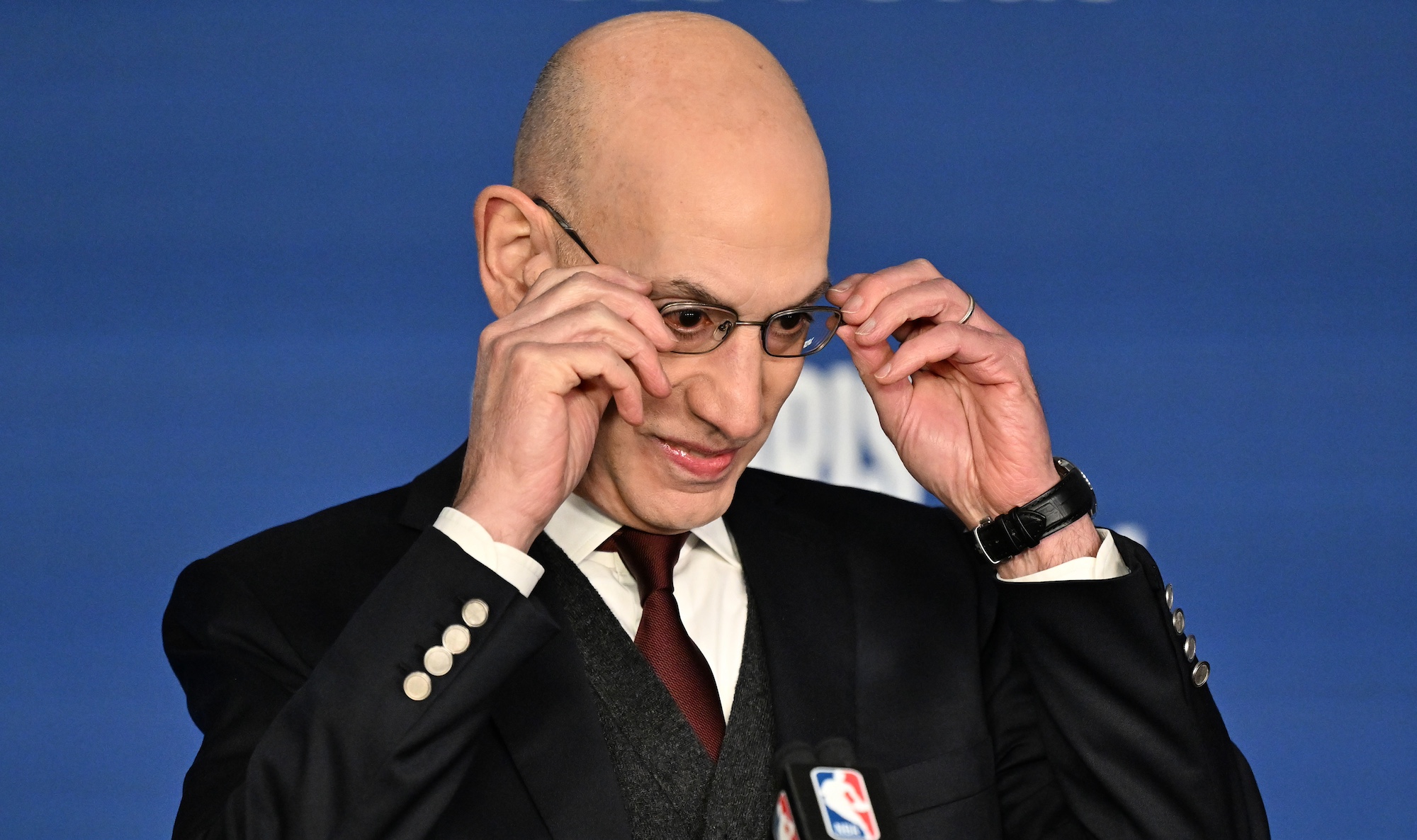
The NBA aims to reduce load management in the upcoming season, implementing a 65-game minimum for All-NBA teams and fines for teams abusing the practice. The league's vice president of basketball operations, Joe Dumars, claims that load management is no longer supported by science, suggesting that resting players does not correlate with injury prevention or fatigue. However, the specific scientific evidence and data supporting this claim were not provided. The NBA's focus on reducing load management may also prompt a reevaluation of scheduling and potentially lead to a shorter season in the future.
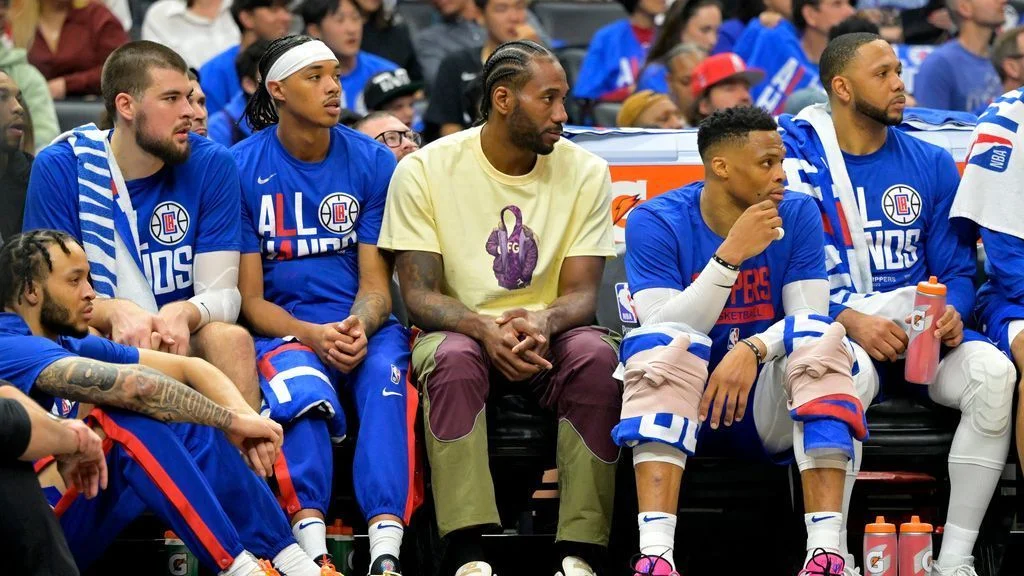
LA Clippers star Kawhi Leonard expressed his skepticism towards the NBA's new player participation policy, stating that "no league policy is helping me to play more games." Leonard, who has been associated with load management, emphasized that his previous absences were due to injury and not a deliberate choice. Clippers coach Ty Lue affirmed that if their players are healthy, they will play, and injuries have been the main obstacle. Leonard, who suffered a meniscus tear in the playoffs, acknowledged the unpredictable nature of injuries and emphasized his commitment to playing hard on both ends of the floor.