The article highlights some of the best poetry collections of 2024, emphasizing the role of poets in reflecting contemporary consciousness amidst societal challenges. It features monthly selections by Rebecca Morgan Frank and the author, showcasing works by poets like Anne Carson, Kwame Dawes, and Halyna Kruk. These collections offer diverse themes, from personal introspection to cultural and historical reflections, underscoring poetry's enduring relevance and its capacity to illuminate human experiences.

Haruki Murakami's latest novel, "The City and Its Uncertain Walls," is critiqued as a lackluster addition to his oeuvre, resembling fan fiction more than a fresh narrative. The book revisits themes and settings from his earlier work, "Hard-Boiled Wonderland and the End of the World," but fails to capture the depth and strangeness of his previous novels. The review highlights Murakami's tendency towards verbose and banal descriptions, which detract from the novel's impact, and suggests that his writing has become overly formulaic and self-referential.
Haruki Murakami, a prominent Japanese author, has long been a polarizing figure in Japan's literary scene, often criticized for his Western influences and lack of traditional Japanese elements in his work. Despite this, Murakami's novels, such as 'Norwegian Wood,' have gained international acclaim for their universal themes and unique style. His latest book, 'The City and Its Uncertain Walls,' continues to explore familiar themes of nostalgia and existential reflection, maintaining his global appeal even as he remains somewhat outside Japan's literary establishment.
Lili Anolik's book "Didion & Babitz" explores the contrasting personas and literary legacies of Joan Didion and Eve Babitz, two iconic writers associated with Los Angeles. The book examines how both authors cultivated their public images and brands, often through social networking, and how their careers intersected. Anolik's narrative, which includes newly discovered letters and personal anecdotes, attempts to portray Didion and Babitz as two halves of American womanhood, though it sometimes reduces their complexities to simplistic binaries. The book also reflects on Anolik's role in reviving Babitz's literary reputation.
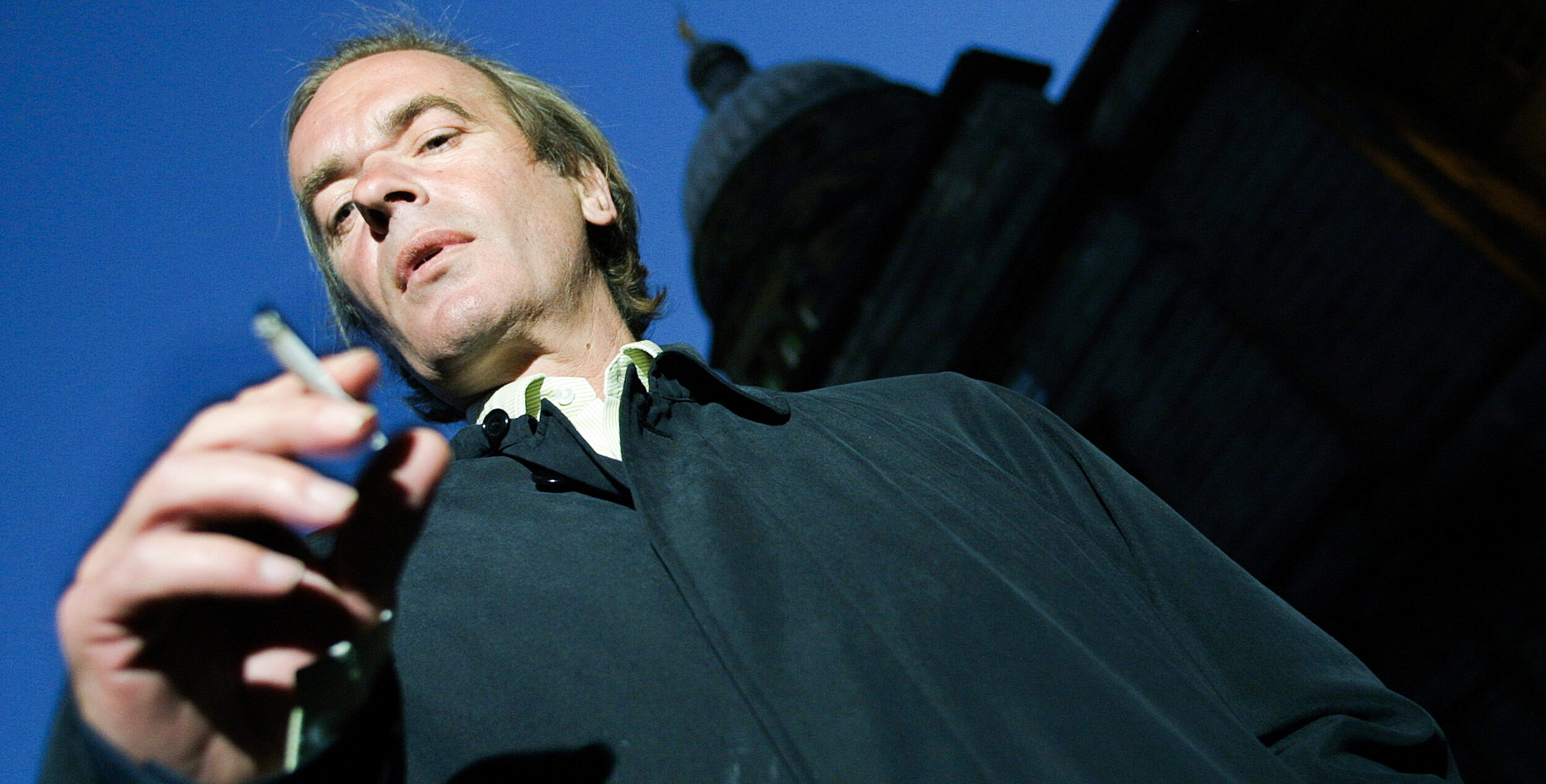
Martin Amis, part of a talented group of writers including Salman Rushdie, Julian Barnes, Ian McEwan, Christopher Hitchens, James Fenton, and Clive James, was a gifted writer with a mordant wit and a finger on the pulse of postmodern culture. However, his writing revealed a disparity between the sordid events it narrated and the tamely conventional views that underpinned it. Amis dismissed socialism and Christianity as obsolete ideologies, but in his view, all ideologies were obsolete, except for middle-class liberalism, which he saw as plain common sense. His response to the 9/11 tragedy exposed the limits of liberalism, which can move quickly into a violent defence of the status quo.