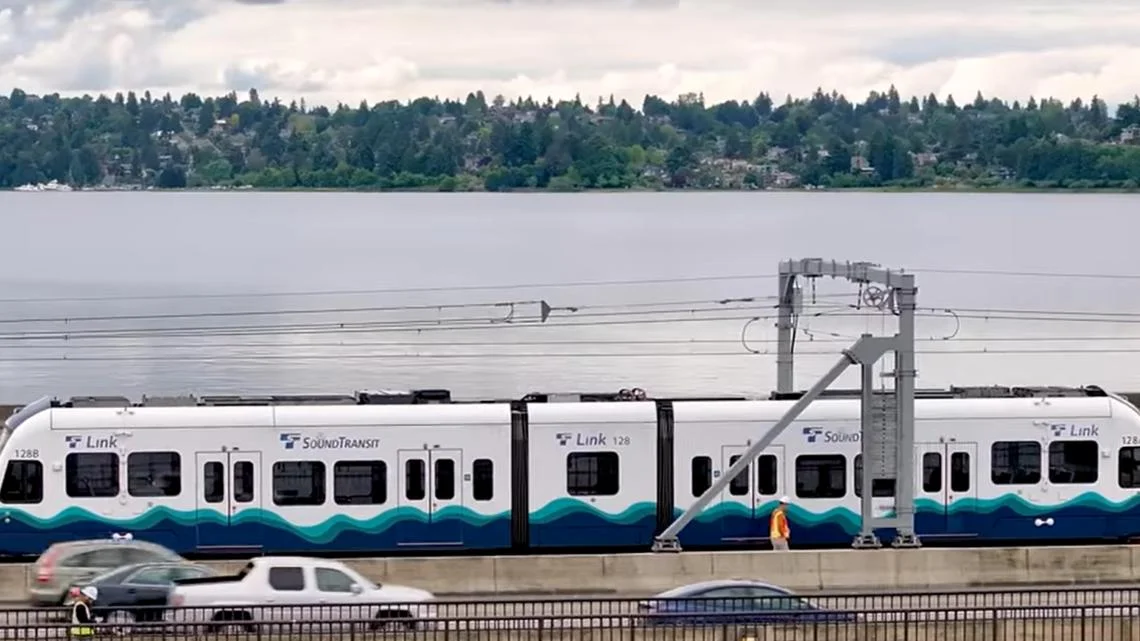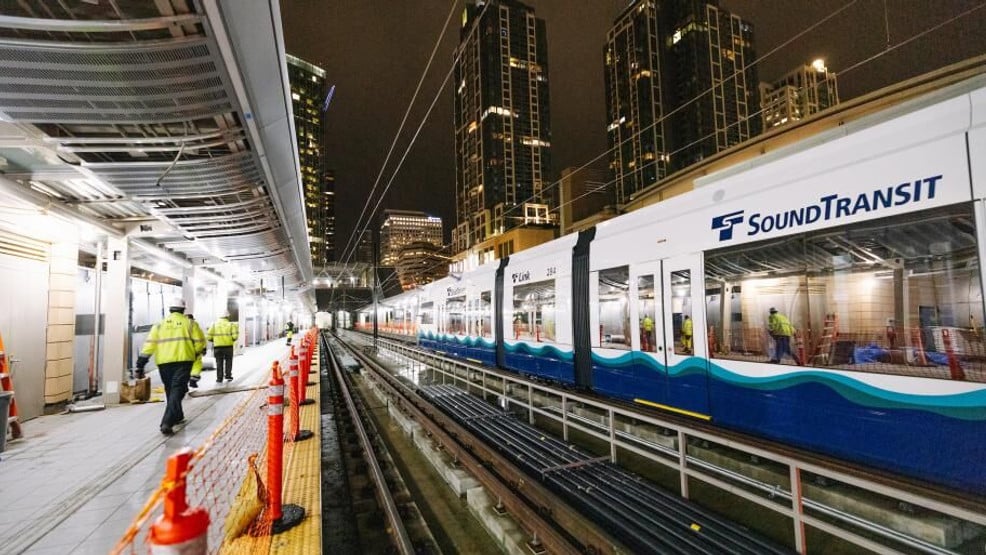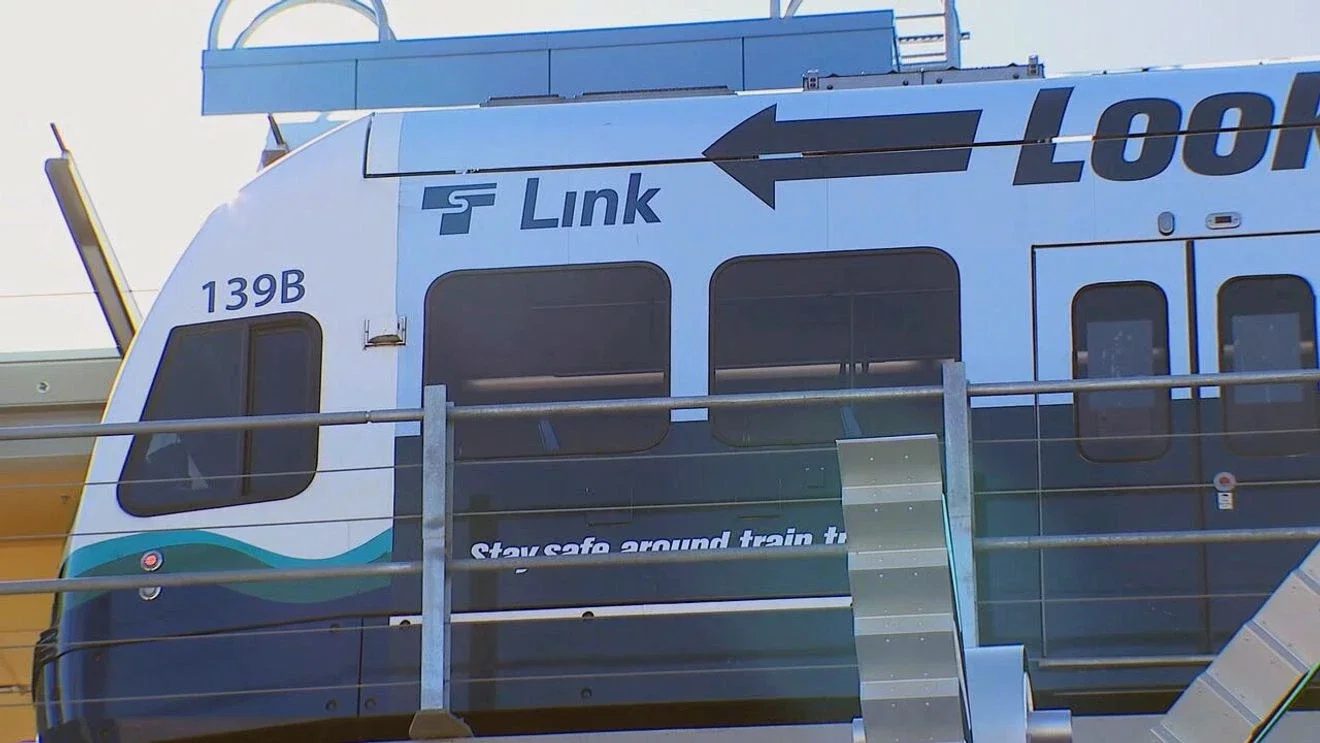
Light rail service between Capitol Hill and Stadium stations in Seattle will be temporarily suspended overnight from Saturday 11 p.m. to Sunday 10 a.m. for signaling upgrades, with buses replacing trains and additional travel time expected.
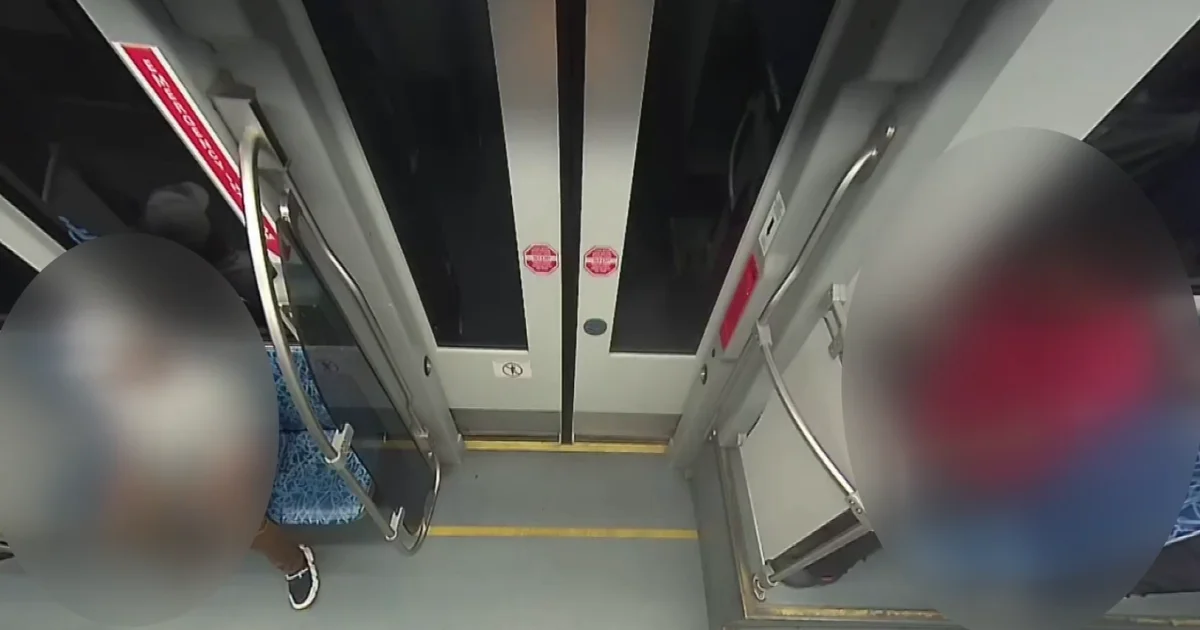
CATS released surveillance footage of a fatal stabbing on Charlotte's light rail, where 23-year-old Iryna Zarutska was killed by Decarlos Brown, who has a history of criminal activity. The incident has raised concerns about transit safety and mental health issues, prompting increased security measures and safety protocol reviews. Brown, charged with murder, was arrested at the scene, and the community mourns Zarutska's tragic death.
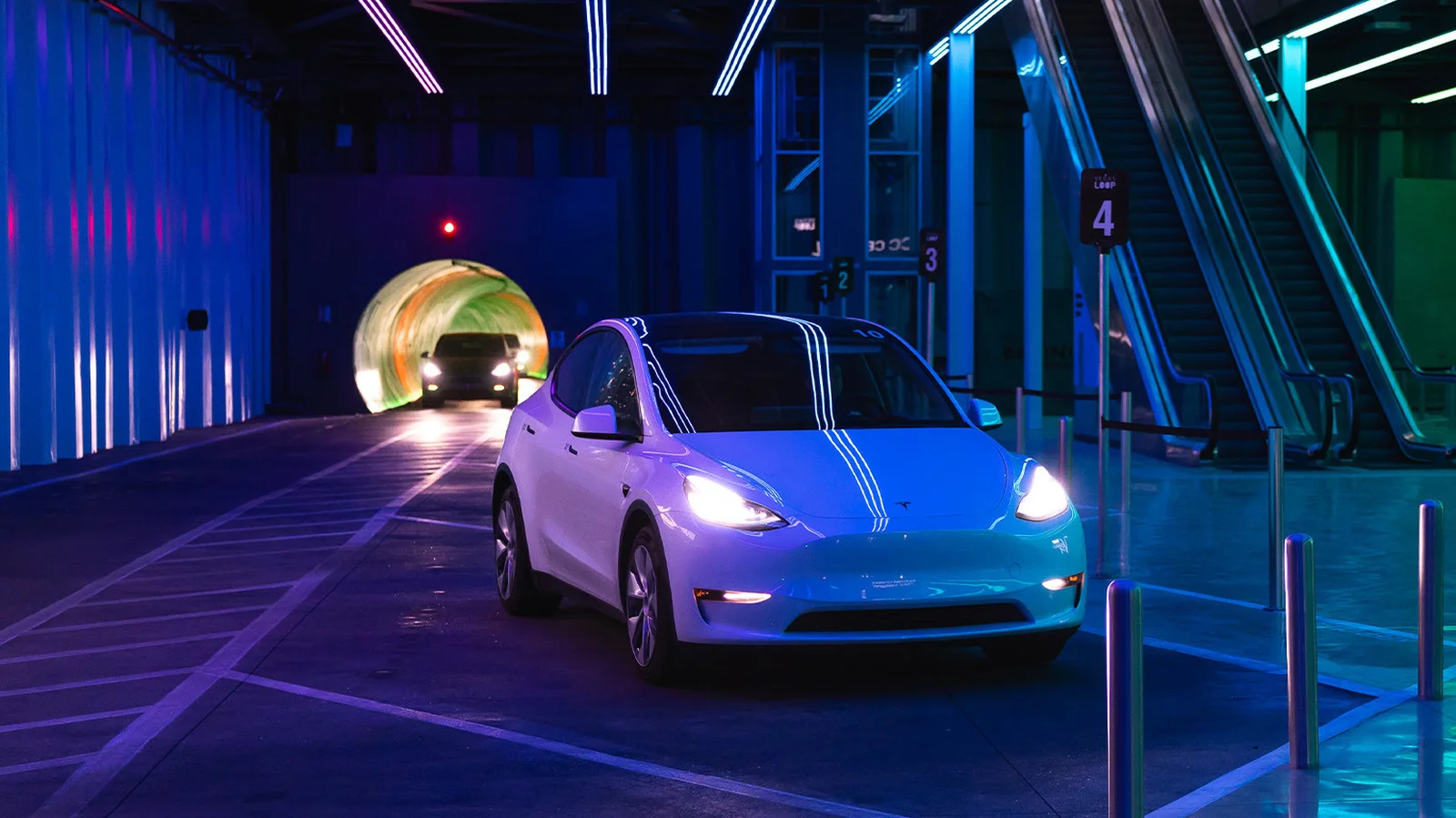
Nashville has approved a private tunnel project by the Boring Company to connect the airport with downtown, bypassing traditional public transit options like light rail, raising concerns about resource allocation and community engagement.
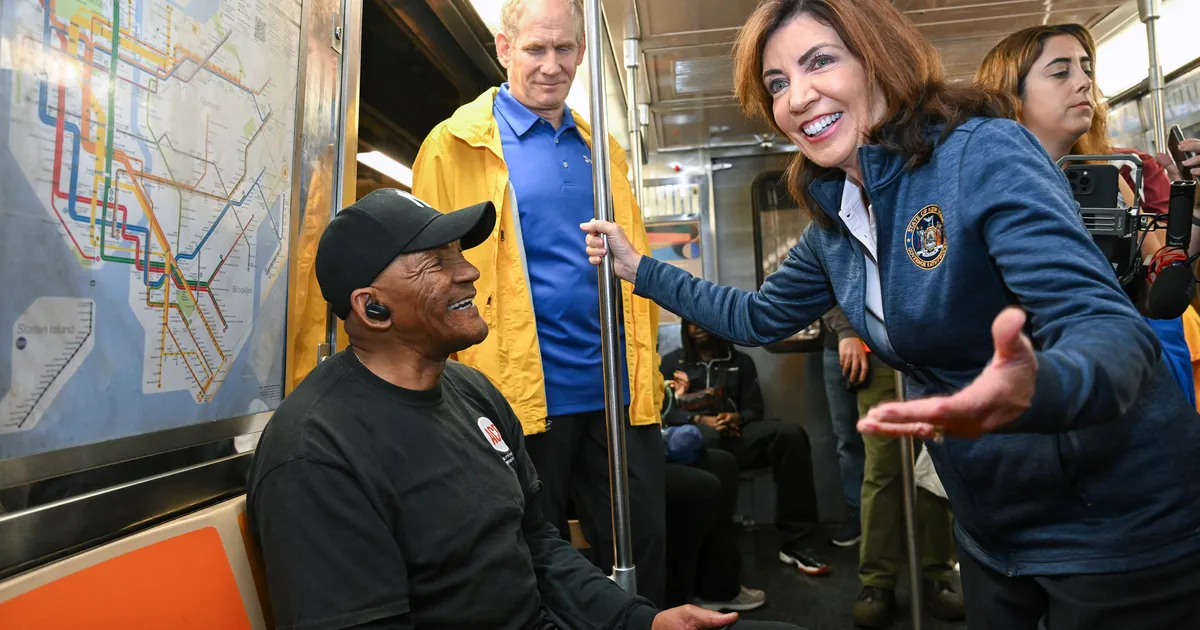
NYC is advancing the Interborough Express project from planning to active development, aiming to connect Brooklyn and Queens with a 14-mile light rail line along an existing freight corridor, potentially reducing commute times and spurring housing development, with a projected completion in the 2030s.
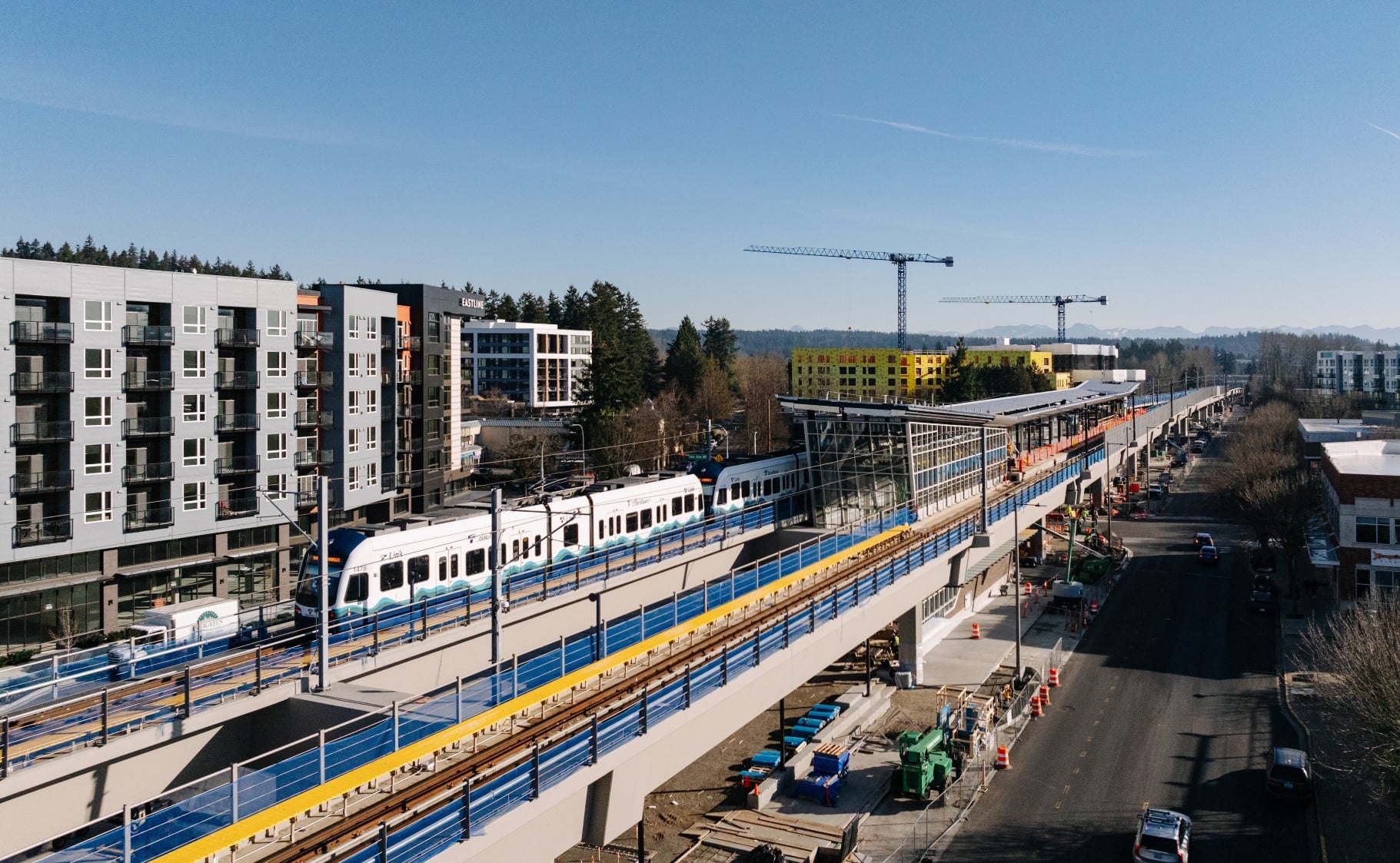
The newly opened Redmond Link light rail segment experienced temporary closures due to heat-related issues with overhead wires, causing service disruptions and a bus bridge replacement. Repairs are underway, with expectations of partial reopening soon, as the agency investigates the heat's impact on the infrastructure and prepares for future hot weather conditions.
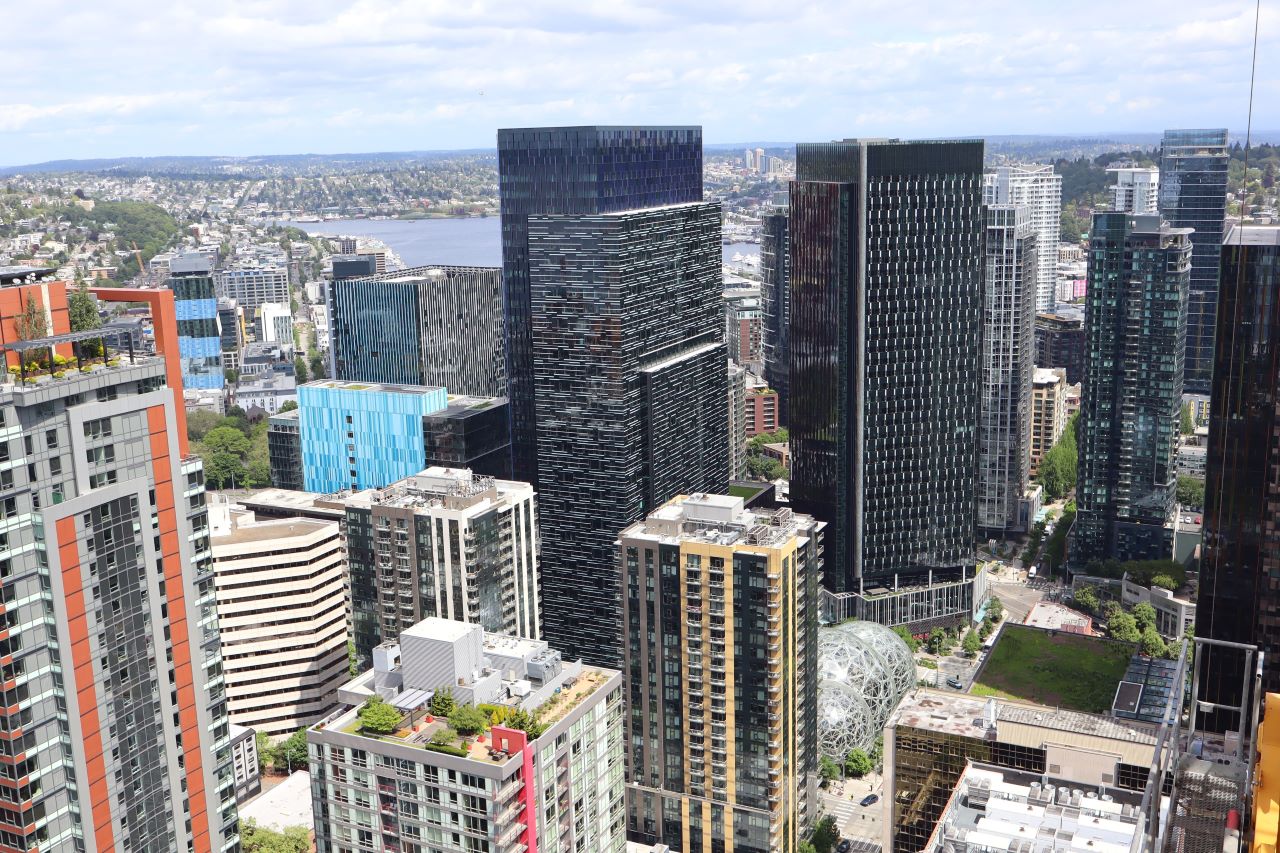
The Sound Transit Board rejected alternative station proposals for the Ballard Link light rail line in South Lake Union, despite lobbying from the Seattle Metropolitan Chamber of Commerce and major stakeholders like Amazon. The board cited significant delays and additional costs as reasons for sticking with the existing plan, which aims to minimize construction impacts on Westlake Avenue. The project, part of the 2016 Sound Transit 3 vote, is already four years behind schedule with a revised opening date of 2039.
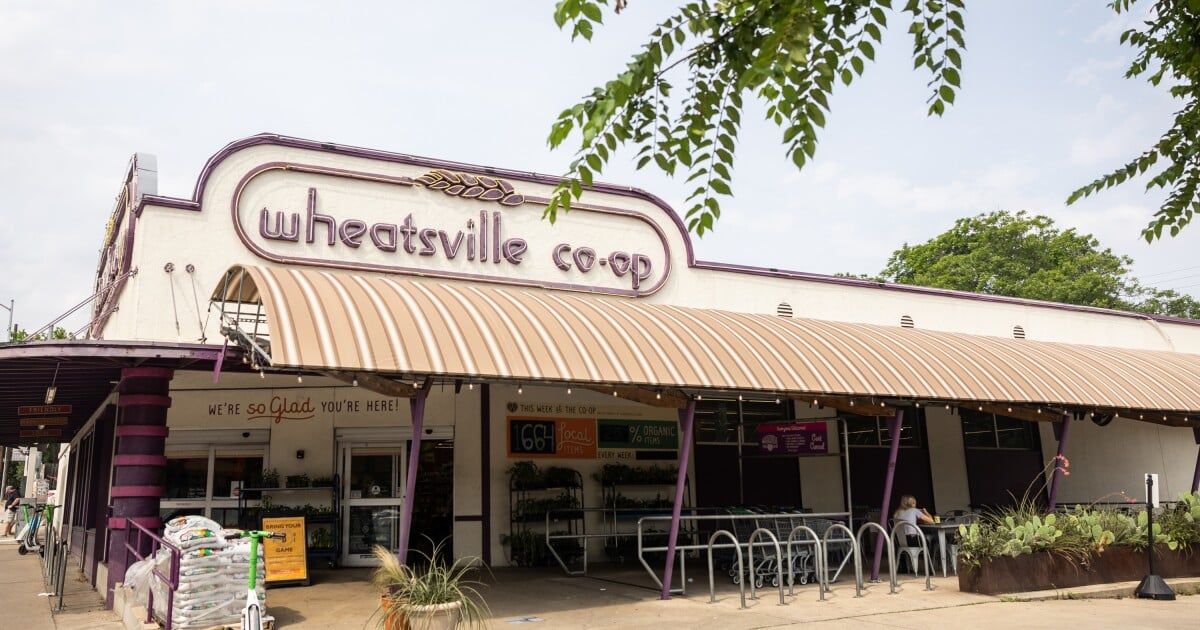
Wheatsville Food Co-op will close its Guadalupe Street location by the end of 2026 due to financial struggles and the upcoming construction of a light-rail line that will hinder access and deliveries. The co-op plans to shift to smaller stores to better serve neighborhoods and manage costs.
Sound Transit announced that the Link 1 Line will extend to Lynnwood on August 30, adding four new stations and increasing train frequency during peak hours. Bus service upgrades originally planned for August 31 will now take place on September 14 to ensure a smooth transition. The extension is seen as a major milestone in the growth of light rail, connecting two counties and providing increased transit options for riders. The project budget includes federal funding and a low-interest loan, and the extension will serve stations with multiple transit connections.
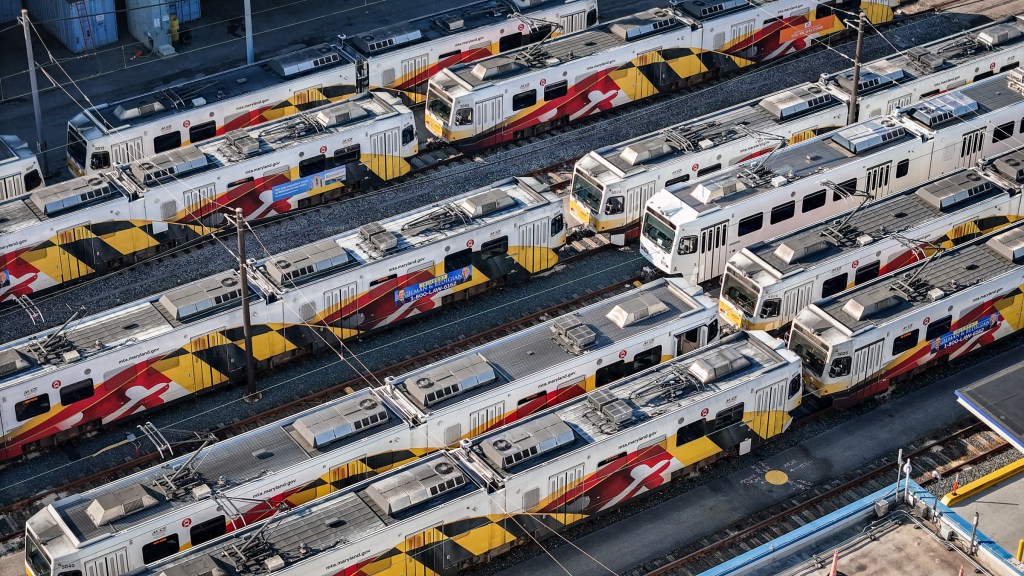
Maryland will receive over $213 million in federal funding to replace its aging fleet of light rail vehicles, with the state matching the funds with $90 million of its own. The project aims to replace the 95-foot rail cars dating back to 1992 with modern, low-floor vehicles for easier boarding. The funding comes from a new rail upkeep program established by President Biden's bipartisan infrastructure law, and the state's all-Democratic delegation played a key role in passing the legislation. The overhaul of the fleet is deemed "long overdue" by officials, following frequent service disruptions and a recent shutdown for inspections and repairs.
The new 2 Line Eastside Link light rail is set to open on April 27, connecting east King County to Seattle with eight stops between South Bellevue and Redmond. Sound Transit aims to improve mobility and access for residents, with trains running every 10 minutes during operating hours. The project, costing approximately $3.7 billion, will eventually expand to include stations at Judkins Park and Mercer Island in 2025. Security measures are in place, and parking will be available at select stations.
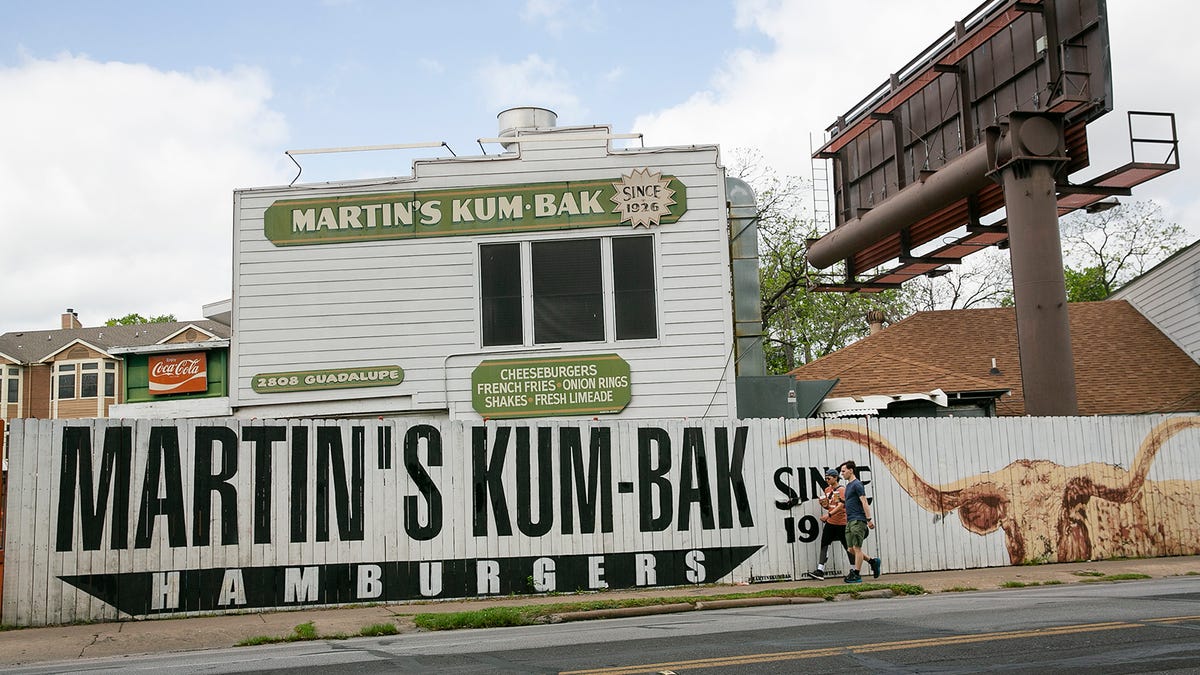
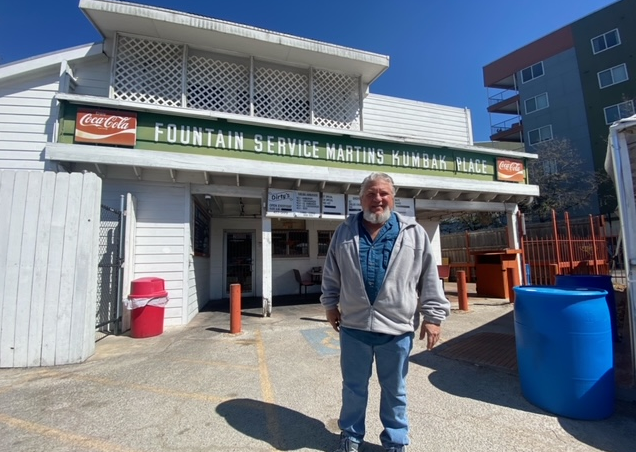
Austin's light-rail planners have decided to forgo seizing private properties, including the location of the iconic burger restaurant Dirty Martin's, in an effort to reduce land acquisition costs for the proposed line. The changes will allow planners to prioritize spending on stations and urban design, rather than on land acquisitions. The fate of Dirty Martin's has been in question for over two years, and the restaurant is currently involved in a lawsuit against the city's light-rail project. The proposed light-rail alignment along Guadalupe Street remains unchanged, but the latest plans call for more consideration to eliminate roadways for the Drag, a portion of the street on the western edge of the UT campus.
Austin Transit Partnership confirms that Dirty Martin’s Place and several other properties will no longer be displaced by Project Connect’s light rail transit system, following re-evaluation of station locations and traffic flow. The organization aims to minimize real estate acquisition and maximize user experience, with bus and bike routes being relocated to side streets. The first phase of the light rail will run from 38th Street to Oltorf Street to Yellow Jacket Lane, with ongoing community engagement events to gather feedback on the project's impact on the urban environment. However, a lawsuit challenges the changes made to the initial plan approved by voters in 2020, while ATP is working with the Federal Transit Administration on federal funding and environmental approval processes.
Baltimore's light rail service remains suspended for the fourth day as inspections and repairs are being conducted on the entire fleet due to mechanical issues. The Maryland Transportation Authority has not provided specific updates on the situation, but maintenance and overhaul of aging transportation vehicles are being emphasized as a priority moving forward. Camden Station is currently serving as a midpoint for replacement shuttle services during the suspension, causing delays for commuters. The MTA has identified punctured conduits and cable issues as more systemic problems than initially thought, likely resulting from delayed maintenance efforts. It will require eight cars for limited service and 19 cars for full service to resume.
Baltimore Ravens fans and other commuters in Baltimore are expressing frustration over the complete shutdown of the Light Rail system, which has been replaced by a shuttle bus service due to safety concerns. Riders are experiencing communication issues and uncertainty about bus arrival times. The shutdown comes after an explosion and smoking equipment incidents. The Maryland Transit Administration is offering free bus rides as an alternative, but riders are concerned about the inconvenience, especially during the holiday season. MTA officials have promised to provide a better timeline for the return of Light Rail service.
Light rail riders in Baltimore are frustrated as the indefinite suspension of service continues into the new workweek due to mechanical issues. The Maryland Transit Administration (MTA) has not provided a timeline for when the problems will be fixed, leaving thousands of commuters scrambling to find alternate transportation. The suspension, which began on Friday, is impacting around 10,000 riders who now have to rely on shuttle buses. The MTA discovered punctured high voltage conduits and damage to machinery connecting the cars, leading to a fire and smoke events. Commuters are concerned about the safety of the light rail and the lack of notice given by the MTA.