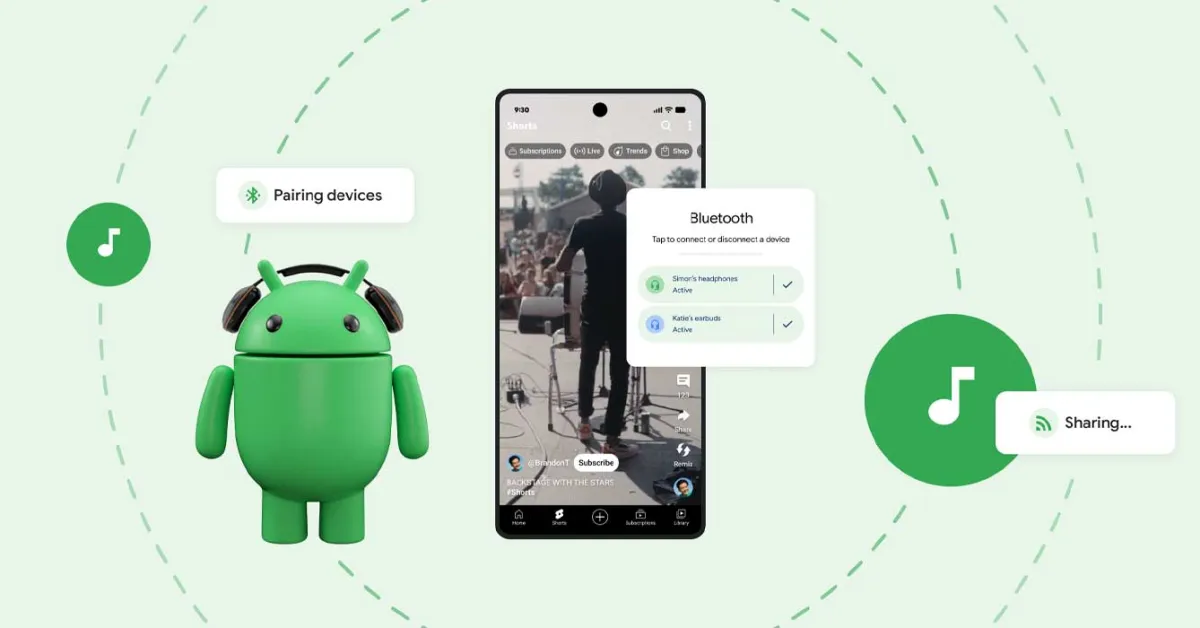
Google has announced that Pixel phones running Android 16 with LE Audio support will now have access to Auracast, enabling multiple headphones to connect to a single device for shared audio, with support expanding to certain Sony headphones and future Pixel models, enhancing Bluetooth audio sharing capabilities.
Google's September 2025 Pixel Feature Drop introduces Material 3 Expressive, live lock screen effects, a redesigned Quick Settings, automatic navigation on Pixel Watch, and expanded LE Audio support with Auracast. It also enhances Gboard's AI tools, Quick Share, and reintroduces Androidify, aiming to make Pixel devices more personalized and seamless.
Bluetooth audio has come a long way in the past 20 years, evolving from mono headsets for voice calls to today's wireless devices capable of streaming high-quality music. The technology has advanced to support faster communication, reduced latency, and improved sound quality, leading to the development of true wireless earbuds and broadcast audio like Auracast. The recent introduction of LE Audio in 2022 further enhances Bluetooth capabilities, offering lower latency, standardized audio transmission, and support for multiple receivers. Bluetooth has become integral for people with hearing loss, with applications ranging from medical-grade hearing aids to consumer devices, and continues to adapt to evolving consumer preferences for wireless audio.
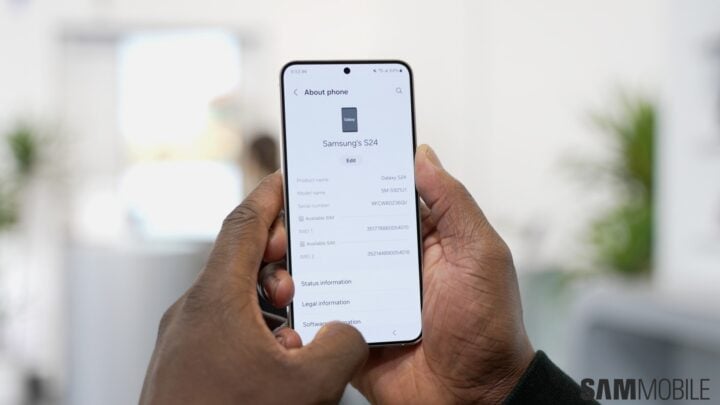
Samsung's One UI 6.1 update introduces Bluetooth Auracast, allowing users to create audio broadcasts that others can join using compatible Bluetooth earphones. This feature enables multiple people to join a single audio broadcast, requiring a four-digit password for access. It is available for devices with Bluetooth 5.3 and LE Audio capabilities, and could potentially be released to existing Samsung smartphones and tablets with the update.
Microsoft Teams has introduced spatial audio for its desktop app, allowing voices on conference calls to sound more spread out and distinct. However, the feature currently only supports wired headsets or stereo-capable laptops, as Bluetooth devices are not yet compatible due to protocol limitations. The upcoming LE Audio technology may enable wireless support for spatial audio in the future, but it will depend on device and accessory compatibility.
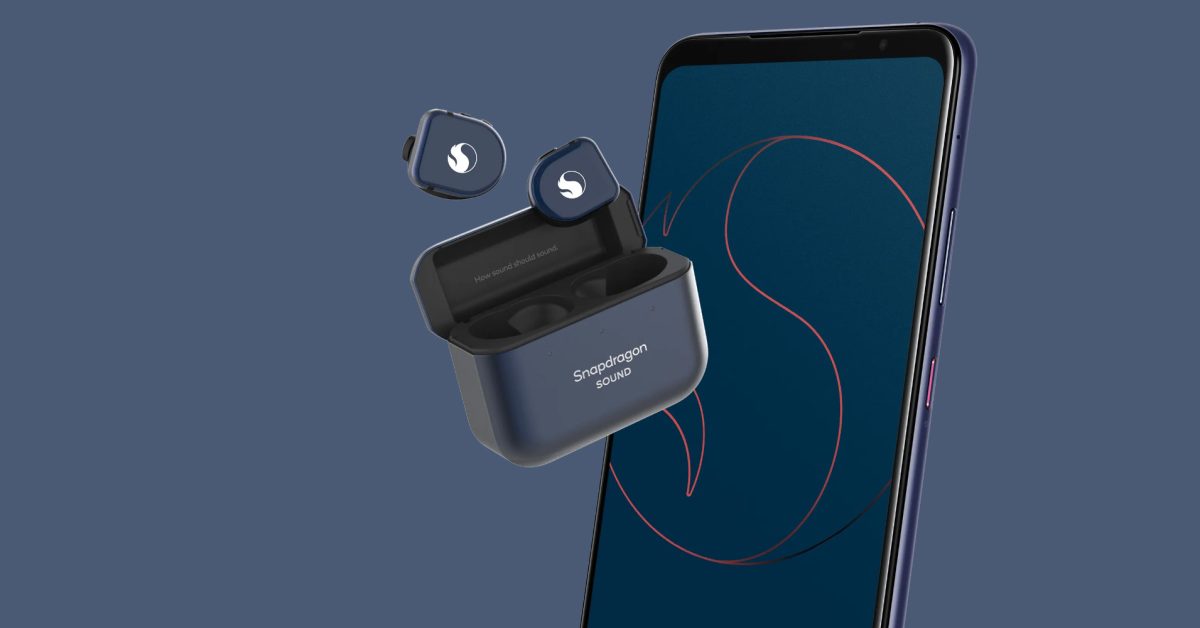
Qualcomm has announced an upgrade to its Snapdragon Sound tech that could bring Bluetooth audio latency to as low as just 20ms on Android devices. The Qualcomm S3 Gen 2 Sound platform is set to bring enhancements to devices that support Snapdragon Sound, most notably of which is support for ultralow latency audio streaming. This new platform will also support updates to LE audio, and 24-bit 96kHz high-resolution Bluetooth streaming is supported using Snapdragon Sound and Qualcomm aptX Adaptive audio technology.