
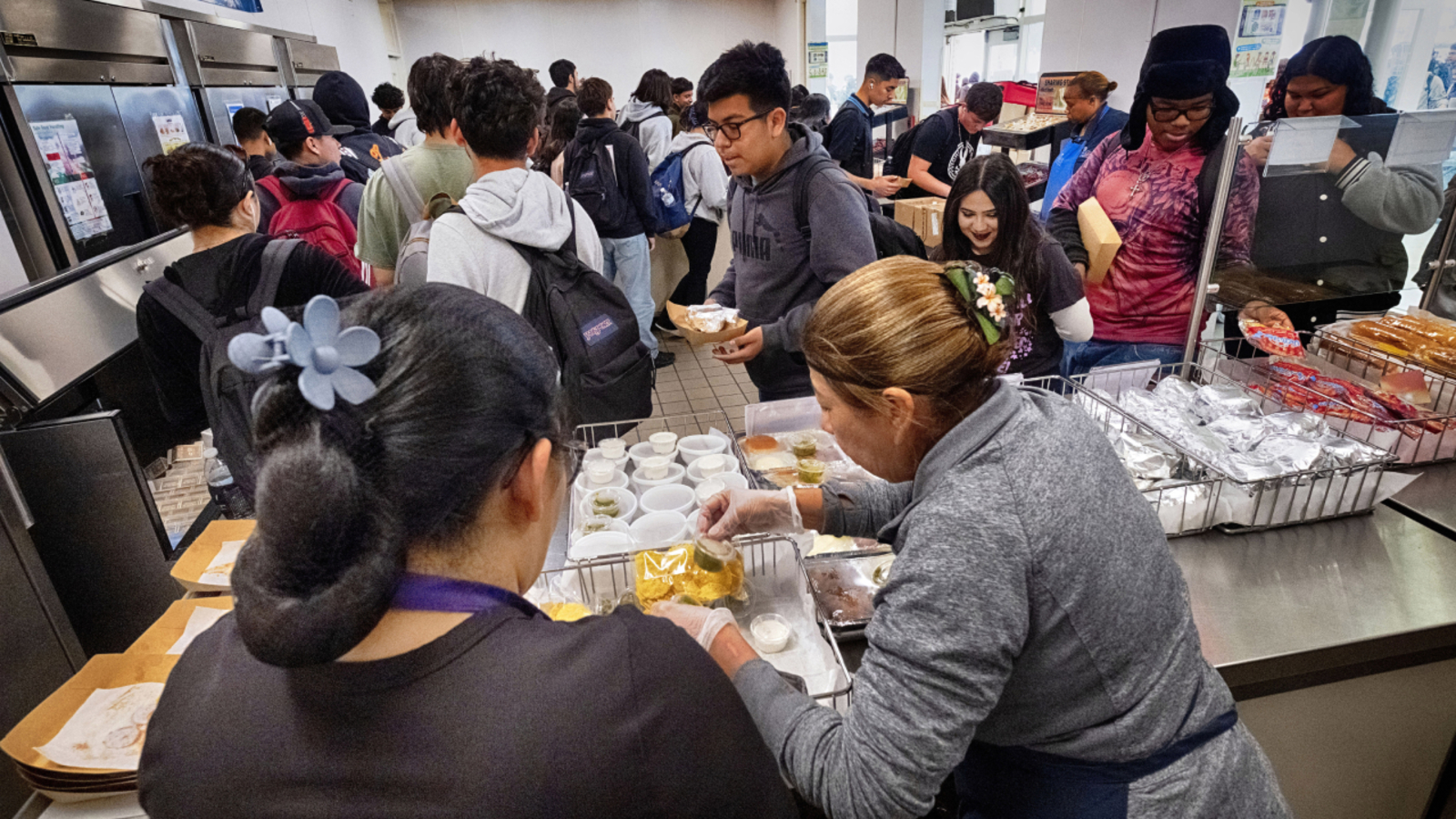
California's new $20-per-hour minimum wage for fast food workers has led to increased competition for school food service workers, as districts struggle to meet the demand for meals amid a state budget crunch. Some districts have already raised wages to compete, while others are limited in what they can do. Despite the challenges, school food service jobs offer benefits such as stability, predictable hours, and potential for additional incentives, making them competitive with the fast food industry.
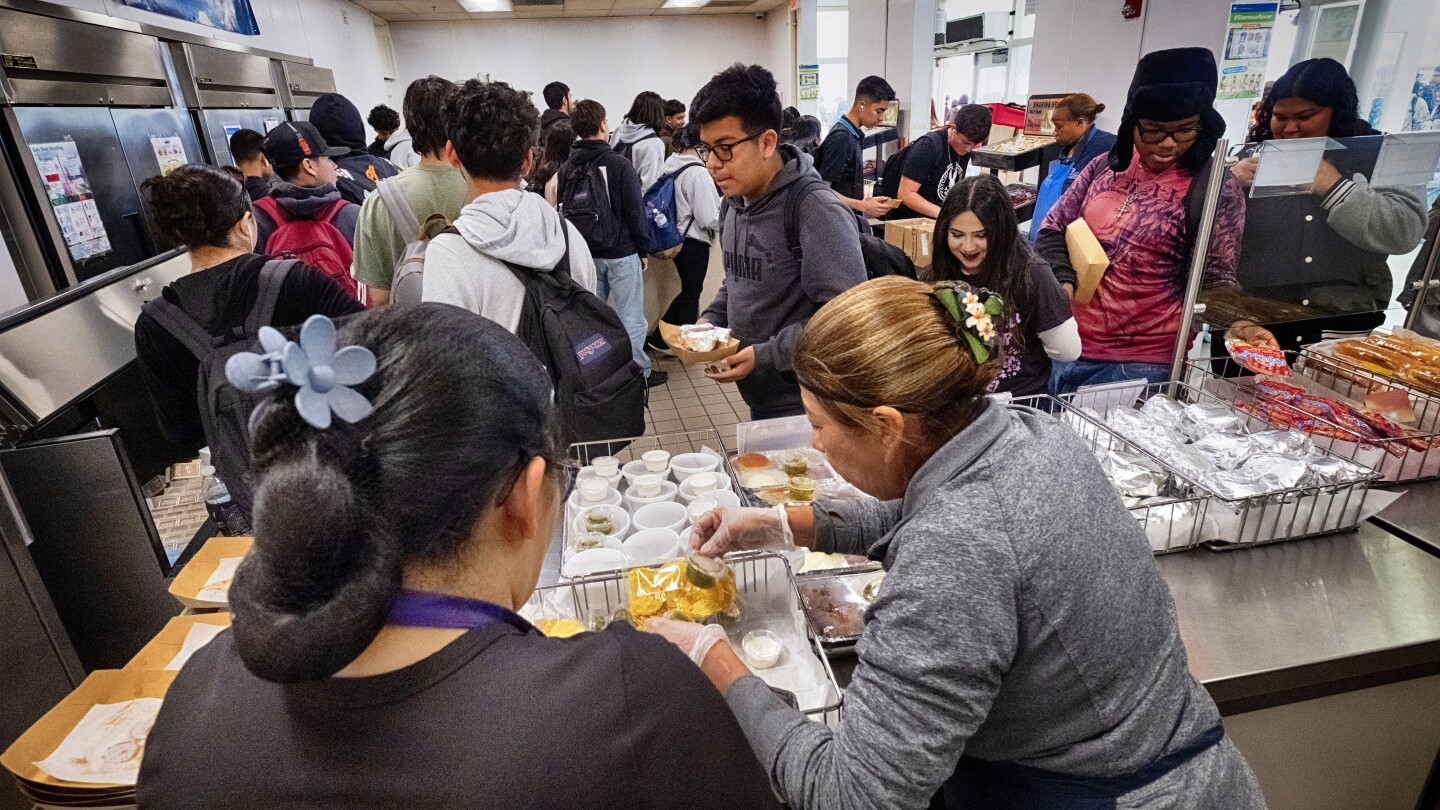
California's new $20-per-hour minimum wage for fast food workers is causing public schools to compete for cafeteria workers, as demand for school meals increases and turnover remains high. Some districts have already increased wages to compete with fast food chains, while others are limited in what they can offer. Despite budget constraints, school districts can provide incentives such as health insurance, paid vacation, and predictable hours to attract workers, and may have an advantage in offering stability and job security.
School bus drivers across the United States are going on strike due to low pay and staff shortages. Every state has reported a major shortage of drivers, with factors such as low pay, Covid-19 challenges, and inconvenient hours contributing to the problem. In New York City, negotiations are ongoing to avert a strike, while strikes have already occurred in Coventry and Meriden, Connecticut, and Lakota, Ohio. The drivers are demanding fair wages, benefits, and improved working conditions.