Hyundai is offering a paid security upgrade in the UK for Ioniq 5 owners to protect against thefts using a Game Boy-like device that exploits vulnerabilities in keyless entry systems, costing £49, though no similar option is available in the US yet.

Despite Tesla's implementation of ultra-wideband technology in its keyless entry systems, Chinese researchers have demonstrated that relay attacks can still be used to steal the latest Tesla Model 3. The attack, which uses inexpensive radio equipment, can unlock and start the car in seconds. Tesla has acknowledged the issue and is working on improvements, but for now, owners are advised to enable the PIN-to-drive feature to prevent theft.
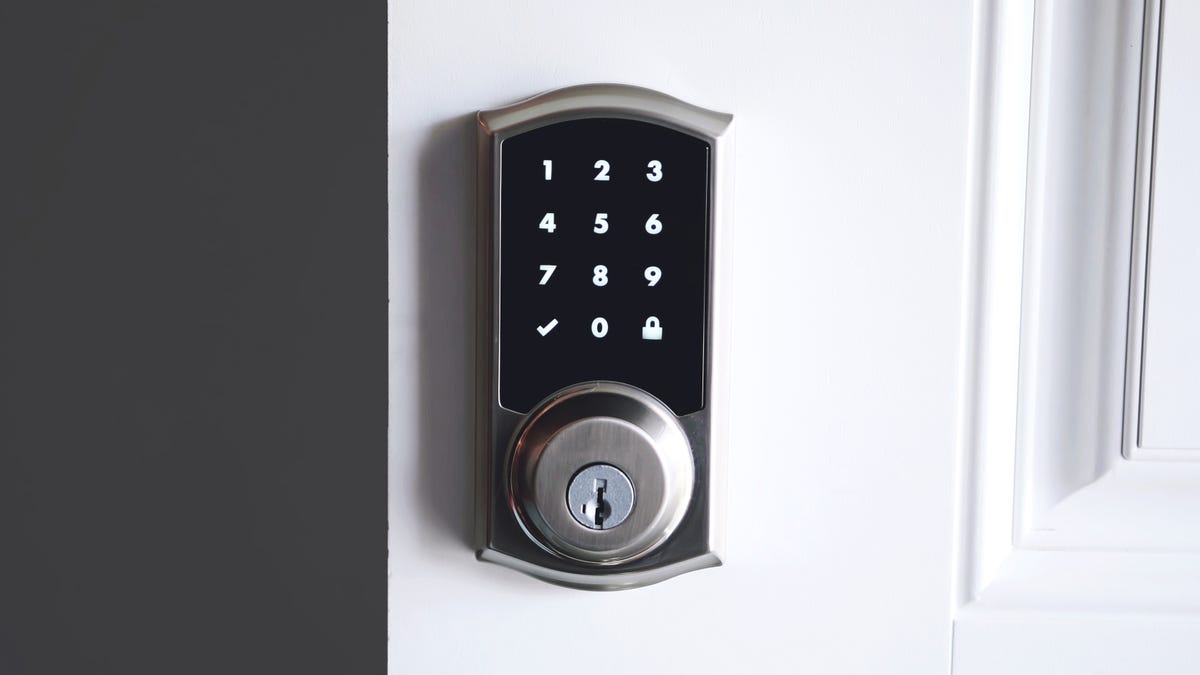
When deciding whether to replace your deadbolt with a smart lock, consider the advantages and disadvantages of each. Smart locks offer flexibility, allowing you to unlock your door with a code, fingerprint, or smartphone app, and provide features like remote access and customizable codes. However, they can be vulnerable to wear and tear, power outages, and security risks. Traditional deadbolts are simpler, cheaper, and more aesthetically diverse, making them a suitable choice if you only need physical key access or if you're renting and unable to install smart locks.
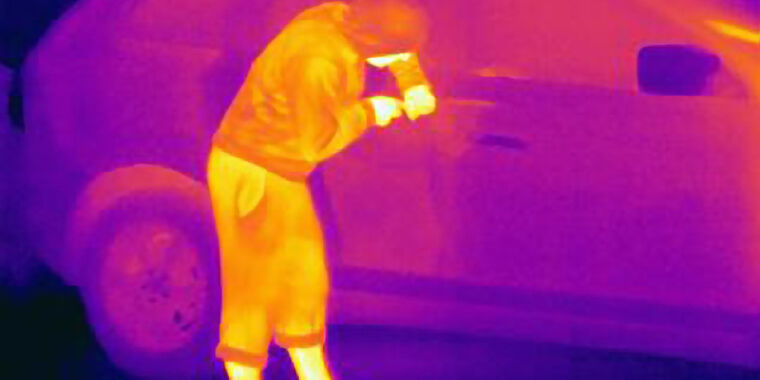
A new form of keyless car theft called CAN injection attacks has been discovered by a cybersecurity researcher who was a victim of the crime. The attack involves using an "emergency start" device to bypass the smart key system and inject malicious messages into the car's Controller Area Network (CAN), causing it to malfunction and allowing the thief to start the car. This technique is more sophisticated than the previously used relay attack and can be performed in under two minutes.