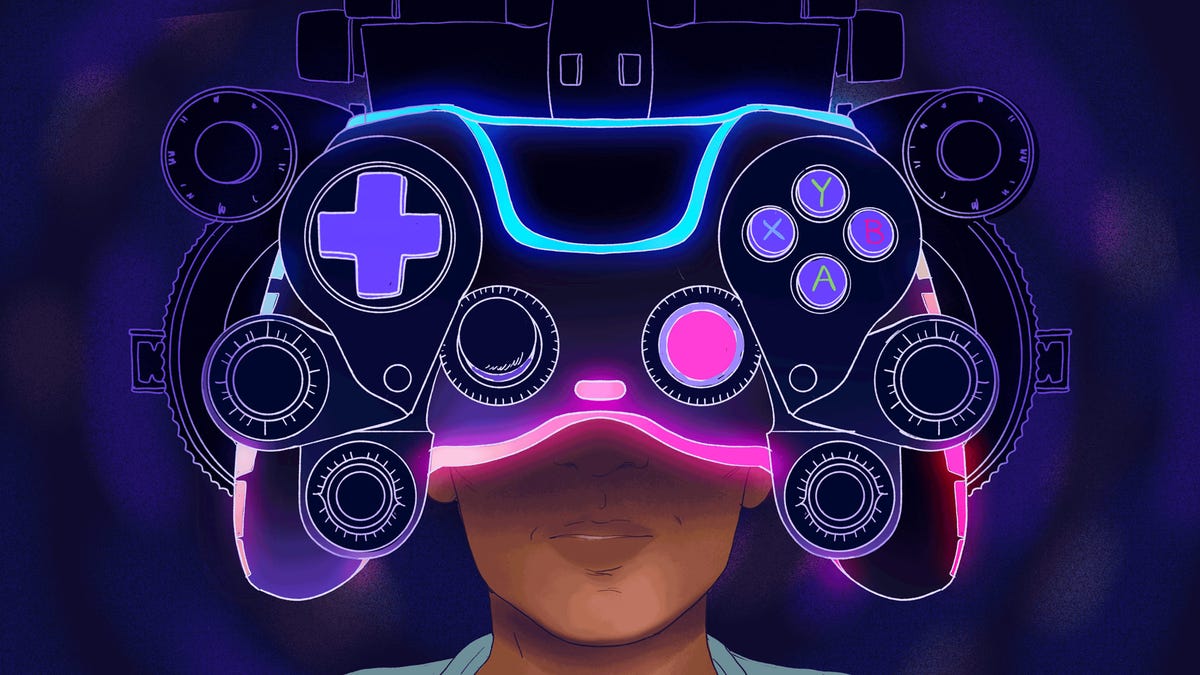
The lack of universal accessibility guidelines in video games poses challenges for players with disabilities, such as the author who has keratoconus, a degenerative eye disease. Despite advancements in accessibility features in some games, there is still a patchwork approach to accessibility, with many developers not prioritizing it. Disability advocates and organizations have made progress in raising awareness and pushing for change, but more consistent consideration and inclusion of disabled players is needed to make gaming truly accessible for all.
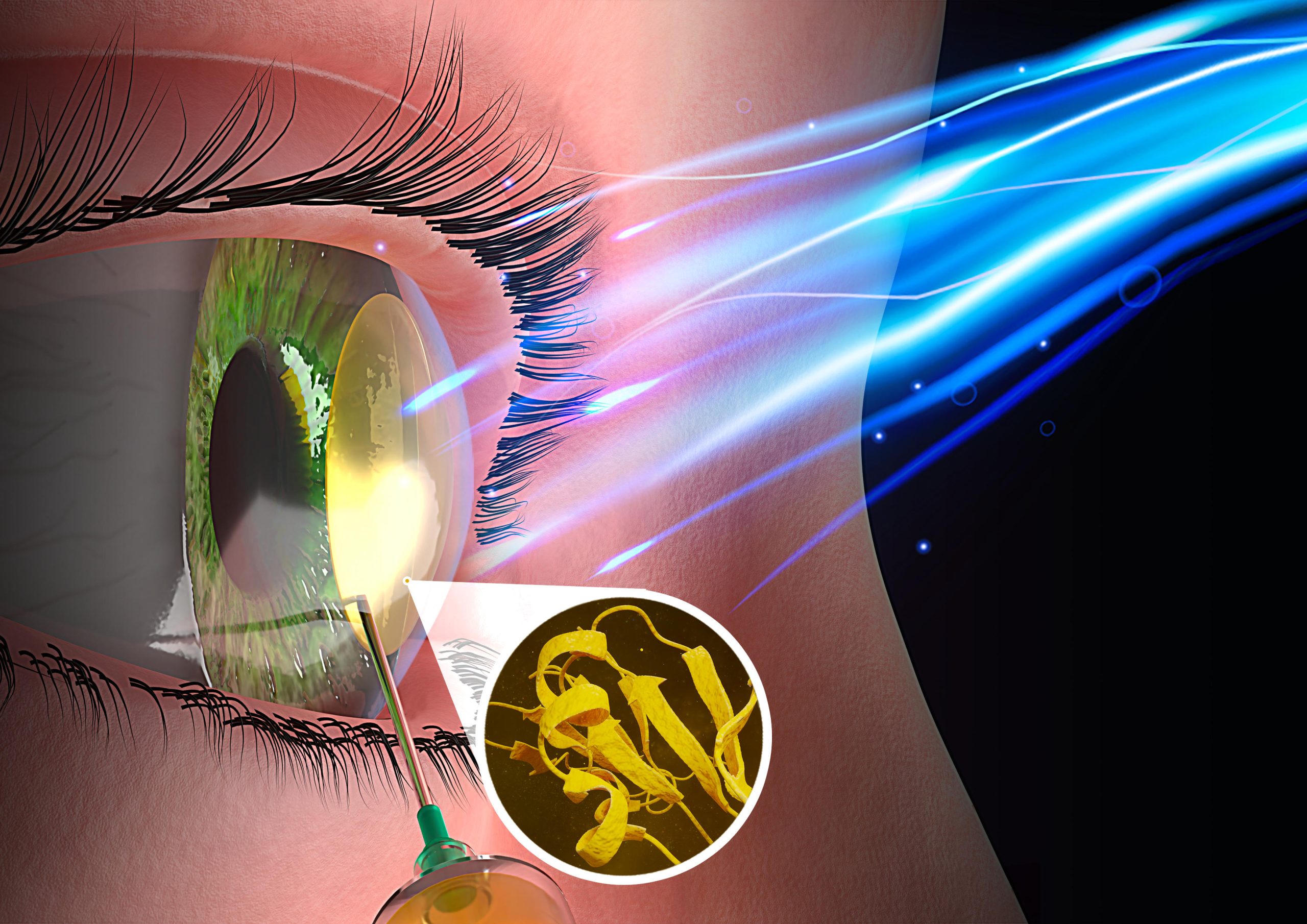
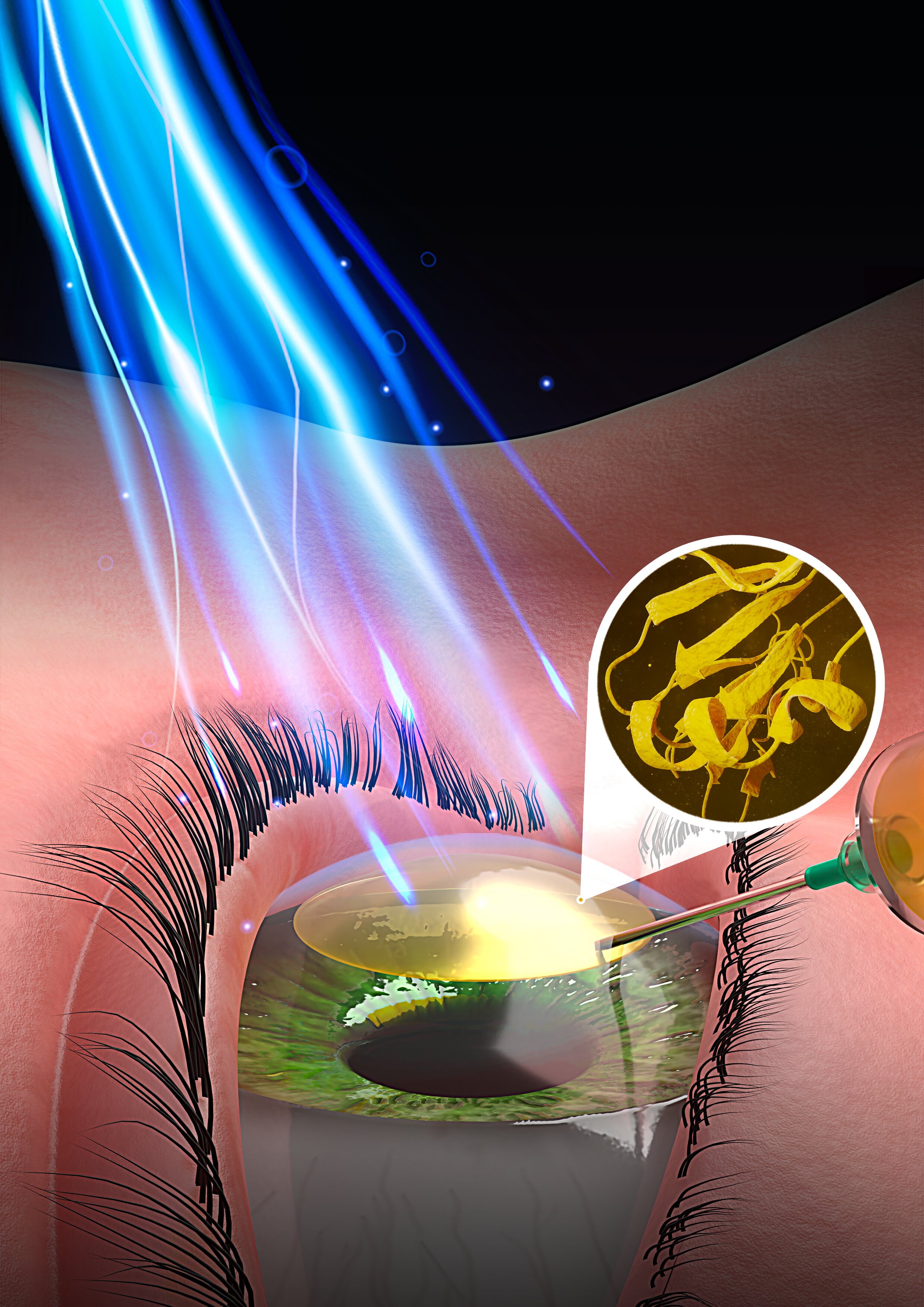
Researchers from the University of Ottawa have developed an injectable biomaterial that can be activated by low-energy blue light pulses to reshape and thicken damaged corneas. The biomaterial, inspired by nature, forms a tissue-like 3D structure within minutes when exposed to blue light. In animal models, the light-activated hydrogel successfully thickened corneas without side effects. This technology has the potential to revolutionize corneal repair, benefiting millions of people suffering from corneal diseases such as keratoconus. The research findings are currently undergoing negotiations for licensing.
Researchers from the University of Ottawa have developed an injectable biomaterial that can be activated by low-energy blue light to repair damaged corneal tissue. The biomaterial, composed of short peptides and naturally occurring polymers, can reshape and thicken the cornea, promoting healing and recovery. This technology has the potential to revolutionize corneal repair, offering a solution for patients with corneal diseases such as keratoconus, who are not eligible for corneal transplantation. The material has been successfully tested in rat and pig models, and further testing in large animal models is required before human trials can begin.