Ukrainian and Belarusian hackers launched a major cyberattack on Russia's Aeroflot, erasing critical databases, disrupting operations, and stranding thousands of travelers, with the hackers claiming to have caused extensive damage due to poor security practices.
Clorox warns that a cyberattack in August has caused "wide-scale disruptions" in its operations, potentially leading to product delays and shortages. The attack damaged portions of the company's IT infrastructure, prompting Clorox to take certain systems offline for remediation. While production has resumed at most manufacturing sites, the company cannot estimate how long it will take to fully normalize operations. Clorox anticipates a material impact on its Q1 financial results and is still evaluating the extent of the financial and business impact. The perpetrator of the cyberattack is unknown at this time.
Clorox warns that a cyberattack in August has resulted in reduced operations and an elevated level of consumer product availability issues. The company expects to begin transitioning to normal production levels next week but cannot estimate how long it will take to fully resume operations. The cyberattack caused widescale disruption to Clorox's IT infrastructure, and the impact is expected to be material on Q1 financial results. This comes as the third high-profile cybersecurity event in recent weeks, following attacks on MGM and Caesar's. The Clorox shortages coincide with the start of respiratory disease season, with the CDC cautioning that flu and RSV activity is likely to increase over the fall and winter.
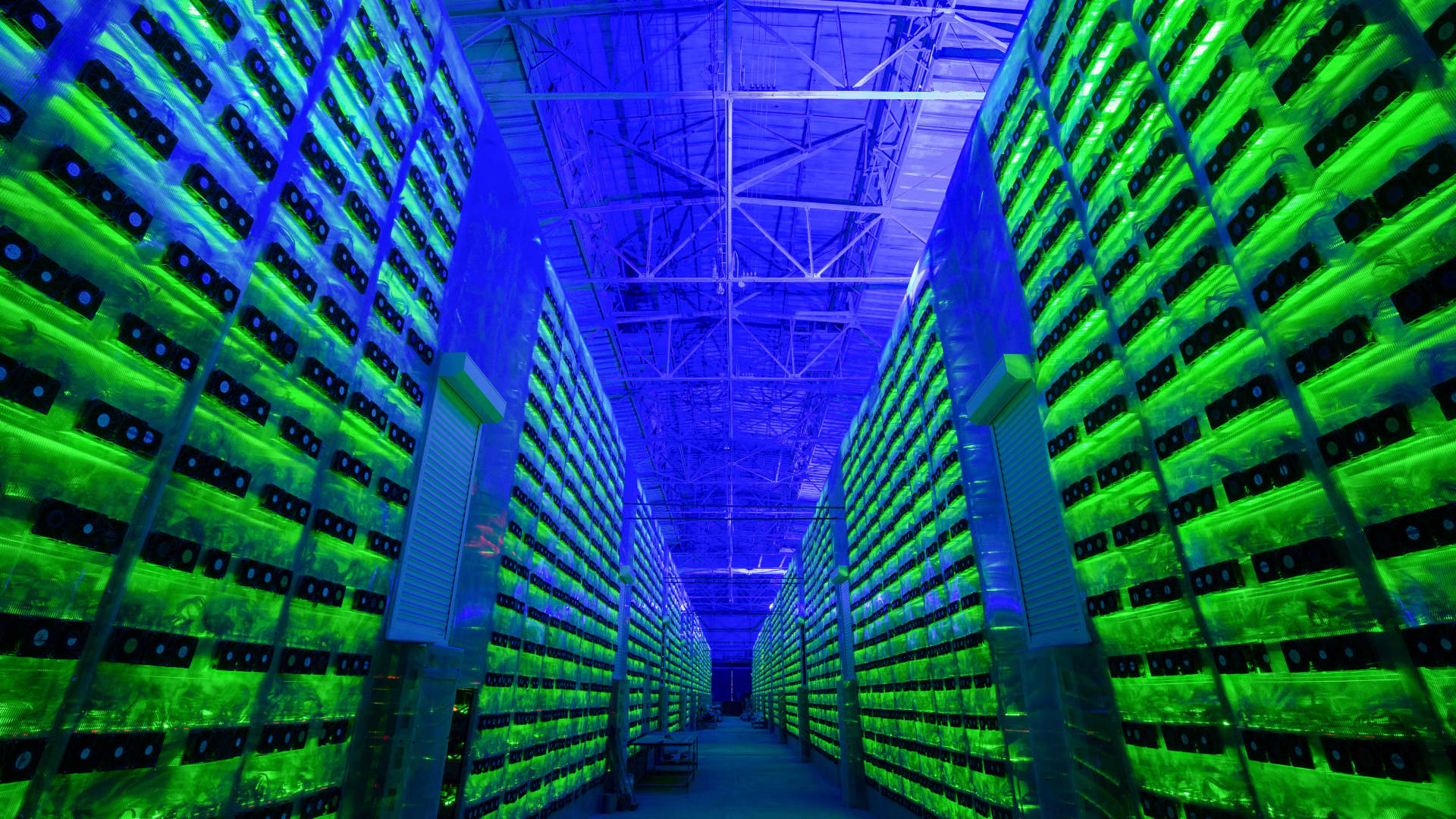
The environmental impact of IT infrastructure, including data centers and workplace devices, has been largely overlooked despite the focus on eco-friendliness in recent years, according to Matt Warburton, sustainability lead at IT advisory firm ISG. While data centers are often targeted for their impact, devices also contribute significantly. However, IT's impact is becoming harder to ignore as CIOs recognize that sustainability measures can reduce costs without compromising quality. The carbon footprint of IT varies by sector, with higher IT intensity industries having a greater impact. Technology leaders can reduce the environmental impact of IT by creating an ESG data strategy, establishing a baseline of energy usage, educating and incentivizing staff, setting net zero IT goals, and collaborating with technology providers.