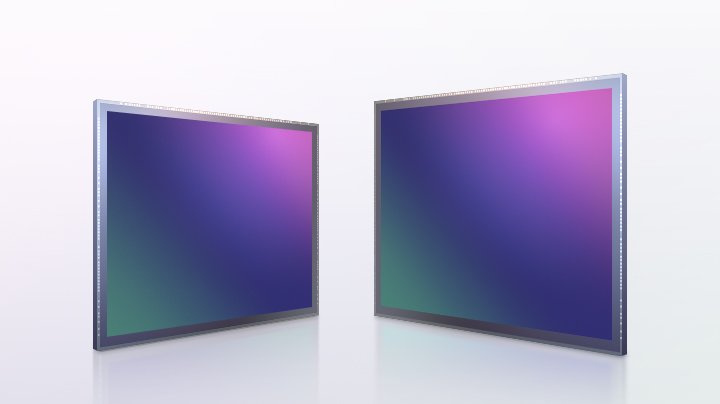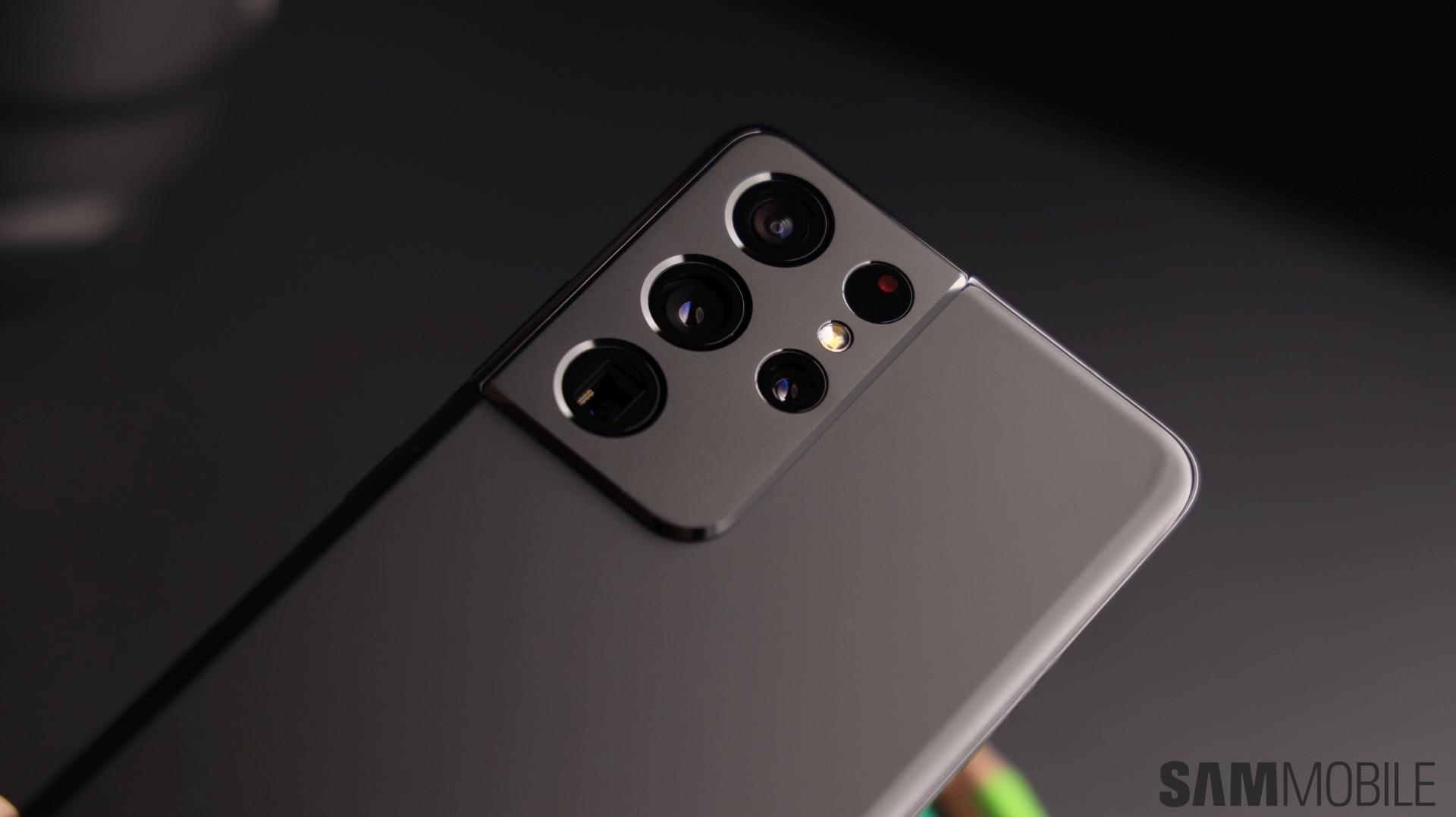
In an interview with Samsung's System LSI division, it was confirmed that the partnership with AMD is intact and will see AMD GPUs in more Exynos chips in the future. Samsung is developing ultra-high-resolution camera sensors, such as the ISOCELL HP2, and big format sensors like the ISOCELL GN2. They have also developed a LiDAR sensor, the ISOCELL Vizion, for capturing 3D depth maps. Samsung aims to lead in hyper-intelligent, hyper-connected, and hyper-data technologies, while their vision is to make semiconductors that help people and save lives.
Samsung appears to be developing two new ISOCELL camera sensors, the HW1 and HW2, with a resolution of 432 megapixels. While not exactly 1-inch sensors, they are close in size and will likely be marketed as such. The Galaxy Z Fold 6 is expected to use the same sensor as the Galaxy Z Flip 5, while the Galaxy Z Fold 7 may feature a 200-megapixel ISOCELL HP5 camera. It remains to be seen when these sensors will be released and which phones will utilize them.
Samsung is reportedly expanding its ISOCELL series of mobile device image sensors with new variants, including a 440MP sensor for automotive applications. However, the upcoming Samsung Galaxy S25 Ultra is expected to miss out on the latest 200MP ISOCELL sensor due to cost considerations. Instead, Samsung is rumored to be focusing on integrating the new sensors into devices like the next-gen Vivo X or Redmi Note series.
Samsung has applied for trademark protection for the names Isocell Zoom and Isocell Zoom Pro in the UK, leading to speculation that the company may switch to its in-house ISOCELL sensors for zoom cameras on its flagship smartphones, particularly the Galaxy S24 Ultra. The trademark applications suggest that Samsung may be changing its zoom camera setup, possibly with a single zoom camera with 150x zoom and variable zoom capability. However, trademark applications do not always indicate that the related products will make their way to a commercial device in the near future.