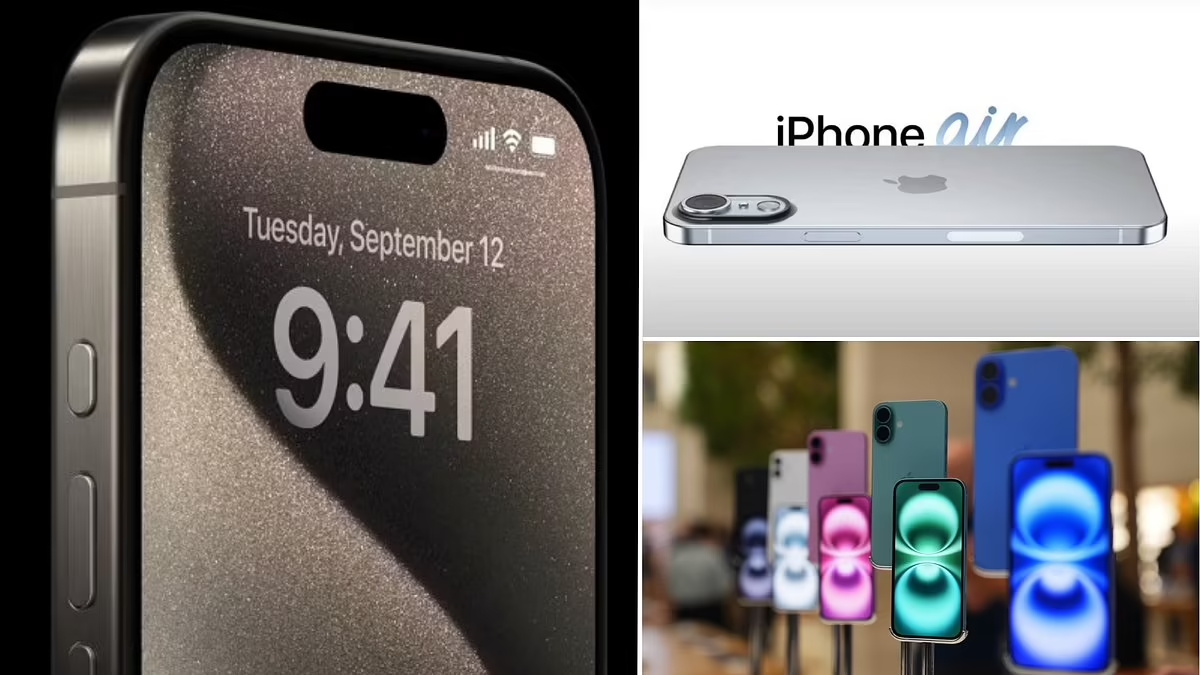
Apple's stock reached a record high and broke out of a consolidation pattern, driven by positive analyst upgrades and strong demand for the new iPhone 17 series, which is outperforming expectations and fueling optimism about an extended upgrade cycle through 2027.
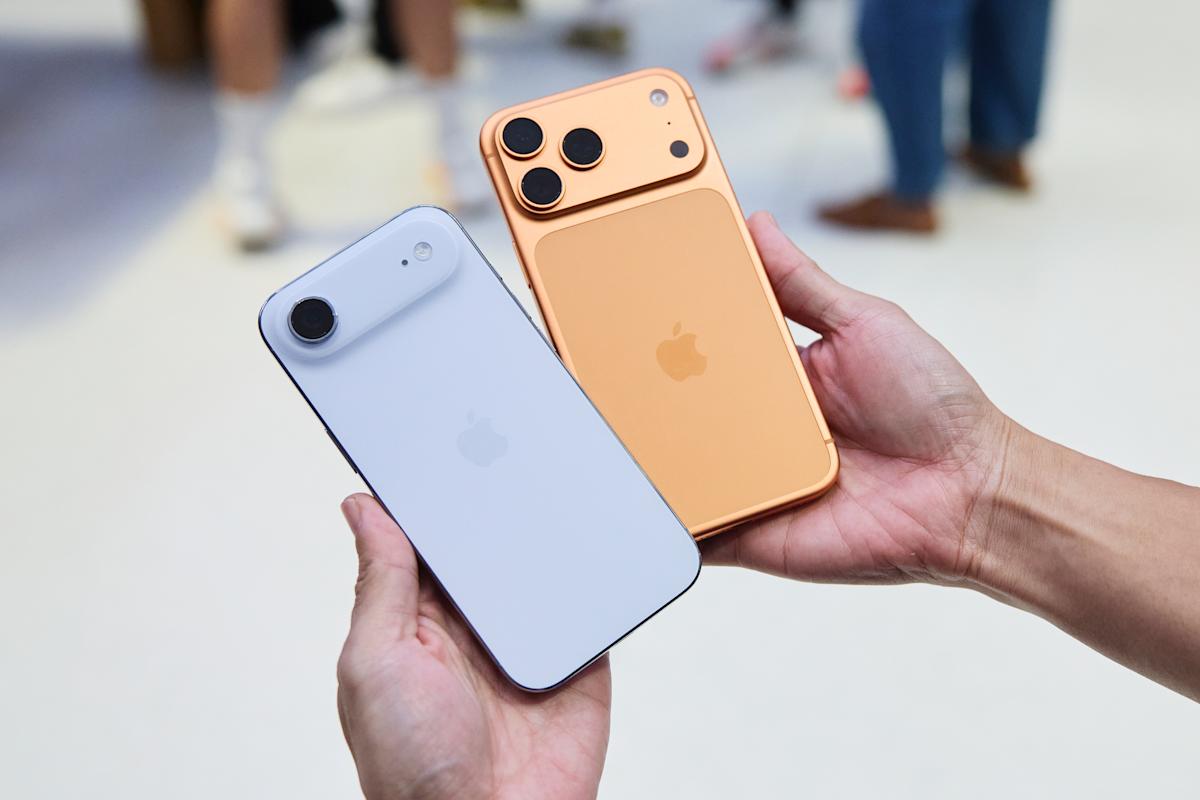
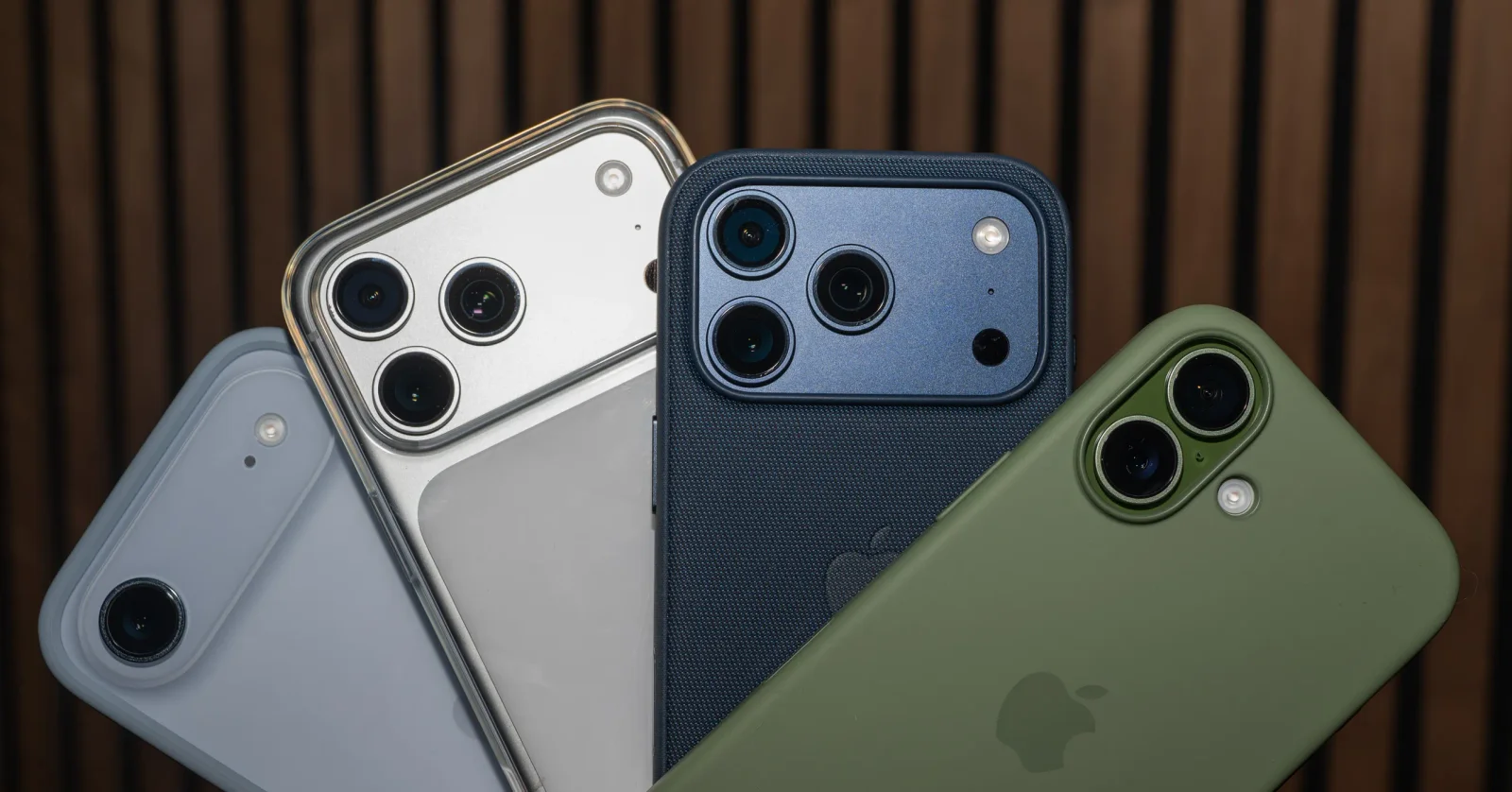
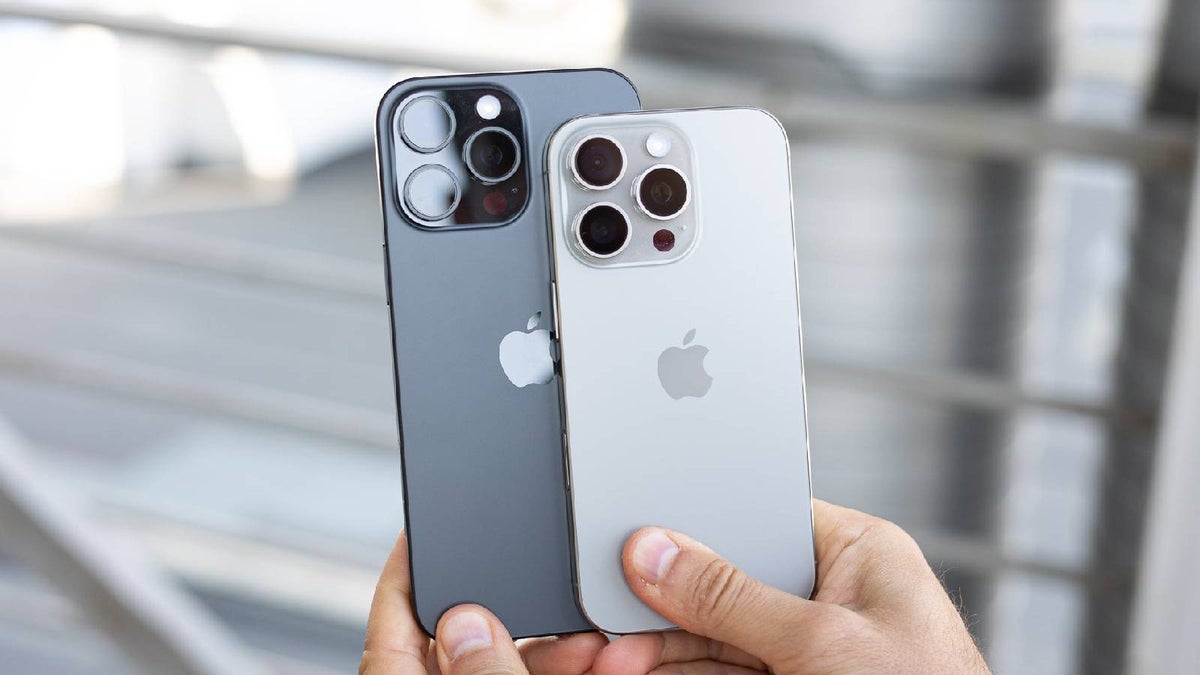
Some iPhone 17 models, particularly the Pro in Deep Blue and Air in Space Black, are prone to visible scratches and scuffs, especially on the back camera housing, due to the switch from titanium to aluminum chassis. These scratches are cosmetic and do not impact functionality, and many users may avoid the issue by using cases.
The article reviews the best iPhone 17 cases and screen protectors in 2025, highlighting options like ESR Armorite Pro, OtterBox, Nomad, Zagg, and Rhinoshield for screen protection, and Alto, Beats, BodyGuardz, Burton, and UAG for cases, with detailed insights on their features, installation, and value.
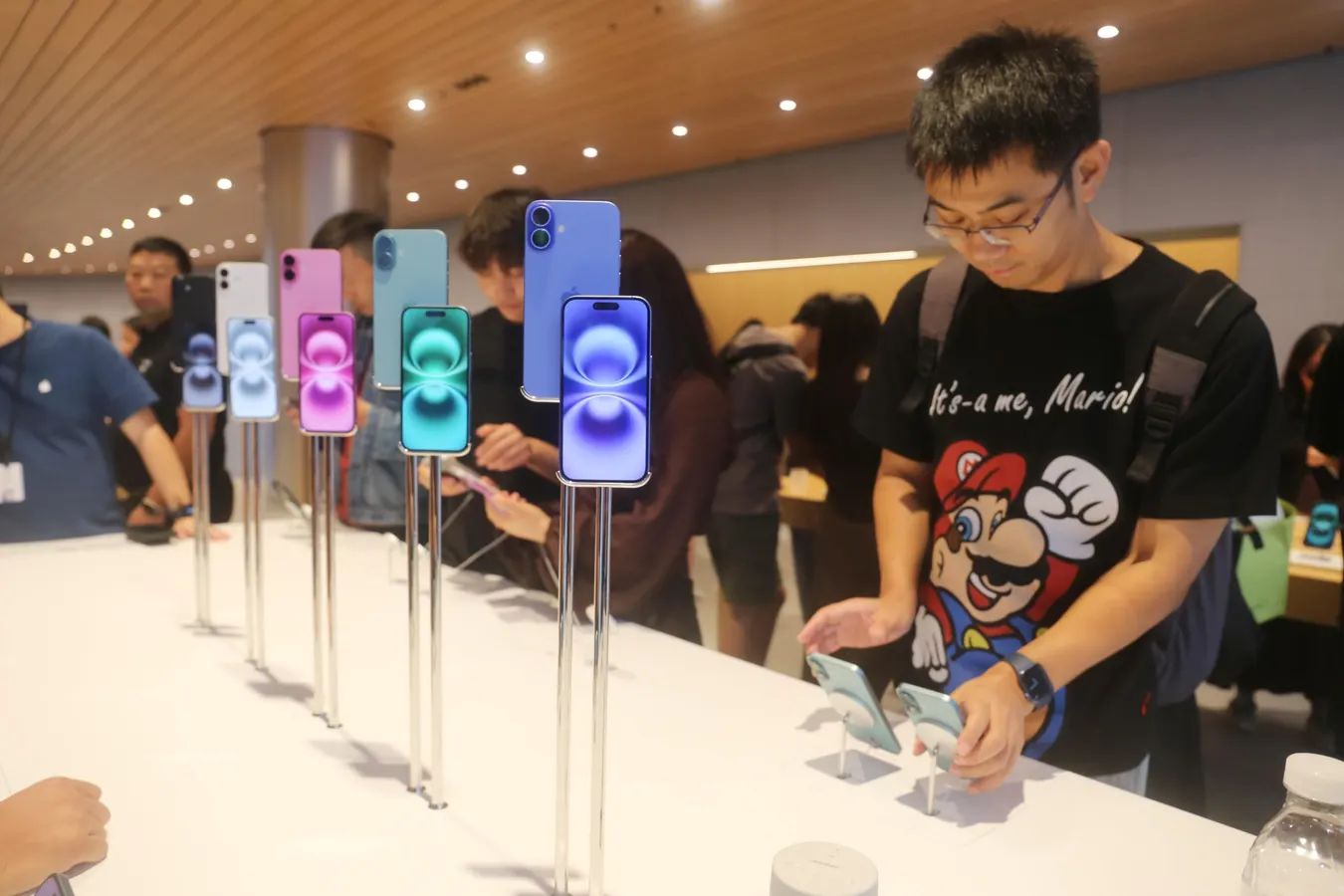
Pre-orders for Apple's iPhone 17 series in China have broken records, with high demand causing website access issues and quick sell-outs, despite delays in the iPhone Air release due to regulatory issues.
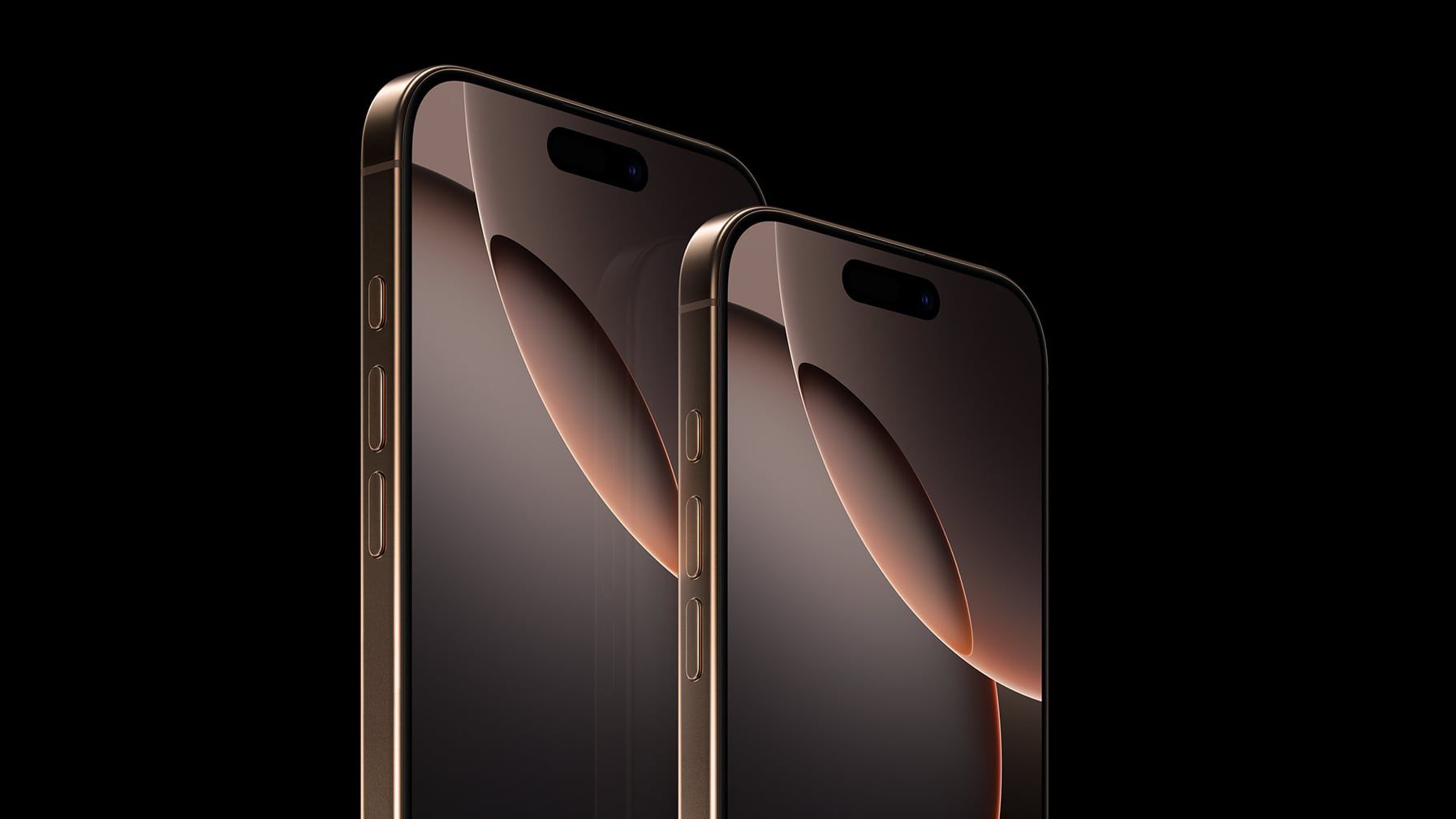
Apple announced the iPhone 17 series, including the first-ever iPhone Air, featuring longer battery life, improved cameras, and new AI capabilities, with availability starting September 19.
The iPhone 17 may be the last to feature Apple's Camera Control key, as reports suggest Apple plans to discontinue it in the iPhone 18 due to low usage and cost, though this is unconfirmed and could change before release.
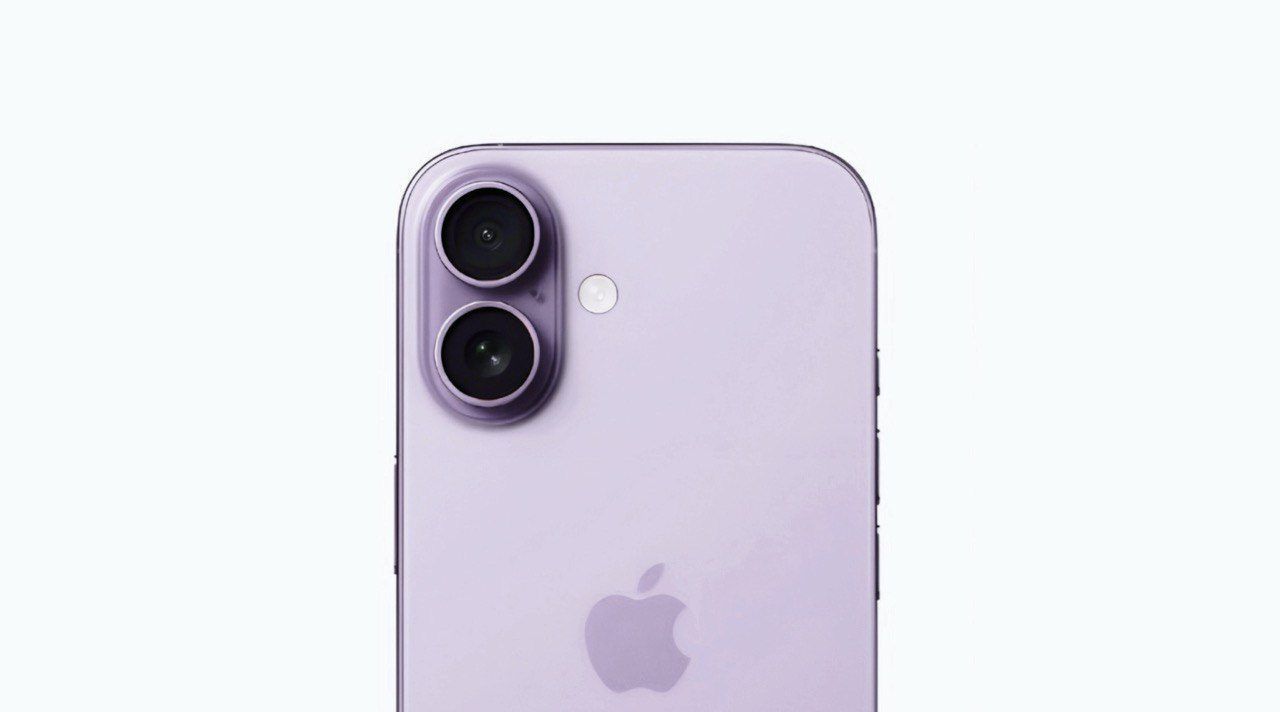
The upcoming iPhone 17 is expected to be very similar to the iPhone 16 but may feature a new lavender color and be slightly lighter and slimmer, with some rumors suggesting it might be an iterative upgrade with minimal design changes.
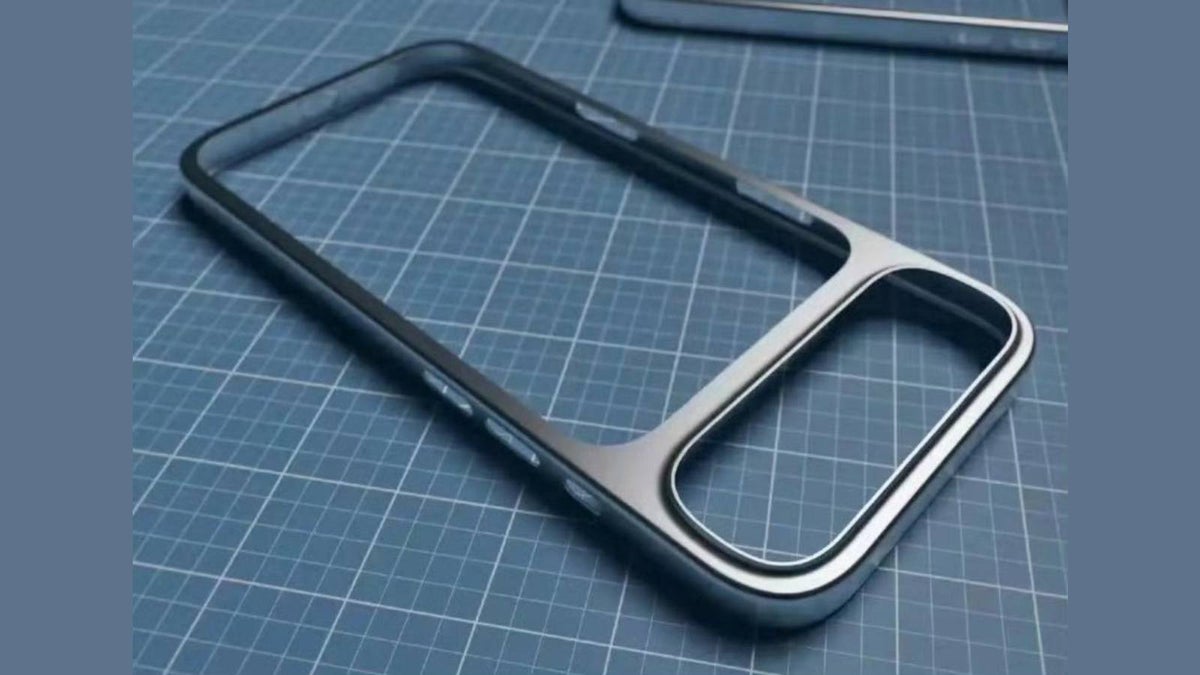
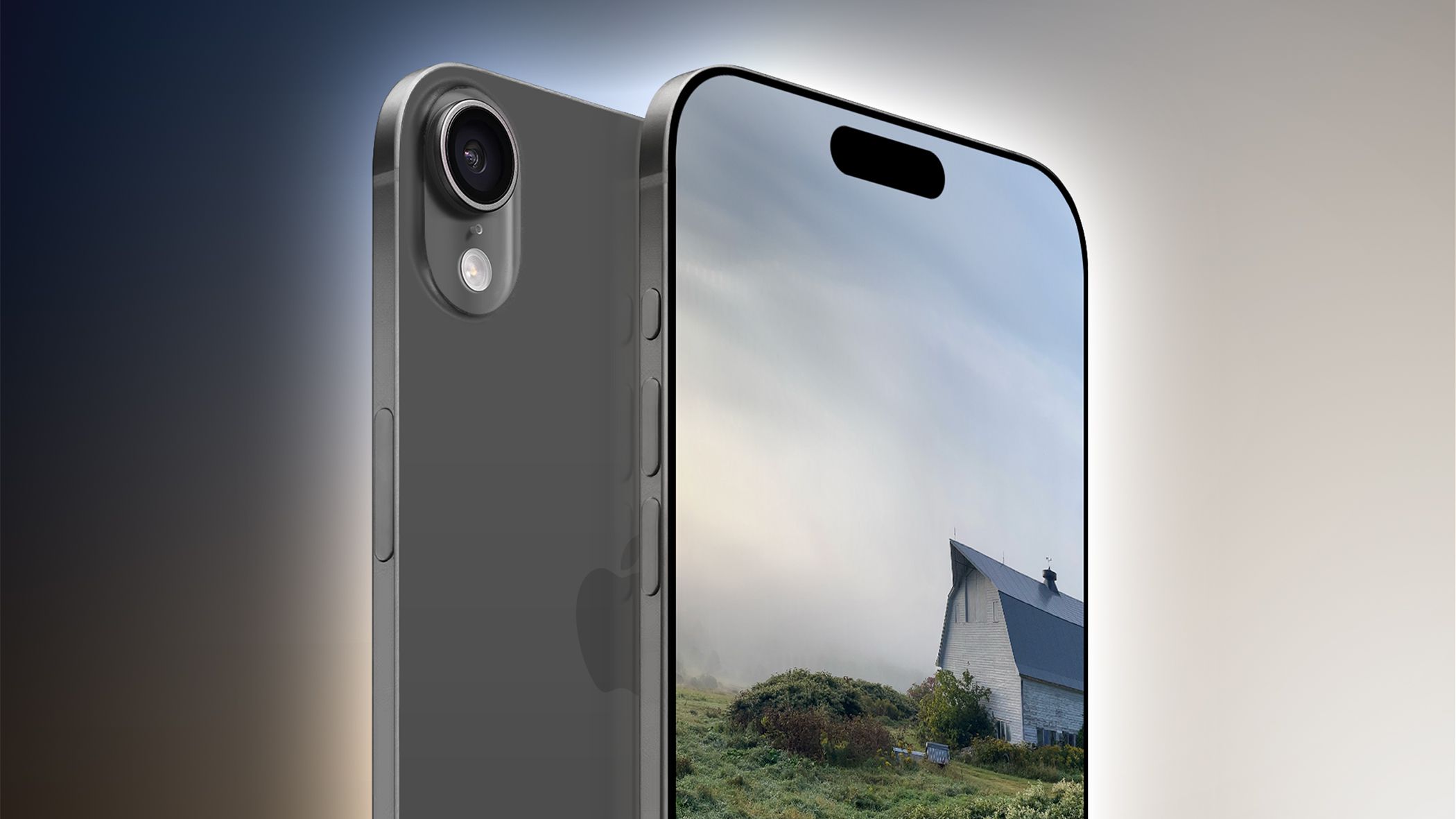
Rumors suggest that the iPhone 17 series may feature a new design with a horizontal camera island, reminiscent of Google's Pixel phones. This change would mark a departure from the current squarish camera bump. Leaks indicate that the ultra-wide angle sensor will be centrally placed, and the Pro models might also see a smaller Dynamic Island and a potential switch from titanium to an aluminum design. These updates could help Apple regain market share from competitors like Google.
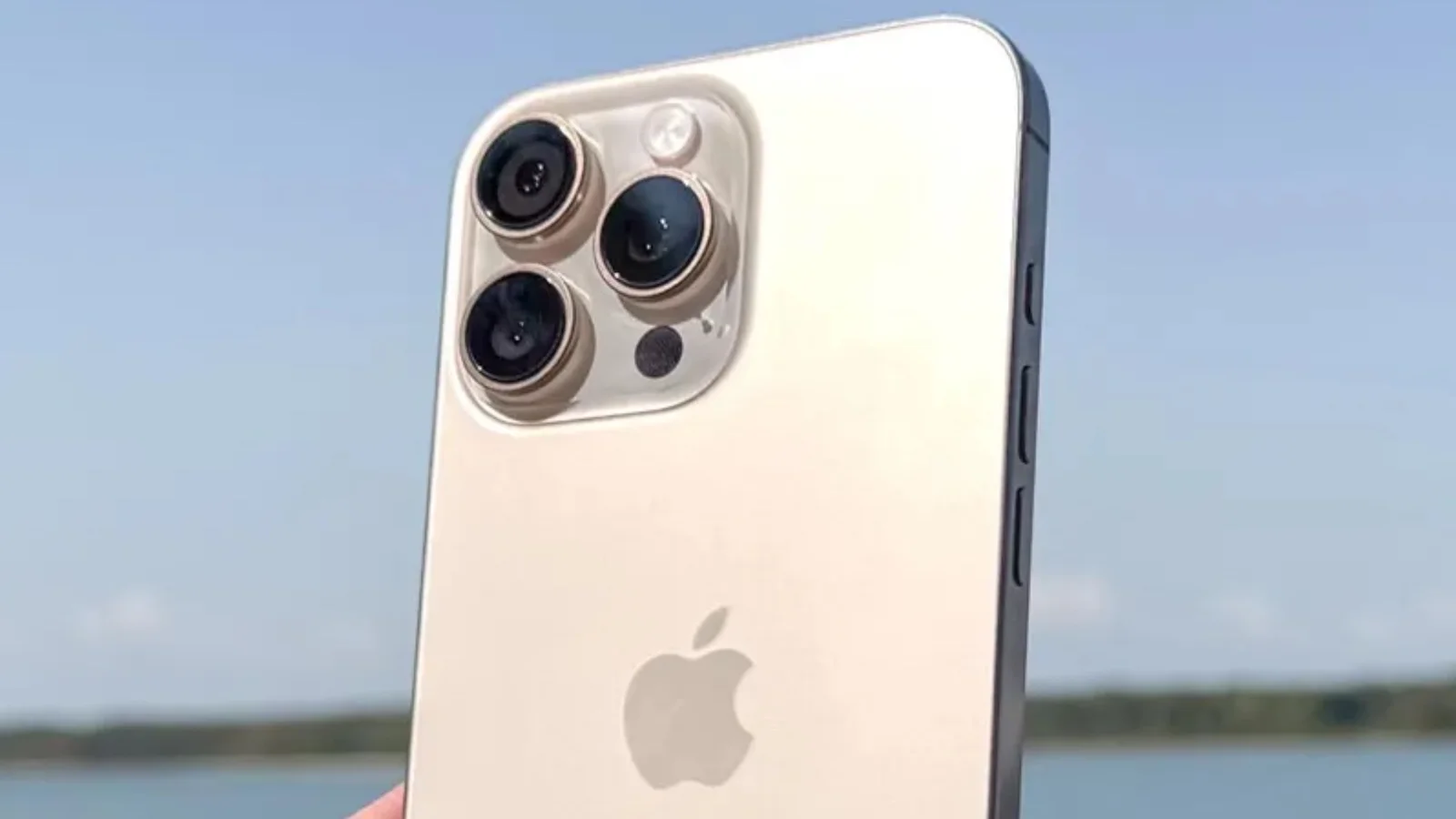
Rumors about the iPhone 17 Pro's frame material are conflicting, with recent reports suggesting a return to aluminum, contradicting earlier claims of sticking with titanium. A Weibo leakster argues that reverting to aluminum could harm Apple's premium image, given its past emphasis on the superiority of stainless steel and titanium. However, Apple's profit-driven approach might lead to choosing the cheaper aluminum. The final decision remains uncertain as the iPhone 17 Pro's launch is still distant.
The upcoming iPhone 17 series is expected to feature significant design changes, including a shift from titanium to aluminum frames for the Pro models. The iPhone 17 Pro and Pro Max will reportedly have a new part-aluminum, part-glass back design, with a larger aluminum camera bump and a glass bottom half to support wireless charging. These changes mark a departure from the seamless design Apple is known for, raising questions about the integration of different materials.
This week's Apple news highlights include the potential global rollout of eSIM with the iPhone 17, disappointment with the iPhone 16 camera performance, and Apple's Black Friday strategy of offering gift cards instead of discounts. Additionally, a critical macOS security update has been issued, and iOS 18.2 is expected to integrate ChatGPT with Siri. Apple is also preparing to introduce its own 5G modem, starting with the iPhone SE 4 in 2025. Meanwhile, Apple's involvement with the Product(Red) initiative appears to be waning.
Apple's iPhone 17 series, expected in 2025, is rumored to feature significant upgrades including a new "iPhone 17 Air" model with a thinner design, all-aluminum frames, and a rectangular camera bump. The lineup may also introduce new display sizes, 120Hz ProMotion for all models, an Apple-designed Wi-Fi 7 chip, and a 48MP telephoto lens for the Pro Max. Other anticipated features include a 24MP selfie camera, scratch-resistant anti-reflective displays, increased RAM, a smaller Dynamic Island, and the A19 processor built on a 3nm process.
Apple's iPhone 17 Pro models, expected in 2025, may undergo significant design changes, moving from titanium to aluminum frames and featuring a part-aluminum, part-glass back. This shift could address issues like the iPhone 15 Pro's overheating, attributed to titanium, and create uniformity across the lineup. The new design might also include a larger rectangular camera island, possibly to accommodate bigger sensors, including a rumored 48MP telephoto camera.
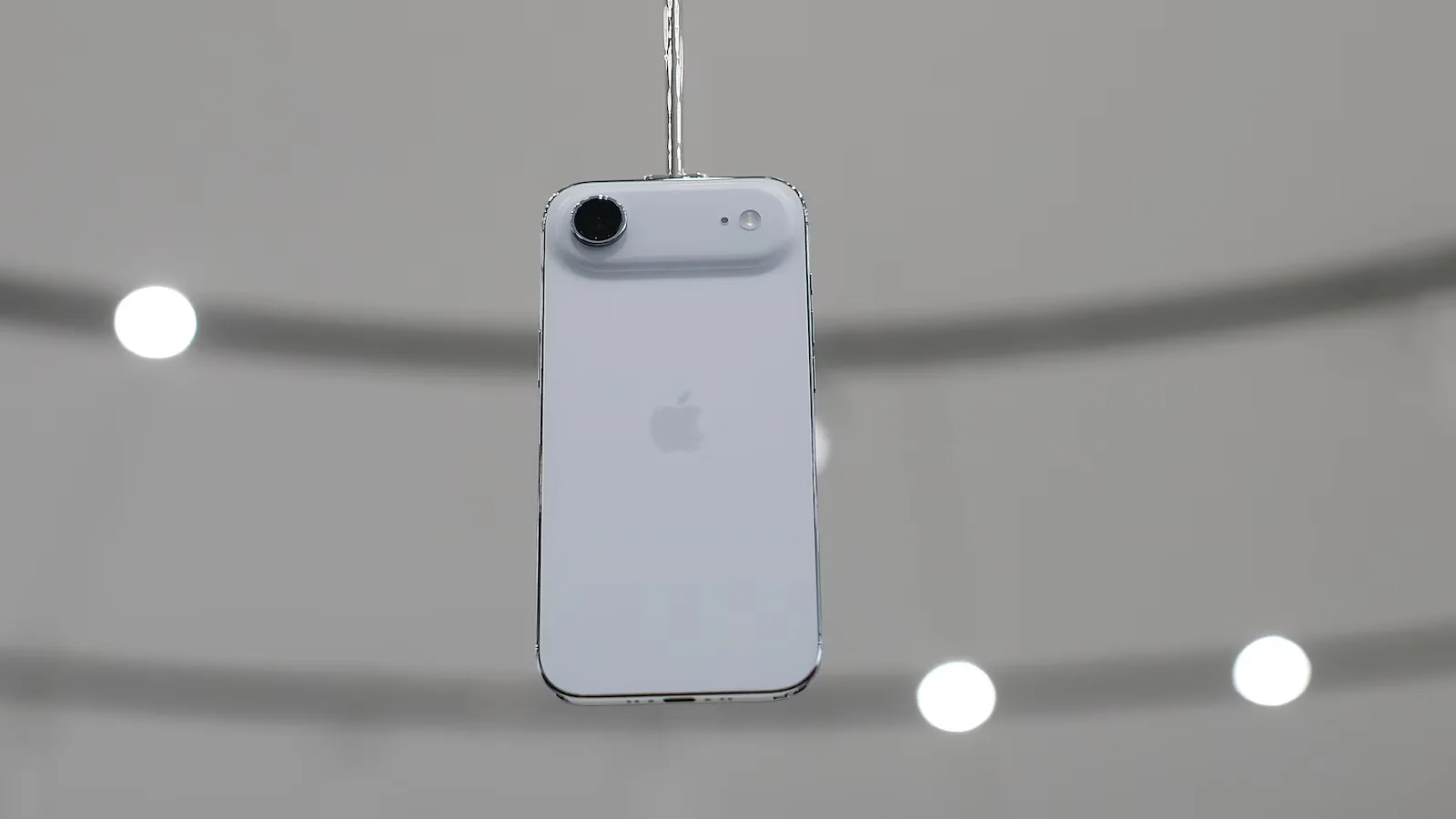
Apple is reportedly planning to introduce a new, slimmer iPhone 17 model, potentially named the 'iPhone 17 Air' or 'iPhone 17 Slim,' according to leaks. This model is expected to be lighter and thinner, with a 6.6-inch display and a single rear camera, offering a mid-tier option at a lower price. However, there are concerns about its market success, as similar attempts with the iPhone Mini and Plus were not well-received. Analyst Mark Gurman suggests that a foldable iPhone might be a more successful alternative.
The upcoming iPhone 17 and iPhone 17 Air are expected to lack the 5x optical zoom lens, which will remain exclusive to the Pro models. The iPhone 17 Air, rumored to be very thin, will feature a single 48-megapixel rear camera and a 6.6-inch display, but will not match the Pro models in camera capabilities or processing power. It may debut with an Apple-designed 5G modem, marking a shift from Qualcomm modems used in Pro models.