Alienware Announces Slimmer, More Affordable Gaming Laptops at CES 2026
The user has encountered a network issue and is advised to contact Alienware Arena support with their IP address and reference number for assistance.

All articles tagged with #ip address
The user has encountered a network issue and is advised to contact Alienware Arena support with their IP address and reference number for assistance.
The message indicates a network problem and requests the user to contact Alienware Arena support with their IP address and a reference number for assistance.

X owner Elon Musk has rolled out audio and video calling feature to all users, but concerns have been raised about the potential risks to users' IP addresses being revealed during calls. Privacy researchers warn that this could lead to location tracking and other privacy breaches. Users can protect their IP addresses by turning off the audio and video calling feature in their settings, and should also consider enabling the Enhanced call privacy option in the Direct Messages settings for added security.

Elon Musk's new calling feature on X is switched on by default, potentially leaking users' IP addresses and posing privacy risks. Users can limit exposure by enabling the "Enhanced call privacy" setting in X's Message settings, but the lack of encryption raises concerns about potential eavesdropping. It's recommended to switch off the calling feature completely to mitigate these privacy risks. Understanding and navigating the complex settings for call permissions is crucial for those who choose to use the feature.

Elon Musk's social media platform X has introduced audio and video calling capabilities for all users, potentially exposing their IP addresses. To limit calls and hide your IP address, users can adjust their settings on the mobile app by enabling "Enhanced call privacy" and restricting calls to contacts only, or by disabling audio and video calls entirely. These options are currently only available on the mobile app, with no apparent option to disable the feature on the web version of X.
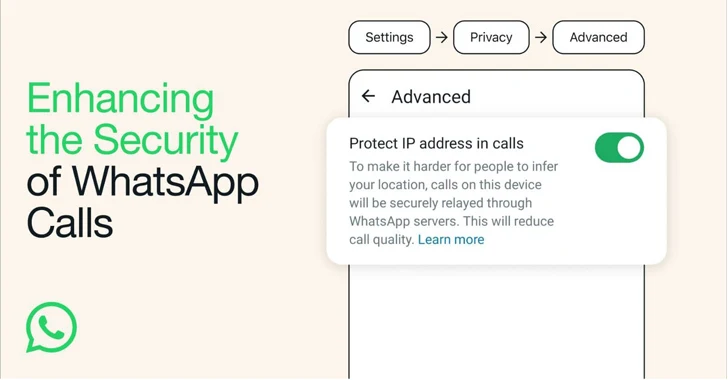
WhatsApp has introduced a new privacy feature called "Protect IP Address in Calls" that masks users' IP addresses by relaying calls through its servers, making it harder for bad actors to determine a user's location. The feature adds an extra layer of privacy and security for users, but may result in a slight decrease in call quality. This feature builds upon WhatsApp's "Silence Unknown Callers" feature, which aims to protect users from unwanted contact and minimize the risk of zero-click attacks and spyware.

Microsoft has yet to fix a security vulnerability in the Skype mobile app that allows hackers to obtain a user's IP address simply by opening a message containing a link. The flaw, discovered by independent security researcher Yossi, reveals a user's general location and can be exploited regardless of the website the link leads to. Despite being notified earlier this month, Microsoft has not addressed the issue, stating that the disclosure of an IP address is not considered a security vulnerability. The company has faced criticism for its handling of security vulnerabilities, including a recent breach of US government emails through Microsoft Azure.
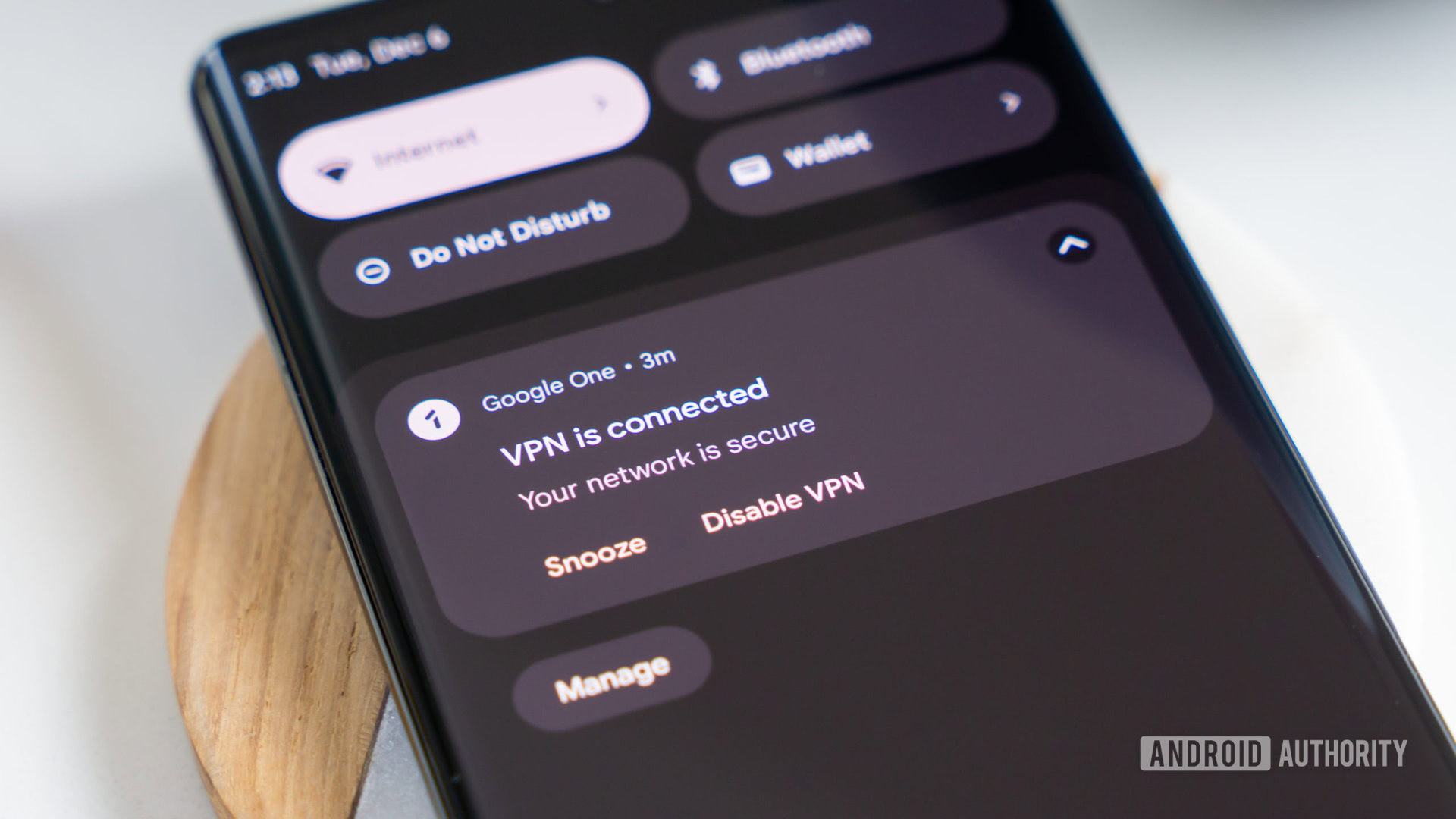
VPN by Google One is introducing a new feature that allows users to change their default IP address region from broad to local, improving location-based experiences on apps and websites. The update will roll out on July 29, 2023, and users will still have the option to choose a broader IP address region for increased privacy.
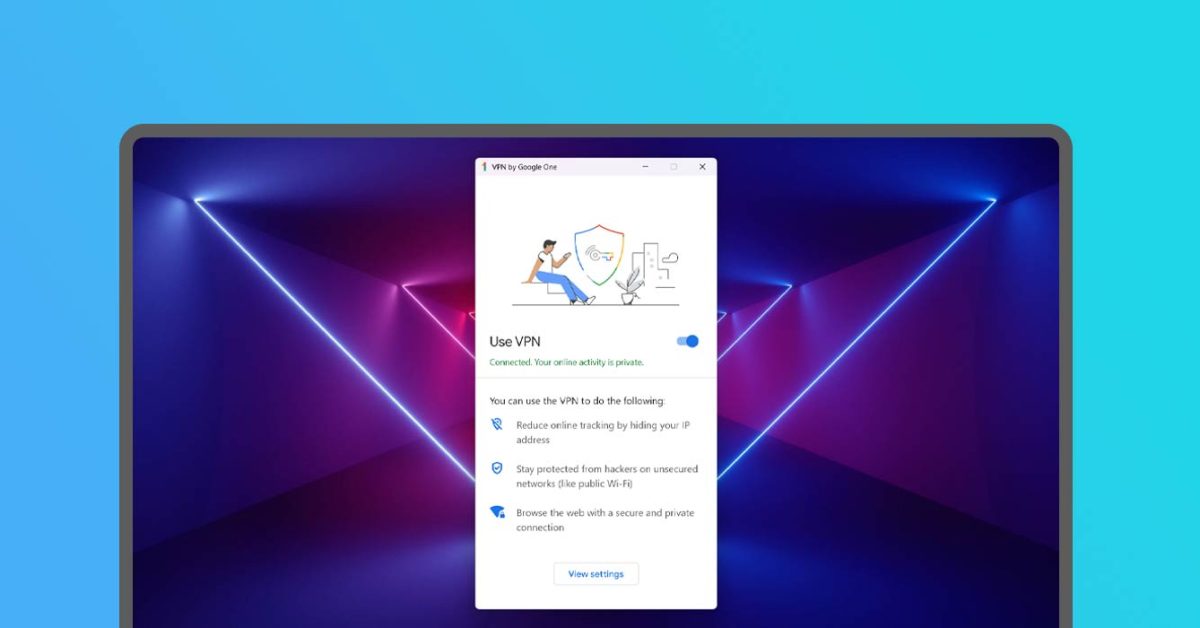
Google One is updating its VPN to change the default IP address region from broad to local, aiming to improve location-based experiences on apps and websites. This change comes in response to user complaints about inaccurate location information when using the VPN. However, users can still choose to use a broader IP address region for increased privacy. The update will be rolled out starting July 29, 2023, and users are being notified via email.