After Hurricane Melissa hit Jamaica, Samaritan's Purse quickly deployed over 38,000 pounds of aid, including a 30-bed emergency field hospital with surgical, ICU, and OB facilities, to support the devastated region, with more than 70 team members on the ground.
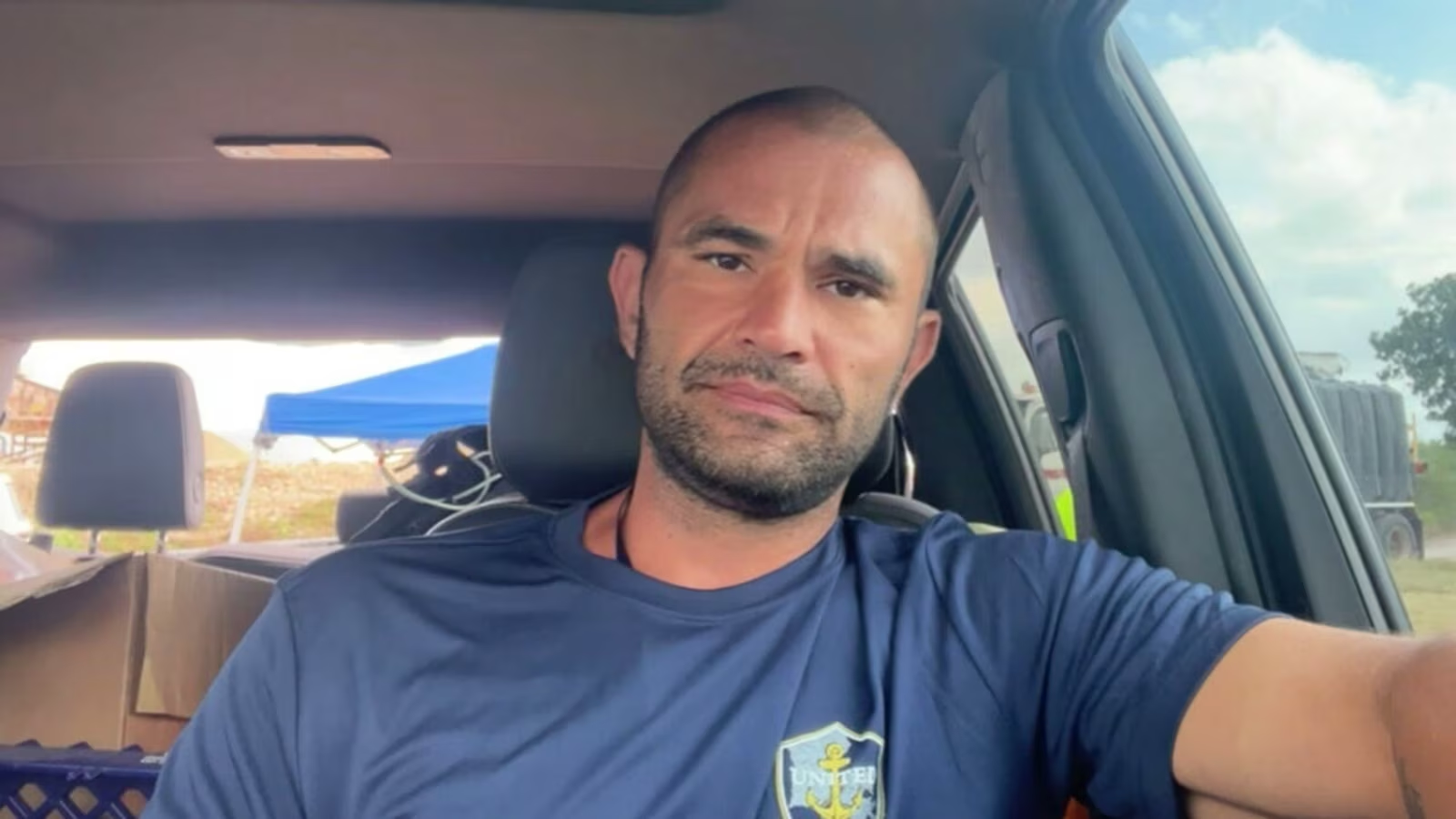
A volunteer-led search effort by the United Cajun Navy in Kerr County, Texas, continues to find flood victims after catastrophic flooding claimed at least 121 lives, with efforts hampered by challenging conditions and driven by community members like Ryan Logue, who is personally committed to helping his own community recover.
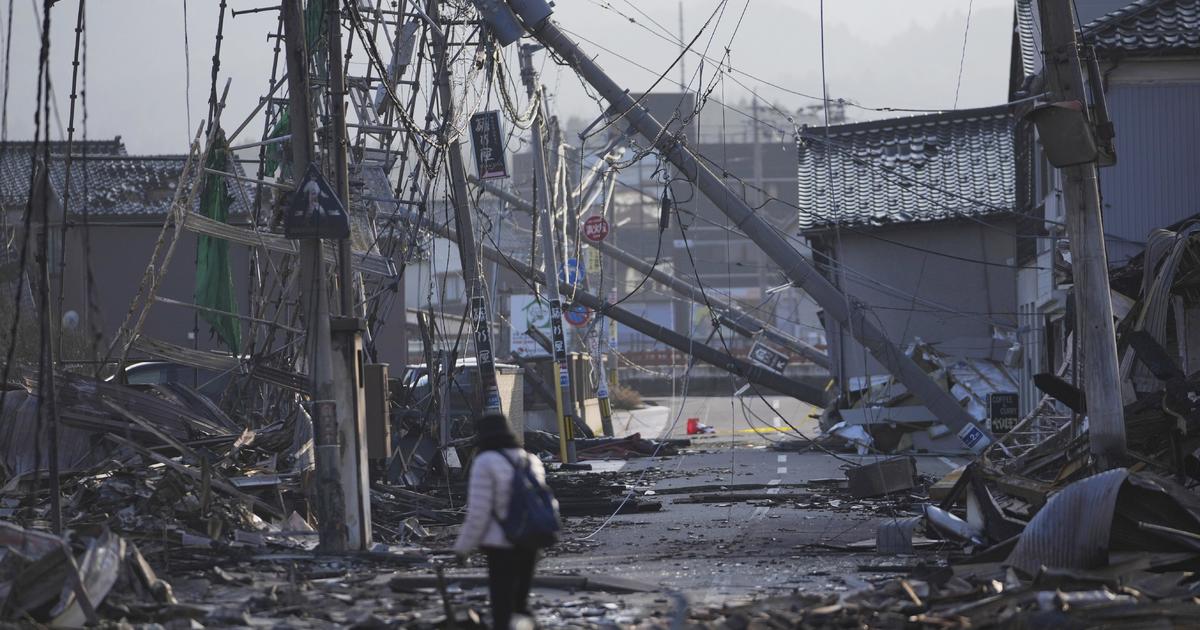
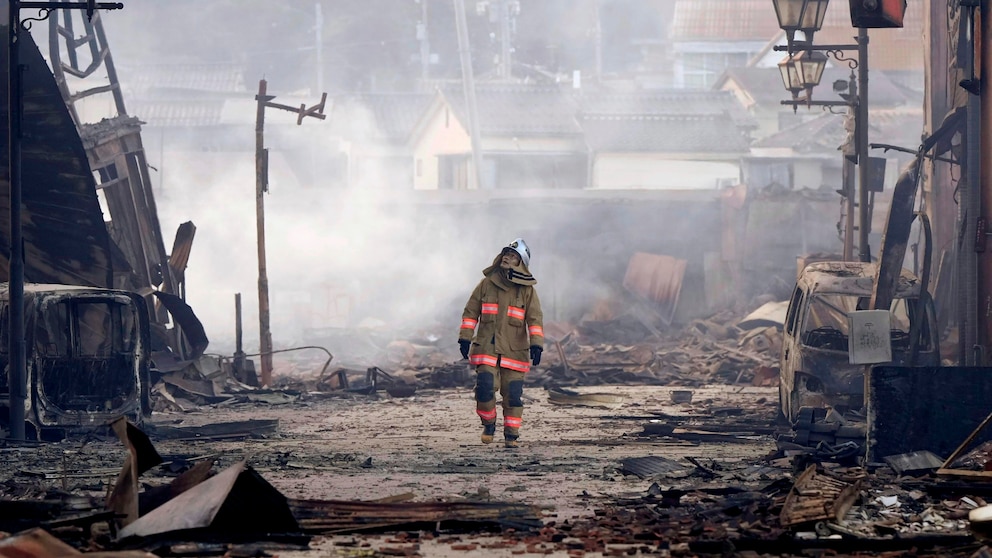
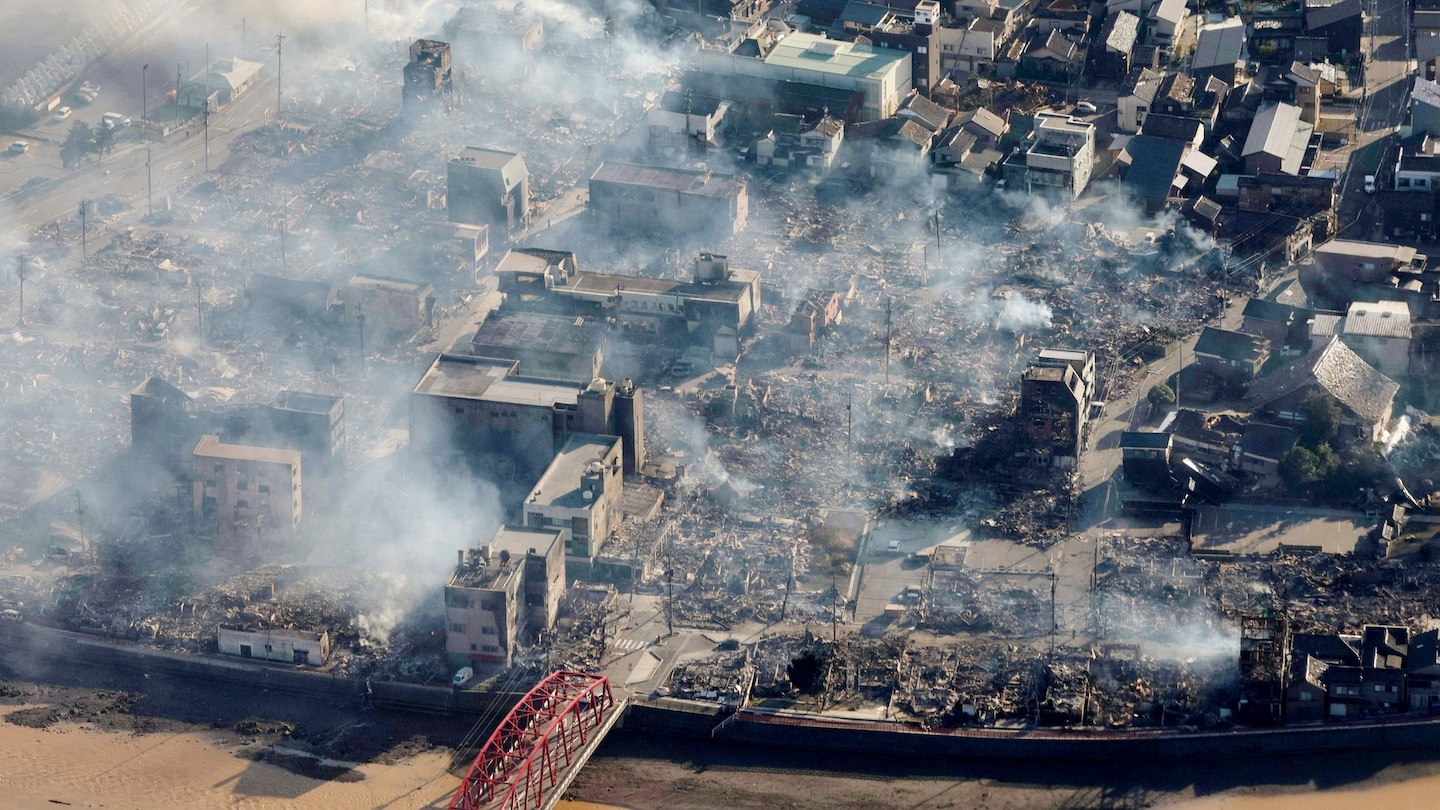
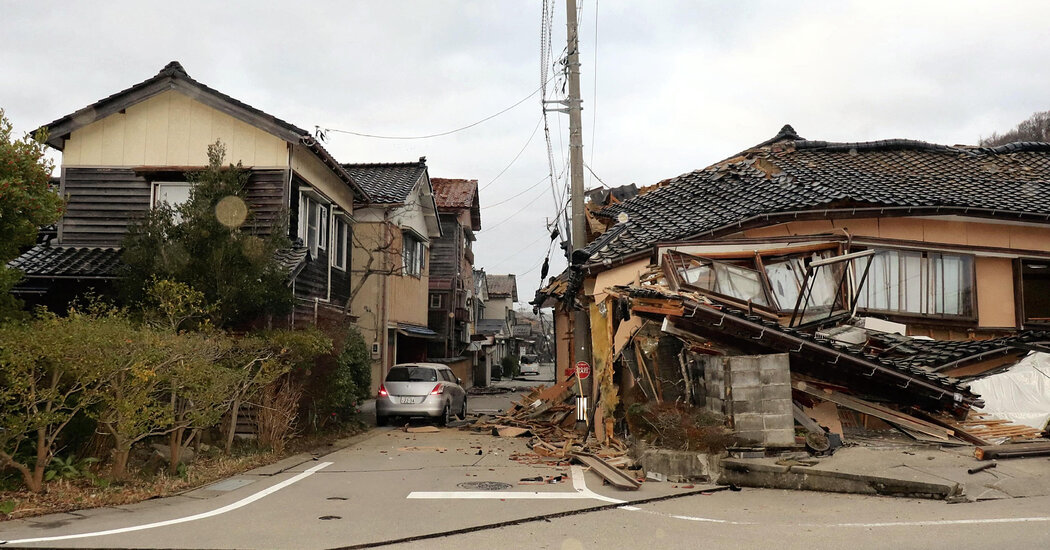
The death toll from a series of powerful earthquakes that struck western Japan has risen to 126, with more than 500 injured and over 200 people still unaccounted for. The quakes caused extensive damage, collapsing homes, causing landslides, and destroying infrastructure, which has hampered relief efforts. Rescue operations continue as aftershocks persist, with a 90-year-old woman being rescued alive after five days. International condolences and offers of aid have been extended, including a rare message from North Korean leader Kim Jong Un. Emergency services are working to restore power and water supplies, while thousands of evacuees seek shelter and basic necessities.
Leaders of The Church of Jesus Christ of Latter-day Saints in Asia expressed their sorrow over the recent earthquakes in Japan and urged members and residents to stay alert for aftershocks. All missionaries and church members are reported safe. The earthquakes caused significant damage, leading to a death toll of 55 and prompting nearly 100,000 evacuations due to tsunami risks. The church's Asia Area North presidency, led by Elder Takashi Wada, called for prayers and recommended donations to the Church Humanitarian funds to assist in relief efforts.
Japan's western coast was hit by a 7.5 magnitude earthquake, resulting in at least 55 deaths and triggering numerous aftershocks. The quake's epicenter was on the Noto Peninsula, and it led to significant damage, including landslides and fires. A major tsunami warning was initially issued but later downgraded. Over 2,000 firefighters and 1,000 first responders have been deployed for rescue and relief operations. Continuous aftershocks have been recorded, with a notable 5.6 magnitude quake following the main event. The government continues to caution residents about the potential for further seismic activity.
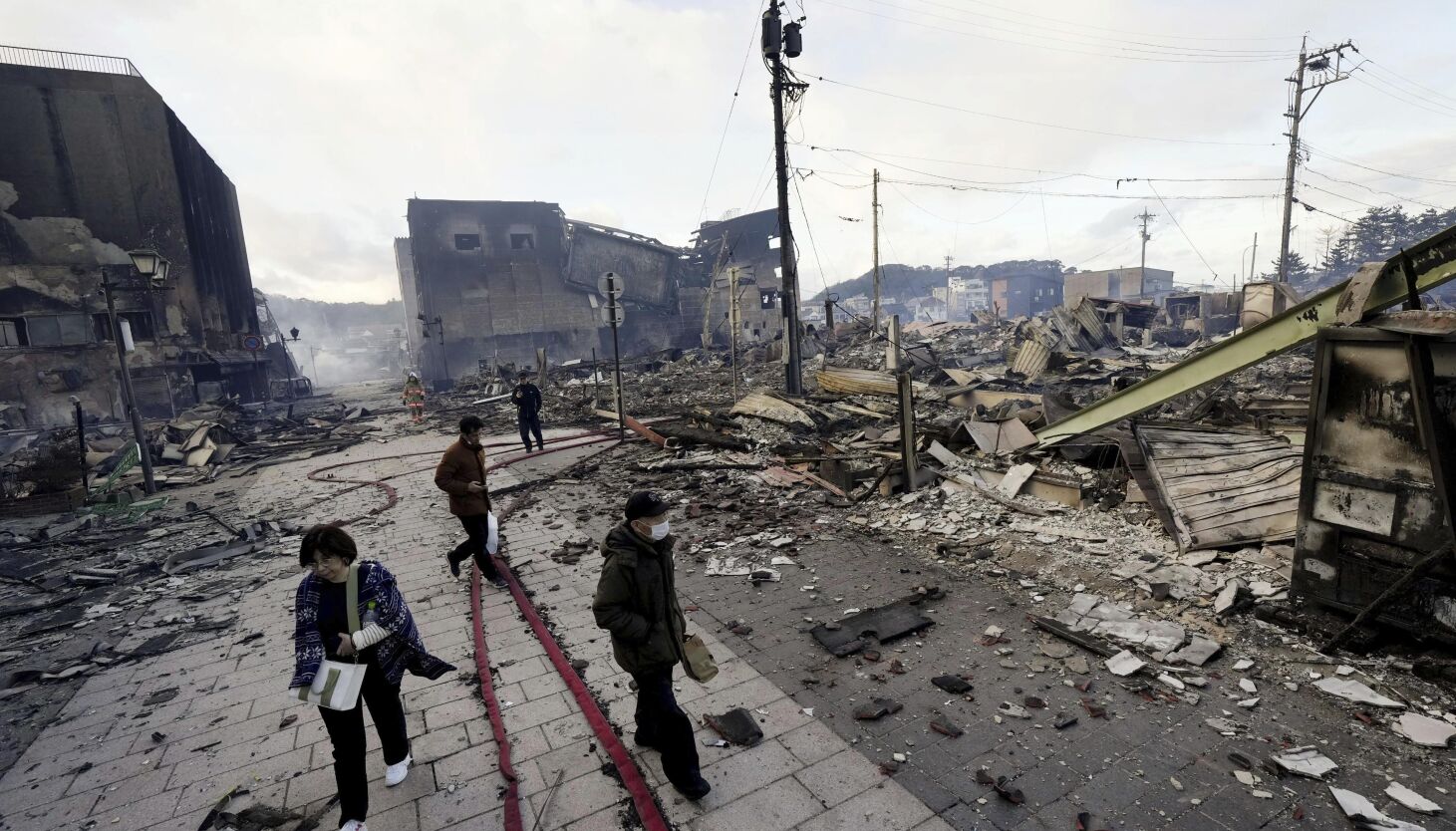
A 7.6-magnitude earthquake struck western Japan, resulting in at least 48 deaths and significant destruction, including collapsed buildings and fires. Tsunami warnings were issued and later lifted, but concerns remain for potential landslides and further seismic activity. Over 57,000 people are in evacuation centers, and there is a critical shortage of essentials due to the damage. Prime Minister Fumio Kishida has mobilized the Self-Defense Forces for rescue and relief operations as the nation grapples with the aftermath of the quake during a typically quiet New Year period.
A 7.6 magnitude earthquake struck western Japan, causing tsunami warnings and evacuation orders. The quake hit the Noto peninsula, with initial tsunami waves reaching 1.2 meters. Despite concerns, no major damage to important facilities or nuclear power plants has been reported, although there were incidents of people trapped under rubble and minor fires. Authorities downgraded the tsunami warning, but advised vigilance for aftershocks and potential tsunamis for several days.