A tragic crash on the Florida Turnpike resulted in the deaths of three Haitian immigrants, including Herby Dufresne, who was traveling from Indiana to Florida. The accident involved a semi-truck driven by an undocumented Indian driver, Harjinder Singh, who made an illegal U-turn, leading to a fatal collision. The incident has drawn attention to immigration issues and community responses.

A woman, Daikerlyn Alejandra Gonzalez Gonzalez from Venezuela, was arrested after allegedly hitting kayaker Ava Moore with a jet ski at Lake Grapevine during Memorial Day Weekend, resulting in Moore's death. Gonzalez Gonzalez fled the scene with an unidentified man, who is also described as an illegal immigrant, and was later apprehended. The incident has raised concerns about immigration status and safety on the water.
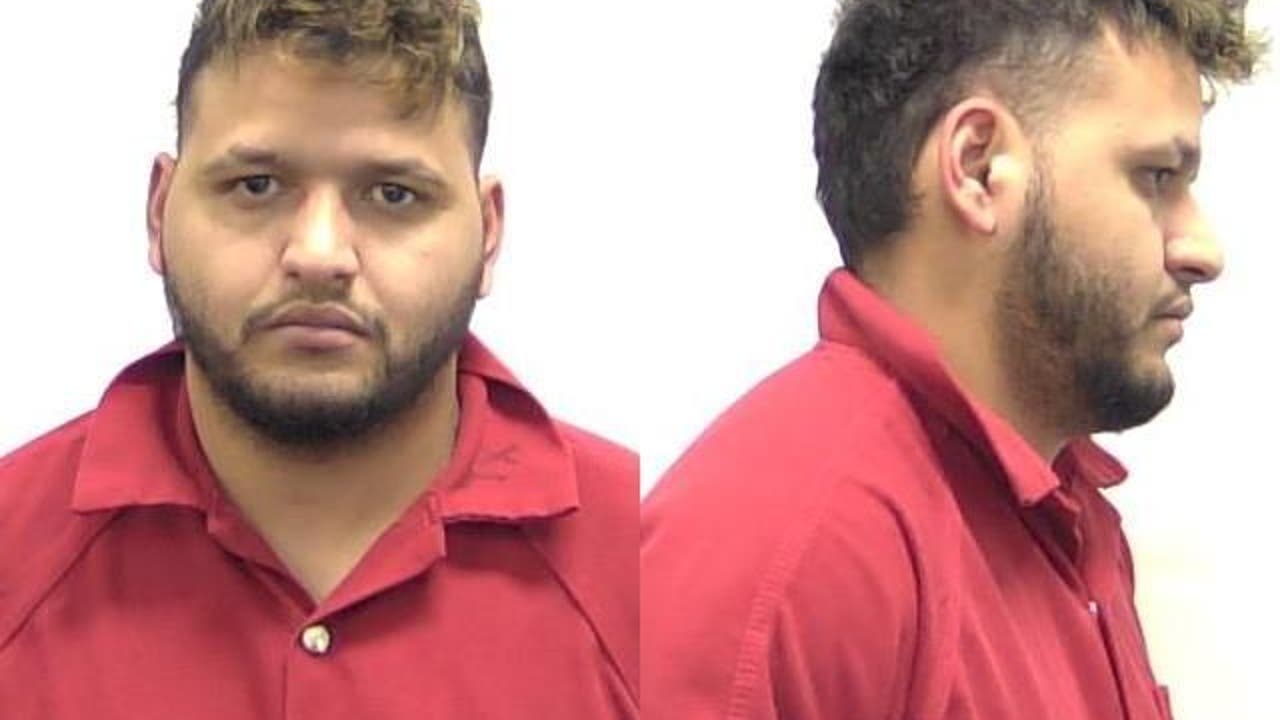
Georgia Gov. Brian Kemp is seeking answers from the White House regarding the immigration status of murder suspect Jose Antonio Ibarra, who was arrested for the killing of 22-year-old nursing student Laken Hope Riley at the University of Georgia. Ibarra, a non-U.S. citizen, was arrested near the UGA campus, and his older brother was also arrested for possessing a fraudulent U.S. permanent resident card. Gov. Kemp's demand for clarification has sparked political debate, with some Republicans blaming President Biden's immigration policies and others calling for a more reserved approach. Jose Ibarra was denied bond and made his first court appearance, while the timing of Diego Ibarra's court appearance remains unknown.
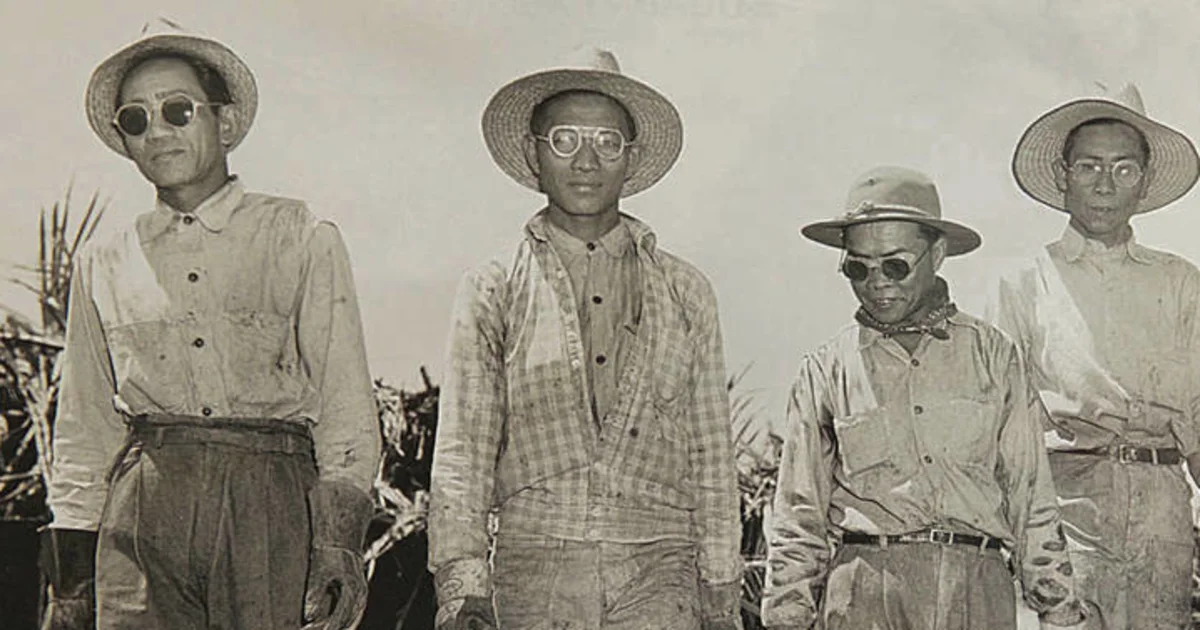
Members of the Filipino community in Lahaina, Hawaii, are expressing frustration and feeling overlooked in the response to the recent wildfires. Filipinos make up a significant portion of the population in Lahaina and are disproportionately affected due to challenges such as language barriers, immigration status, and financial difficulties tied to multigenerational households. Many have lost homes and vital documentation, and the lack of translated aid forms and distrust of institutions have further complicated their situation. Some are actively avoiding government help due to fears of deportation. Efforts are being made to provide support, but there is a need for cultural navigators and inclusive decision-making to ensure an effective recovery for the Filipino community.
Florida hospitals that accept Medicaid will now be required to ask patients about their immigration status as part of a new bill aimed at cracking down on illegal immigration. Patients will have the option to decline answering the question, and hospitals are required to assure patients that their response will not affect their care or result in a report to immigration authorities. The information will be used to compile quarterly reports on the number of admissions and emergency department visits by U.S. citizens, undocumented patients, and those who declined to answer. The law does not apply to other healthcare providers such as doctors' offices, urgent care centers, and community health centers.
Starting Saturday, Florida hospitals will begin collecting data on patients' immigration status as required by a new law. Critics argue that this requirement could deter undocumented individuals from seeking care until their condition becomes life-threatening, leading to increased emergency room visits and healthcare costs. Healthcare providers have expressed concerns about the administrative burden and potential negative impact on public health. Hospital leaders have remained silent on the issue. While the law does not require patients to answer the immigration section of their patient form, some worry that simply asking the question will drive patients away. Advocates warn that the law creates a climate of fear and may discourage immigrant families from seeking healthcare for themselves and their U.S.-born children. This is Governor Ron DeSantis' second attempt to calculate the cost of providing healthcare to undocumented immigrants in Florida.