The Trump administration has reinstated neighborhood investigations for U.S. citizenship applicants, a practice paused for 30 years, aiming to enhance vetting by including letters of recommendation from neighbors and associates, and possibly conducting in-person checks to ensure proper character and eligibility.
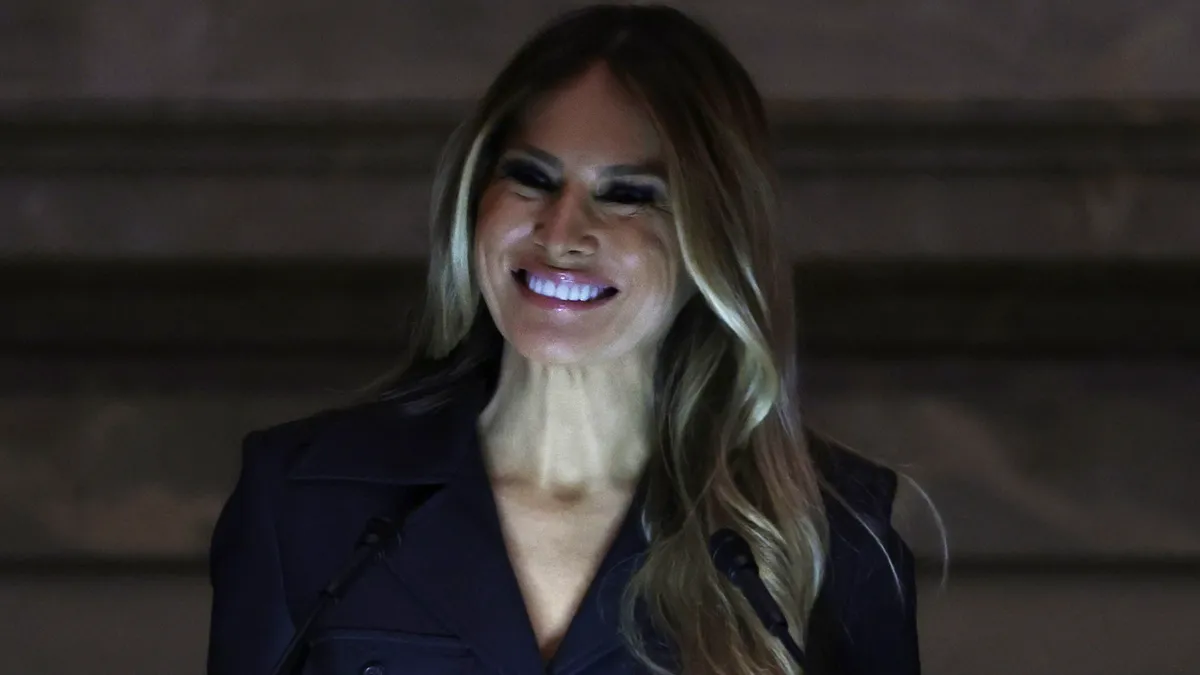
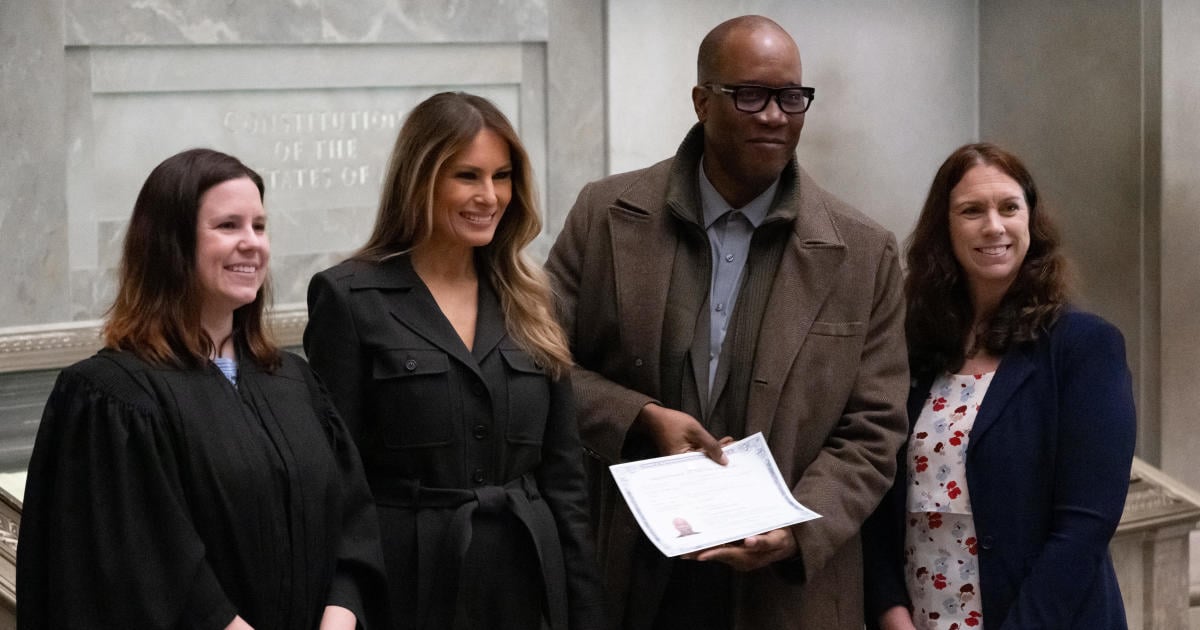
Former first lady Melania Trump spoke about her challenging journey to becoming a U.S. citizen during a naturalization ceremony, emphasizing the "harsh realities" faced by immigrants. Trump, who was born in Slovenia, described the extensive paperwork and determination required to navigate the immigration process. She became a naturalized citizen in 2006 and expressed a sense of belonging and pride after taking the Oath of Allegiance. Trump encouraged the new citizens to embrace similar feelings of comfort and belonging.
Former first lady Melania Trump spoke at a naturalization ceremony in Washington, D.C., where she discussed her own experience with the immigration process and the challenges she faced. She emphasized the harsh realities that people encounter when trying to become U.S. citizens and the complexities of immigration laws. Melania Trump also mentioned hiring a lawyer to navigate the intricate process. Her appearance at the National Archives is notable due to its connection to federal indictments against her husband, former President Donald Trump, and his handling of classified documents.
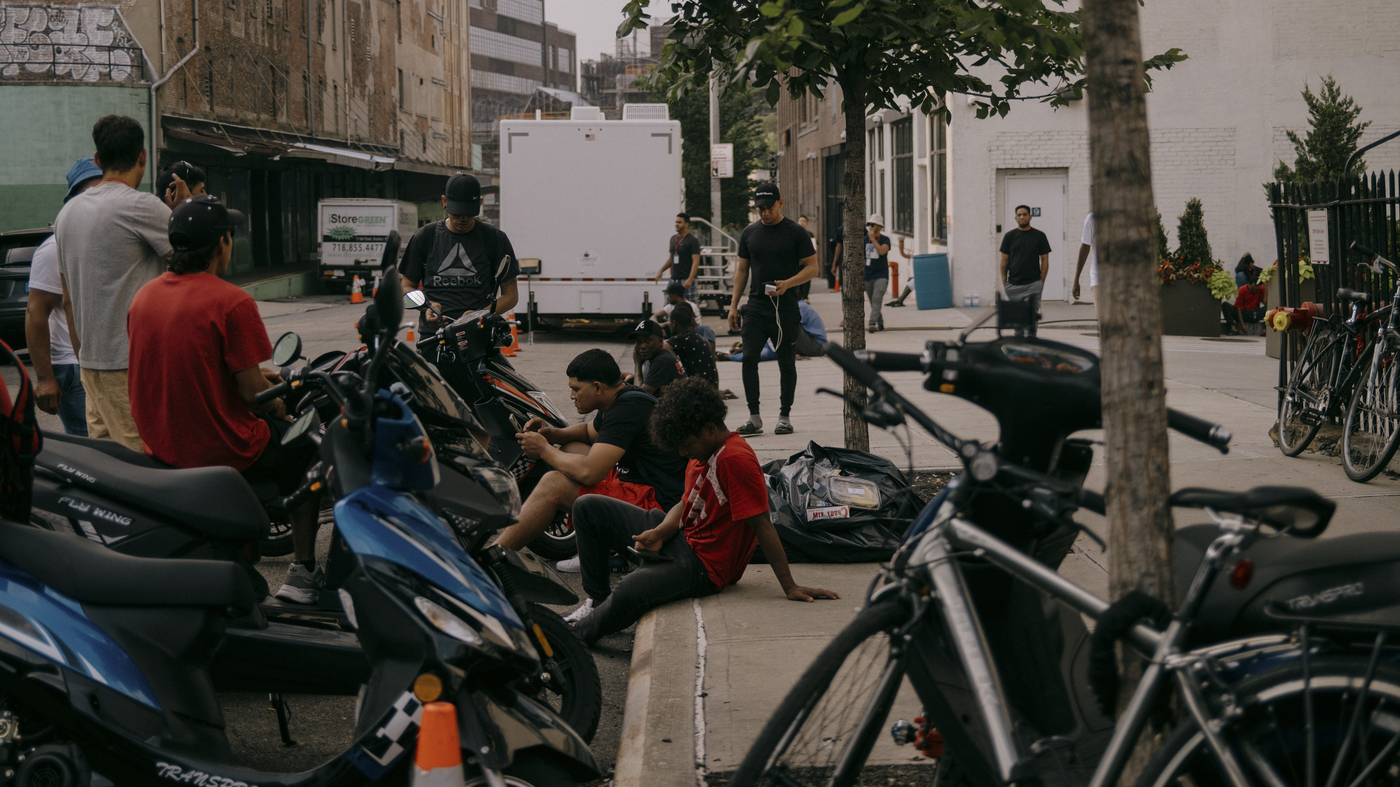
Migrants in the U.S. face significant challenges in obtaining work permits, exacerbating the labor shortage in industries such as manufacturing, farming, and hospitality. Lawmakers and business leaders are urging the Biden administration to expedite work authorization for asylum-seekers, but the application process is complex and time-consuming. Backlogs at U.S. Citizenship and Immigration Services further contribute to delays. Many migrants are forced into the underground economy, working without papers and facing low pay and high risks. Proposed legislation to address the issue faces division in Congress, and while President Biden could take some actions, political considerations and concerns about incentivizing unauthorized migration pose obstacles.