
Uncovering Safe Pain Relief: Molecular Pathways in Opioid Drugs
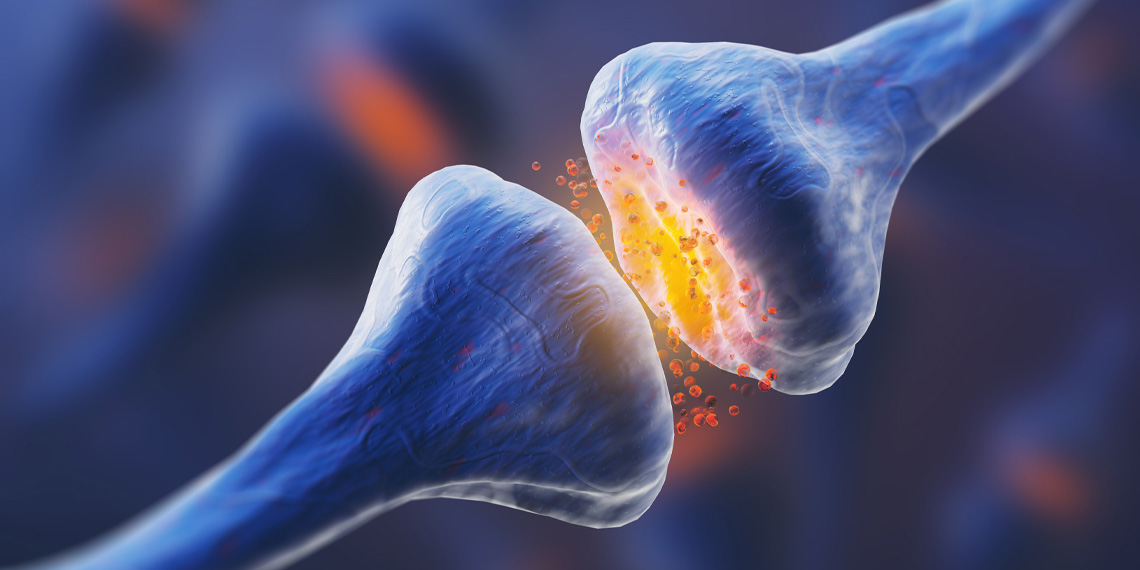
Scientists are studying the molecular pathways opioids use to carry out their effects in the body to design drugs that deliver effective pain relief without the risk of side effects, including addiction and overdose. One approach is to target the "good" signals like pain relief and avoid the "bad" signals that lead to addiction and death. Researchers are targeting a protein called Heat shock protein 90 (Hsp90), which has many functions inside each cell and is important in regulating opioid signal transduction. Manipulating opioid signaling through Hsp90 offers a path forward to improve opioid drugs and reduce the risk of addiction and overdose.