The Hollywood Reporter discusses the current state of the TV industry after the WGA strike, highlighting the content contraction that is occurring. The total number of original U.S. scripted series is expected to shrink in 2023, signaling a shift from the era of "Peak TV." Conglomerates are consolidating platforms, overall deals are becoming less common, budgets are shrinking, and cancellations are happening more frequently. Despite these challenges, showrunners remain optimistic and emphasize the importance of finding original ideas that resonate with viewers.
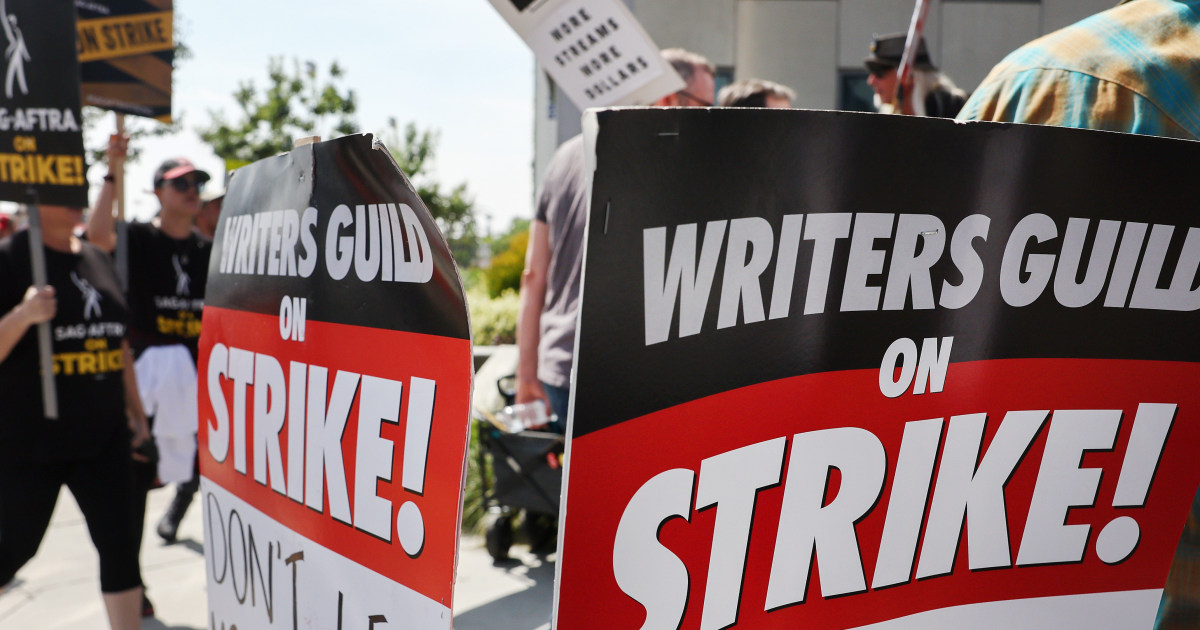
Negotiations to end the Hollywood writers' strike have made progress, but a major point of contention is the use of artificial intelligence (AI). Talks between the Writers Guild of America and the Alliance of Motion Picture and Television Producers ended without a deal, with language over AI being a sticking point. Writers are seeking a fair share of streaming revenue, increased royalties, and protection against potential job losses due to AI. Studio executives were absent from the recent talks, but bargaining is set to resume. The strike has disrupted television programs and delayed the fall season.
Contract talks between striking Hollywood writers and major studios and streaming services are set to resume after being stalled. The Alliance of Motion Picture and Television Producers announced that it is working to schedule a meeting next week in response to a request from the Writers Guild of America. The actors' strike is also ongoing, with separate negotiations planned. Progress to end the strike had seemed stalled, causing concerns for the fall broadcast season and financial strain on actors and writers. Significant differences remain between the writers and studios, including employment levels, residuals, and concerns about AI. Pressure is mounting from investors and Wall Street due to potential losses from the strike.
Hollywood writers continue their strike, with Latin Hollywood joining in a block party at Warner Bros. The negotiation feathers seem most ruffled over the writers room, as studios view the guild's request to preserve it as a divisive issue. The writers argue that the writers room is essential for quality TV production and that cutting it would lead to costly reshoots and a decline in the overall quality of television. They emphasize the importance of collaboration and the need for more writers on set to handle unforeseen problems.
Striking Hollywood writers are expected to respond to the latest contract proposal from major studios this week, potentially signaling progress in the months-long labor dispute. The Writers' Guild of America (WGA) negotiating team is reviewing the proposal, which includes concessions on the use of artificial intelligence and sharing access to viewer data. Talks may resume this week after a 100-day hiatus. The strike, which began on May 2, revolves around compensation, minimum staffing in writers' rooms, residual payments, and other issues.
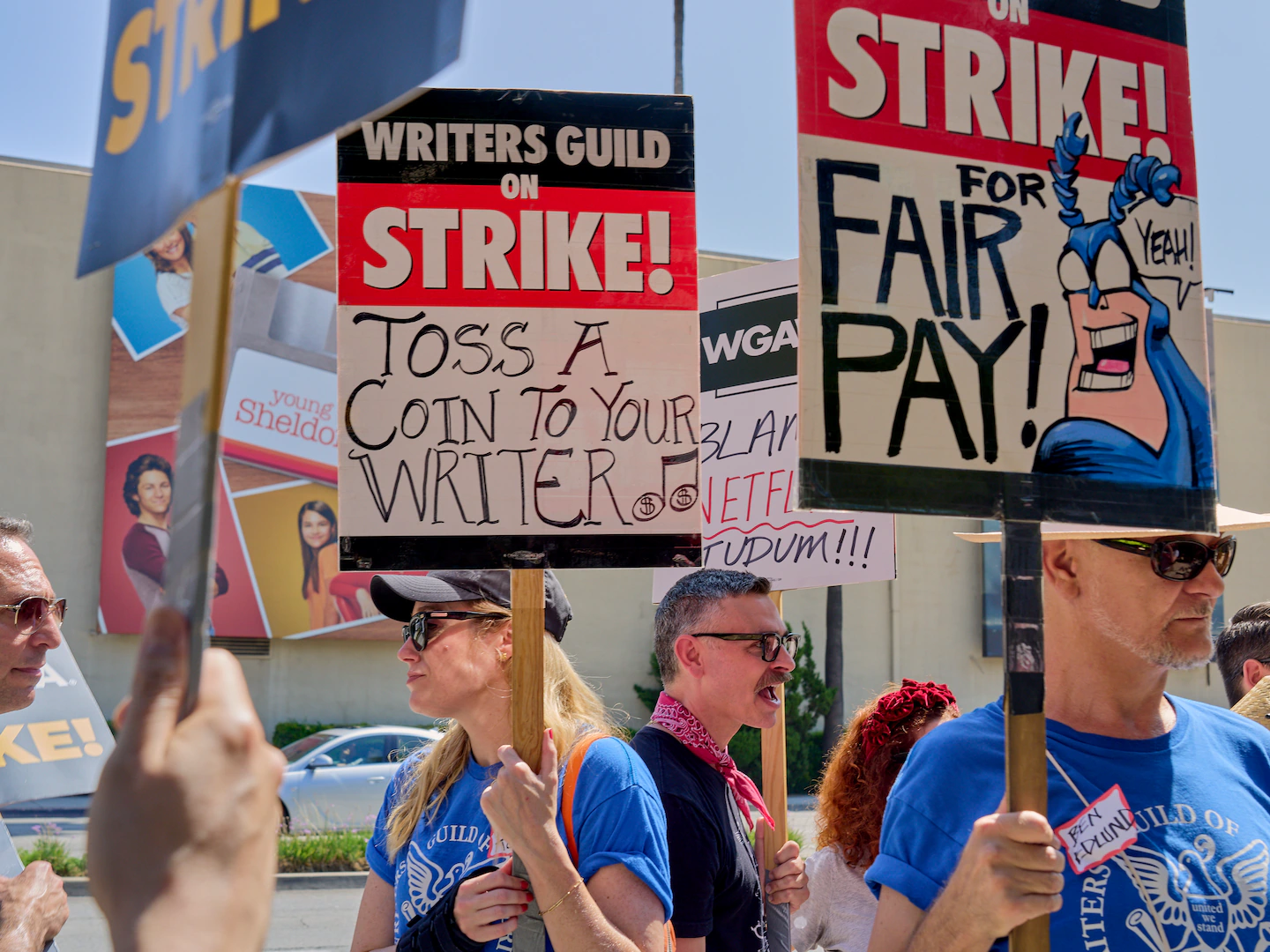
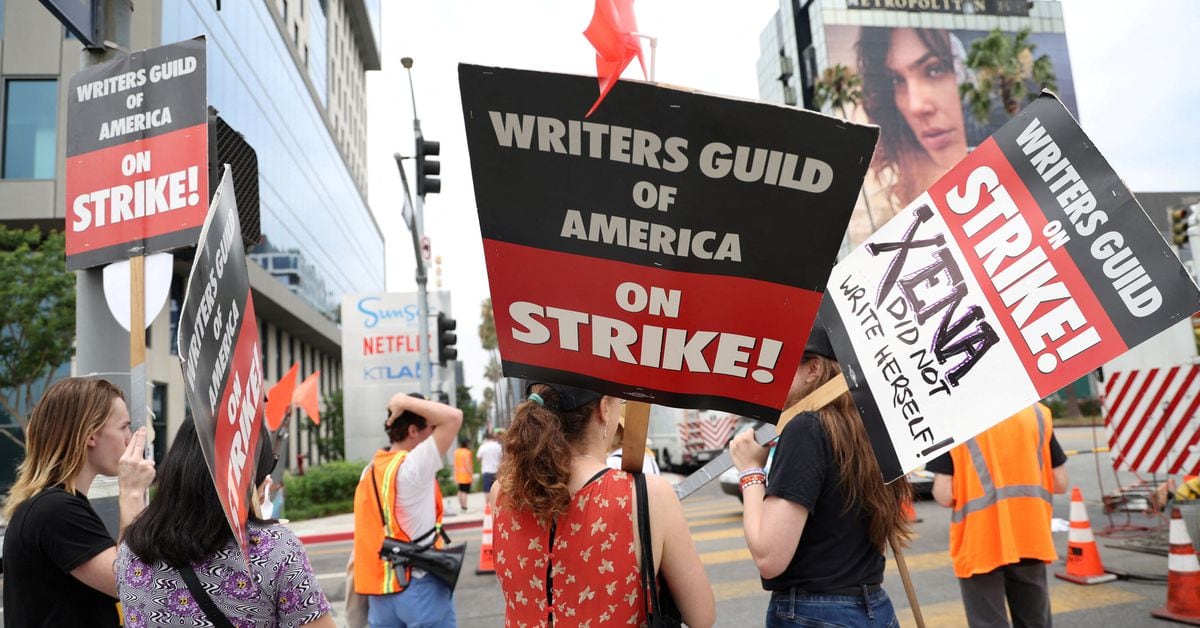
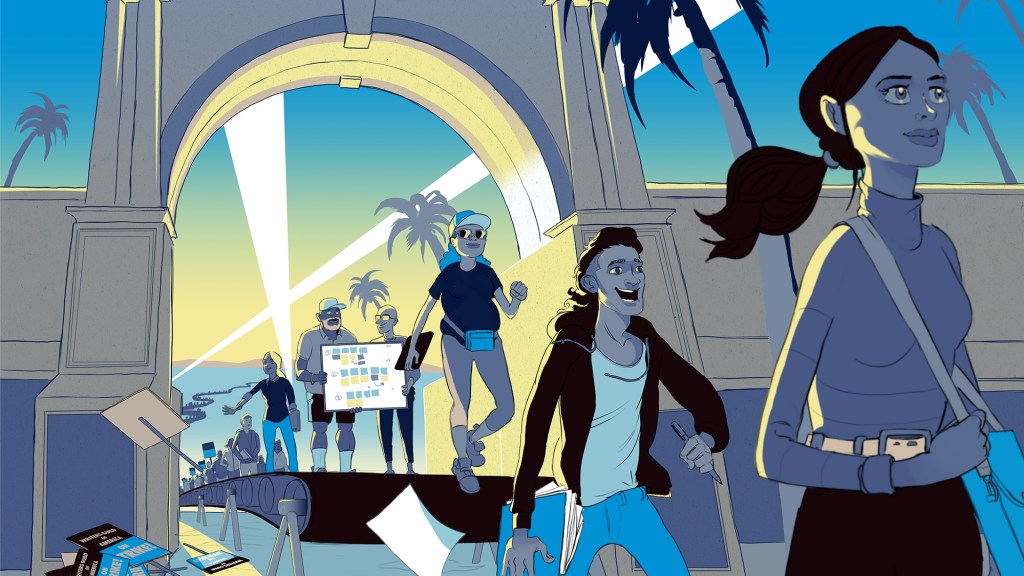
A Hollywood writer shares their experience of picketing during the ongoing writers' strike, including encountering non-writing industry workers impacted by the strike and attending a lively picket at Netflix. The writer also reflects on the inevitability of AI in the industry and the need for regulation, while finding solace in the unpredictability of storytelling.
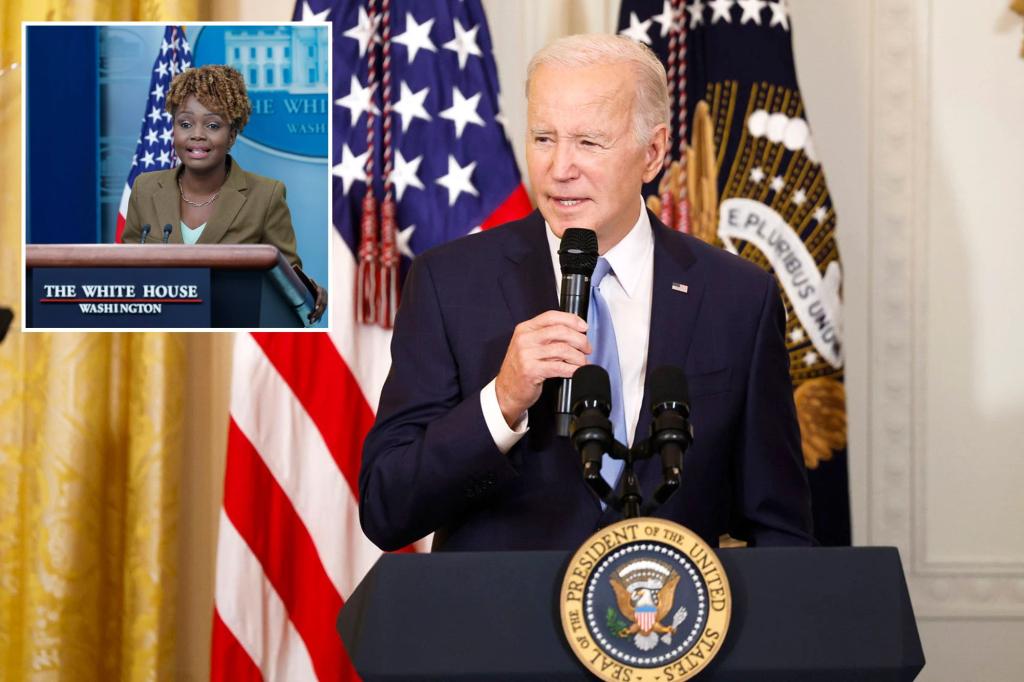
President Biden expressed his support for striking Hollywood writers, calling for a “fair deal” a week after White House press secretary Karine Jean-Pierre indicated that the executive branch wouldn’t comment on the ongoing labor dispute. The Writers Guild of America announced last week that its 11,500 screenwriter members in California, New York and other cities will refuse to work after the union and studios failed to agree on a new three-year contract, triggering Hollywood’s first strike in 15 years. Biden, who has referred to himself as the most “pro-union” president in history, was bashed by rail workers unions last year over his move to press Congress to force labor groups to accept an agreement with rail companies in order to avert a strike.
Geoffrey Hinton, an A.I. pioneer, has left Google to speak out about the risks of A.I. and warn of the danger ahead. Tucker Carlson's post-Jan. 6 remarks on political violence have been analyzed for their troubling content. First Republic Bank's collapse was unique, and many banks still face tough economic conditions. John Wenzel's nightmares led him and his daughters on a journey back to World War II. Hollywood writers aim to regulate the use of material produced using artificial intelligence or similar technologies. Whole Foods Market's flagship store in San Francisco closed due to safety concerns, reflecting the city's intractable problems.
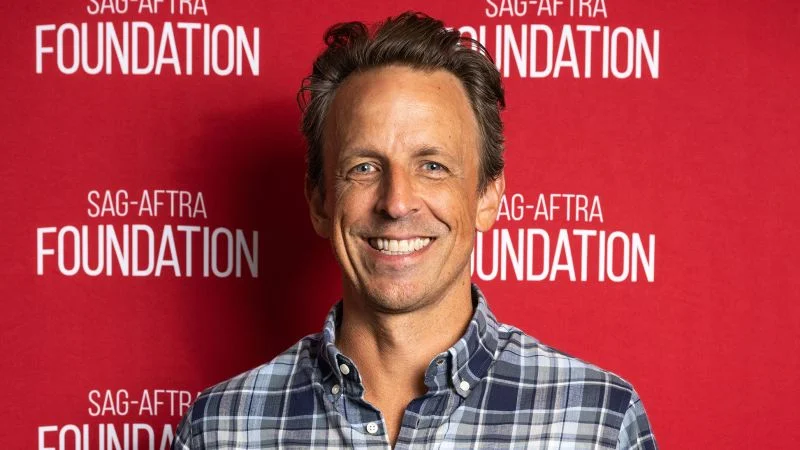
Seth Meyers addressed the potential strike by members of the Writers Guild of America on his show, "Late Night with Seth Meyers." The guild is seeking better wages and data transparency, and if no new deal is reached before their current contract expires on Monday, a strike could occur. Meyers, a proud member of the Guild, expressed solidarity with the writers and acknowledged the impact a strike would have on the non-writing staff of shows. During the 2007-2008 strike, most late-night shows aired reruns.