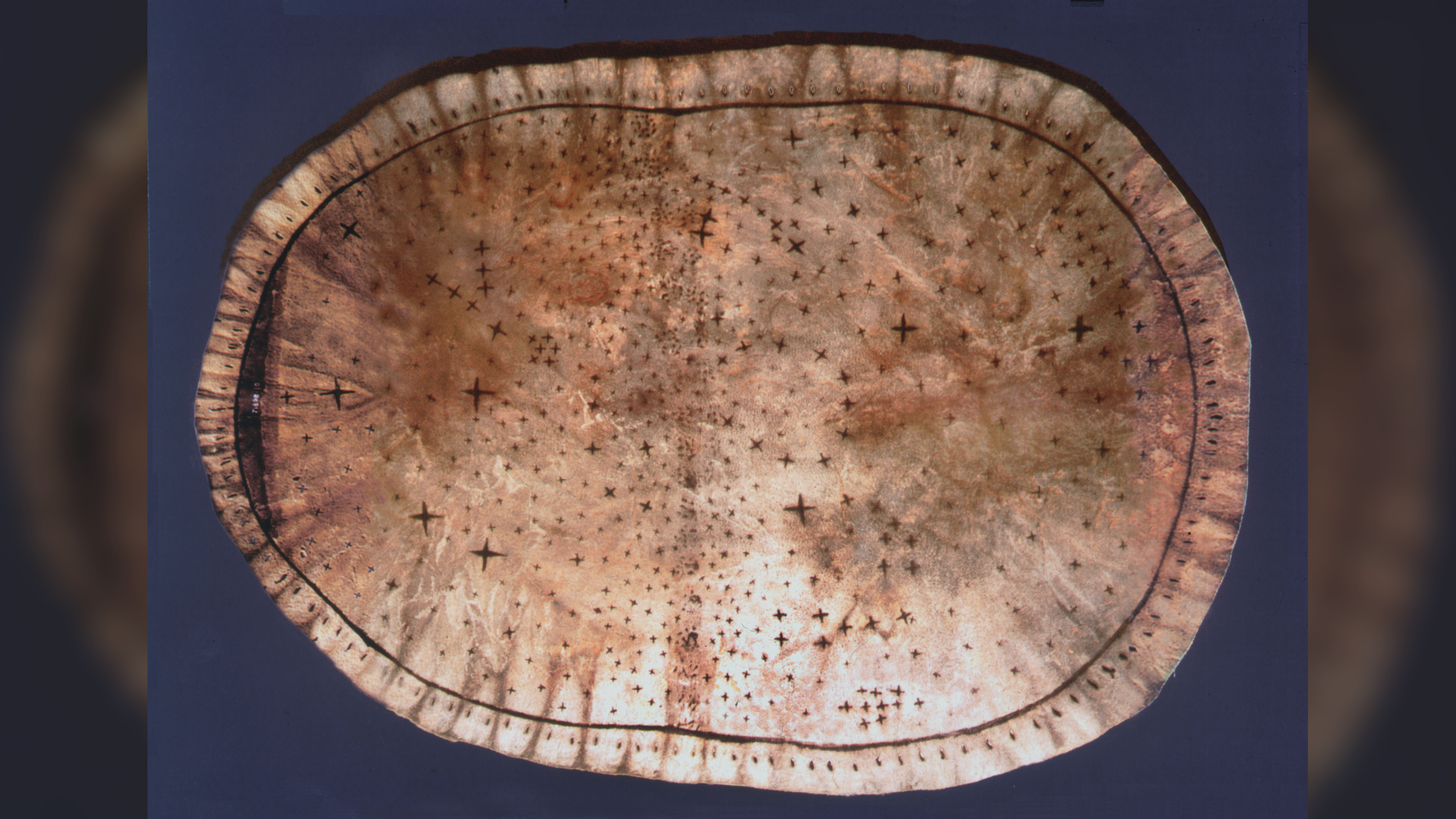
The Pawnee Star Chart, created around 1625 by the Skiri band of the Pawnee Nation, is an elk-skin depiction of the night sky whose exact purpose remains debated; it may have served as a mnemonic device for priests to recount origin myths rather than a precise star map.
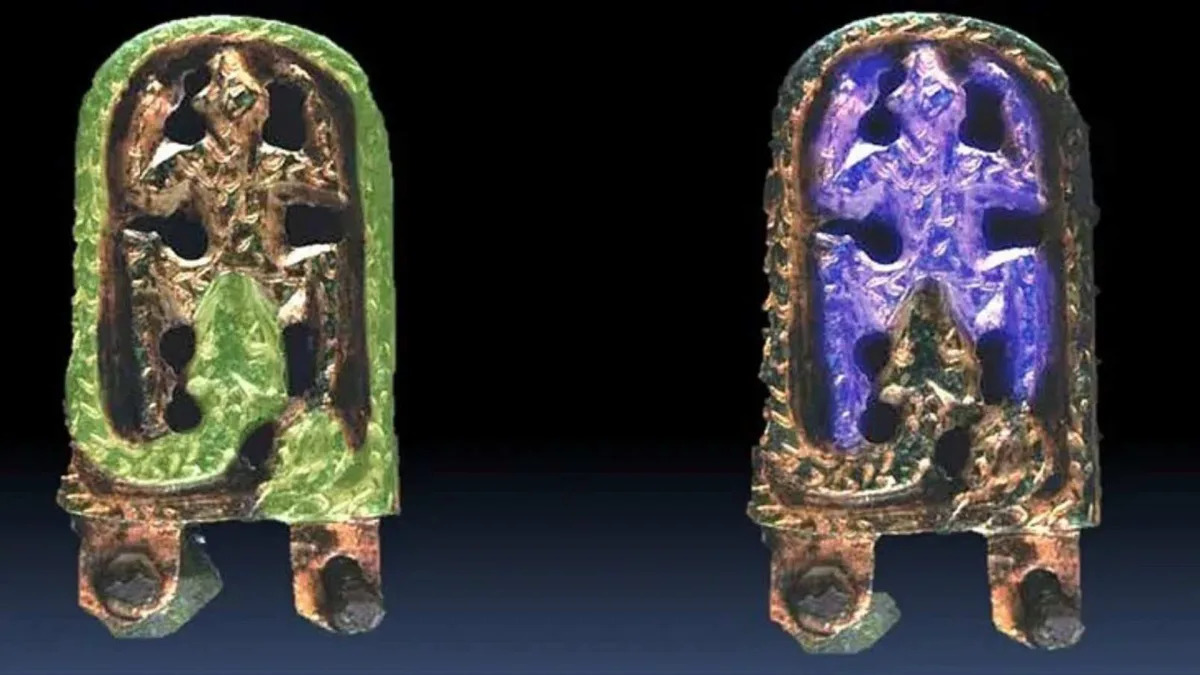
A unique early medieval belt buckle featuring a dragon or snake eating a frog, discovered in the Czech Republic, may represent a symbol from an unknown pagan cult. This motif, also found in similar artifacts across Central Europe, suggests a spiritual connection among diverse peoples before Christianity's spread. The artifacts, dating from the 7th and 8th centuries, were likely worn by Avars and possibly produced in the same workshop. The symbol's exact meaning is uncertain, but it could be related to creation myths or fertility cults.
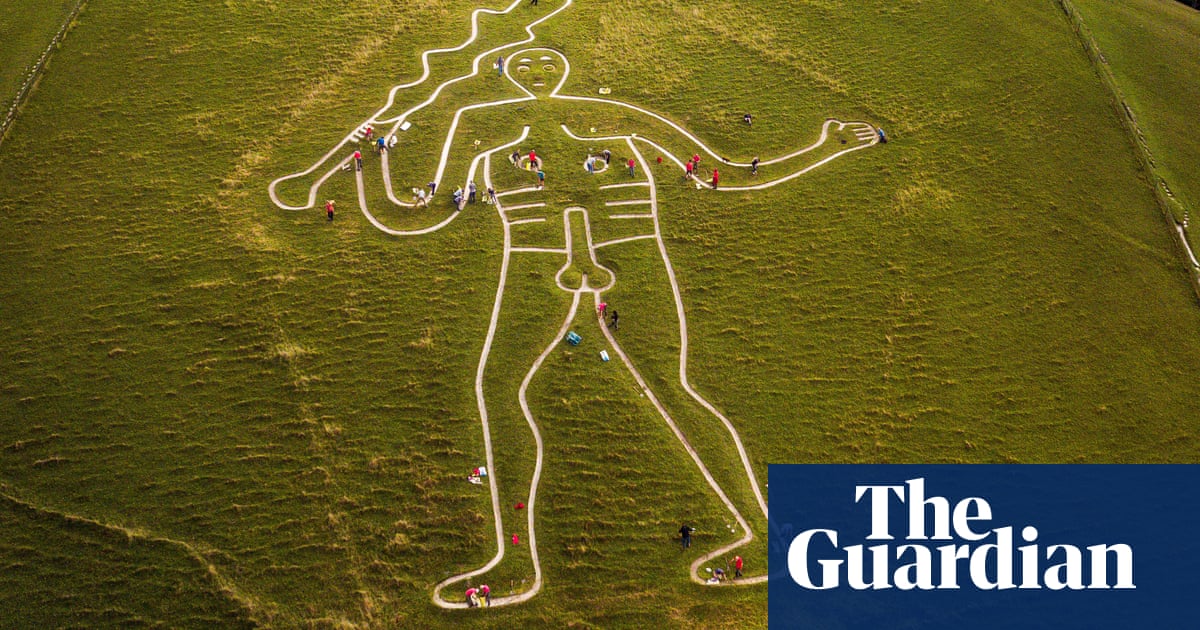
New research from the University of Oxford suggests that the Cerne Abbas giant, a large hill figure in Dorset, England, represents Hercules and may have served as a muster station for West Saxon armies during Viking invasions in the 10th century. Historians Helen Gittos and Tom Morcom argue that the figure's location and characteristics align with those of a "hanging promontory" site, ideal for army gatherings. This recontextualizes the giant from a mysterious figure to a significant cultural and historical symbol in the local landscape.
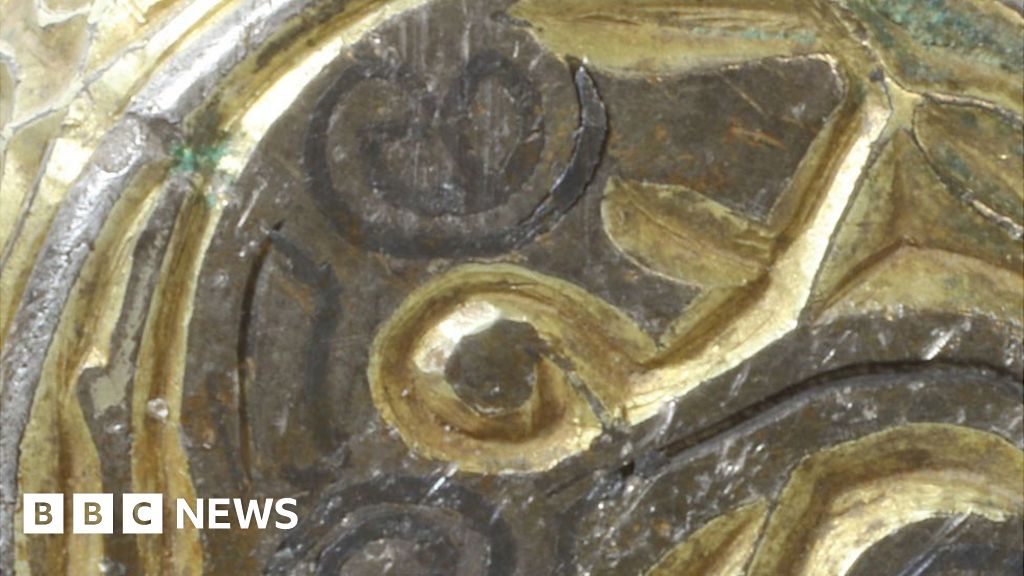
A metal detectorist in Langham, Norfolk, discovered a small, gilded silver Anglo-Saxon object dating back to the late 8th or early 9th Century, which has left experts puzzled about its use. The artifact features intricate designs, including a "backward-looking animal" and a spiral pattern similar to those found in the Book of Kells or Lindisfarne Gospel. Despite its age and delicate condition, the craftsmanship suggests the creator was highly skilled, possibly mixing mercury with powdered gold to highlight the design. The object has been declared treasure, and Norwich Castle Museum is interested in acquiring it.