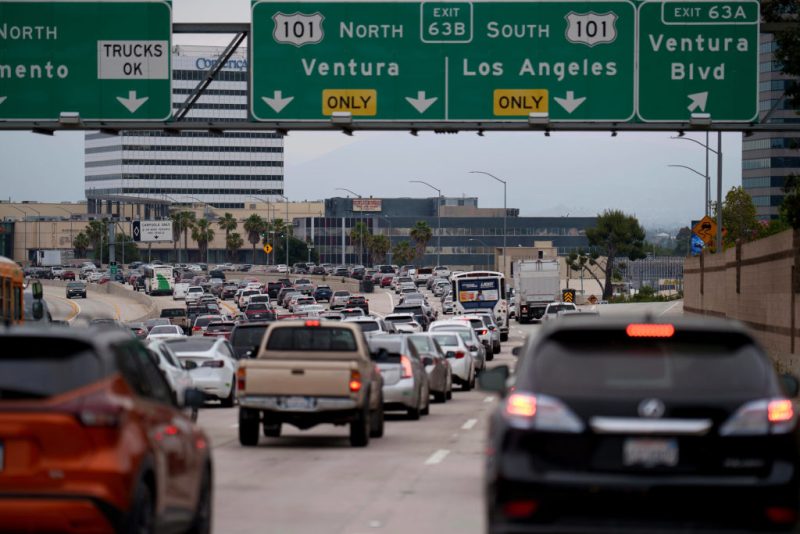
The U.S. has been embroiled in a decades-long debate over the best font for highway signs, oscillating between Highway Gothic and Clearview. Highway Gothic, adopted in 1948, faced readability issues with reflective signs, leading to the creation of Clearview in 2004. Despite initial approval, Clearview's endorsement was rescinded in 2016 but reinstated in 2018, resulting in a mix of both fonts on U.S. roadways today.
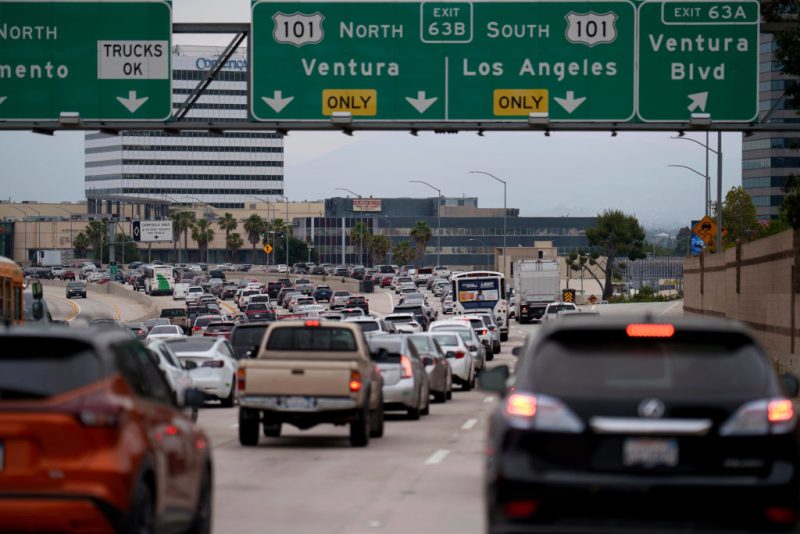
The U.S. has seen a decades-long debate over the best font for highway signs, oscillating between Highway Gothic and Clearview. Initially adopted in 1948, Highway Gothic faced readability issues with reflective signs, leading to the creation of Clearview in 2004. Despite initial approval, Clearview's endorsement was rescinded in 2016 but reinstated in 2018, resulting in a mix of both fonts on U.S. highways today.
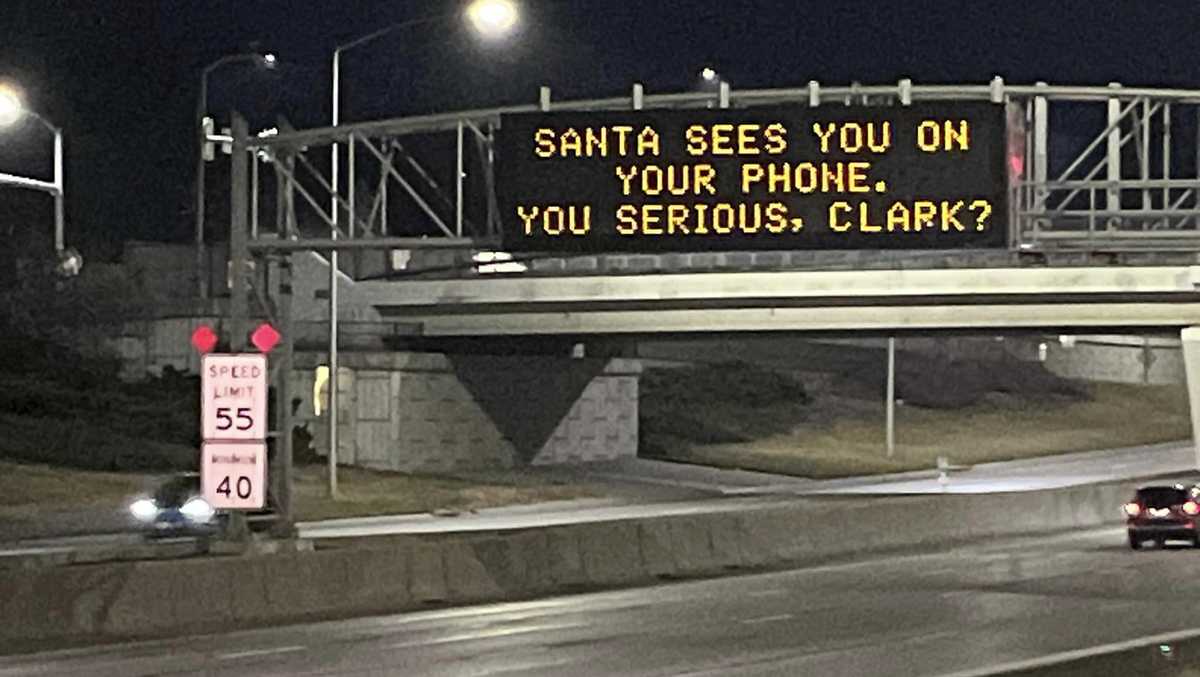
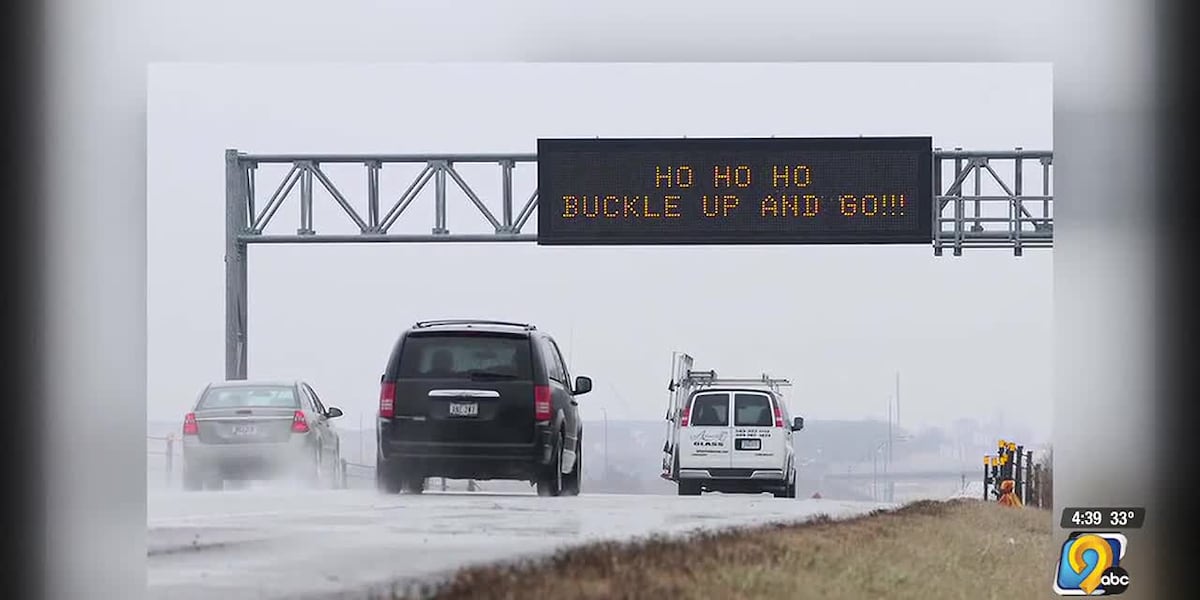
The Iowa DOT is defying a recommendation from the Federal Highway Administration to refrain from using humorous and pop culture references in highway signs, arguing that their decade-long use of such messages has not posed a safety threat. The Federal Highway Administration's updated manual strongly advises against obscure or funny messages on electronic signs, emphasizing the importance of clear and direct communication for conveying critical information to drivers. Despite the recommendation, the Iowa DOT plans to maintain the signs for now, subject to potential reconsideration pending further research.
The Iowa DOT is rejecting a recommendation from the Federal Highway Administration to avoid using humor and pop culture references in highway signs, arguing that their decade-long use of these messages has not posed a safety threat. The DOT's special projects manager, Willy Sorenson, emphasizes that the messages are periodically updated to promote traffic safety and do not override immediate traffic warnings. While the FHA's recommendation is not a ban, the DOT plans to continue using these signs but may reconsider in the future pending further research.
The Federal Highway Administration is phasing out punny and pop-culture references on electronic safety billboards on highways, deeming them inappropriate for conveying road updates and seasonal safety reminders. Some states are known for using regional references and puns to capture drivers' attention, but the new guidelines will require a shift away from such messaging within the next two years, disappointing some. While some find the signs distracting, others argue for their effectiveness, and some states hold contests for residents to submit ideas for traffic safety messages.
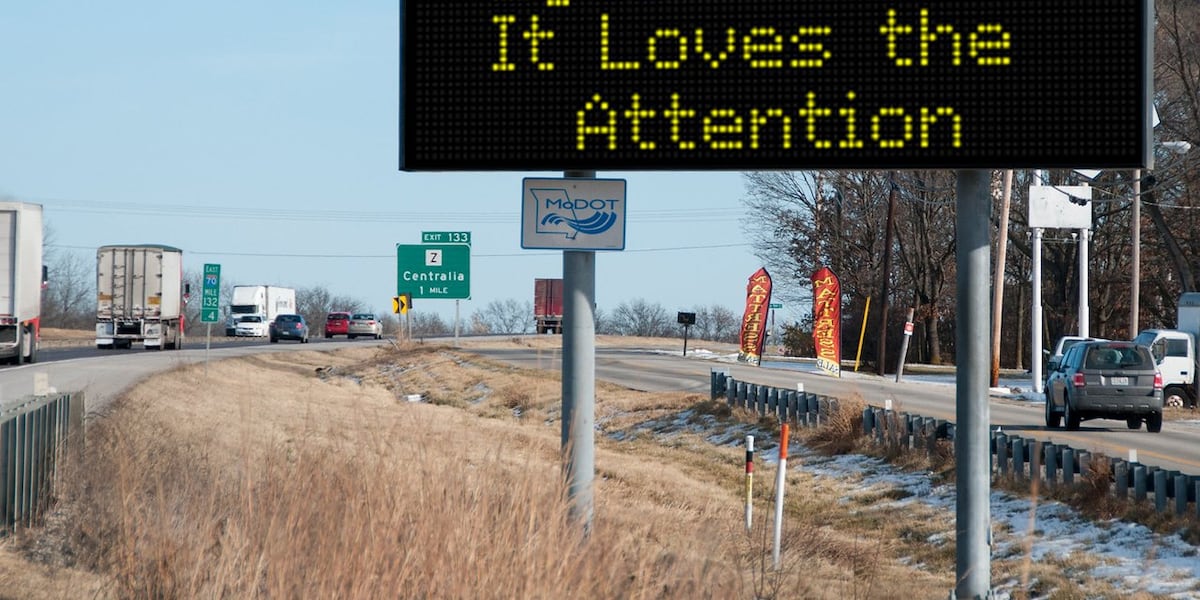
The U.S. Federal Highway Administration is urging states to stop using humorous messages on highway signs by 2026, citing potential driver distraction, but the Missouri Department of Transportation (MoDOT) insists it's already following the rules and will continue to convey fun messages related to highway safety. MoDOT will make small tweaks to comply with the new guidelines, but will still incorporate humor into its messages, despite some pushback from state representatives.
The Federal Highway Administration has mandated states to remove humorous electronic highway signs within two years, citing concerns about driver distraction. While these signs were intended to convey safety messages in a more engaging manner, the administration now requires states to limit references to pop culture and ensure that messages are widely understood. Some states have already discontinued the use of funny messages, while others are adjusting to the new guidelines.
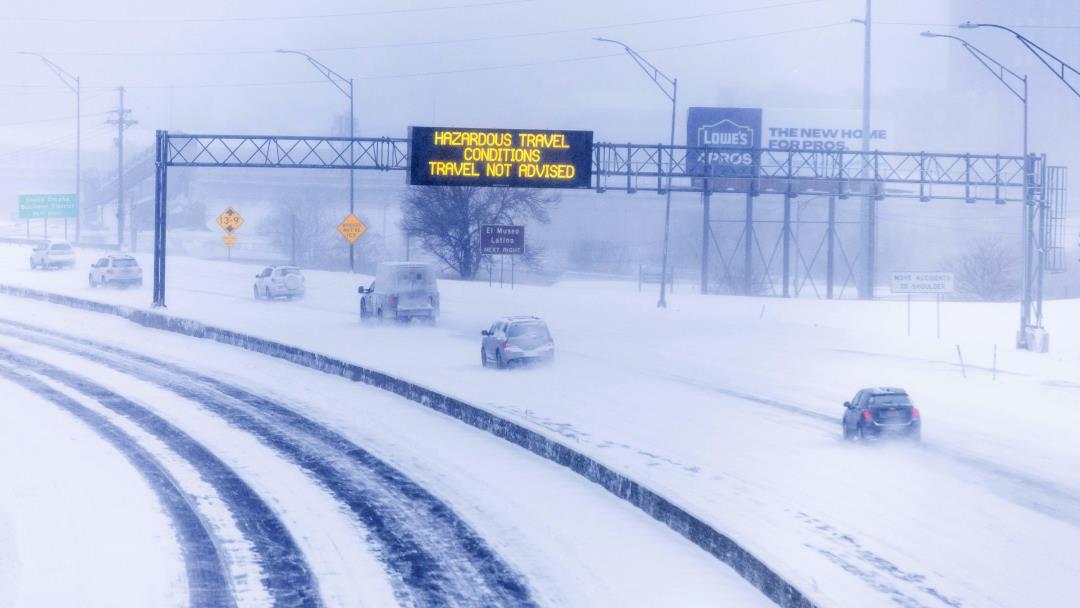
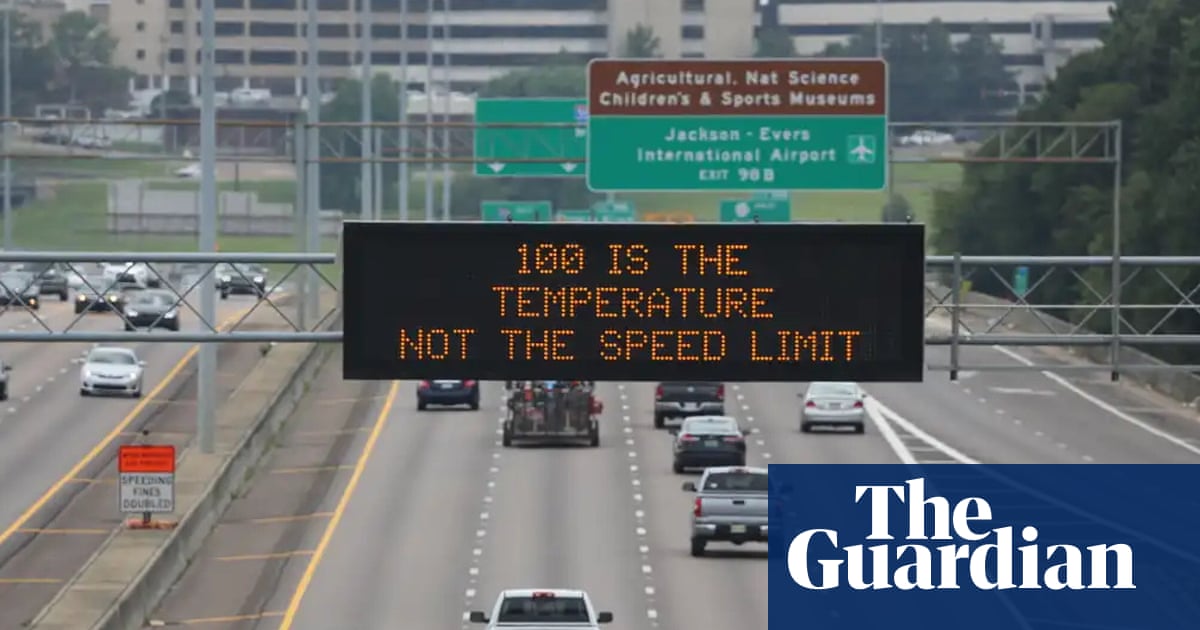
The US Federal Highway Administration is banning humorous and pop-culture references on electronic highway signs by 2026, arguing that such messages can distract drivers. The new guidelines aim to ensure that signs display only important information such as warnings about crashes, weather conditions, and traffic delays, as well as reminders about seatbelts and the dangers of speeding or driving impaired. States like Illinois, Mississippi, and Arizona have used humorous signs to convey safety messages, but federal regulators are now cracking down on these practices, sparking criticism from some state officials.
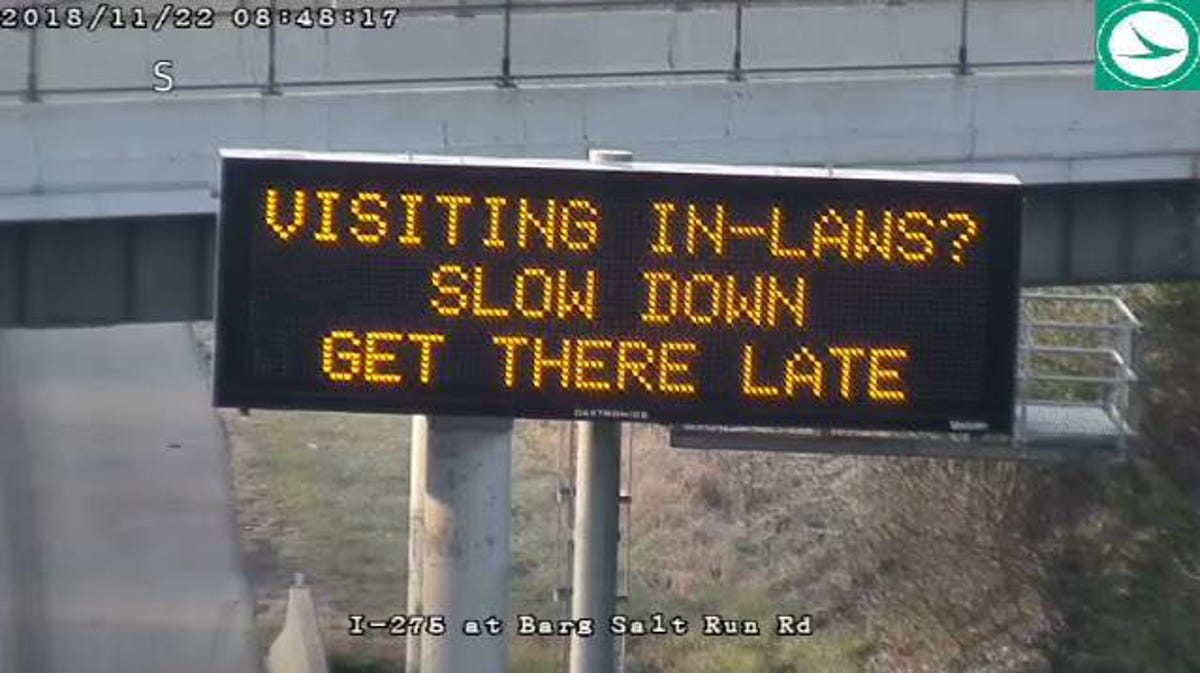
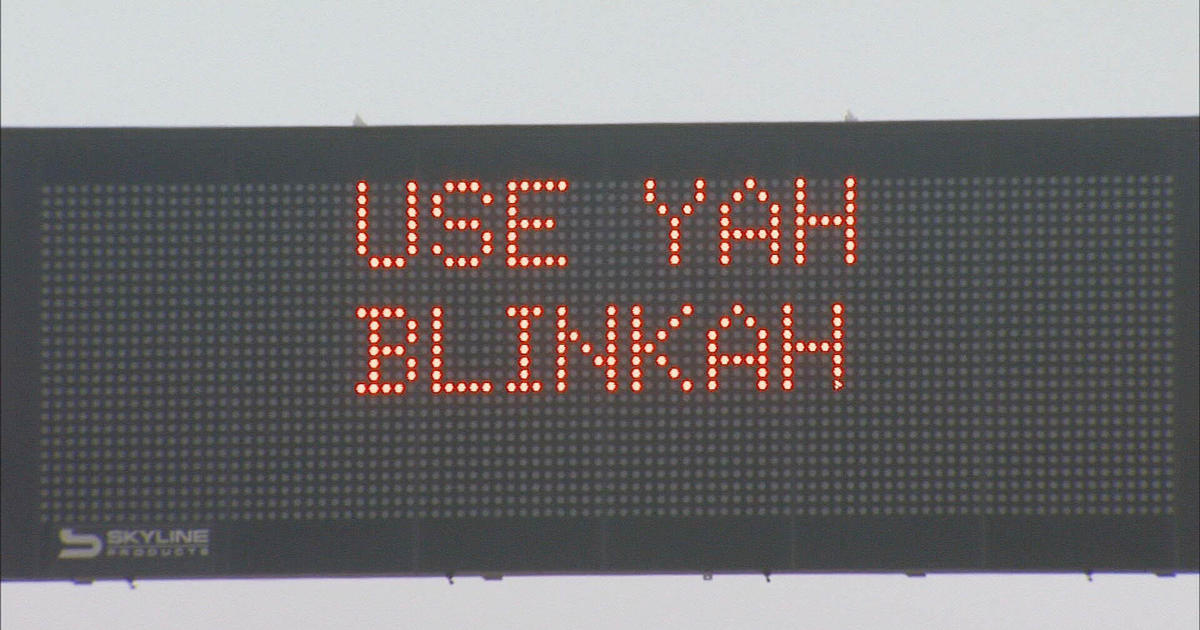
The Federal Highway Administration's new rules recommend that state departments of transportation avoid displaying messages with obscure cultural references or nonstandard syntax on highway signs, in an effort to ensure universal understanding and prioritize traffic safety. Ohio's Department of Transportation plans to comply by paring down niche quotes and ensuring messages are universally understandable, while still allowing for some humor that conveys important safety messages. The public can submit safety message ideas to ODOT for consideration on highway signs.
The U.S. Federal Highway Administration has mandated the removal of humorous and quirky messages from electronic highway signs by 2026, citing potential driver distraction and misunderstanding. States have been given two years to comply with the new regulations, which emphasize the use of signs for important information such as warnings about crashes, adverse weather, and traffic delays. This decision will impact popular and humorous messages displayed on highway signs in various states, including Massachusetts, Ohio, Pennsylvania, New Jersey, and Arizona, where the use of funny messages has been a tradition.