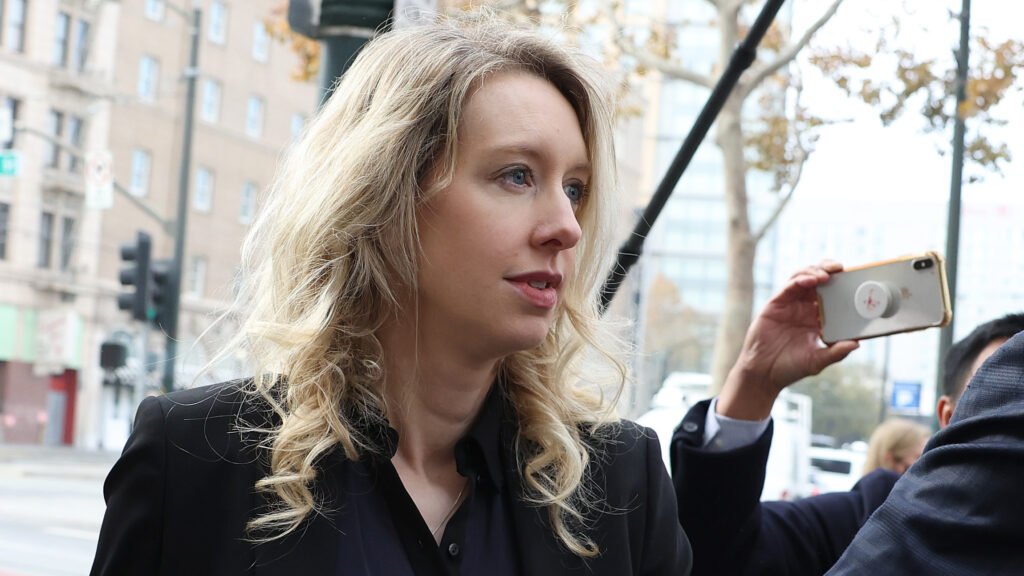
Elizabeth Holmes, founder of Theranos, has been banned from federal health programs for 90 years following her conviction for fraud related to the inaccurate and faulty blood-testing claims made by her startup. The Health and Human Services Department can exclude individuals convicted of certain felonies from Medicare, Medicaid, and Pentagon health programs, essentially barring them from working in the broader health care system. The ban is a result of "certain aggravating factors" such as the longevity of Theranos' fraud and Holmes' imprisonment. This decision comes after a trial that determined the unreliability of Theranos' testing technology, which had raised hundreds of millions of dollars and involved partnerships with prominent entities before its downfall.
Two pharmacists and a physician have been charged in a 13-count indictment for their involvement in a $170 million health care fraud, kickback, and money laundering scheme. The pharmacists allegedly submitted false claims for high reimbursing drugs that were medically unnecessary, while the physician referred prescriptions to the pharmacies in exchange for illegal kickbacks and bribes. The scheme involved submitting fraudulent claims to the Department of Labor's Office of Workers' Compensation Program. The defendants also allegedly attempted to conceal the proceeds of the criminal activity through money laundering. If convicted, they face significant prison sentences.
Former NBA player Terrence Williams has been sentenced to 10 years in prison for his involvement in a $5 million health care fraud scheme. Williams used his people skills to recruit others, including medical professionals, to defraud the NBA's Health and Welfare Benefit Plan. He was also ordered to forfeit over $650,000 and pay $2.5 million in restitution. Williams, who played for several NBA teams, pleaded guilty to conspiracy to commit health care and wire fraud. He blamed his actions on "stupidity and greed" and an opioid addiction. The judge criticized his behavior as "extortionate" and motivated by greed.
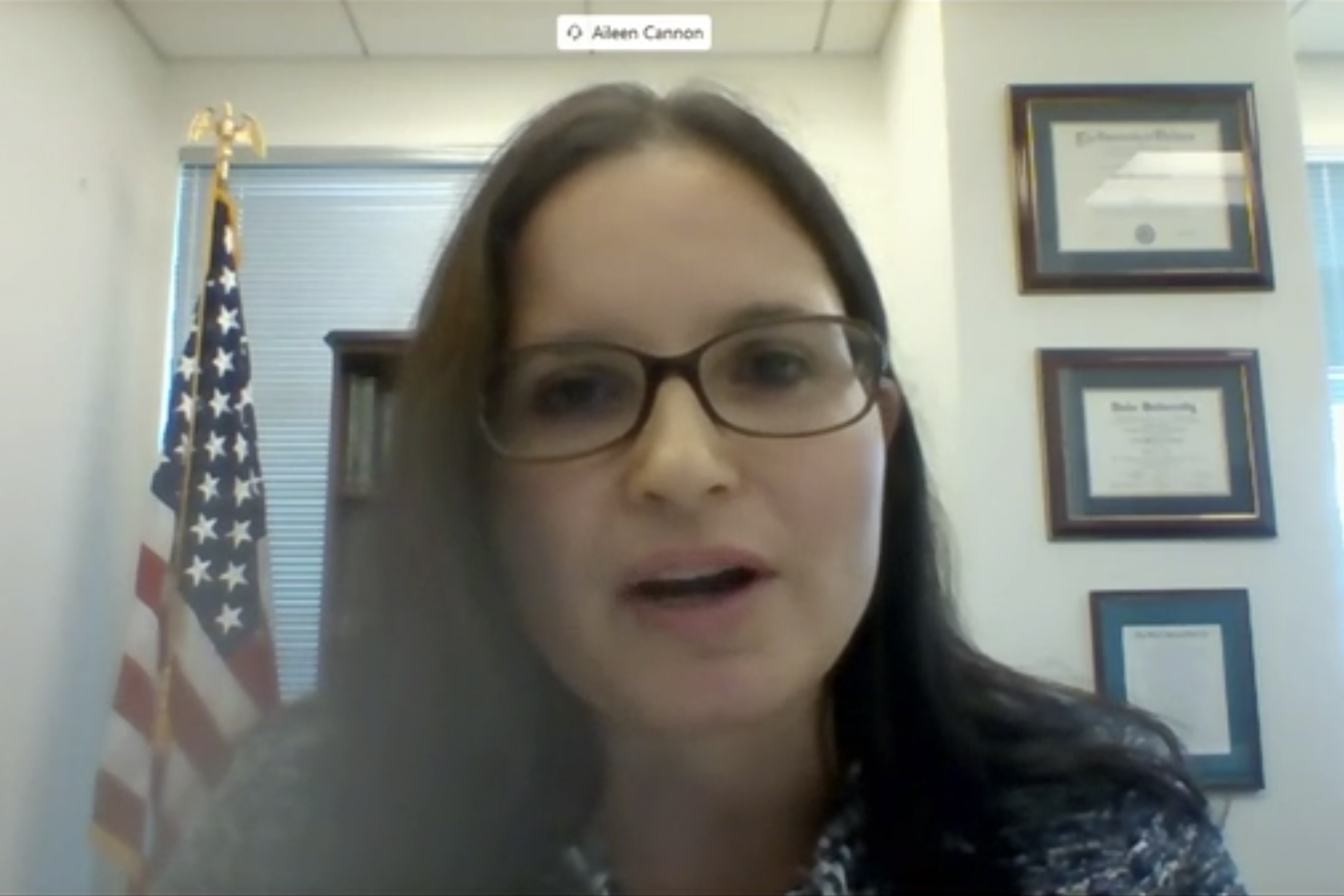
Aileen Cannon, the federal judge overseeing Donald Trump’s latest criminal case, has run just four, relatively routine criminal trials in her short tenure on the bench. Her thin resume, combined with her surprisingly deferential rulings to Trump in a civil lawsuit challenging the FBI raid of his Mar-a-Lago estate last year, have raised questions about her readiness for the complexities of the first-ever federal prosecution of a former president. However, she has shepherded a complex, 10-defendant health care fraud case to the verge of trial, and in the course has litigated tangled and fraught issues of attorney-client privilege and motions to suppress — some of which could be precursors to battles in the upcoming Trump case.
The US Department of Justice has charged 18 defendants in nine federal districts for their alleged participation in various fraud schemes involving health care services that exploited the COVID-19 pandemic and allegedly resulted in over $490 million in COVID-19 related false billings to federal programs and theft from federally funded pandemic programs. The department seized over $16 million in cash and other fraud proceeds. The Center for Program Integrity of the Centers for Medicare & Medicaid Services (CPI/CMS) separately announced today that it took adverse administrative actions in the last year against 28 medical providers for their alleged involvement in COVID-19 schemes.