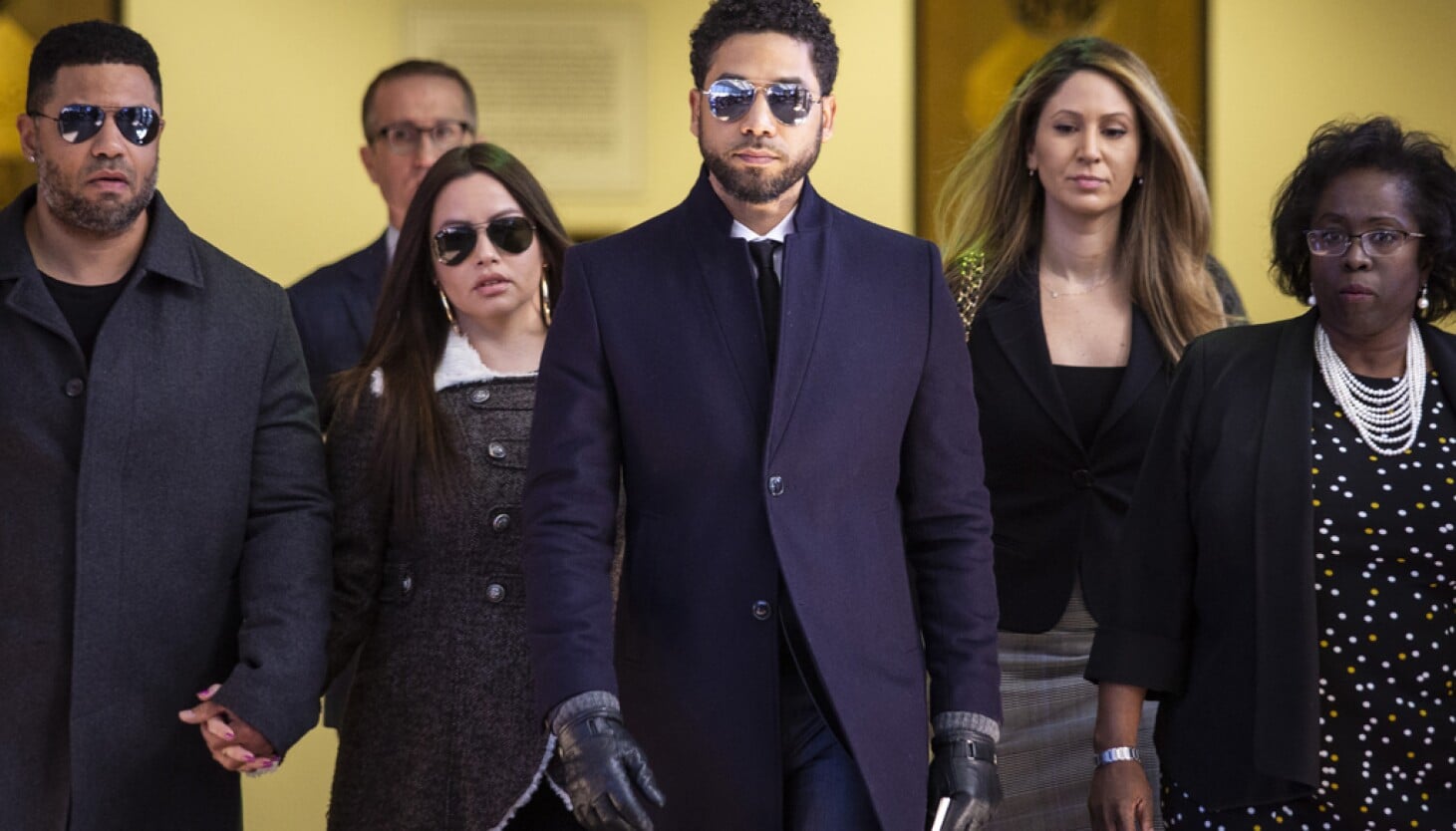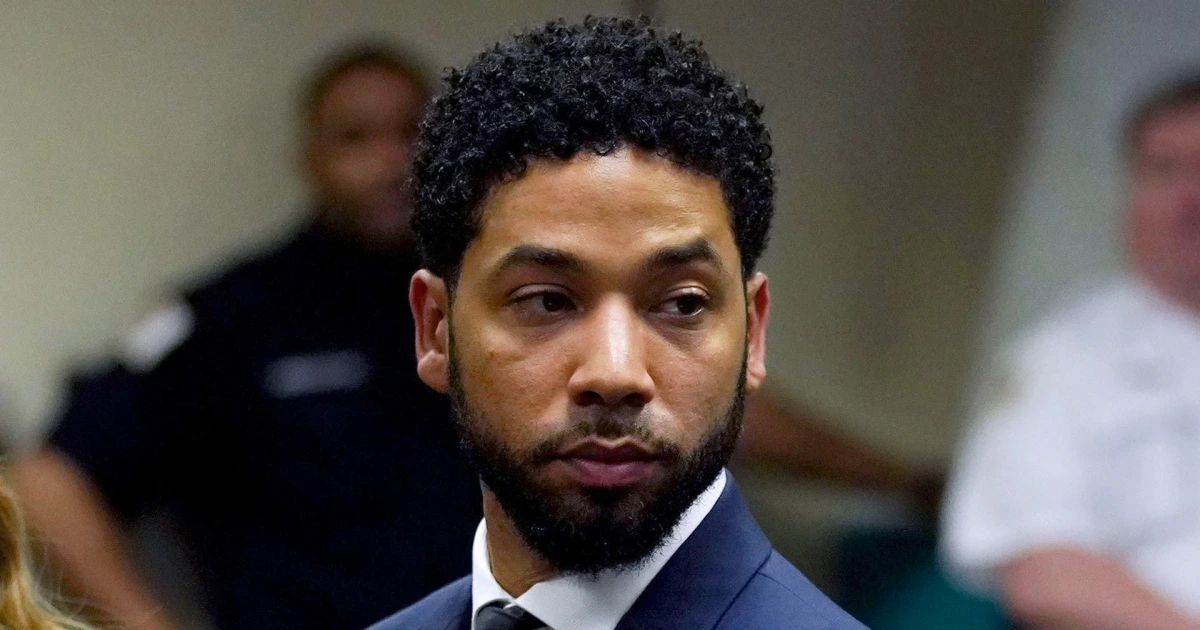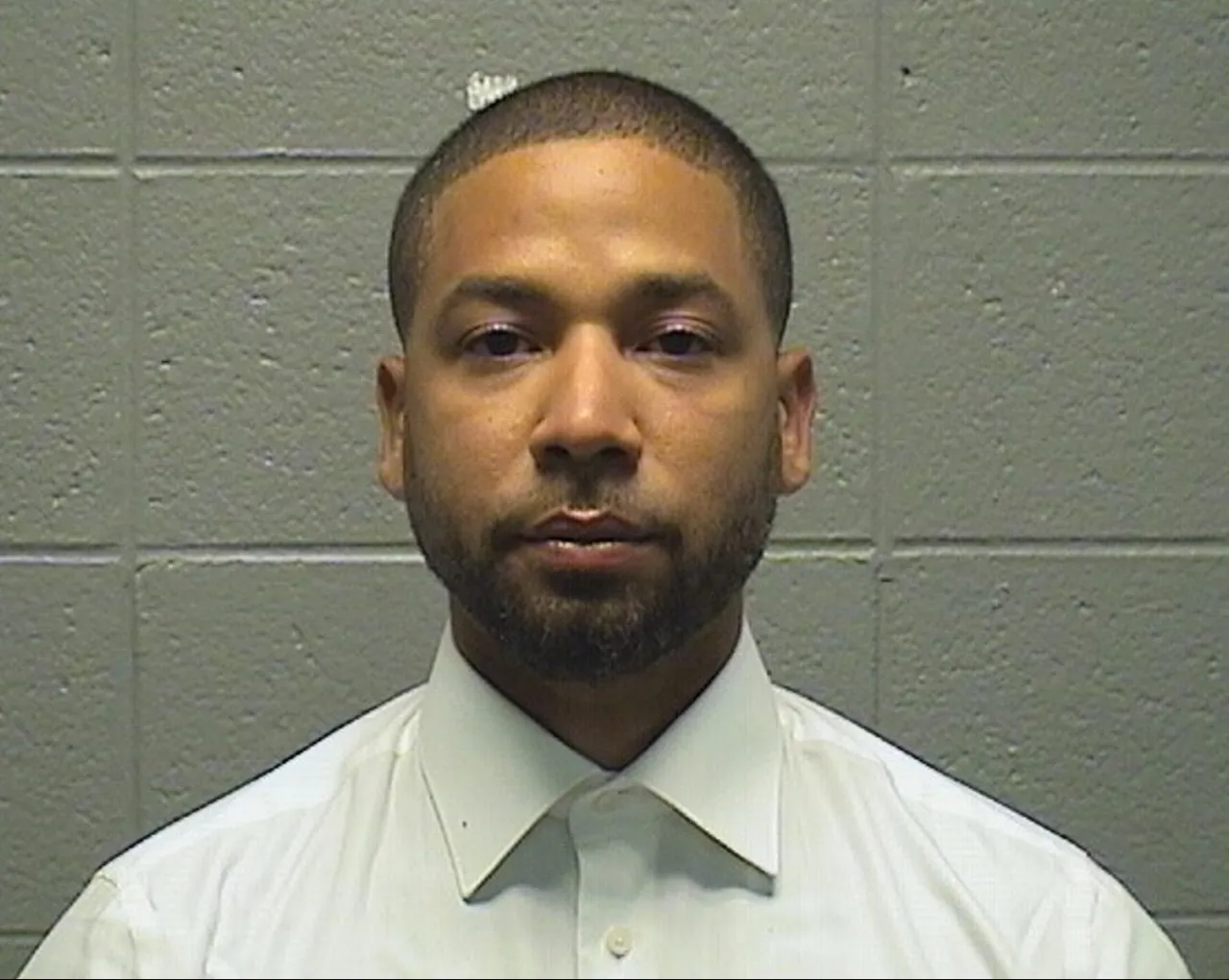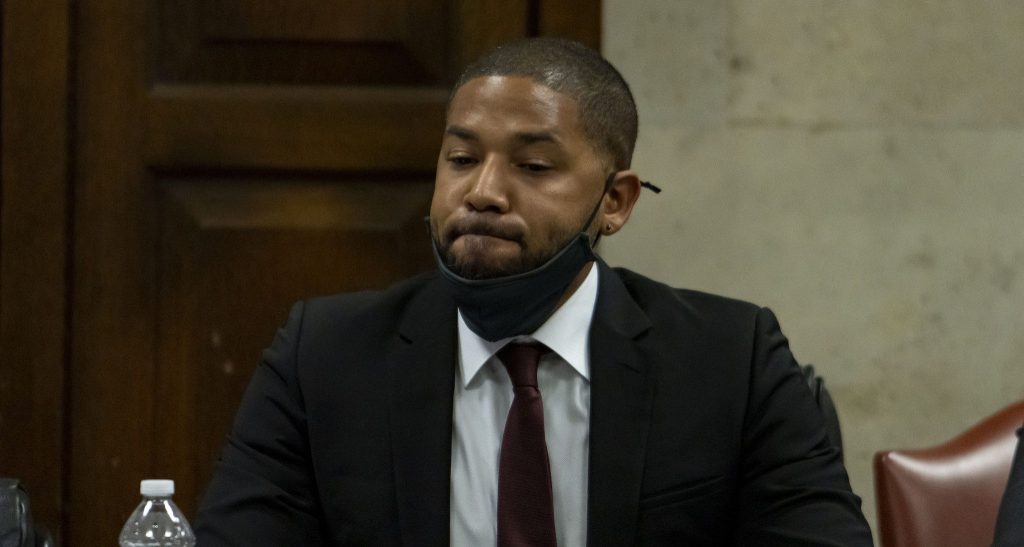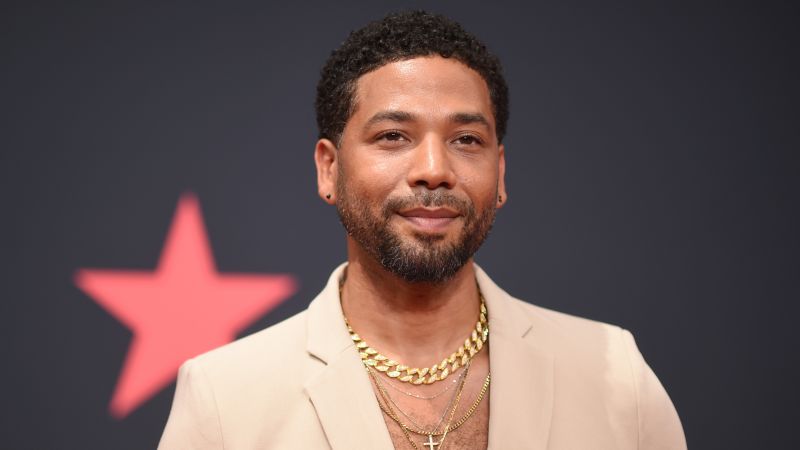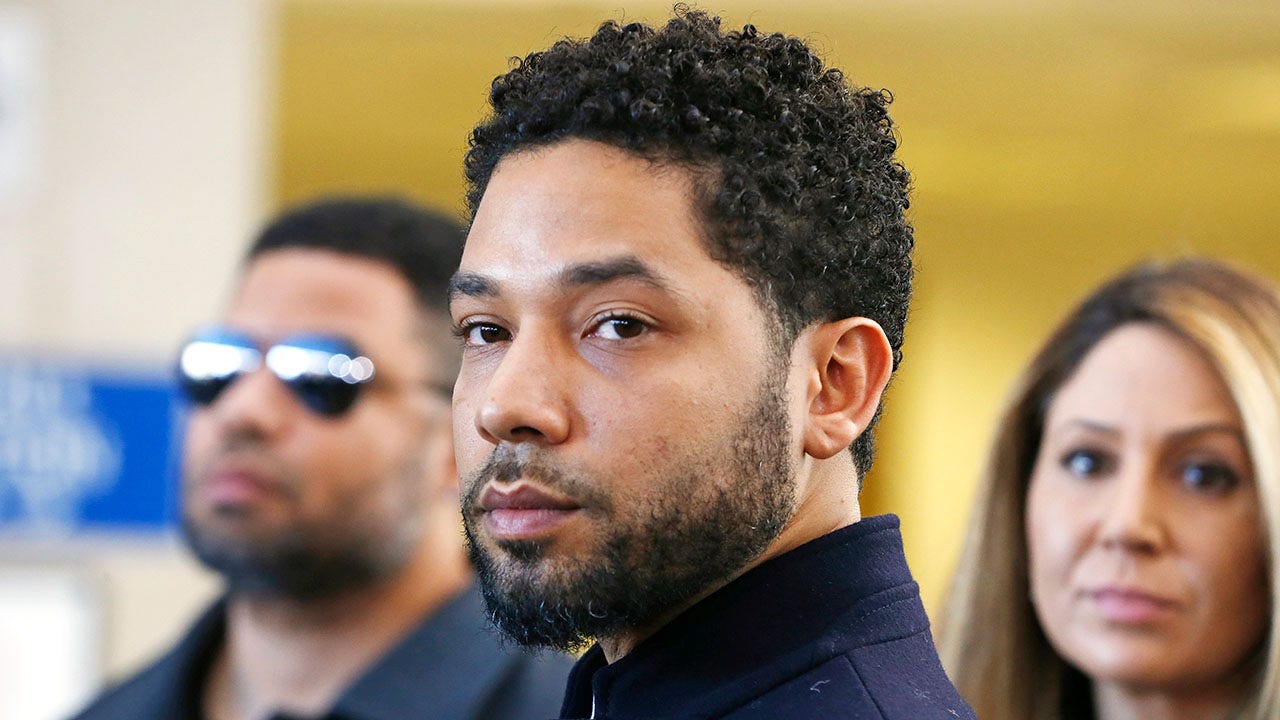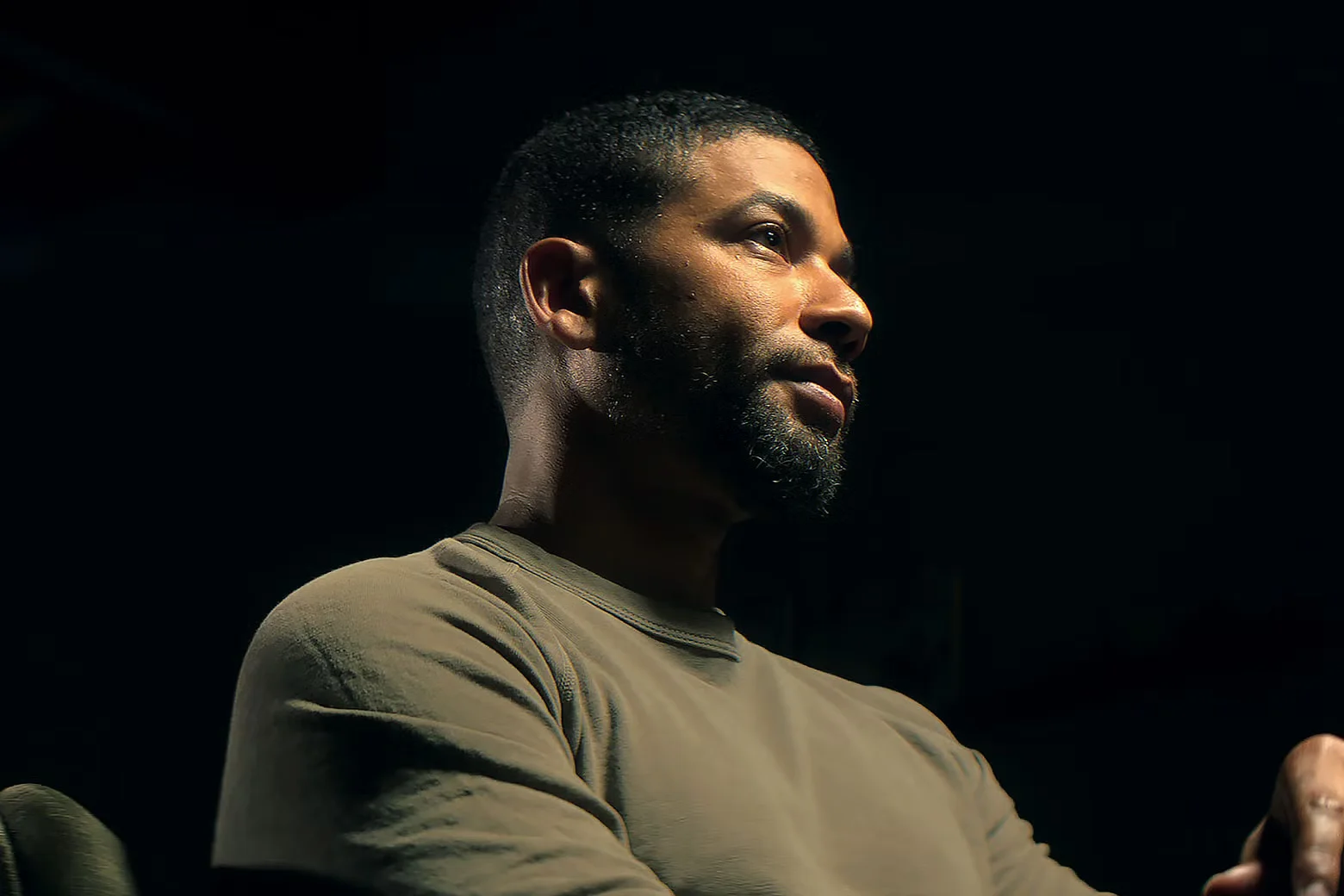
A new Netflix documentary, 'The Truth About Jussie Smollett?', revisits the controversial 2019 hate crime case involving actor Jussie Smollett, presenting both skepticism and support for his innocence, and highlighting alleged police misconduct and unresolved questions about the incident.
The Illinois Supreme Court has overturned Jussie Smollett's 2021 conviction for staging a hate crime, citing a violation of due process. Smollett had initially negotiated an agreement in 2019 to forfeit his bond and perform community service, but was retried and convicted in 2021. The Supreme Court's decision follows an appeal after the conviction was upheld by a lower court.
The Illinois Supreme Court overturned Jussie Smollett's conviction for staging a hate crime, citing a violation of his due process rights due to a prior plea deal. This decision nullifies a five-month jail sentence, although Smollett's reputation and career have suffered significantly. The ruling criticized the second prosecution as unjust, despite the special prosecutor's disappointment and insistence on Smollett's guilt. The case has been a focal point of public and legal controversy, impacting the careers of those involved, including Cook County State’s Attorney Kim Foxx.
The Illinois Supreme Court has overturned Jussie Smollett's conviction for falsely reporting a hate crime, citing prosecutorial issues. The court ruled that Smollett should not have been charged after entering a nonprosecution agreement with the Cook County State's Attorney's Office. Smollett was initially sentenced to jail and probation after being found guilty of staging an attack on himself in 2019. The case was controversial, with significant public interest and criticism of the original resolution.
The Illinois Supreme Court has overturned Jussie Smollett's conviction related to an alleged hate crime hoax. Smollett, known for his role in "Empire," was initially convicted in December 2021 for staging a hate crime against himself and sentenced to jail time and probation. The court found that retrying Smollett after an initial deal was reached violated his rights, emphasizing the importance of upholding agreements made in legal proceedings.
The Illinois Supreme Court has overturned Jussie Smollett's 2021 conviction for falsely reporting a hate crime, citing a due process violation. The court ruled that the state cannot pursue a second prosecution after dismissing the original charges as part of an agreement with Smollett, who had fulfilled his part of the deal. This decision draws parallels to Bill Cosby's case, emphasizing the importance of upholding constitutional rights over prosecutorial interests.
Jussie Smollett is petitioning the Illinois Supreme Court to hear his case after a lower appellate court upheld his sentence and conviction for falsely reporting a hate crime. His attorneys argue that the case has wide-reaching implications and raises questions about double jeopardy rights. The appeals court largely rejected Smollett's claims, ruling that the original dismissal of charges did not constitute a non-prosecution agreement. The case has been complicated by politics and public outrage, stemming from the high-profile nature of the incident and subsequent legal proceedings.
An Illinois appeals court has upheld actor Jussie Smollett's disorderly conduct convictions for making false reports of a hate crime to the Chicago Police Department in 2019. Smollett can appeal the decision to the Illinois Supreme Court. He was previously found guilty of five out of six felony counts of disorderly conduct and sentenced to 30 months of felony probation, including 150 days in jail, along with restitution and fines. Smollett's attorneys argued that his due process rights were violated and requested a new trial with a different judge, but the court dismissed these challenges. Smollett was released from jail after an emergency motion by his attorneys.
Jussie Smollett has entered rehab and is seeking treatment while his legal team appeals his 2021 conviction for staging a hate crime. Smollett's lawyers argue that his due process rights were violated during the trial, citing biased comments made by the judge and the exclusion of African American and gay jurors. The actor was sentenced to 150 days in jail, probation, restitution, and a fine. Smollett has maintained his innocence since being accused of orchestrating the attack.