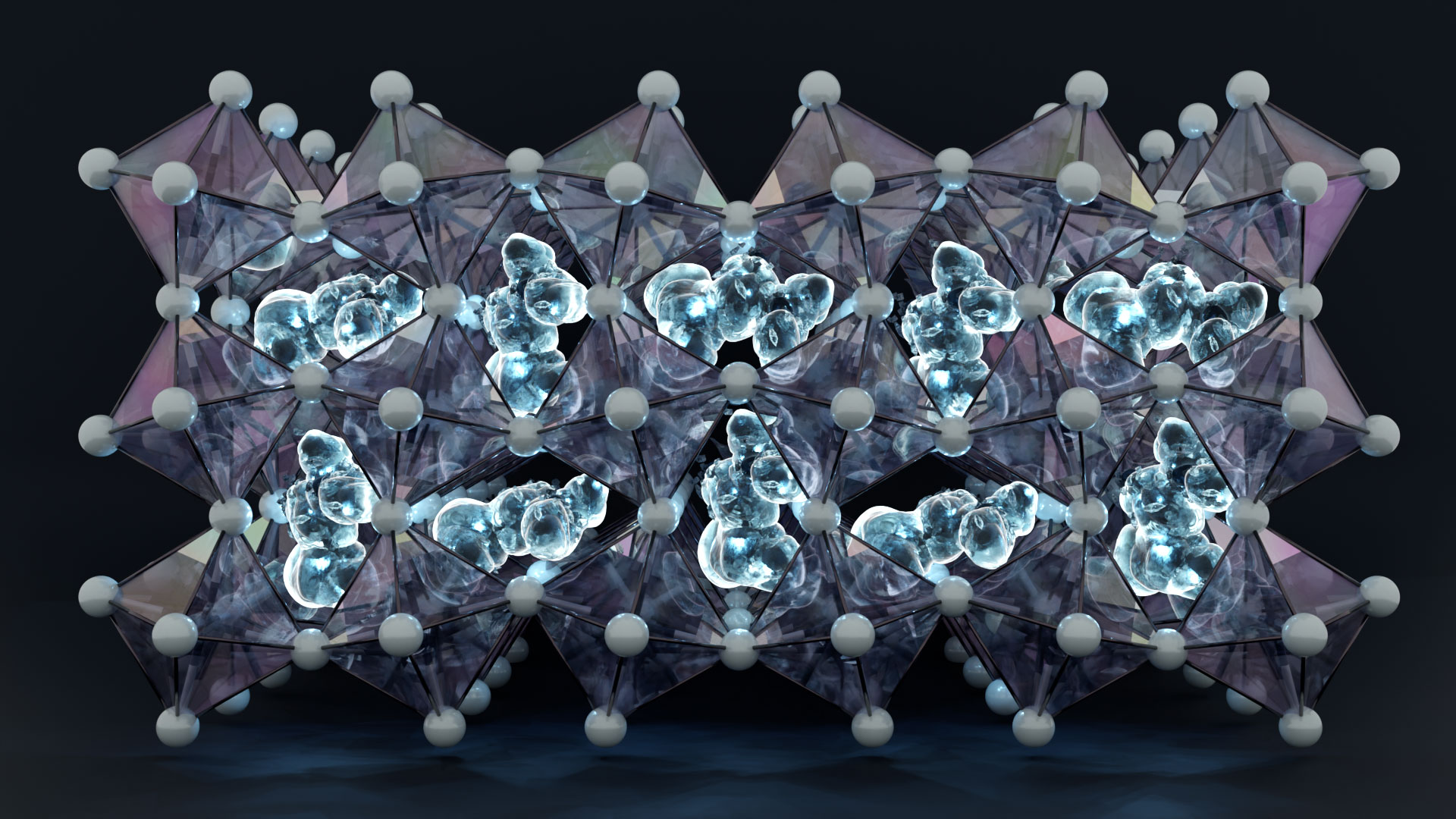
Researchers at Chalmers University in Sweden have used machine learning and computer simulations to better understand the structure of formamidinium lead iodide, a promising but unstable material for next-generation solar cells, potentially leading to more efficient and stable solar energy technologies.
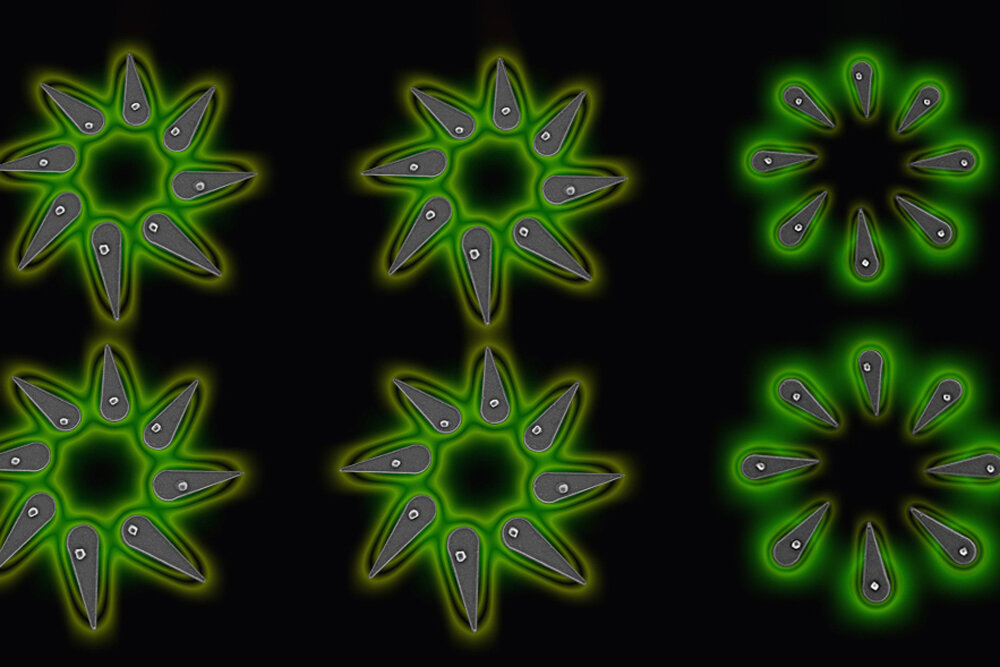
Researchers at MIT have developed a technique that allows for the precise growth of halide perovskite nanocrystals on-site, with control over their location and size. This technique overcomes the challenges of integrating these delicate materials into nanoscale devices using conventional fabrication techniques. The researchers demonstrated the effectiveness of their approach by fabricating arrays of nanoscale light-emitting diodes (nanoLEDs), which could have applications in optical communication, computing, quantum light sources, microscopy, and high-resolution displays. The technique is scalable, versatile, and compatible with conventional fabrication steps, opening up possibilities for the integration of nanocrystals into functional nanoscale devices.