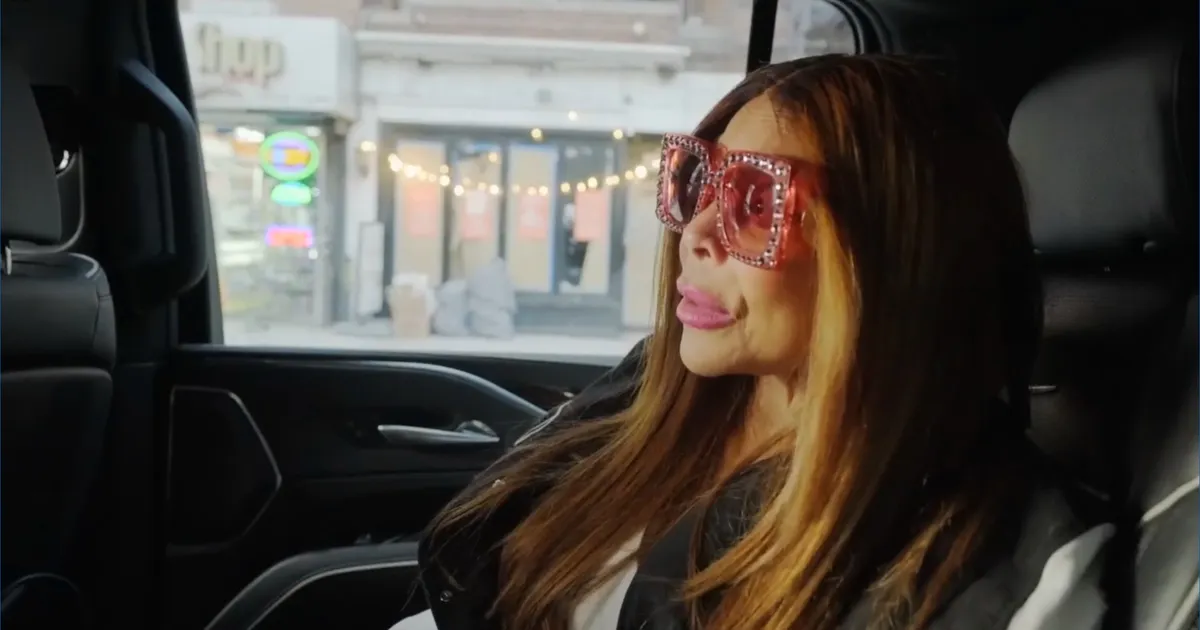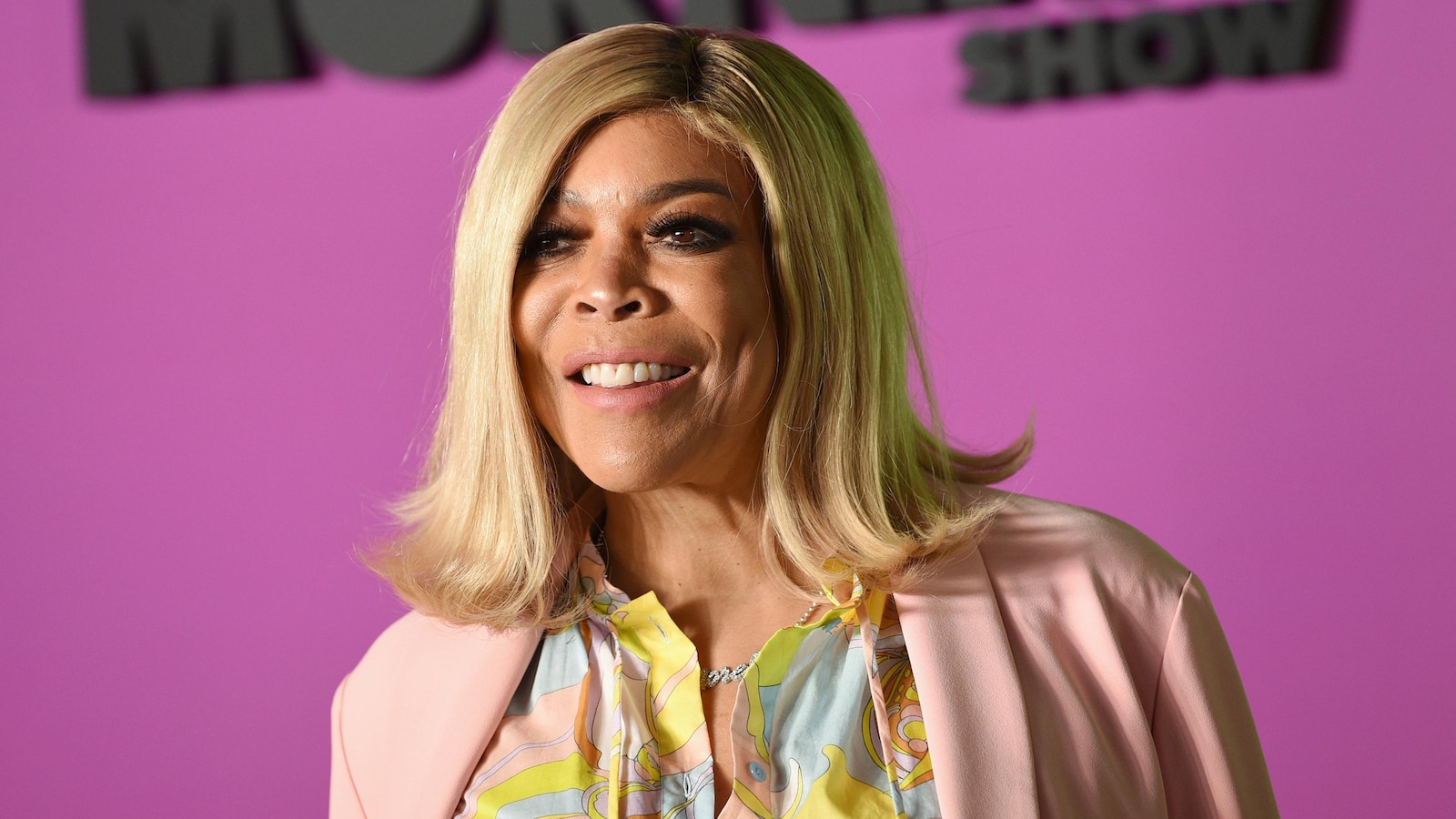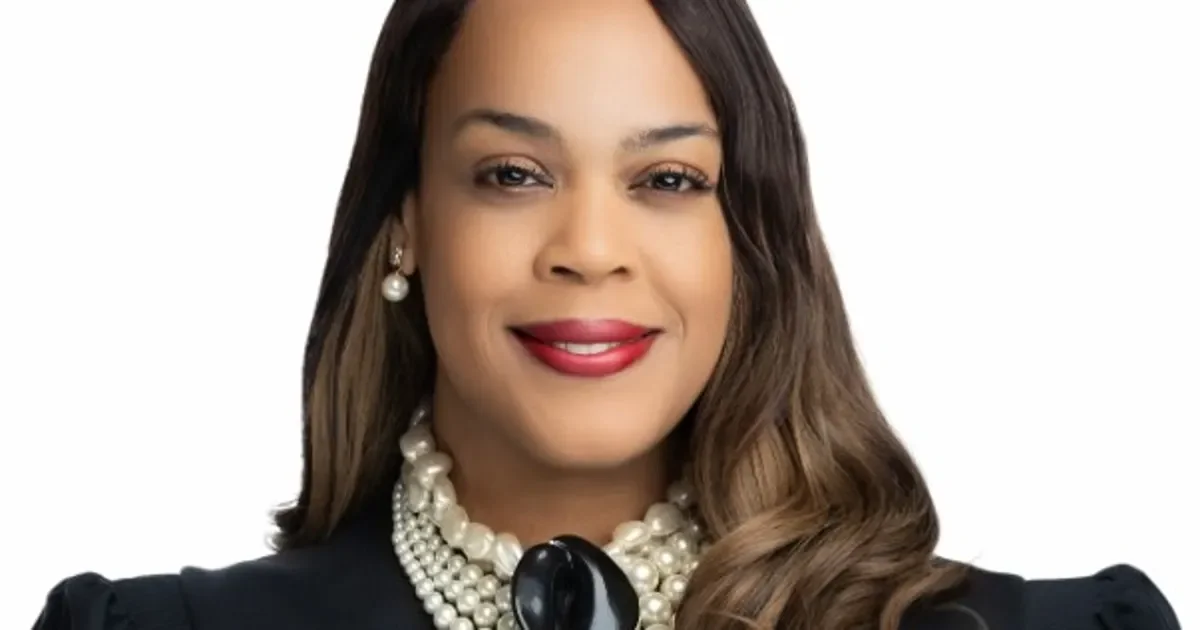
Wendy Williams' medical tests confirmed she has frontotemporal dementia and aphasia, complicating her guardianship case amid legal challenges and public scrutiny following recent incidents and her ongoing health assessments.
Wendy Williams has been declared "cognitively impaired and permanently incapacitated" due to early-onset dementia, according to her guardian's legal filing. Diagnosed with primary progressive aphasia and frontotemporal dementia, Williams' condition has led to a legal battle involving her guardian, Sabrina Morrissey, against A&E Television Networks and others over a docuseries about Williams. The lawsuit claims the series exploited Williams' vulnerability for financial gain. Williams, who retired from public life in 2022, requires significant medical care and financial guardianship.
Wendy Williams, the former talk-show host, is reportedly 'permanently incapacitated' due to early-onset dementia and aphasia, according to her guardian's attorneys. Legal action is being pursued against A&E and Lifetime over a docuseries about Williams, which her guardian claims exploited her condition for financial gain. Despite attempts to block its release, a judge ruled in favor of the networks, citing First Amendment rights. Williams' guardian is seeking profits from the documentary to support her medical care.
Wendy Williams's guardian, Sabrina Morrissey, has informed a judge that the former talk-show host is "permanently incapacitated" due to early-onset dementia, contradicting Williams's recent public statements about her health. Morrissey is suing A&E Networks, claiming they exploited Williams's condition for their documentary series "Where Is Wendy Williams?" while paying her only $82,000. Morrissey seeks to have sensitive information about Williams's health and finances sealed to protect her privacy.
Wendy Williams' legal guardian has revealed that the former talk show host is "permanently incapacitated" due to early-onset dementia, according to court documents. This update comes amid ongoing legal battles involving Williams' guardian, Sabrina Morrissey, who is seeking to protect Williams' privacy and financial affairs. Morrissey has also been involved in legal disputes with Lifetime over a documentary about Williams. Williams' healthcare team previously disclosed her diagnosis of primary progressive aphasia and frontotemporal dementia.
The producers of the Where Is Wendy Williams? documentary faced a challenging decision on when to stop filming as they uncovered a deeper story of the TV host's struggles with addiction and health issues. The documentary revealed that Wendy Williams has been diagnosed with primary progressive aphasia and frontotemporal dementia. The producers hope the film raises important questions about guardianship and care for individuals in similar situations, and they express their wishes for Williams to receive the care she needs.
Producers of the Wendy Williams documentary "Where is Wendy Williams?" speak about the challenges of portraying her life in an honest and sensitive way, unaware of her dementia diagnosis. The documentary has received polarizing opinions but aims to raise awareness about guardianships. Wendy was involved in the production and the decision to show her vulnerable state, and the documentary sheds light on her struggles with alcohol, health, and the care she received under a court-appointed guardian.
Producers of the Wendy Williams documentary "Where is Wendy Williams?" reveal that they were unaware of her dementia diagnosis while filming, expressing concern for her safety due to her unsteady and belligerent behavior. The series, criticized for its portrayal of Williams' cognitive decline, shows her struggles with alcoholism and emotional instability. The filmmakers hope the documentary sheds light on the challenges of guardianships and prompts discussions about the treatment of individuals under such arrangements.
Producers of the Wendy Williams docuseries defend their decision to film, emphasizing their responsibility to show the truth despite the painful nature of the subject matter. The series captures a difficult period in Williams' life, addressing issues of alcohol and substance abuse as well as her family's concerns about cognitive issues. Williams' guardian attempted to block the documentary's release, but a judge dismissed the request, citing the First Amendment. The filmmakers have been unable to screen the film for Williams, who is receiving treatment under a court-appointed legal guardian, and have faced challenges in communicating with her and her family.
Producers of the Wendy Williams docuseries "Where is Wendy Williams?" revealed that they were unaware of her dementia diagnosis while filming, expressing concern for her safety and ultimately deciding to stop filming after learning about her condition. The series, which aired despite legal challenges, has been criticized for its portrayal of Williams' cognitive decline and emotional well-being. The filmmakers hope the documentary sheds light on the challenges of guardianships and raises awareness about the difficulties and secrecies involved.
The executive producers of the Wendy Williams documentary, "Where Is Wendy Williams?", explain that the project was intended to continue the story from a previous documentary and capture Williams's life after leaving her talk show. They emphasize that they were following Williams's lead and had her best interests at heart, despite the ethical questions raised by the unrelenting gaze of the documentary. The producers also discuss the family's involvement, the impact of Williams's diagnosis, and the complexities of filming under her legal guardianship.
Producers of the Wendy Williams documentary "Where is Wendy Williams?" reveal they were unaware of her dementia diagnosis while filming, expressing concern for her safety and ultimately stopping filming after learning about her condition. The series, criticized for its portrayal of Williams' cognitive decline and emotional well-being, shows her struggling with unsteadiness, alcoholism, and emotional fluctuations. The filmmakers hope the documentary sheds light on the challenges of guardianships and the need for transparency in such arrangements.
Producers of the documentary "Where is Wendy Williams?" reveal that they were unaware of Wendy Williams' dementia diagnosis while filming, expressing concern for her well-being and the appropriateness of continuing to film. The documentary, which aired on Lifetime, sheds light on Williams' struggles with alcohol, family, and her health, while also raising questions about her court-ordered guardianship. The producers discuss the challenges of filming in sensitive situations and the family's frustration with the guardianship process, emphasizing the importance of sharing Williams' story and advocating for better care for individuals under guardianship.
The second part of the documentary "Where is Wendy Williams?" reveals the TV host's struggles with alcoholism and health issues, despite her desire to return to television. The film shows her family's concerns about her well-being and the failures of the guardianship system. Despite her family's efforts to help her, Williams continues to face challenges with alcohol and health, leading to her living in a medical facility. The documentary sheds light on the complexities of her situation and the impact on her family.
Wendy Williams' former financial adviser and attorney, LaShawn Thomas, has expressed concerns about the talk show host's health, alleging a decline since she was placed in a guardianship. Thomas questioned the authenticity of Williams' recent dementia and aphasia diagnoses and raised issues about her son's limited access to her. Wells Fargo, the bank that requested the guardianship, claimed Williams was an "incapacitated person" and needed help managing her finances. Williams' family members have expressed frustration over their inability to communicate with her amid her health struggles.