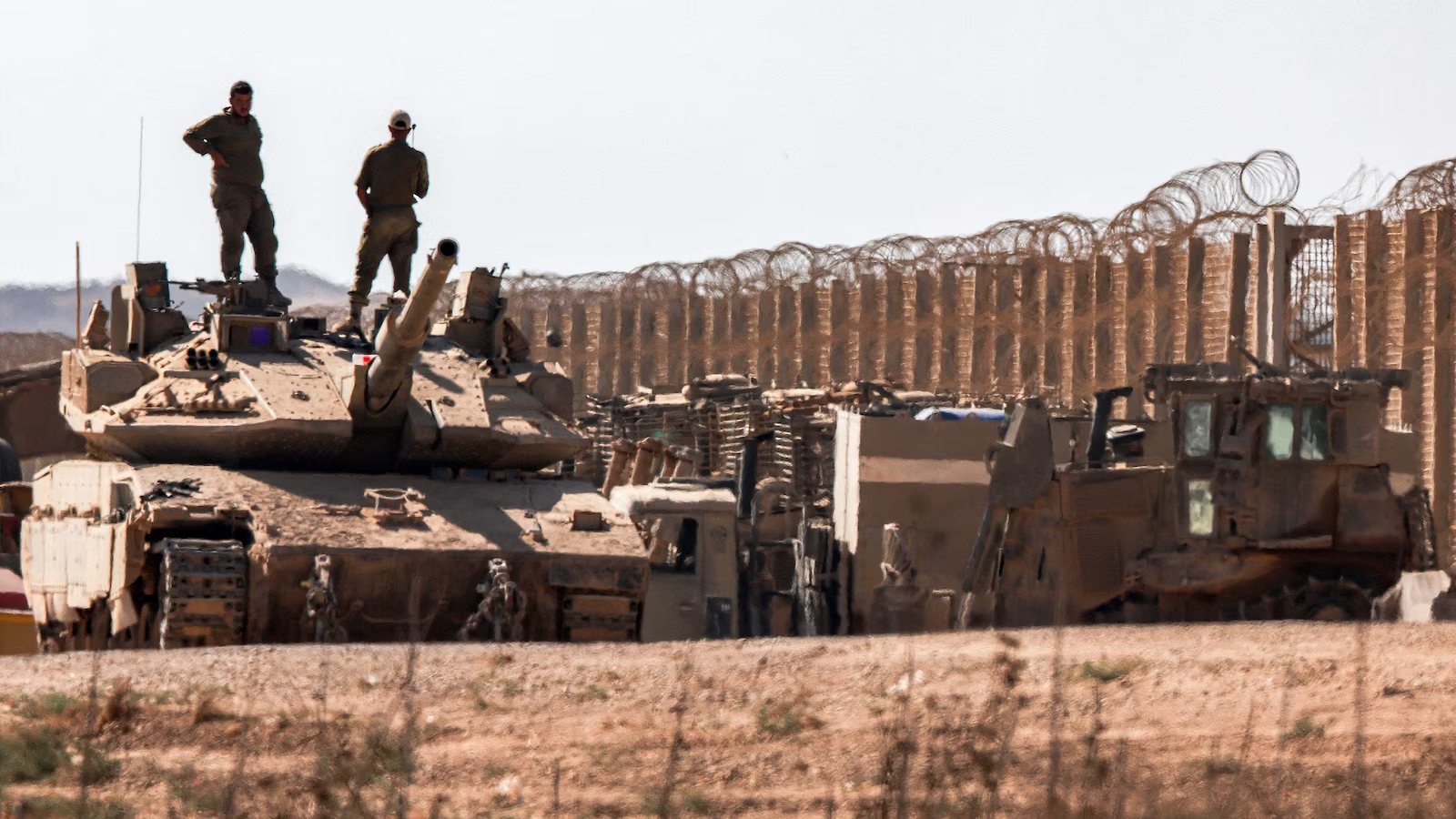
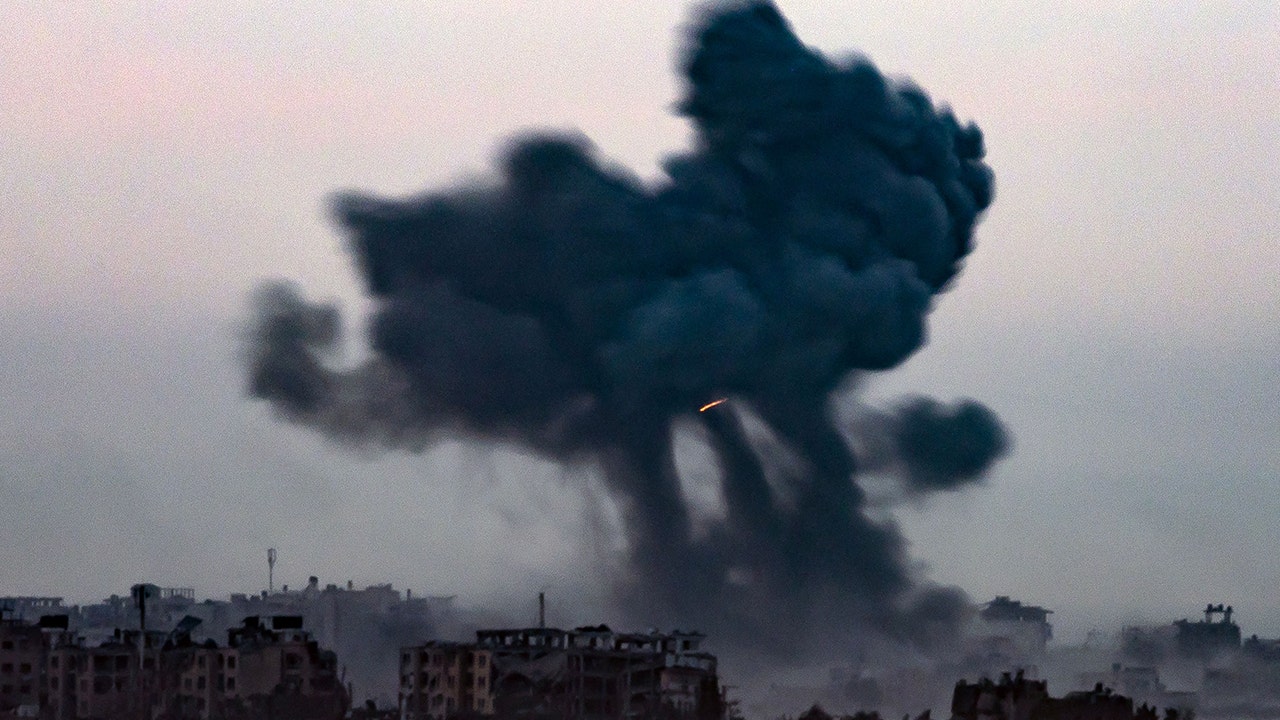
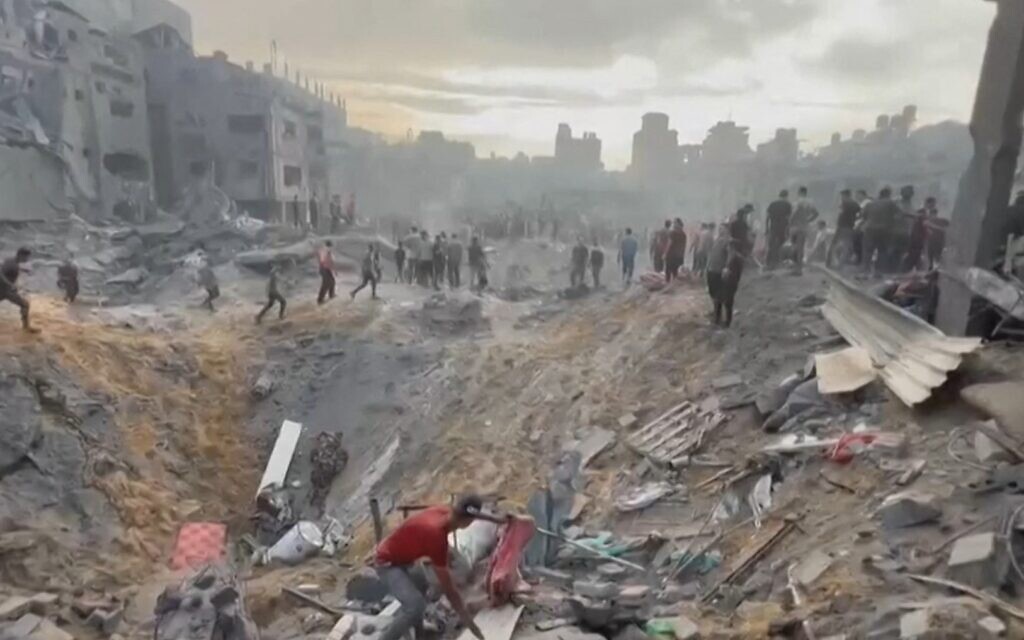
Israel has initiated a ground invasion in Gaza City, with the IDF increasing strikes and calling up reservists, as part of a broader military operation approved last month, with Prime Minister Netanyahu expressing support for the troops.
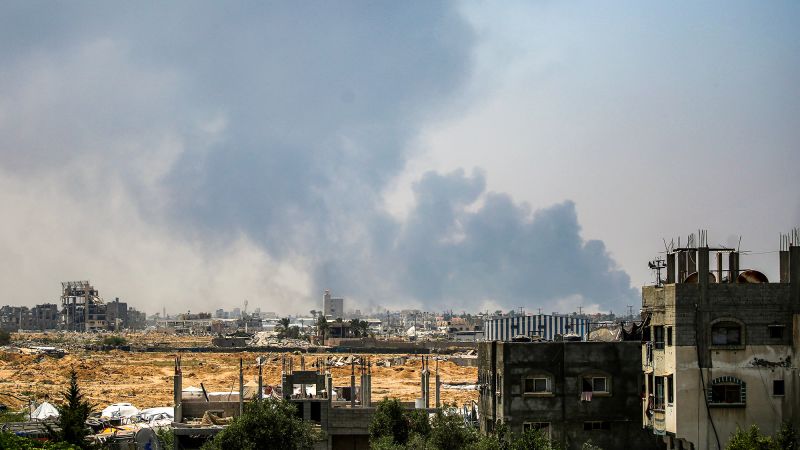
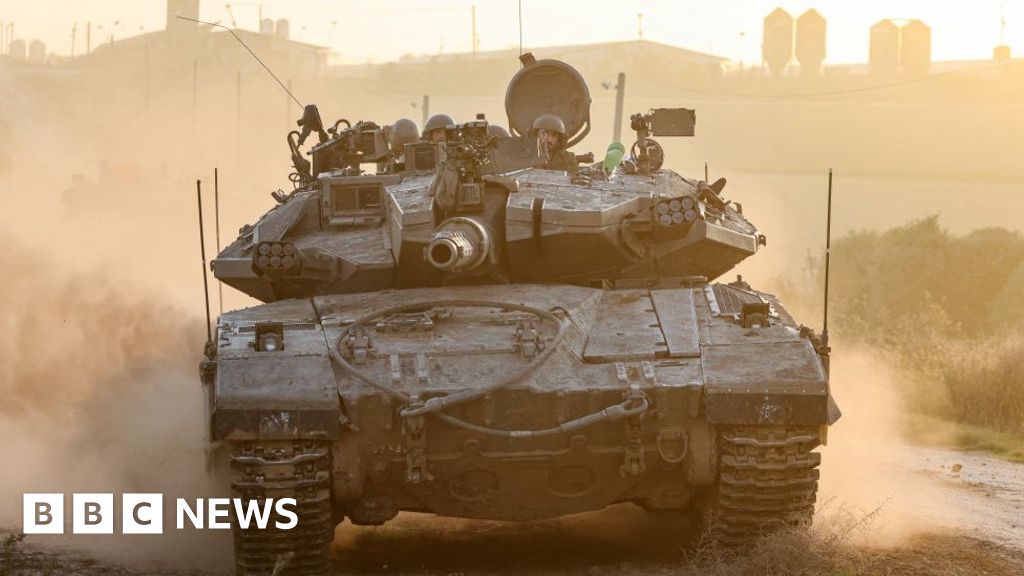
Israeli tanks have entered the Gazan city of Deir al-Balah for the first time in 21 months, initiating ground operations amid ongoing conflict, evacuations, and a worsening humanitarian crisis, with international agencies warning of severe impacts on civilians and infrastructure.
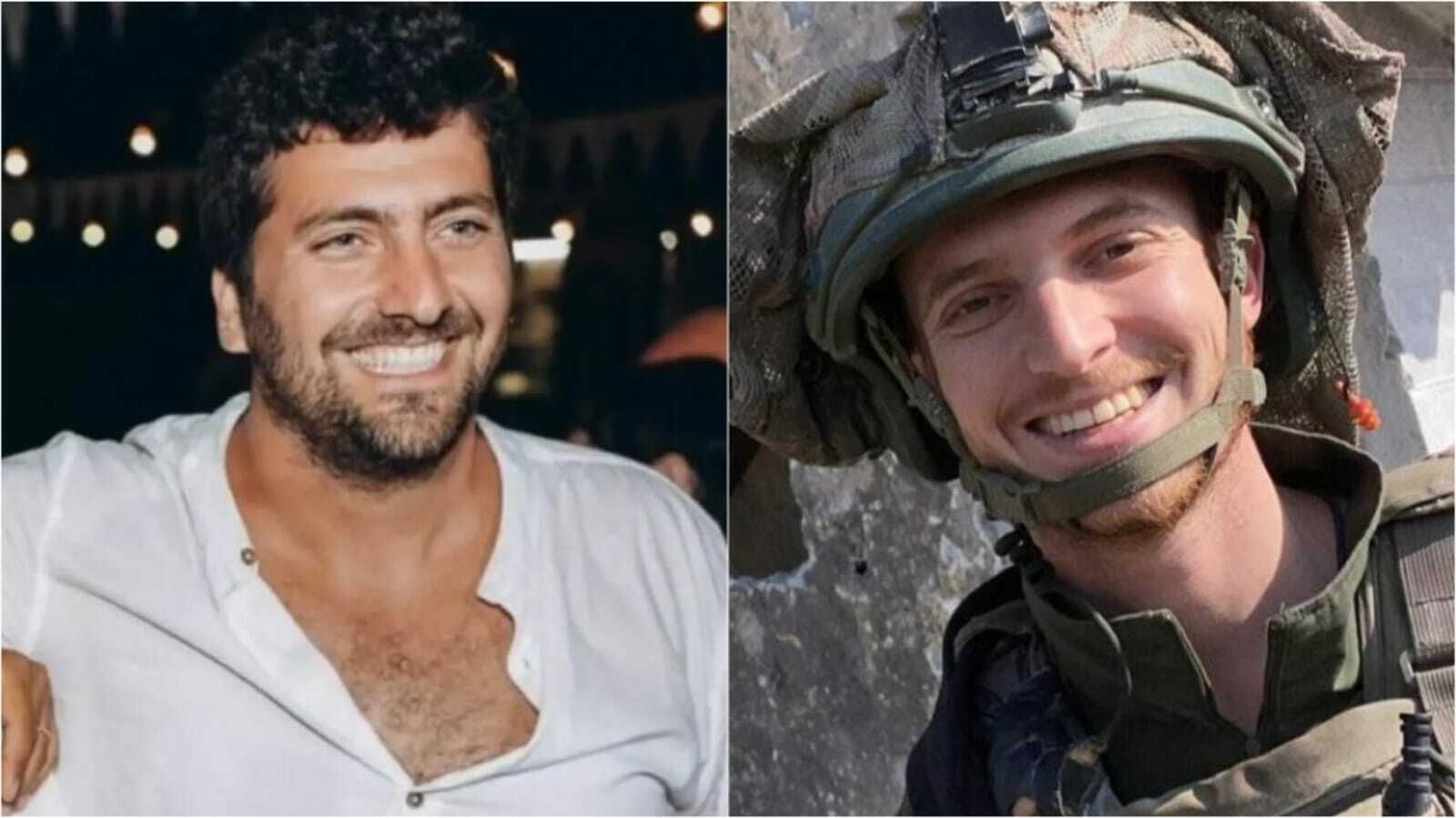
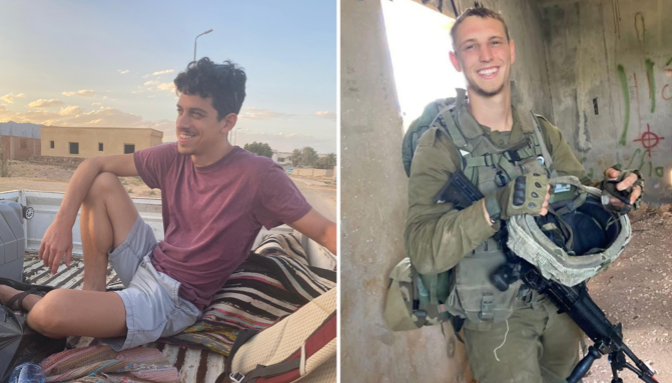
Two Israeli soldiers, Master sergeant (res.) Daniel Yacov Ben Harosh and Captain (res.) Rotem Yoseff Levy, were killed in combat in northern Gaza, bringing the death toll for Israeli military in the ground operation to 131.
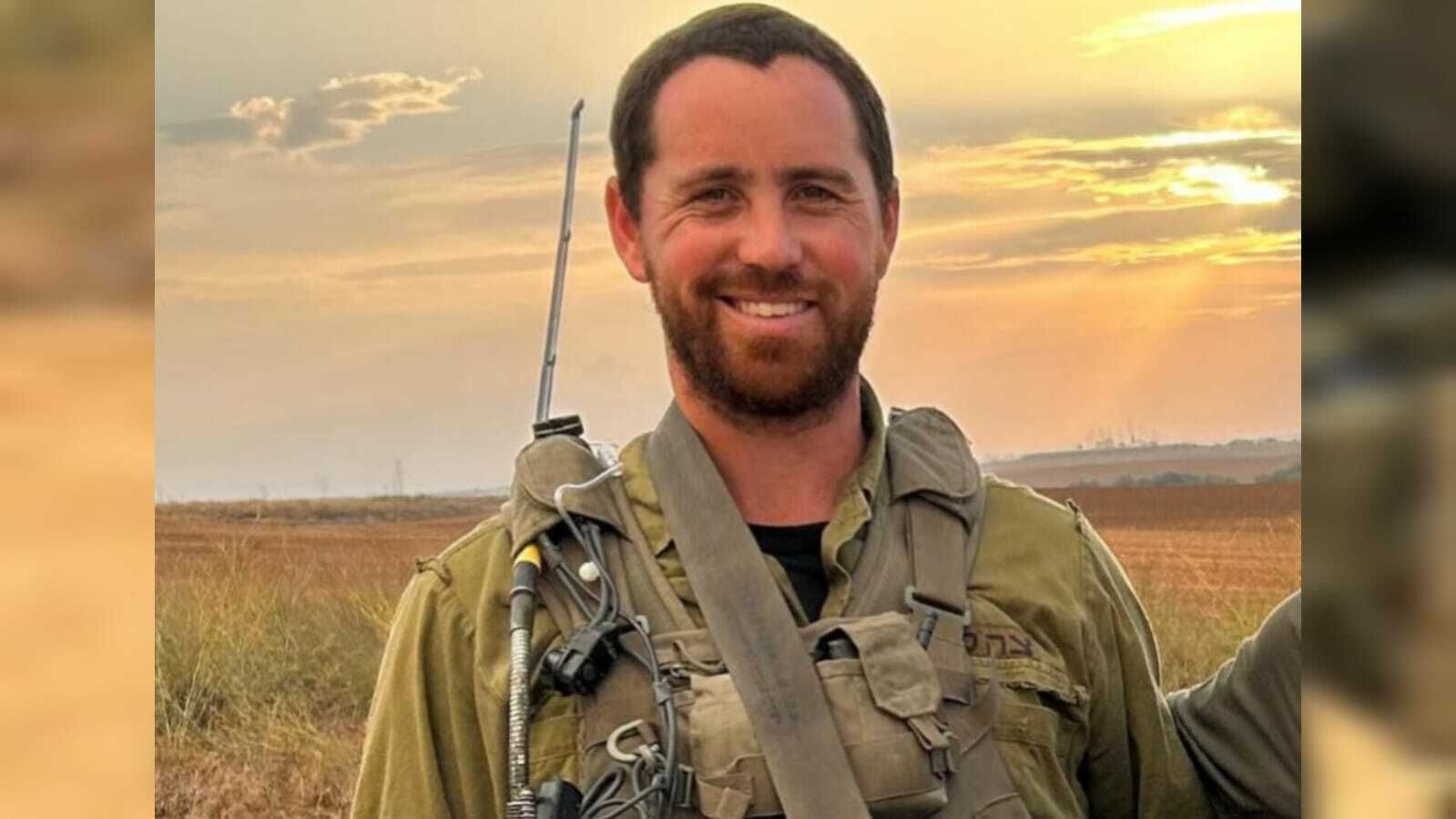
The Israel Defense Forces (IDF) announced the death of a soldier, raising the toll of the Gaza ground operation to 105. Master sergeant (res.) Tzvika Lavi, 30, was mortally wounded on November 20 while fighting in the northern Gaza Strip. In addition, two reservists were seriously wounded in the southern Strip. This comes after a costly battle in which three officers and two fighters were killed. The IDF also disclosed the death of a sixth soldier in Gaza and another soldier killed in a military-related traffic collision in southern Israel.
The Israeli Defense Forces (IDF) have stated that they will be in "war mode" against Hamas throughout 2024, with limited raids and a slow and cautious advance in Gaza. The IDF aims to completely dismantle Hamas' capabilities, but acknowledges that more time is needed. The military is amazed at the scale of Hamas' strength in the region, with a de facto terror army equipped with various weapons. The IDF's ground offensive has exposed thousands of underground facilities and terror tunnels, impacting significant portions of Hamas' military wing. However, there are still areas in Gaza that have not been reached, and the conflict is expected to continue in various forms for at least another year.
Israeli ground forces have launched a ground operation in southern Gaza, following three days of heavy bombardment. The Israeli Defense Forces (IDF) confirmed that they are expanding the ground incursion across all of Gaza, engaging in face-to-face battles with terrorists. The IDF has issued evacuation orders for several districts of Khan Younis, where Hamas leaders are believed to be hiding. The UN has described a "degree of panic" in a Gaza hospital, and the Hamas-run health ministry reports that over 500 people have been killed since the bombing resumed. The situation in Gaza is described as "beyond catastrophic," with hundreds of thousands of people displaced and lacking basic resources.
The IDF is preparing for a ground operation to capture the major Hamas strongholds of Jabaliya and Shijaiyah in Gaza. Anticipating stiff resistance, the army is focusing on these areas where Hamas has concentrated its strongest forces. The operation aims to secure the border and target key Hamas commanders. The presence of fleeing Hamas terrorists and the remaining civilian population in these areas pose additional challenges for the IDF.
The Israel Defense Forces (IDF) announced the deaths of Captain Roey Biber and Sergeant Binyamin Meir Airley, bringing the total number of fallen Israeli soldiers to 65 since the start of the ground operation in Gaza. Captain Biber, 28, was a team commander in the Combat Engineering Corps, while Sergeant Airley, 21, was a fighter in the Parachute Brigade. Over the weekend, the IDF also announced the deaths of six other soldiers.
Israeli ground forces are engaged in a major battle with Hamas fighters deep inside Gaza City, marking a significant escalation in the month-long conflict. Israeli Prime Minister Benjamin Netanyahu has indicated that Israel aims to control Gaza's security after the war, while Hamas denies any significant military gains by Israeli forces. The death toll continues to rise, with over 10,300 Palestinians killed, two-thirds of them women and minors. The majority of Gaza's population has been displaced, relying on limited aid and facing food and water shortages. Israel has not outlined a clear plan for the post-war situation, but has expressed the goal of removing Hamas from power and demilitarizing Gaza.
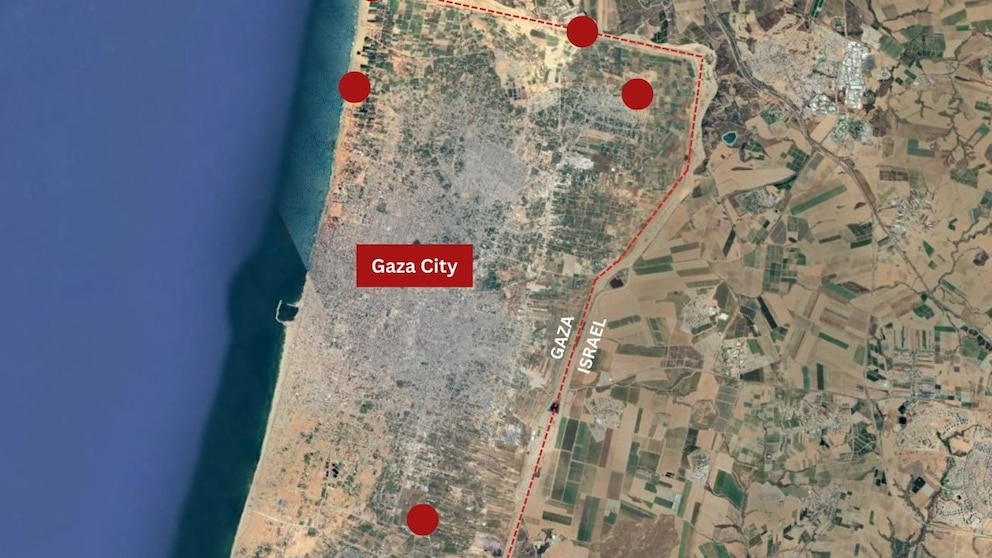
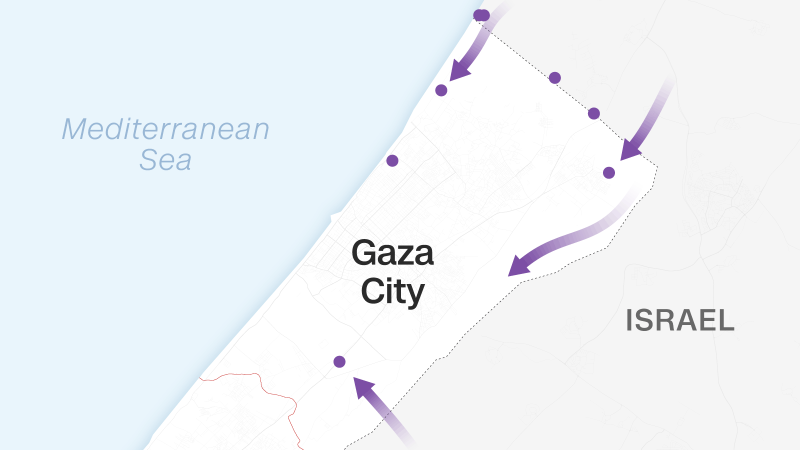
Israel has launched a ground operation in Gaza as part of its ongoing conflict with Hamas. The operation is slow and methodical, with Israeli forces advancing towards Gaza City from two directions. The objective of the campaign is unclear, with some Israeli leaders aiming to bring down Hamas while others focus on destroying its military capabilities. The presence of Israeli hostages in Gaza complicates the situation, as negotiations for their release are ongoing. The timing of the operation is also influenced by diplomatic pressures and international calls for a ceasefire. The regional dimension of the conflict is crucial, with Iran and its proxy militias potentially becoming involved in support of Hamas.
Israel is conducting an "expanded ground operation" in Gaza, aiming to achieve various goals including rescuing hostages held by Hamas and destroying the organization. Videos analyzed by ABC News' Visual Verification team reveal the scale and scope of the operation, with Israeli military making progress from multiple directions. The videos show soldiers, armored vehicles, and tanks advancing several miles into Gaza. Satellite imagery confirms the movement of Israeli military vehicles towards Gaza City. Footage released by Hamas shows militants shooting at IDF soldiers near the Erez border checkpoint, resulting in casualties. The IDF also released a video of soldiers entering the city of Beit Hanoun in the far northeast of Gaza.
The Israeli military reported additional casualties inside the Gaza Strip as the Israel-Hamas war enters its 26th day. Israeli forces entered the second stage of their war with Hamas in what is expected to be a lengthy military operation. Until this week, Israel had largely relied on airstrikes and artillery to retaliate against Hamas' massacre in Israel on Oct. 7. More than 9,900 people have been killed in the war on both sides since the Oct. 7 Hamas terror attack.
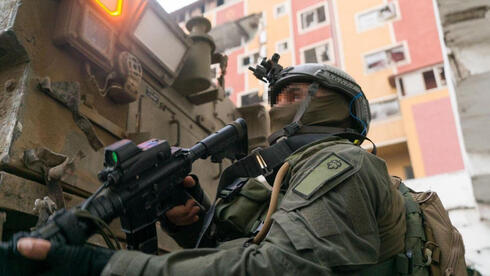
The Israeli army has initiated a ground operation in Gaza, deploying tanks, bulldozers, infantrymen, and combat engineer units. Israeli forces have entered Gaza from three main locations, slowly advancing towards Gaza City. Videos and photos show evidence of Israeli forces near the seashore in the northwest, soldiers waving a flag from a resort hotel in the south, and soldiers deeper into the Strip to the north of the Al Shati refugee camp. The footage reveals deserted buildings and no visible presence of civilians or Hamas militants, indicating that people had fled before the Israeli military arrived. The IDF appears to have expanded the ground operation, with an increasing number of military vehicles inside the perimeter. Additionally, video evidence suggests a possible third entry point in the south, near the Netzarim junction, which Israel may consider a strategic location for dividing Gaza.

The Israeli military reported ten additional casualties inside the Gaza Strip, bringing the total IDF casualties to at least 12, as ground operations against Hamas continue. Israeli forces have entered the second stage of the war, which is expected to be lengthy and difficult. The IDF has attacked thousands of targets in Gaza and is now focused on clearing out Hamas tunnels and strongholds. Israeli officials also confirmed the killing of a Hamas leader responsible for multiple attacks. Israeli leaders have vowed to destroy Hamas entirely and have rejected calls for a ceasefire. The death toll in the conflict has risen to nearly 10,000 people on both sides.
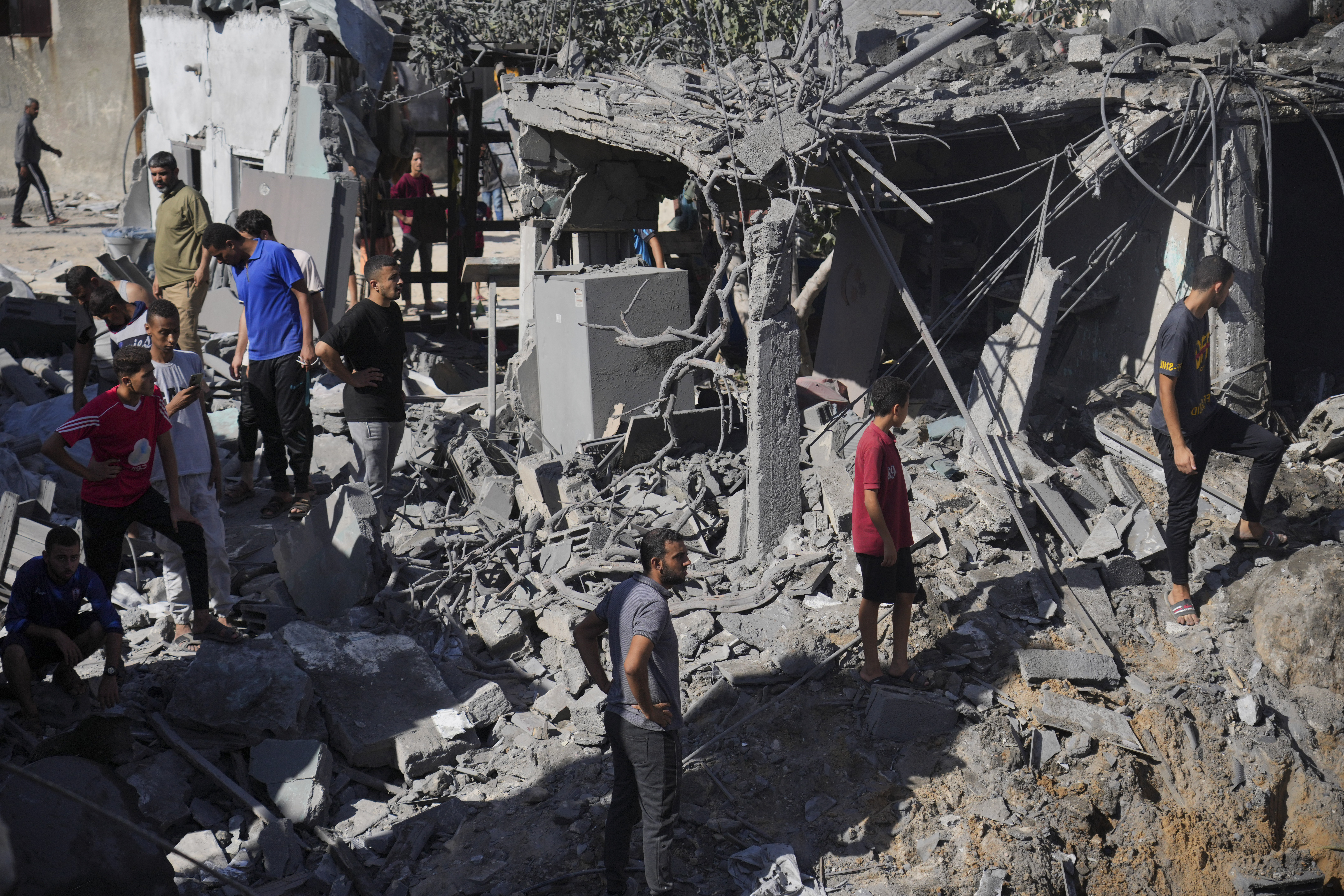
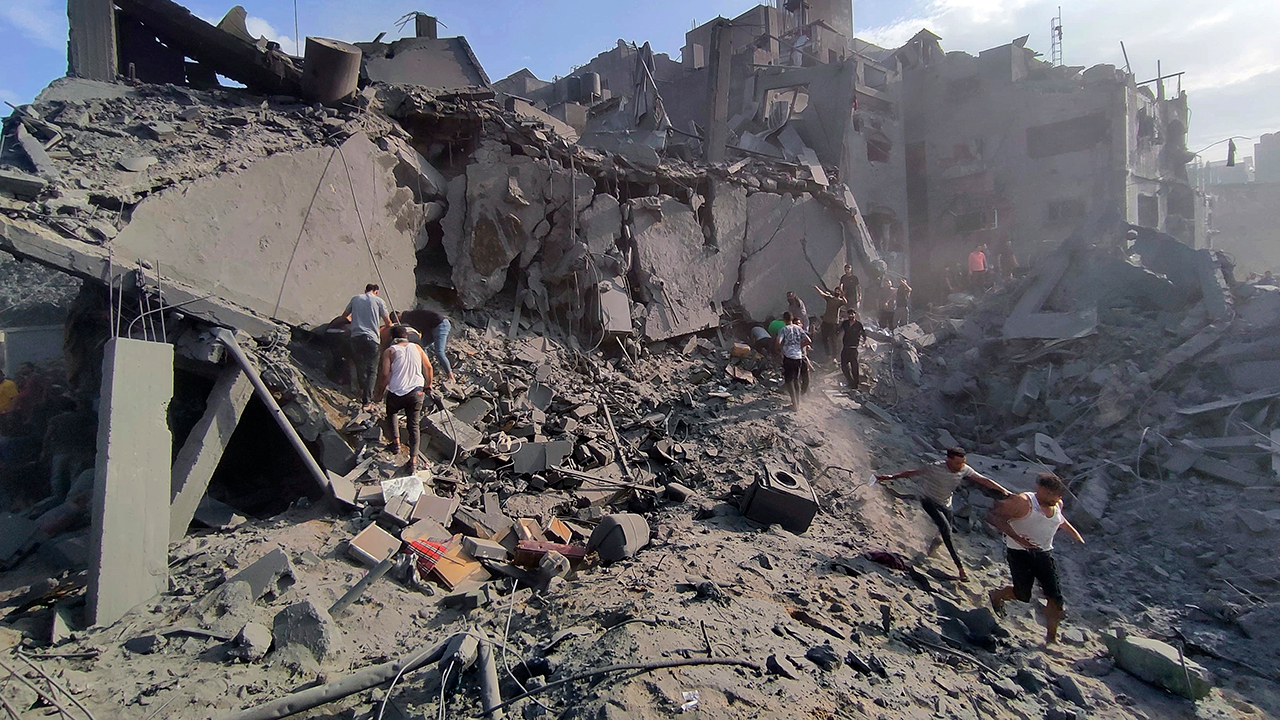
Two IDF soldiers were killed in northern Gaza during a major operation in Jabaliya, where a top Hamas commander and around 50 Hamas operatives were also killed. The IDF announced that ground operations resulted in the deaths of 50 terrorists. The Defense Minister acknowledged the heavy price being paid but emphasized the determination to continue and win. The IDF targeted a Hamas stronghold, killing the commander of Hamas's Central Jabaliya Battalion and causing underground terror tunnels to collapse. Hamas claimed that Israeli airstrikes leveled several apartment blocks, resulting in civilian casualties, but the IDF stated that many of those killed were Hamas operatives. The UN warned that Gaza is turning into a "graveyard" for youth, and several foreign ministries condemned the Israeli strike. The war erupted after Hamas's October 7 massacre, and Israel aims to destroy Hamas's infrastructure while minimizing civilian casualties.