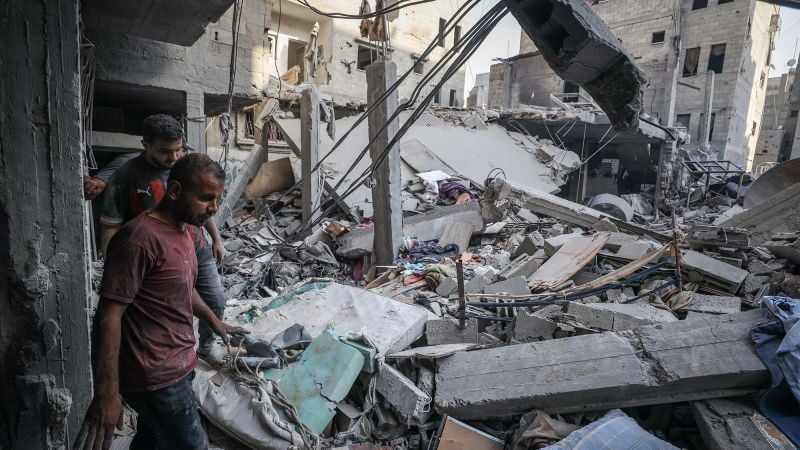
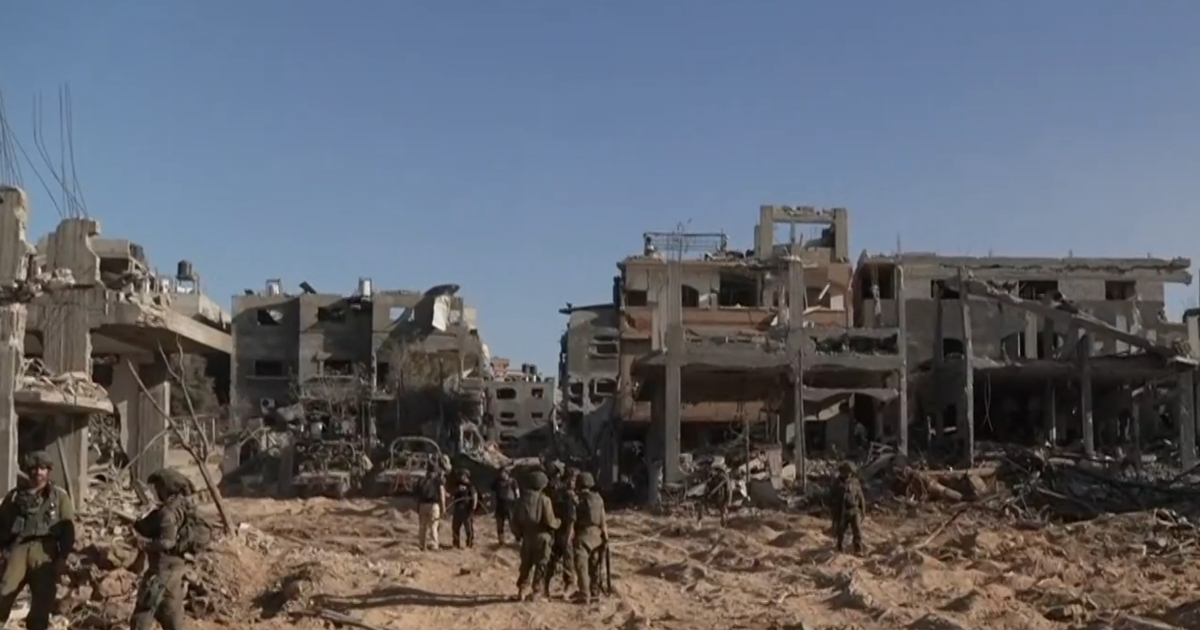
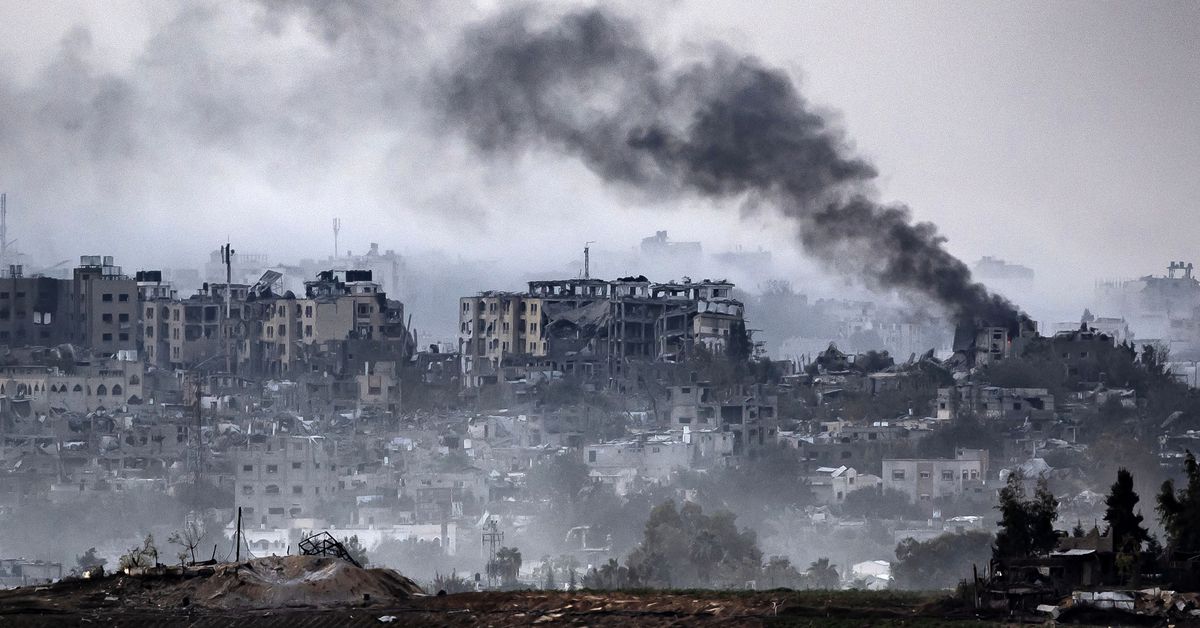
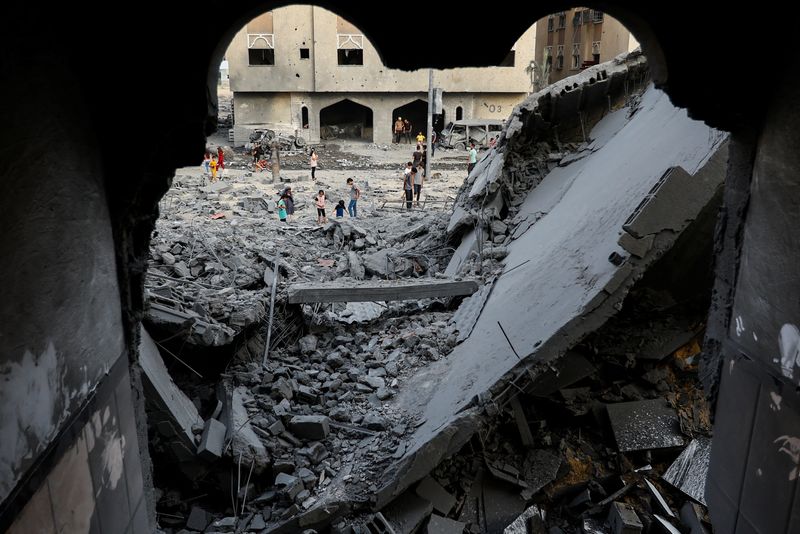
Israeli forces have advanced into Gaza City with heavy shelling and ground operations, leading to significant destruction, a humanitarian crisis, and international criticism, as residents and hospitals suffer from the ongoing conflict.
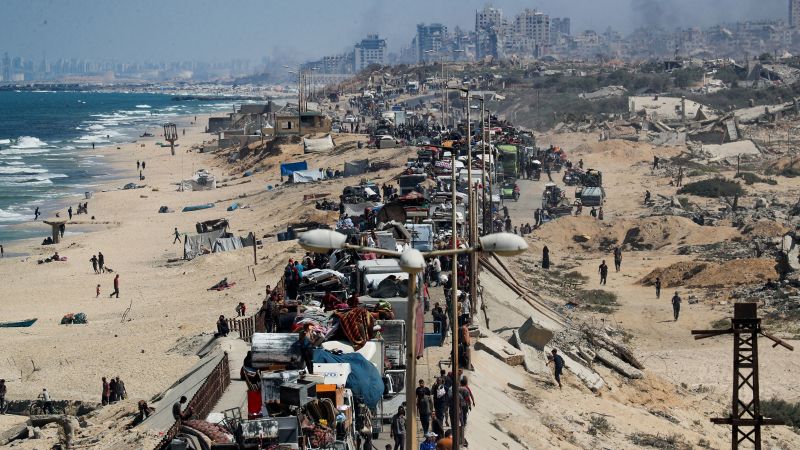
Israel launched an expanded ground assault on Gaza City amid international condemnation and escalating violence, leading to mass Palestinian displacement and a worsening humanitarian crisis, with calls from the UN and Palestinian authorities for global intervention.
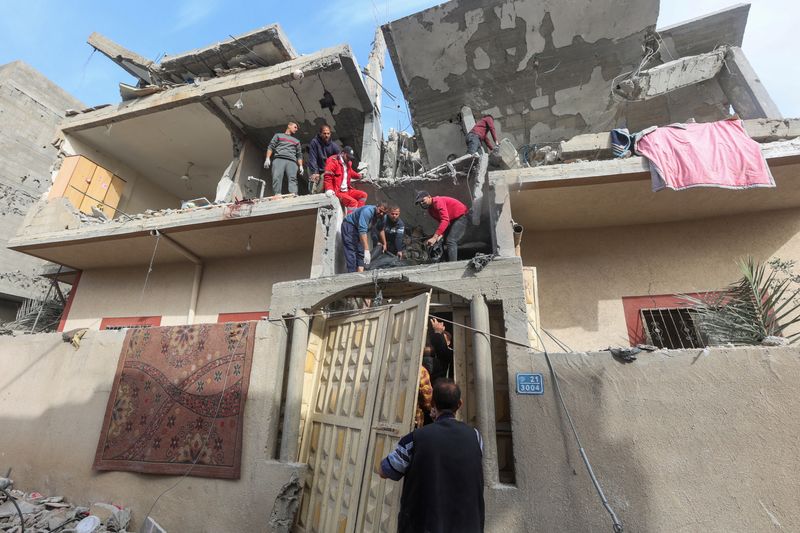
Israeli airstrikes on Rafah have raised fears of an impending ground assault, with at least 11 people killed in one family and more casualties reported in other strikes. The intensification of air strikes is seen as a disregard for a U.N. Security Council resolution demanding an immediate ceasefire. The U.S. abstention from the vote reflects frustration with Israeli Prime Minister Benjamin Netanyahu. The conflict has resulted in a high number of casualties and displaced persons, with international mediation failing to secure a ceasefire and exchange of prisoners as irreconcilable demands persist.
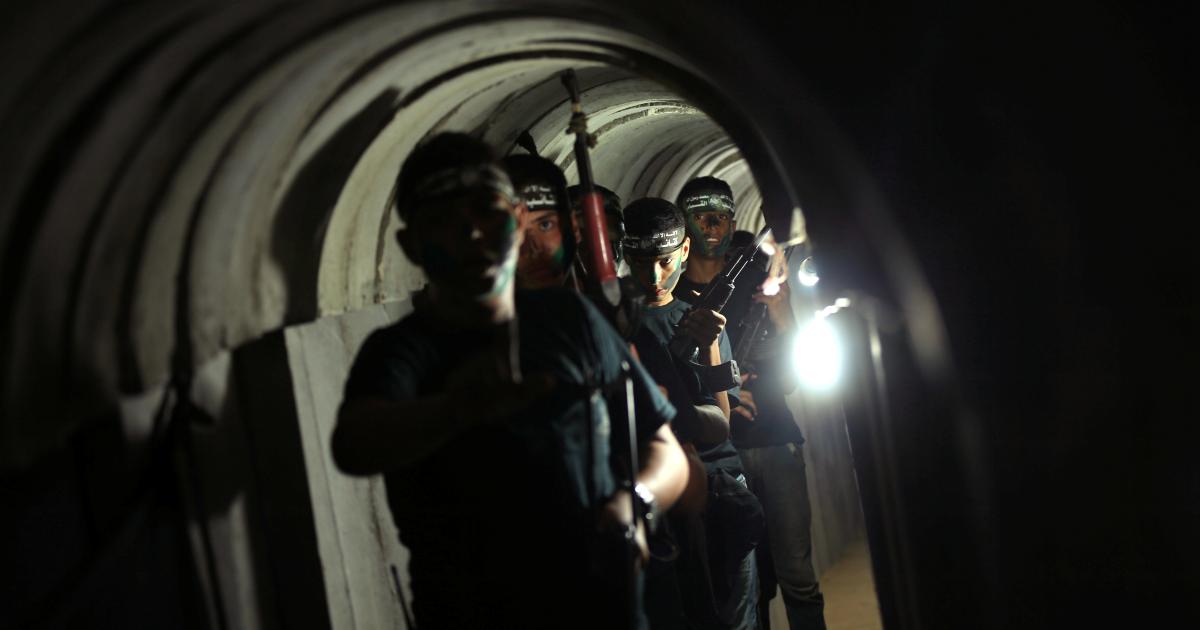
Israel's ground assault in the Gaza Strip aims to eliminate Hamas's subterranean military capabilities, particularly its extensive tunnel network. While Israel's military superiority and support from the United States provide advantages, the challenge lies in minimizing harm to innocent civilians and Israeli hostages while neutralizing Hamas's underground infrastructure. The destruction of the tunnels is crucial for Israel's long-term security, and it should primarily be accomplished through aerial and surface attacks using advanced weaponry. However, the complex urban and subterranean warfare terrain poses significant risks and operational difficulties, making casualties among civilians and Israeli forces inevitable.
Israel Defense Forces conducted a ground assault in Gaza, with the paratroopers of the 501st Airborne Brigade among the first forces to invade after a surprise attack by Hamas militants. The city of Beit Hanoun, previously populated by over 60,000 people, was completely deserted due to heavy bombardment. Israeli troops are closing in on Gaza City, triggering a mass exodus of residents waving white flags. Thousands of people have made the hourslong walk from the north to the south of Gaza, seeking safety. The future remains uncertain for Gaza residents as they face the ongoing conflict.
Israel's ground assault on Gaza has faced challenges as it attempts to isolate and wear down Hamas in the northern third of the territory. The military claimed to have surrounded Gaza City, killed 10 Hamas commanders, and achieved "impressive successes," but the offensive has come at a humanitarian cost and reputational price. Israel's strategy has caused fuel shortages, forced the closure of Gaza's only cancer treatment facility, and resulted in civilian casualties. Hamas has demonstrated new military capabilities, launching rockets into Israel and using tunnels to carry out attacks. The conflict has strained international relations, with Israel facing criticism and pressure for a ceasefire.
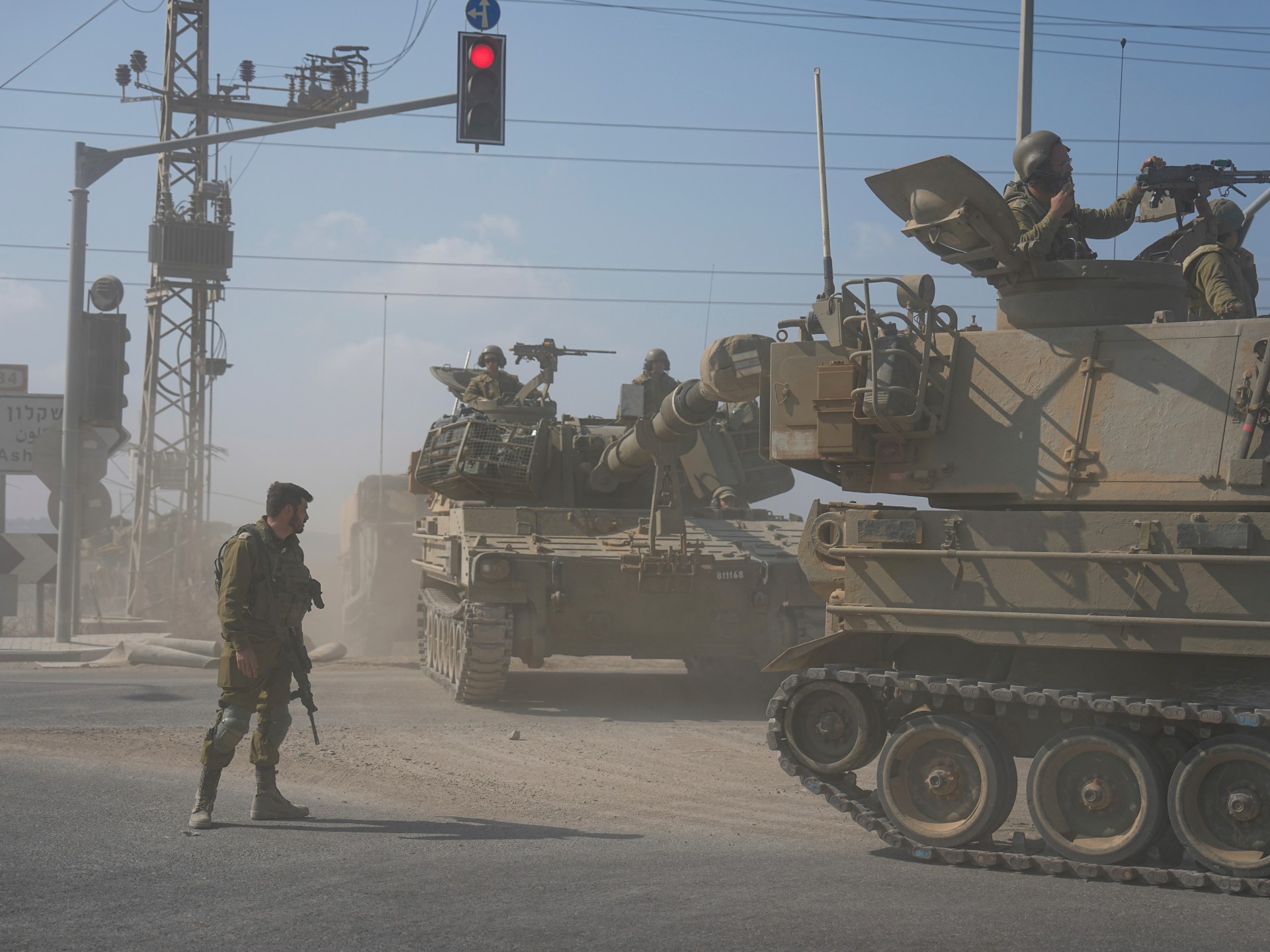
Hamas militants in Gaza fired anti-tank missiles at Israeli forces as they expanded their ground operations in the Palestinian enclave. Israeli troops targeted Gaza's main north-south road and attacked Gaza City from two directions. Prime Minister Benjamin Netanyahu dismissed calls for a ceasefire, stating that it would be surrendering to terrorism. The conflict has deepened the humanitarian crisis in Gaza, with thousands of casualties and a dire need for basic supplies. The UN has called for a pause in fighting to allow humanitarian aid to reach the enclave, but Israel has vowed to continue its offensive.
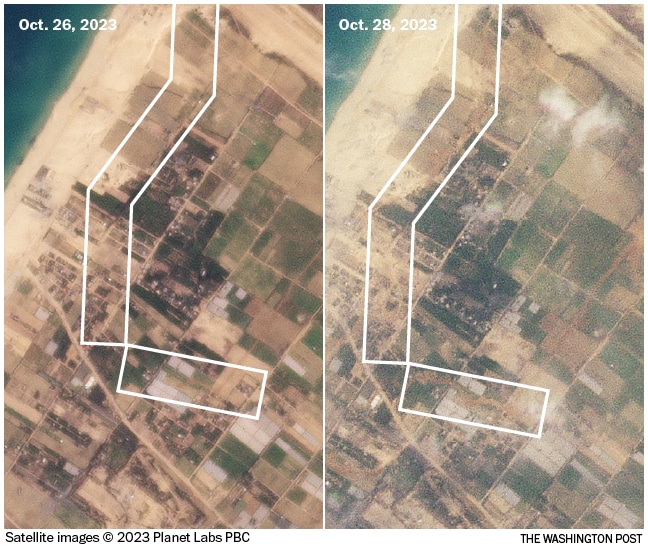
Israeli troops and tanks have launched a major ground assault into Gaza, described by Prime Minister Benjamin Netanyahu as the "second phase" of the war against Hamas. The incursion has been accompanied by a communications blackout in Gaza, but videos, photos, and satellite images have provided some insight into the operation. Visual evidence suggests Israeli troops have advanced into Gaza, including occupying a beach hotel and entering along the northern border. A video also shows an Israeli tank firing on a civilian car on a main highway, resulting in three fatalities.
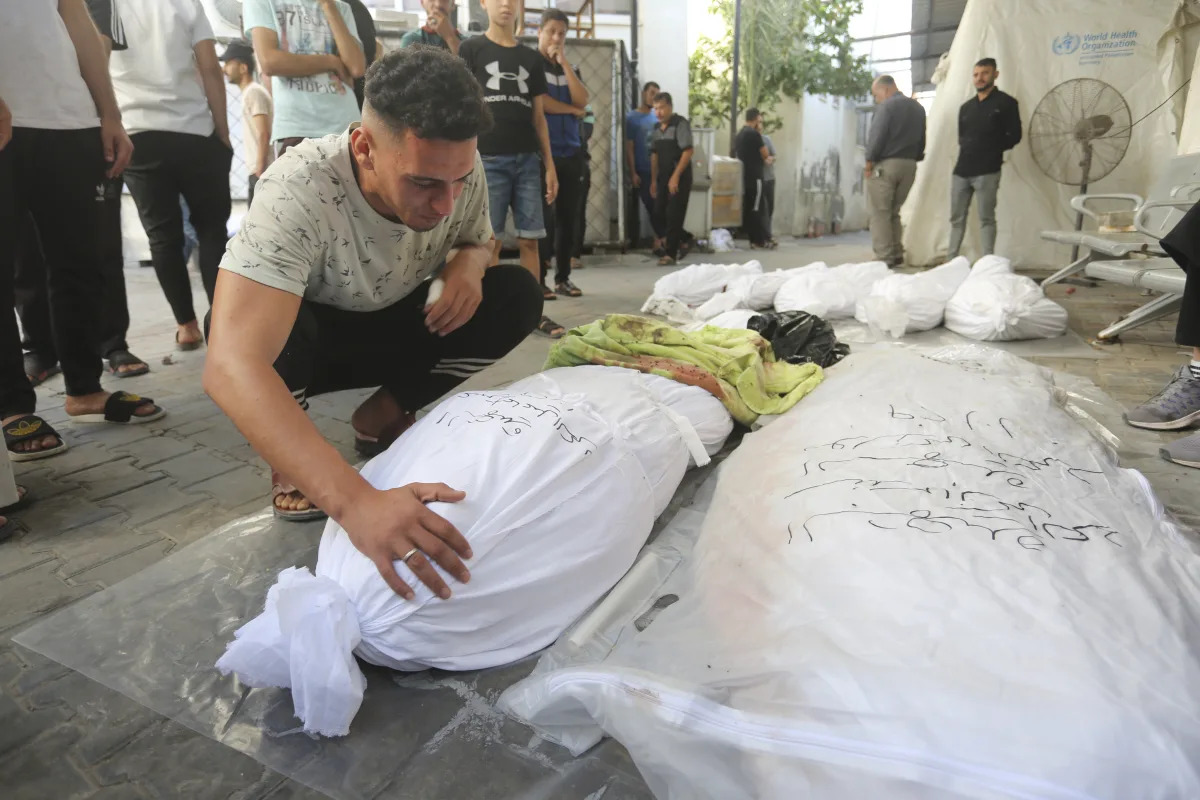
Israeli troops and tanks have advanced deeper into Gaza, surrounding the territory's main city, as concerns grow over airstrikes hitting hospitals where thousands of Palestinians have sought shelter. Video footage shows an Israeli tank firing at a car attempting to escape the expanding ground offensive, killing three people. The death toll among Palestinians has surpassed 8,300, mostly women and children, while over 1.4 million people have been displaced. Israeli forces are now on both sides of Gaza City, and casualties are expected to rise if the ground operation expands into densely populated residential areas. Hospitals in northern Gaza have received evacuation orders, but staff refuse to leave, fearing the death of patients on ventilators. The deteriorating humanitarian situation in Gaza is exacerbated by food, water, medicine, and fuel shortages.
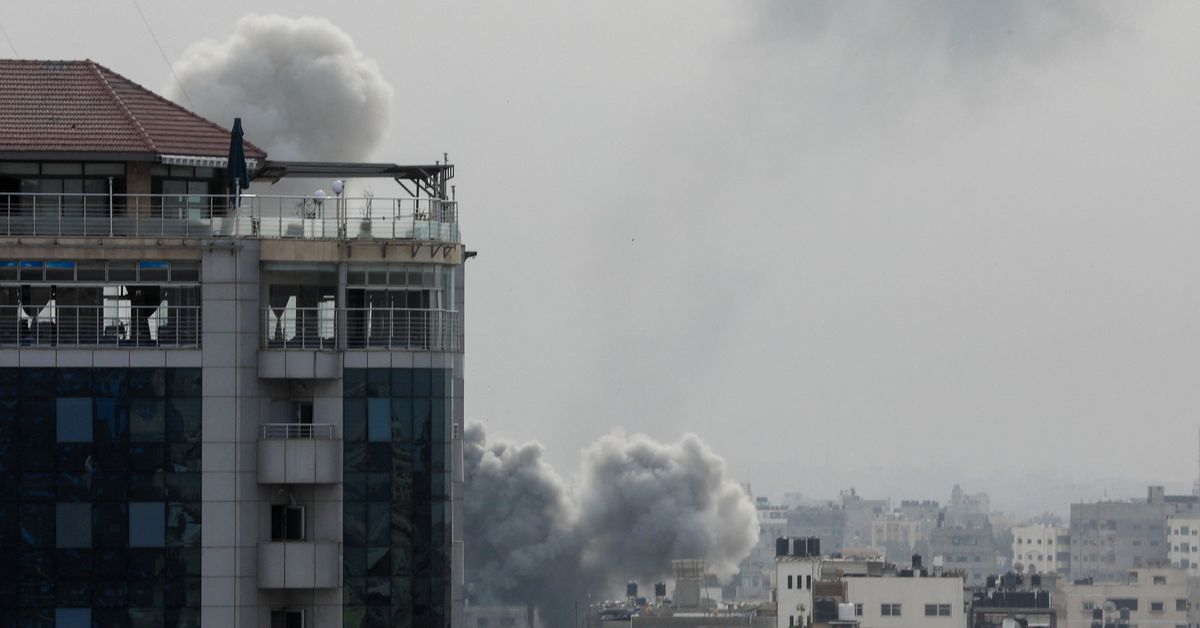
Israeli troops, backed by tanks, launched a ground assault into northern Gaza, resulting in fierce air and artillery strikes. Israeli forces targeted areas near hospitals, leading to concerns about the safety of civilians. The conflict has prompted international calls for a humanitarian pause to allow aid into the besieged Gaza Strip. Qatar-mediated negotiations between Israel and Hamas continue, with discussions including the possible release of hostages. The United Nations Security Council is set to be briefed on the humanitarian situation in Gaza, and the U.S. President has urged Israel to protect civilians and increase the flow of humanitarian aid. The conflict has resulted in thousands of casualties, including medics and journalists.
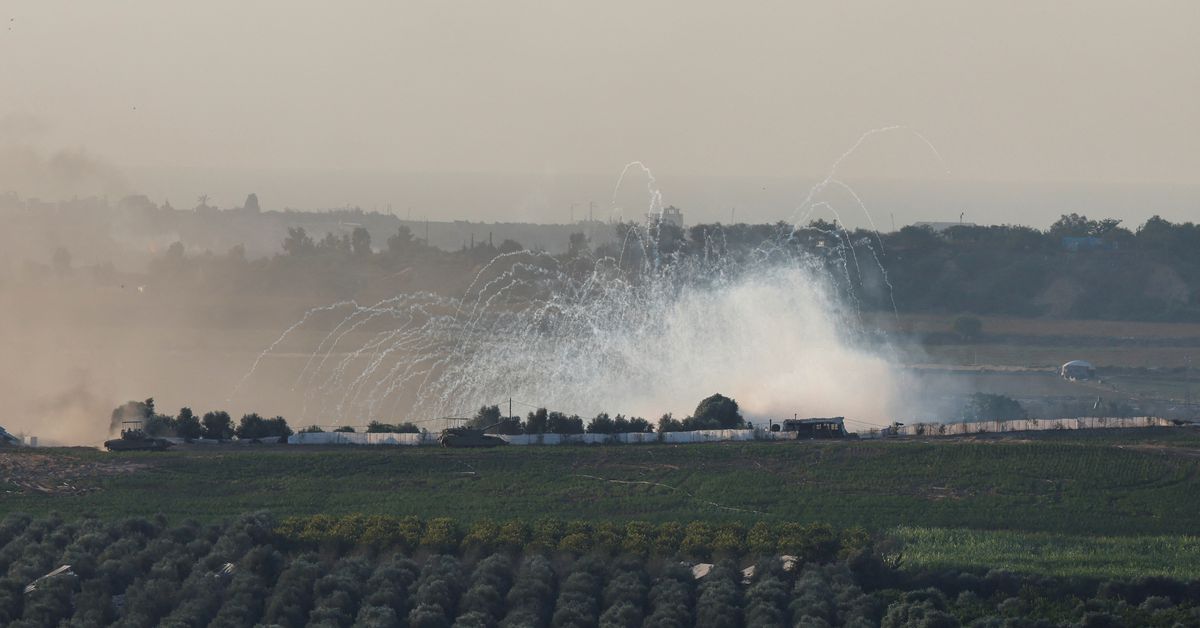
The early stages of Israel's ground assault in Gaza remain shrouded in secrecy, with limited information being released by Israeli military and civilian authorities. Israeli troops have entered the Gaza perimeter, focusing on destroying tunnels and learning about the Palestinian fighters. The Israeli military is moving slowly and cautiously, searching for and destroying booby traps and tunnels while preparing corridors for the deployment of tanks and troops. The objective is to gradually eliminate Hamas and establish a new entity to govern Gaza. The IDF's strategy is focused on gradualism, learning about the enemy, and minimizing collateral damage. The offensive is now clearing routes for a massive land incursion, which is the third phase of the operation.
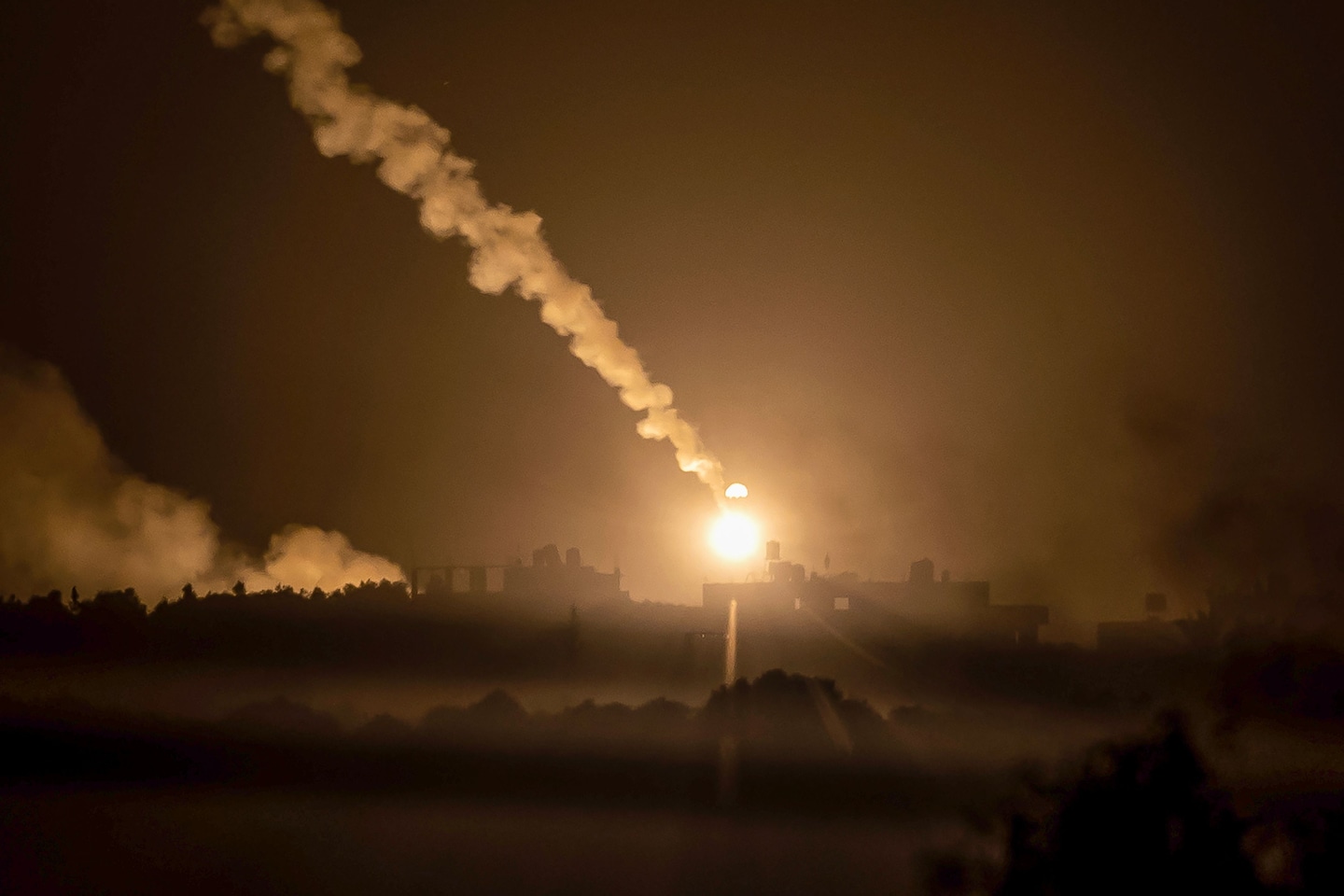
Israel has launched a ground assault in northern Gaza, accompanied by aerial bombardments and a communications blackout. The assault, described as a "new phase" by Israeli Prime Minister Benjamin Netanyahu, aims to eliminate Hamas. The conflict has exacerbated the humanitarian crisis in Gaza, with human rights groups alleging war crimes. The details of the operation are unclear due to the blackout, but analysts believe the IDF is gradually expanding its ground activity, targeting Hamas's military capabilities. The war's consequences will be massive, with dire humanitarian impacts on the people of Gaza.
The US is prioritizing the release of American, Israeli, and other hostages held by Hamas in Gaza as Israel expands its ground assault against the group. The White House's national security adviser, Jake Sullivan, stated that efforts are being made to secure the safe return of the hostages, including potential humanitarian pauses. Israel has sent ground forces into Gaza, intensifying the retaliatory operations against Hamas. Sullivan reiterated the US's support for Israel's right to self-defense while emphasizing the need to protect civilians and provide humanitarian aid. He also expressed concern about the risk of a widening conflict in the Middle East.
Israel continues to bombard Gaza with airstrikes while engaging in ground skirmishes with Hamas militants. The death toll rises as desperate civilians in Gaza face food and water shortages. Israeli troops also clash with Palestinians in the West Bank, and airstrikes hit southern Lebanon. The United Nations warns of a humanitarian crisis as aid trickles in but falls far short of the amount needed. The conflict shows no signs of abating, with Israeli forces massed on the border and a potential ground invasion looming.