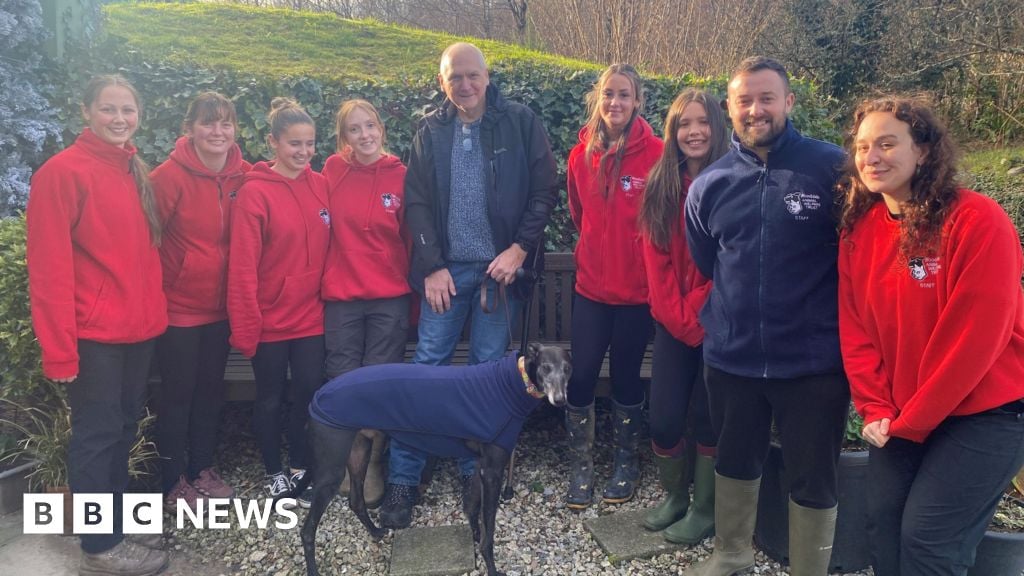
Rescue Dog Finds New Home After 1,000 Days
After over 1,000 days at Woodside Animal Welfare Trust, greyhound Bobby was finally adopted by Peter Hart, highlighting the challenges faced by overlooked rescue dogs and the joy of finding a loving home.

All articles tagged with #greyhound
After over 1,000 days at Woodside Animal Welfare Trust, greyhound Bobby was finally adopted by Peter Hart, highlighting the challenges faced by overlooked rescue dogs and the joy of finding a loving home.
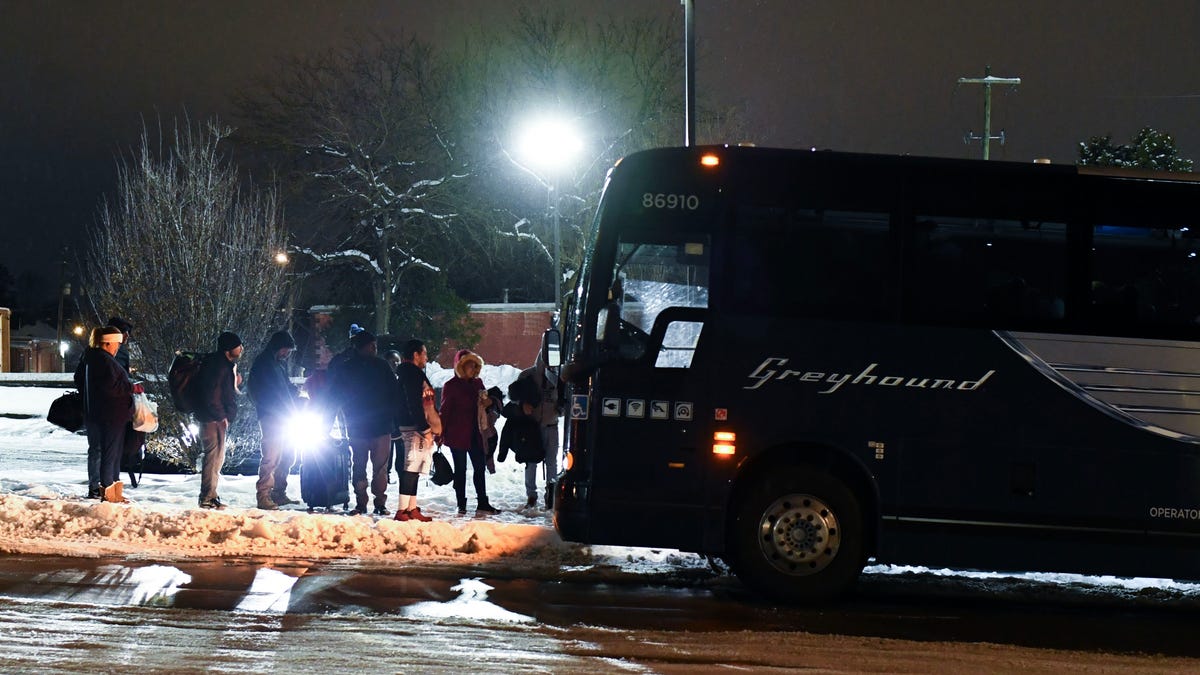
A Greyhound bus and a car collided near Ardmore, Alabama, resulting in one fatality and injuries to the bus driver and eight passengers. The bus was en route from Montgomery to Nashville with a scheduled stop in Huntsville. The cause of the crash is under investigation, and authorities are advising motorists to avoid the area due to expected traffic delays.
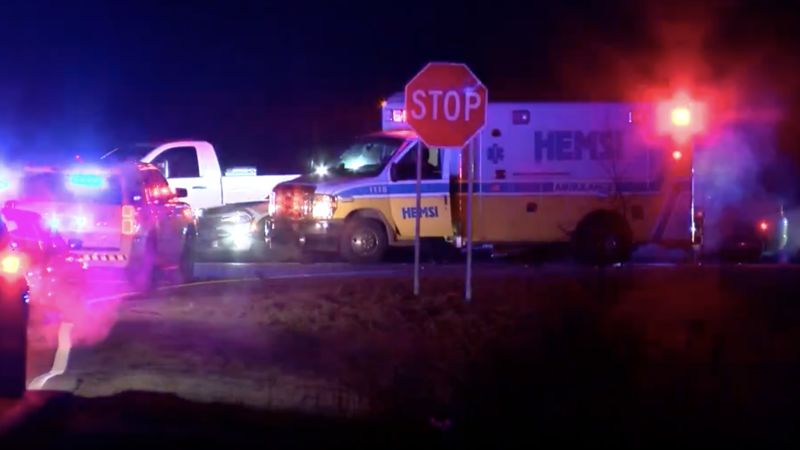
One person was killed and several others were seriously injured in a car and Greyhound bus crash on Highway 53 in Limestone County, Alabama. The driver of the car died from their injuries, and multiple individuals were taken to hospitals with varying degrees of injuries. The details of the crash, including the destination and passenger count of the bus, remain unclear.
One person is dead and multiple others are injured after a Greyhound bus crashed on Alabama Highway 53 near Pinedale Road and Pulaski Pike in Limestone County. The wreck, which occurred around 10:16 p.m., involved a Greyhound bus and another vehicle. Eight people were injured, with one person pronounced dead at the scene and others in critical or serious condition. Multiple emergency response agencies, including HEMSI and Athens Limestone EMS, have been involved in the response.
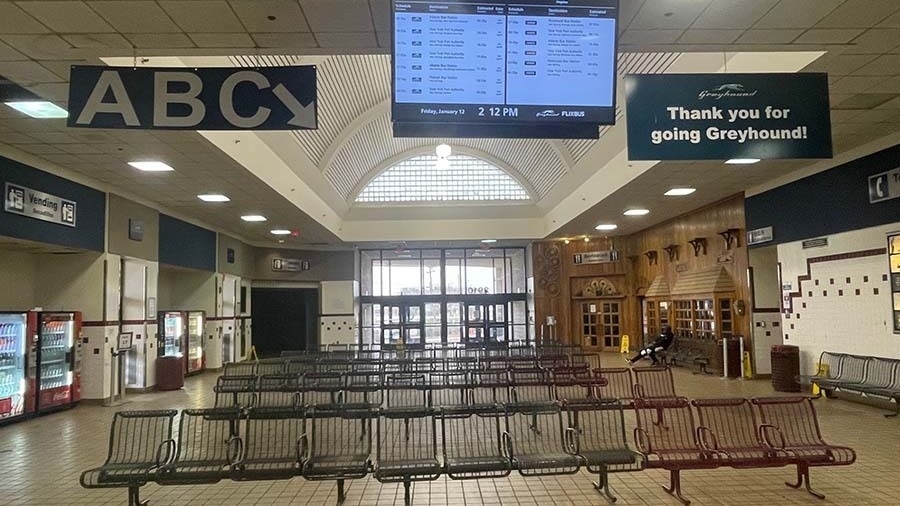
Greyhound bus stations, once a significant part of American transportation, are being shut down and sold off for redevelopment, with the Richmond, Va., station set to be replaced by apartment towers and retail space. The decline in bus travel and lack of government support have contributed to the closures, impacting low-income passengers who rely on these stations. While newer bus companies like Megabus operate without dedicated stations, the removal of Greyhound stations affects passengers' access to connections, particularly in remote and rural areas.
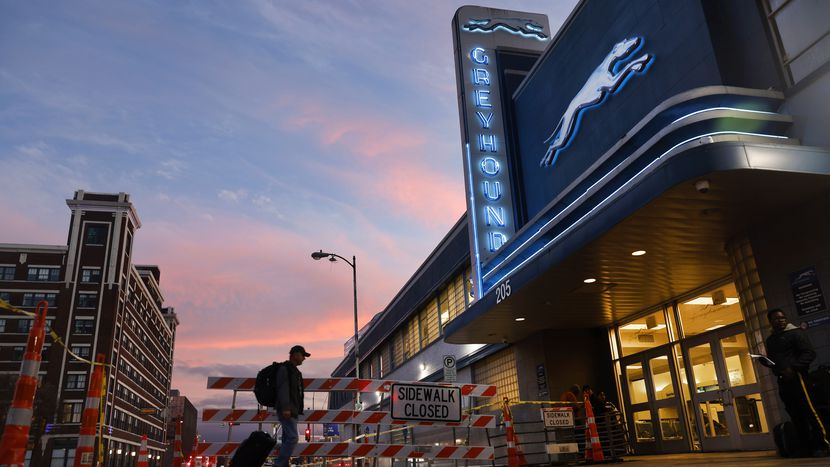
The downtown Dallas Greyhound bus terminal, a longstanding waypoint for travelers, is set to close in October when its lease expires, leaving passengers like James Watson in limbo. The closure is part of a trend of nationwide bus cuts and terminal closures, posing challenges for the more than 60 million passengers who rely on intercity travel, often people with low incomes and without access to a car. The closure raises concerns about the lack of shelter and amenities for passengers, and the uncertainty of where they will end up after the terminal shuts down.
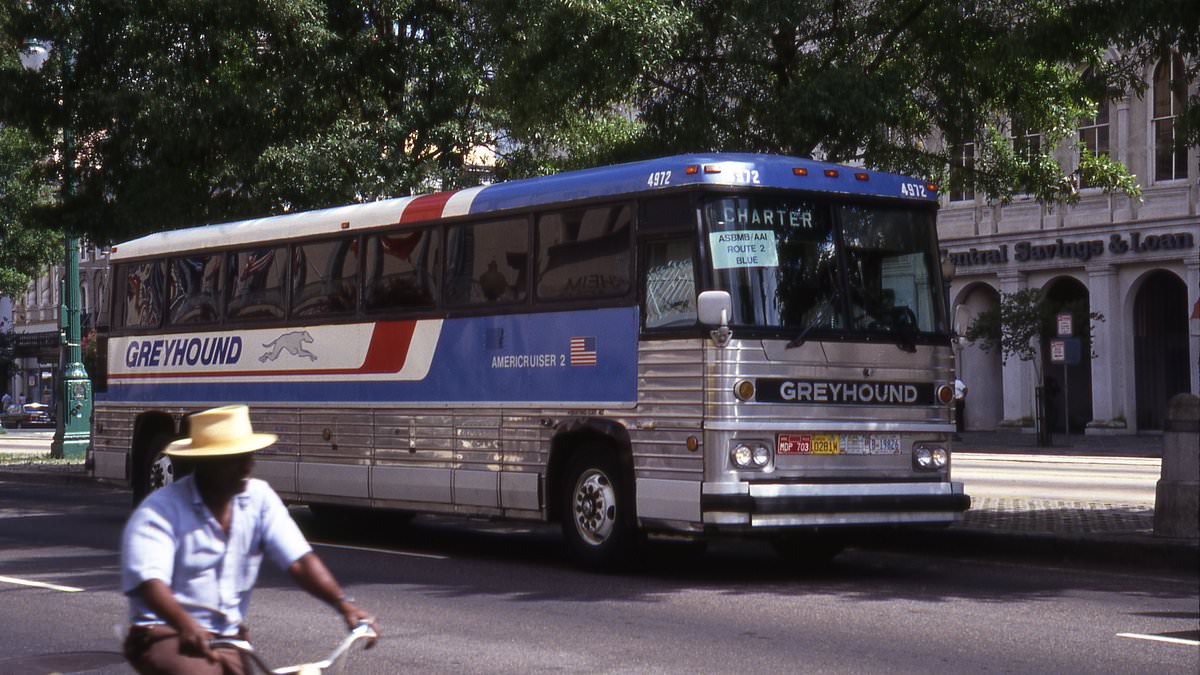
Greyhound, the largest intercity bus company in the US, is facing a crisis as scores of its central bus stations across the country have closed, either cutting services completely or relocating to far-out sites as a cost-saving measure. The closures are driven by high operating costs, government underfunding, and a hedge fund buying and reselling Greyhound's real estate. This has left roughly 60 million people, primarily low-income individuals with limited transportation options, without accessible bus terminals, forcing them to wait on street corners without amenities or protection from the weather. The closures have been accelerated by the sale of key locations to a property investment firm, Twenty Lake Holdings, which is now selling off the depots to real estate developers. The lack of government support for the bus sector exacerbates the problem, highlighting the need for alternative models to ensure continued service without leaving passengers stranded.
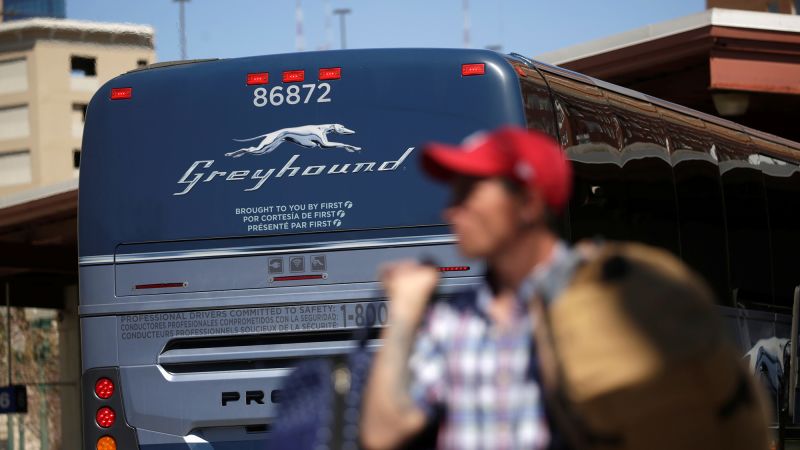
Greyhound and other private intercity bus companies are closing their bus terminals across the United States, leading to a crisis in the intercity bus network. These closures are driven by high operating costs, government underfunding, and the sale of Greyhound's real estate to investors, including hedge fund Alden Global Capital. The closures disproportionately affect low-income and mobility-challenged citizens who rely on intercity buses, as well as minorities, people with disabilities, and unemployed travelers. The closures also create problems for travelers, such as lack of access to amenities and increased congestion from curbside bus service. Transit advocates are calling for increased public sector support and the development of publicly-owned intermodal facilities to ensure the continuation of affordable and equitable intercity bus travel.
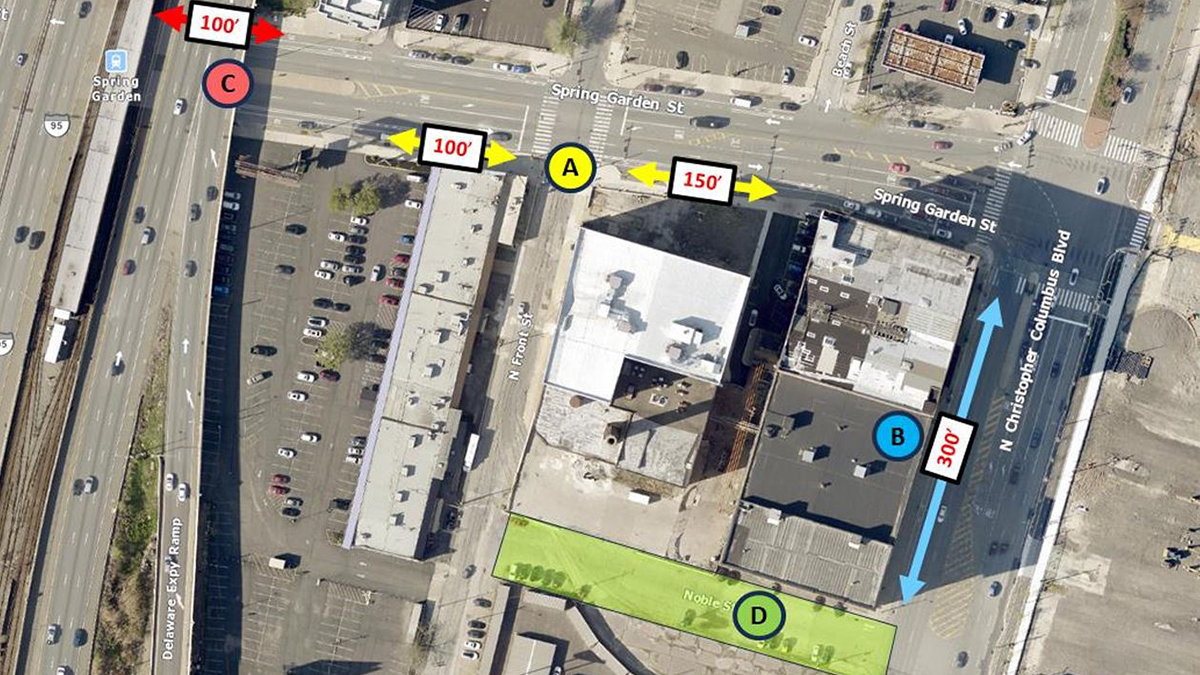
Philadelphia is relocating the bus stop for Megabus, Greyhound, FlixBus, and Peter Pan from 6th and Market streets to Spring Garden Street and Christopher Columbus Boulevard starting on November 16. The move aims to address congestion issues for SEPTA bus routes and daily traffic on Market Street. The new bus stop location will be temporary until the first quarter of 2024.
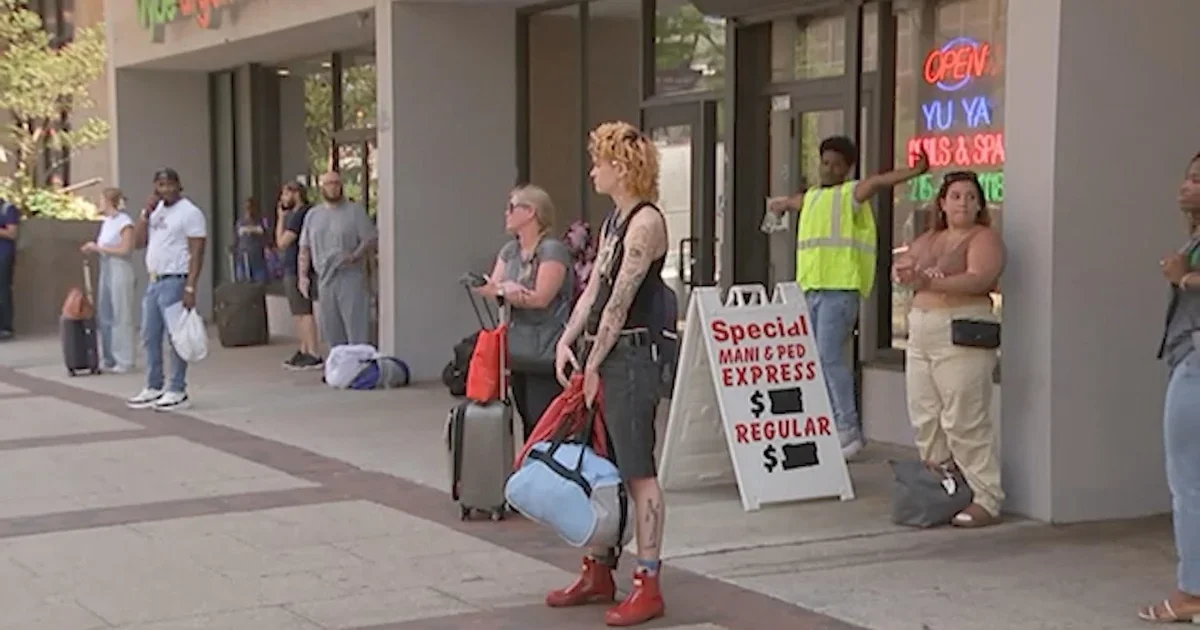
Riders in Philadelphia are expressing their frustration after Greyhound relocated its bus terminal from 10th and Filbert Streets to 6th and Market Streets, leaving them exposed to the elements without access to bathrooms. City officials are acknowledging the issue and are exploring potential solutions, including moving pickups and drop-offs to a location with shelter. While curbside bus companies are not required to provide amenities, the Streets Department is looking into addressing traffic disruptions caused by multiple buses from different companies violating permit regulations. Long-term solutions, such as city-owned bus hubs, are also being considered. Greyhound's parent company, Flix Bus, defended the move, stating that it provides customers with accessibility to other transportation providers and offers amenities onboard the buses.