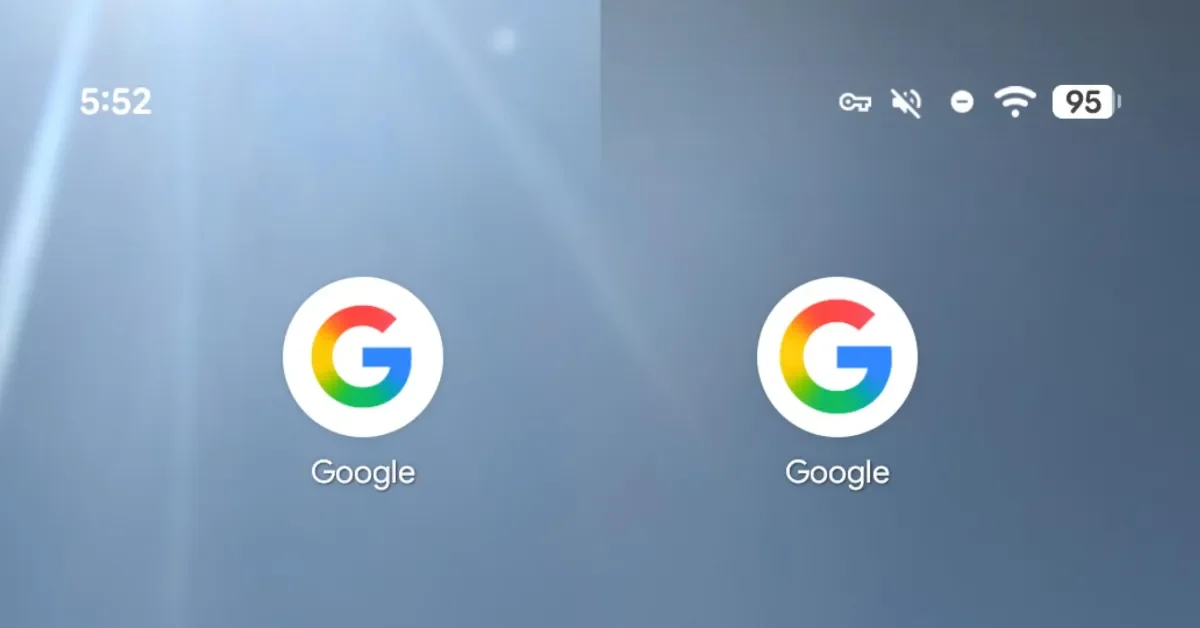
Google has updated its Android app beta to version 17.0, increasing the size of the app icon's 'G' to improve visual fill, addressing a previous shrinkage from earlier updates. The stable version remains at 16.49, with newer test versions released over the holidays, and the next stable release is expected soon.
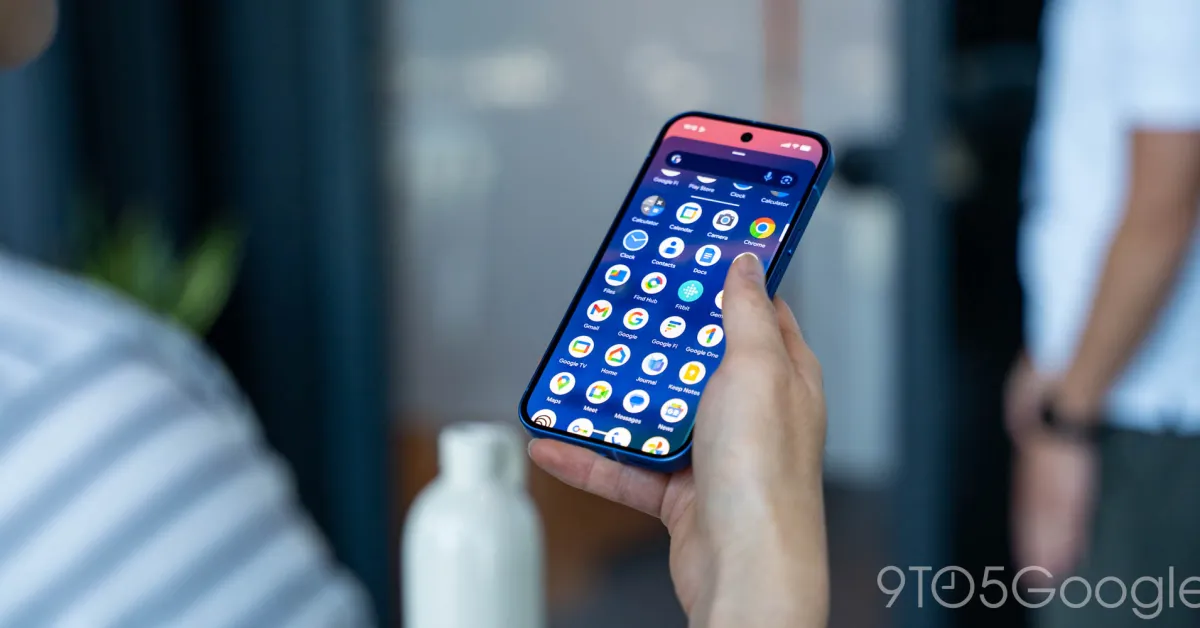
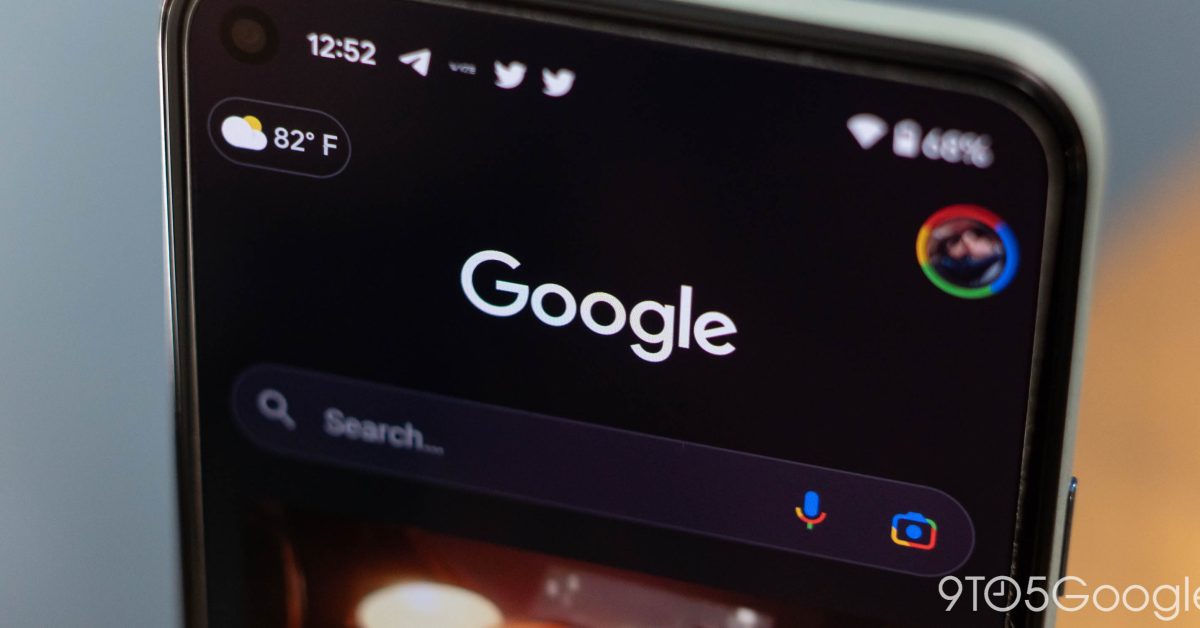
Google has intentionally replaced the Pixel Launcher search bar with a fullscreen Google app experience as part of the November 2025 Feature Drop, providing quicker access to AI Mode and suggested apps, but at the cost of losing some traditional search functionalities and shortcuts, which some users may find as a regression.
Google is updating its Android app's voice search interface with a modern redesign inspired by Search Live, featuring a centered 'G' logo, a new arc waveform, and a prominent 'Play Sing Hum' button, enhancing user experience, though the rollout is not yet widespread.
Google Chrome for Android has introduced a new Gemini overlay feature that allows users to quickly generate concise summaries of web pages through a new 'Summarize page' shortcut, enhancing browsing efficiency with integrated AI-powered summaries accessible directly within the browser.
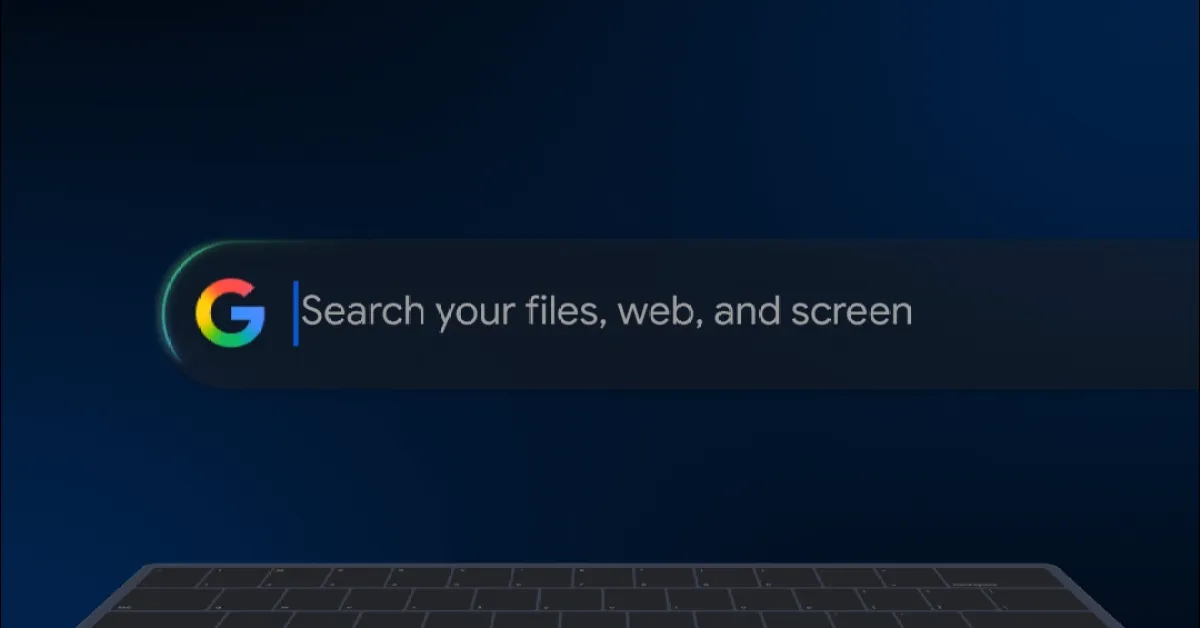
The Google app for Windows, currently in Labs status, is prompting users to uninstall and reinstall it to ensure future updates due to an unspecified error in the initial release, with the latest version being 0.1.15.1.
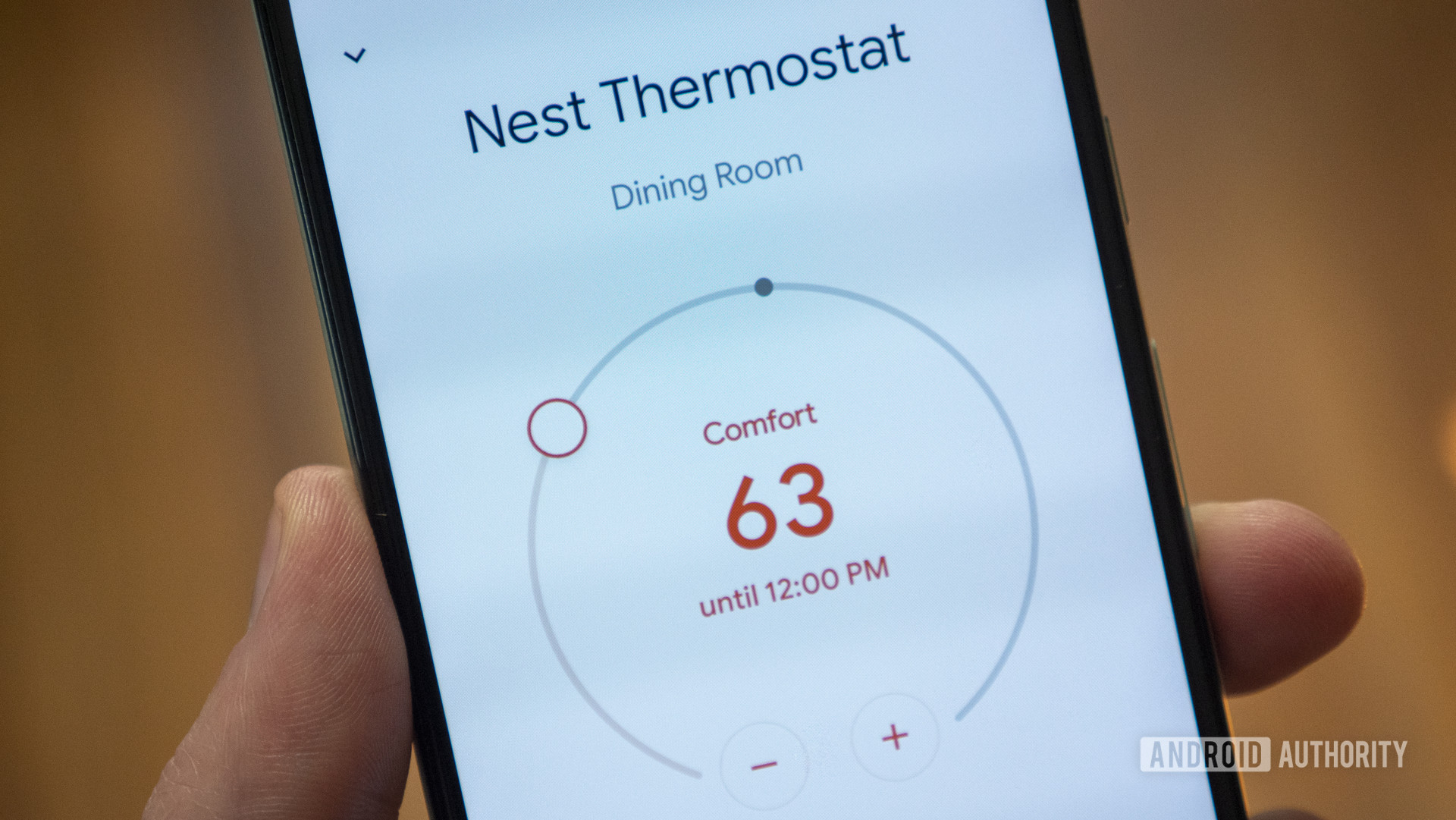
Google has begun rolling out full temperature scheduling features for the 3rd Gen and E Nest thermostats within the Google Home app, addressing a major reason users continued to rely on the older Nest app. Although the feature is live for some, it is currently glitchy, but clearing the app cache can resolve most issues. This update allows users to set specific temperatures for different times, select sensors, and view schedules at a glance, improving control over older Nest models.
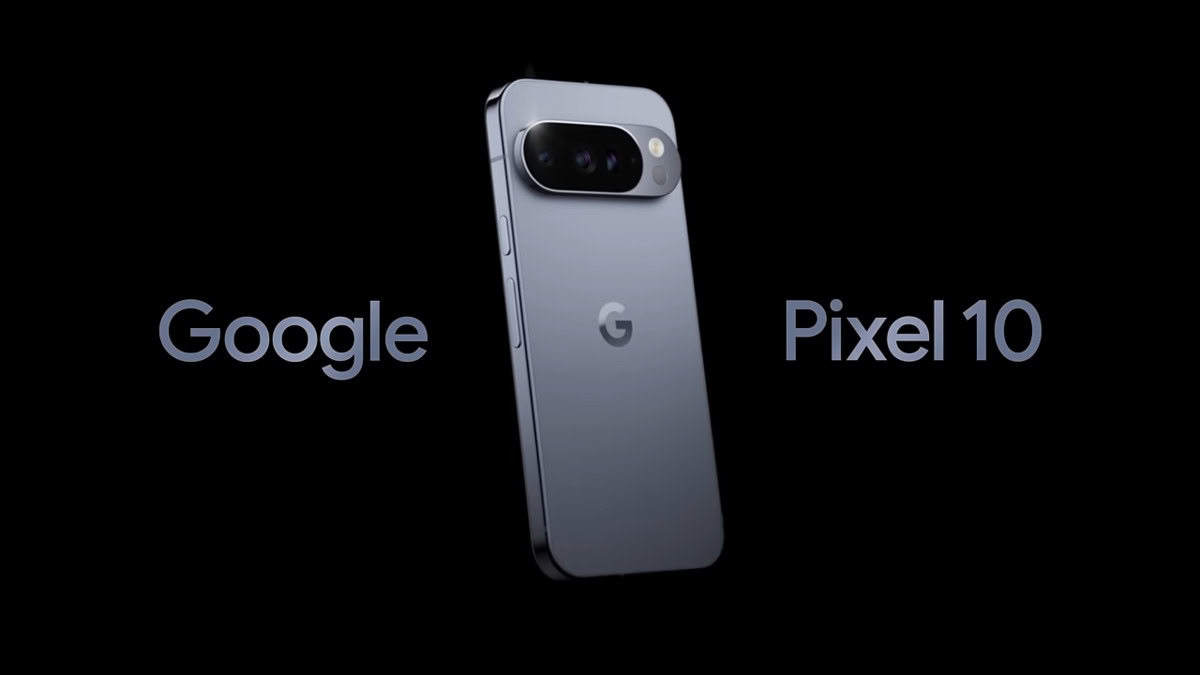
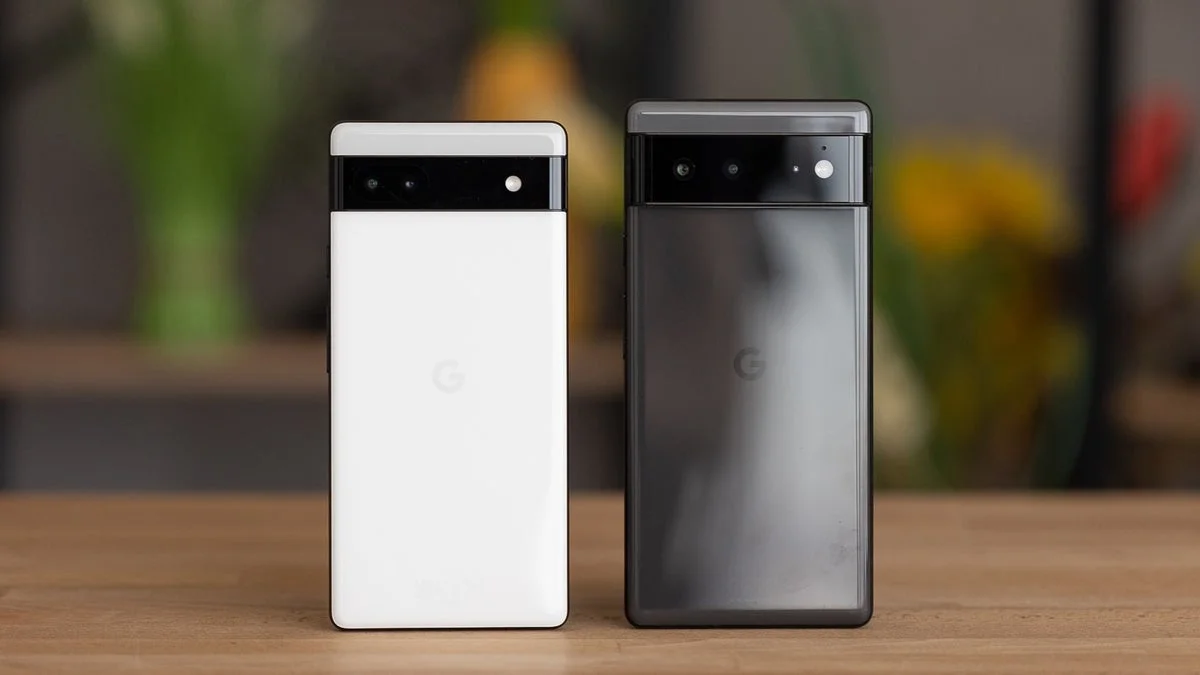
The upcoming Pixel 10 series is expected to include a free trial of Google AI Pro, potentially lasting between six to twelve months, offering users access to advanced AI features, as suggested by code found in the latest Google app version.
Google Discover is introducing a new Sunrise and Sunset card for Android and iOS, which shows the sunrise and sunset times for your current location. Users can enable it by swiping to the pencil icon, and it will sync across devices. This card joins others like Air quality, Finance, Sports, and Weather in the carousel at the top of Discover.
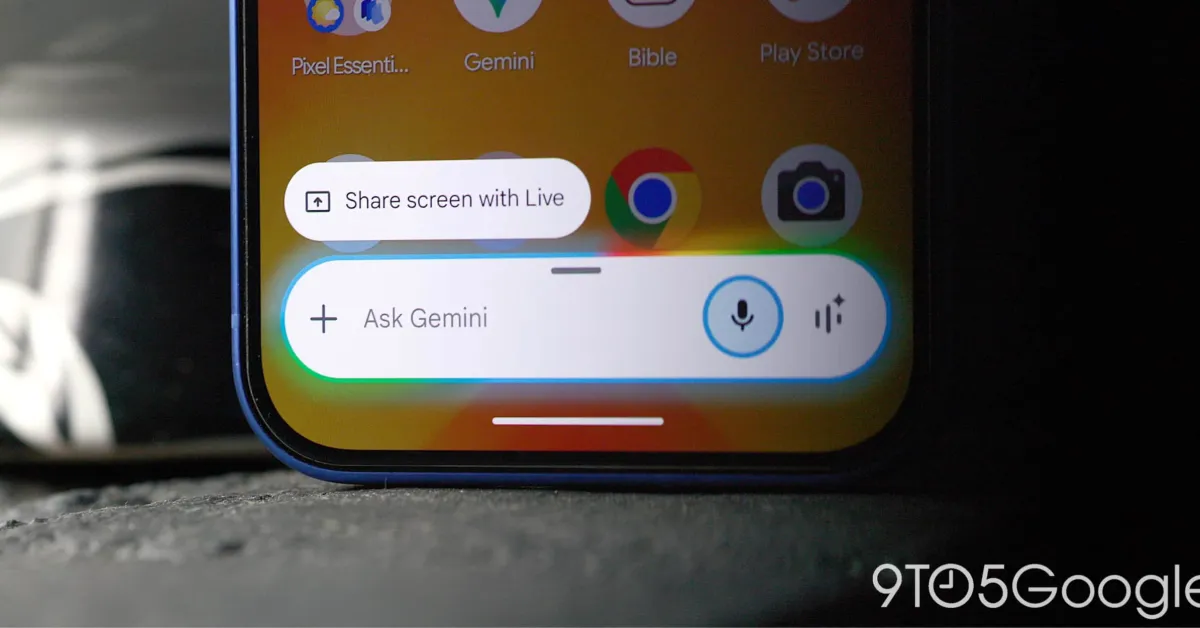
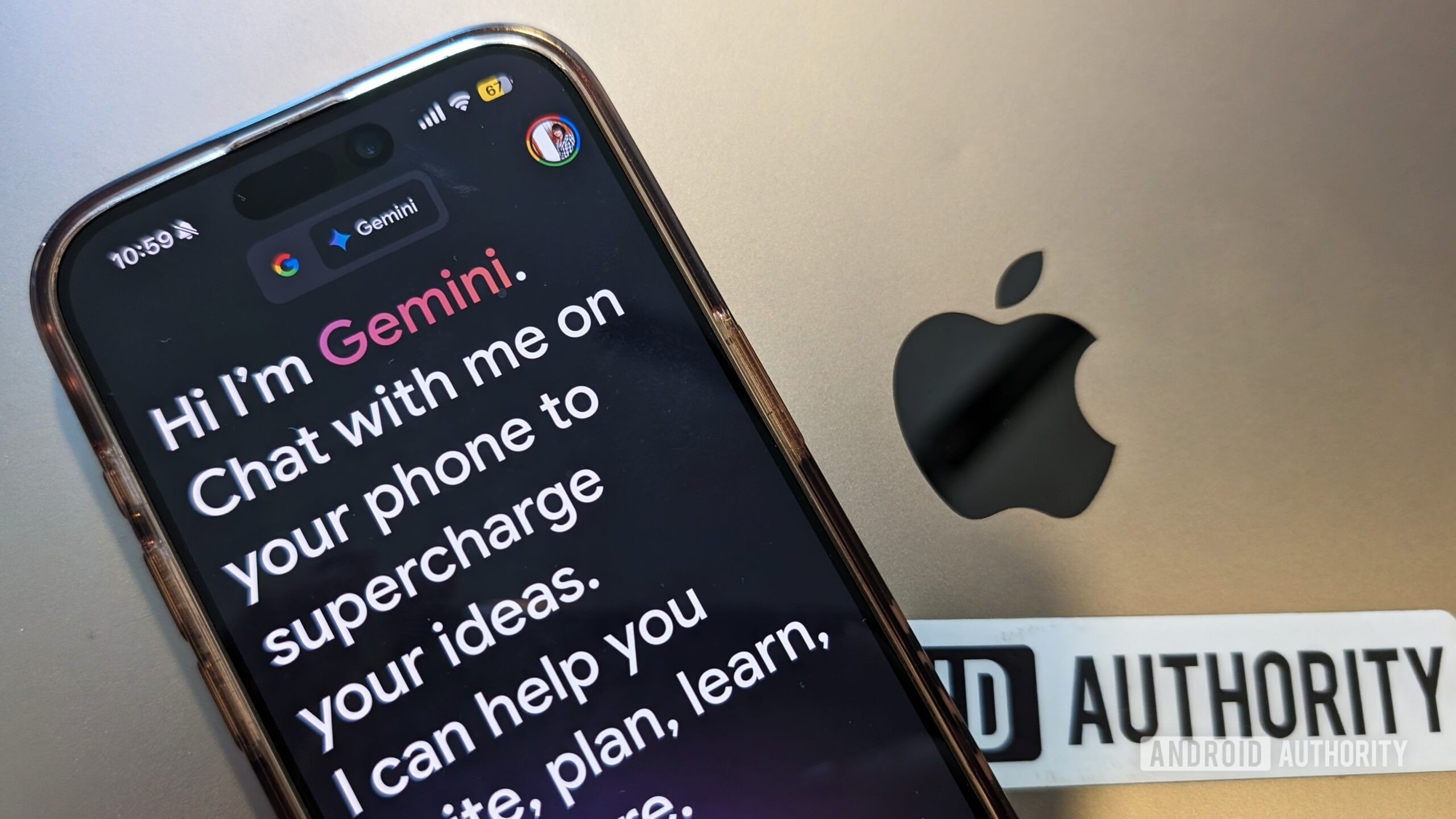
Gemini, the chatbot feature, is set to be introduced to the Android Google app, functioning similarly to its iOS counterpart. Users will be able to access the chatbot prompt field by tapping the Gemini logo, allowing them to interact with Google's revamped chatbot, create images, and analyze pictures.
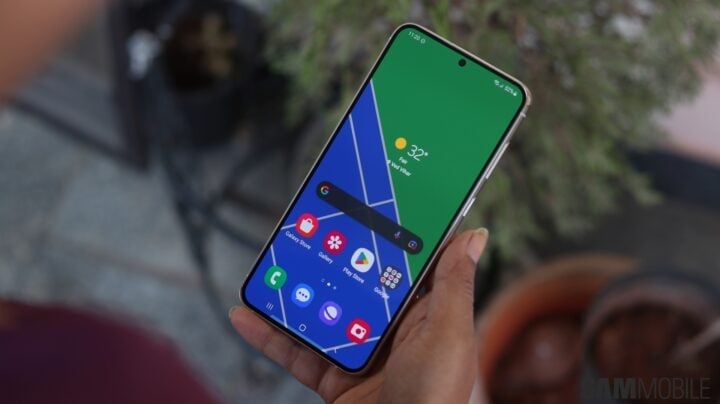
Samsung's One UI 6.1 update for the Galaxy S23 series has caused issues including touchscreen problems, but the company has provided a temporary fix. Users are advised to update the Google app to the latest version, clear its data, and restart the device until Google resolves the problem.
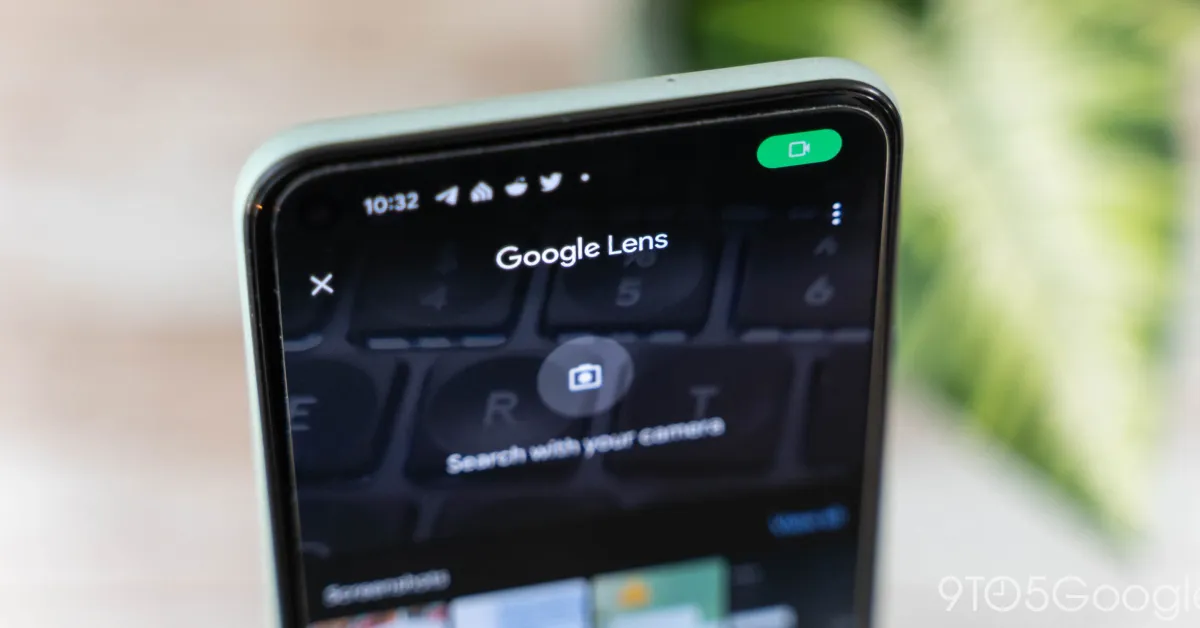
Google Lens now allows users to save their Visual Search History, enabling them to revisit analyzed images in the future. This feature is accessible through the Google app and can be managed via myactivity.google.com. The new opt-in setting, "Include Visual Search History," is disabled by default and can be found in the Data & Privacy section of myaccount.google.com. The feature is rolling out gradually and will prompt users with a pop-up inside Google Lens.
Google's Gemini AI is now available on iOS through the Google app, allowing users to interact with the AI using text, voice, images, and the camera. While iPhone users won't have a dedicated app like on Android, they can enable Gemini within the Google app and access features such as generating code, creating custom images, and providing summaries of complex topics. However, certain functionalities, like contextual help on any screen, are restricted to Android phones, and Apple is reportedly working on new AI features for iPhones in the future.
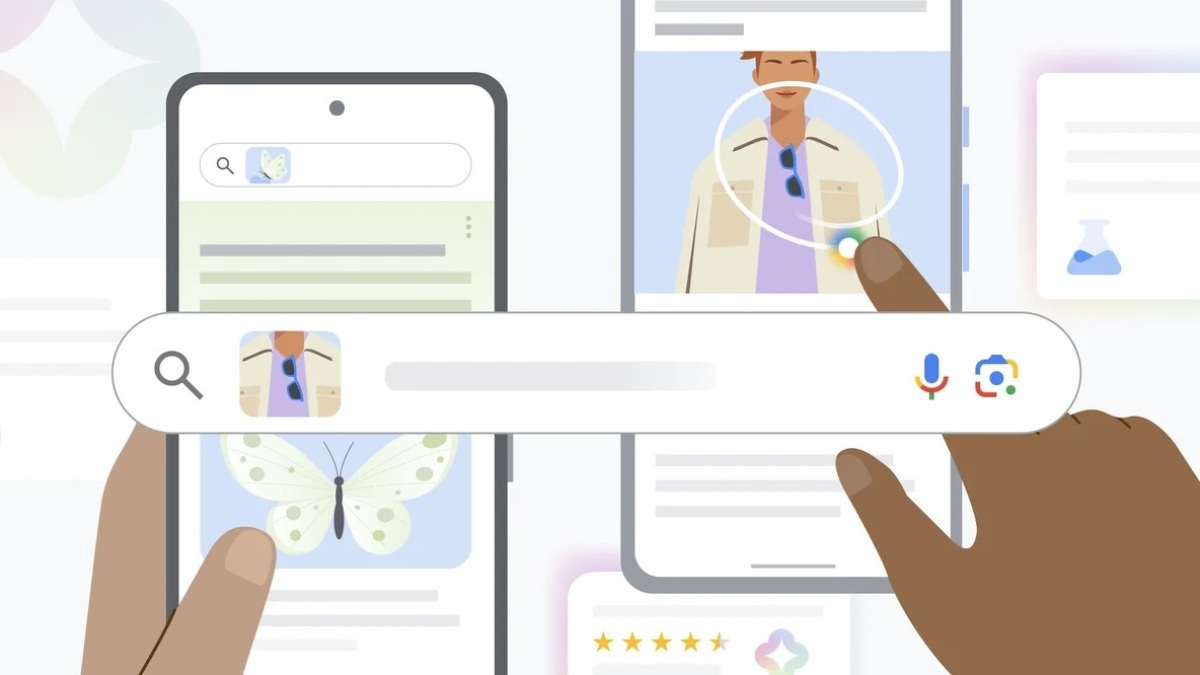
Google has updated its Lens feature with new AI tools, allowing users to take a photo and ask questions about it, such as identifying a board game or a dish at a restaurant. The update enables users to ask specific questions about the photo without needing to describe its contents. The feature is available on the Google app for Android and iOS, and users can upload images from their phones to use the tool.
Many Pixel 6 and Pixel 7 users are experiencing battery drain and overheating issues, possibly due to a recent update that increased power draw. The Google app appears to be the main culprit, but it's not clear what's causing the problem. Google is aware of the issue but hasn't provided a solution yet. Users can try turning on Adaptive Battery and battery optimization or enabling Extreme Battery Saver, but these options limit apps and features.
Google has announced that it will bring Matter support to the Google Home app on iOS soon. The expansion is set to come with iOS 16.5, which just got its Release Candidate this week ahead of a full launch next week. The Google Home app can use Matter to control devices without additional apps. Google has also been expanding its support for Matter devices (and other smart home gear), with over 60 new types of devices and sensors seeing expanded controls in the Home app.