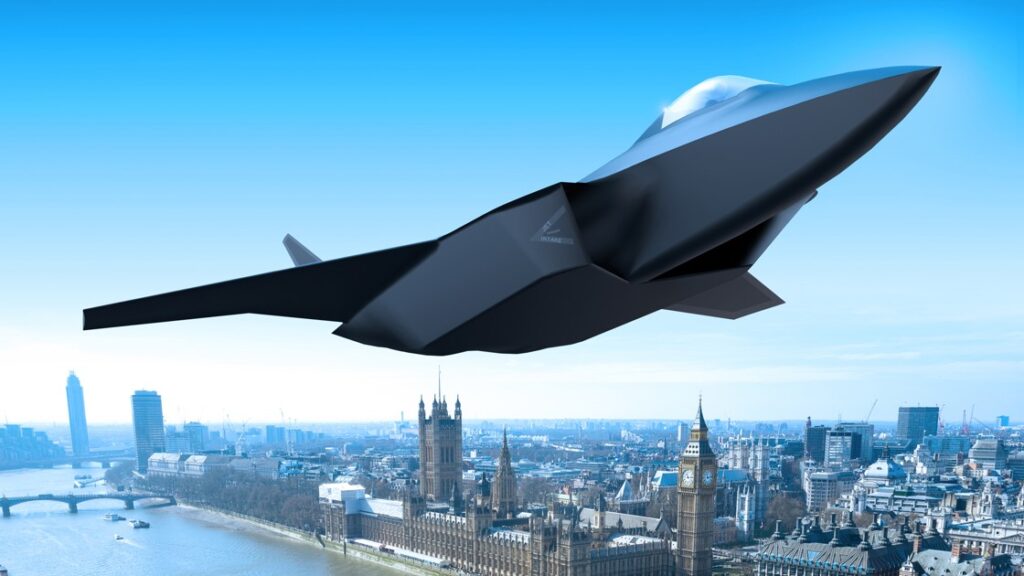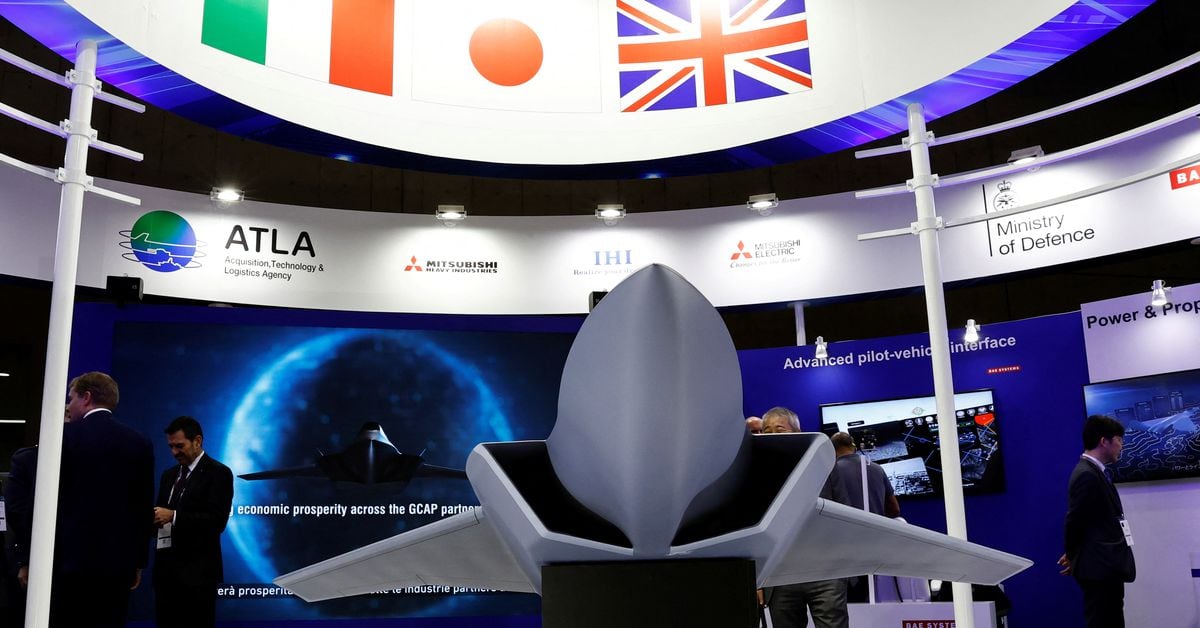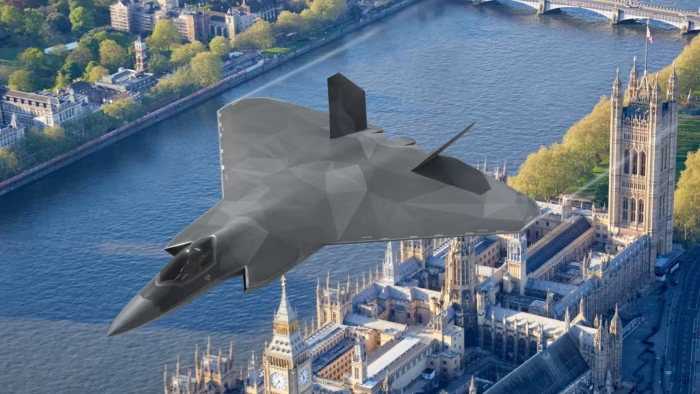
The UK, Italy, and Japan have formed a joint venture to oversee the development of a next-generation fighter jet under the Global Combat Air Programme (GCAP), aiming for completion by 2035. The venture, equally owned by BAE Systems, Leonardo, and Japan Aircraft Industrial Enhancement Co, will manage the design, development, and delivery of the aircraft. Discussions are ongoing about potentially involving Saudi Arabia as a financial partner. The project seeks to enhance defense capabilities against threats from Russia and China, with a focus on digital design and innovative engineering to reduce costs and time.
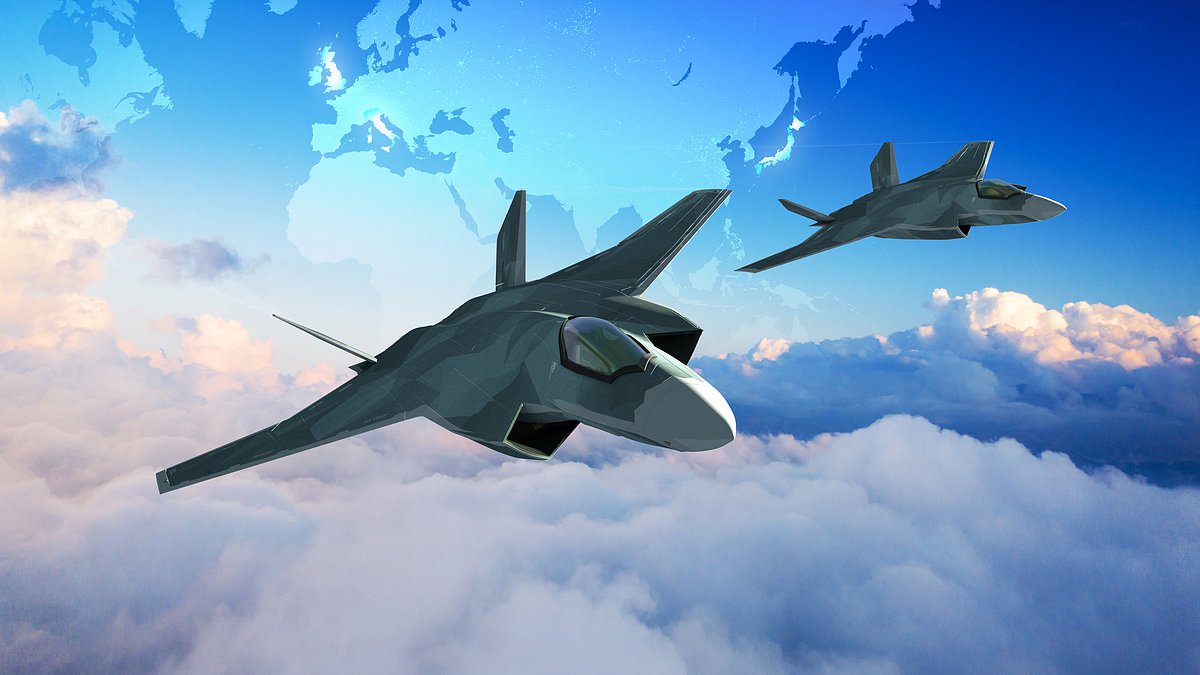
The UK has signed a £2 billion deal with Japan and Italy to build the next generation of stealth fighter jets. The Global Combat Air Programme (GCAP) will replace the existing fleets of all three nations with high-tech jets equipped with artificial intelligence and machine learning technology. The headquarters for the cooperative defense partnership will be based in the UK, with a Japanese chief executive overseeing the project. The goal is for the new jets to take to the skies by 2035, and the program combines BAE Systems' Tempest project in the UK with the Mitsubishi F-X development scheme and Italian aerospace company Leonardo.
The Global Combat Air Programme (GCAP) partners of Italy, Japan, and the United Kingdom have signed a new treaty, with the UK selected to host the partnership's headquarters. The program aims to launch its development phase in 2025 and start deliveries in 2035. The leadership of the program will rotate between the partner countries, and industries from all three countries will collaborate on the aircraft's design and production. The GCAP partnership could potentially expand to include Saudi Arabia, although the Japanese government reportedly opposes their bid. GCAP is one of several sixth-gen fighter aircraft programs in the West, with the Future Combat Aircraft System (FCAS) in Europe and the Next Generation Air Dominance (NGAD) program in the United States also in development.
Britain and Japan are expected to pay for most of the development cost of the Global Combat Air Programme (GCAP), a three-nation project with Italy to build an advanced jet fighter. The project is expected to cost tens of billions of dollars before the new jet fighter enters service around the middle of the next decade. Italy is set to pay around only a fifth of the overall development cost. The breakdown of investment is among the first details to emerge from talks on a high-profile venture that will be a test of whether Japan and Europe can collaborate on major military projects.