The White House is considering raising the Social Security retirement age and other reforms to prevent the program's insolvency by 2034, which could lead to benefit cuts unless Congress acts to increase payroll taxes or implement other measures.
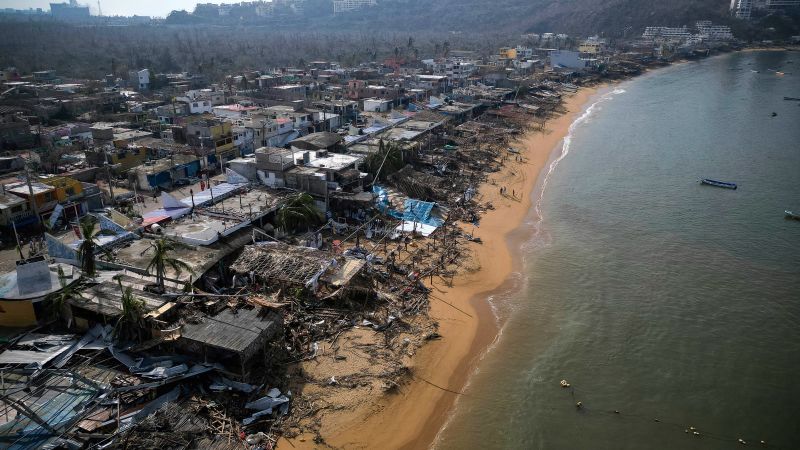
A UN report reveals that the world is not allocating enough funds to prepare vulnerable countries for climate extremes, leaving billions of people at risk. The estimated costs to fully prepare low-income nations for the impacts of climate change are 10 to 18 times greater than the current funding flowing to these regions. The flow of adaptation finance declined by 15% in 2021, and the actual need is projected to rise dramatically by 2050. The issue of funding and finance for adaptation is expected to be a key point of discussion at the COP28 talks in December. Developed nations, who bear a greater historical responsibility for the climate crisis, need to show leadership and increase funding for adaptation efforts in developing countries. Investing in infrastructure and agriculture can help prevent economic damages and alleviate hunger caused by climate disasters.
The Biden administration has sent letters to the governors of 16 states, urging them to invest more money in historically Black colleges and universities (HBCUs) that were established under the Morrill acts. According to the letters, land-grant HBCUs have missed out on over $13 billion in funding over the past few decades. Education Secretary Miguel Cardona and Agriculture Secretary Thomas Vilsack highlighted the funding gap and emphasized that closing it would strengthen the universities and better serve their students. The gap between majority-Black and majority-white land-grant institutions in some states, such as Florida, Louisiana, Tennessee, Texas, and North Carolina, ranged from $1 to $2 billion. The administration hopes to collaborate with the states to avoid costly litigation.
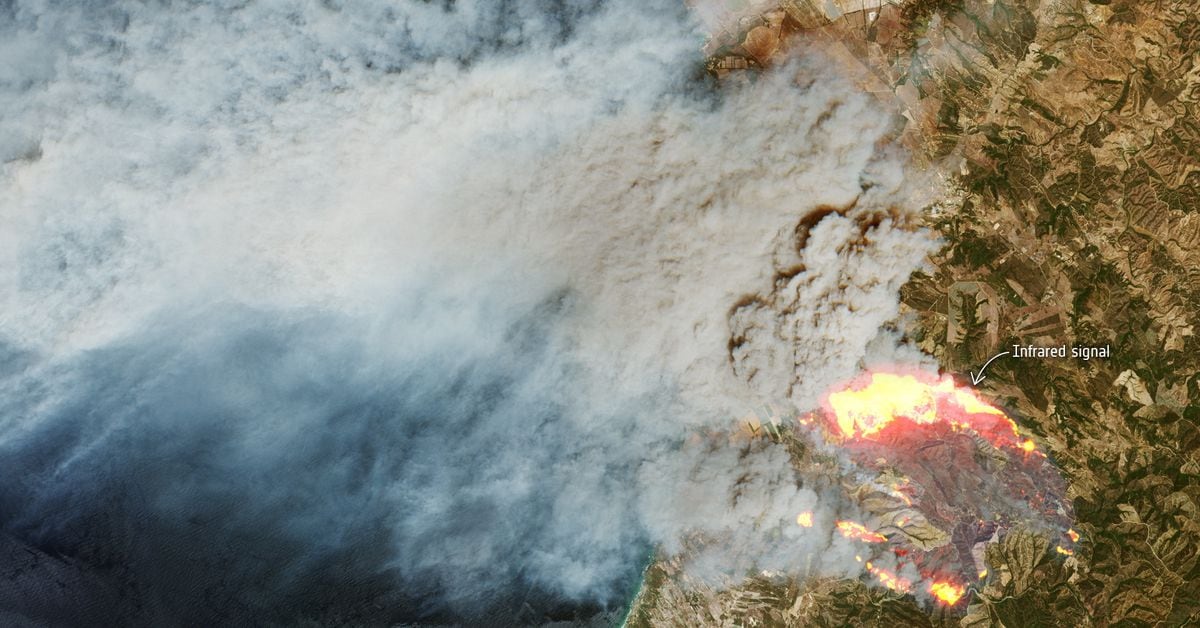
Josef Aschbacher, director general of the European Space Agency, has warned against wavering political commitment to combating climate change in Europe, citing record-breaking heatwaves and wildfires as evidence of the urgency. Aschbacher emphasized the need to mitigate the effects of climate change, stating that it remains the biggest threat to the planet and humankind. He called for immediate action based on "crystal clear" evidence, including satellite measurements, of the recent heat emergency in southern Europe. Aschbacher also highlighted the funding gap for the Copernicus satellite program, which monitors vital climate parameters, and urged for a funding decision by June 2024 to ensure uninterrupted development of the next set of Sentinel satellites.