
Tag

Fuel Subsidy Removal

All articles tagged with #fuel subsidy removal

politics2 years ago

APC Dismisses Pastor Bakare's Criticism of Tinubu's Reforms

The new National Secretary of the All Progressives Congress (APC), Senator Ajibola Basiru, has criticized Pastor Tunde Bakare, stating that he is not competent to speak on President Bola Tinubu's reforms, particularly regarding the controversial fuel subsidy removal. Basiru argued that Bakare lacks the necessary knowledge and expertise to comment on these issues, emphasizing that being a Nigerian citizen does not automatically grant one the right to make criticisms. He further stated that the APC government is focused on addressing the country's economic challenges beyond just providing palliatives.
politics2 years ago

Tinubu's Palliative Controversy: Calls for Transparency and Investment in Infrastructure

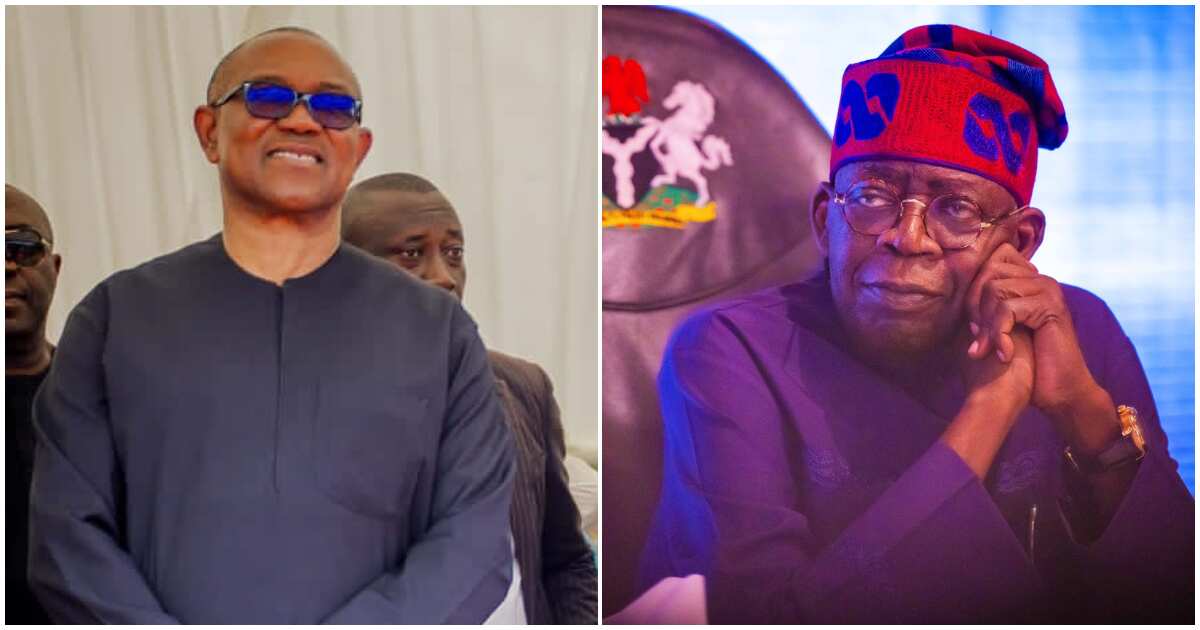
Peter Obi, the Labour Party Presidential candidate, has criticized President Bola Tinubu's plan to provide N8,000 as a palliative to 12 million households, stating that it is insufficient to cushion the effects of the fuel subsidy removal. Obi emphasized that almost every family in Nigeria is feeling the impact of the subsidy removal and that the relief plan should be extended to include teachers and other poorly paid individuals. He encouraged Nigerians to enroll for the N8,000 relief plan, highlighting the country's high poverty level.

governance2 years ago

"SERAP Demands Transparency: President Tinubu Urged to Disclose N400Billion Fuel Subsidy Savings"

The Socio-Economic Rights and Accountability Project (SERAP) has called on President Bola Ahmed Tinubu to disclose the spending details of the N400 billion saved from the removal of fuel subsidy. SERAP emphasized the need for transparency and accountability in the utilization of the savings, urging the government to provide specific plans on how the funds will be spent and mechanisms to prevent embezzlement. The organization warned that opacity in spending could undermine the rights of Nigerians and increase their vulnerability to poverty.